

Knowledge
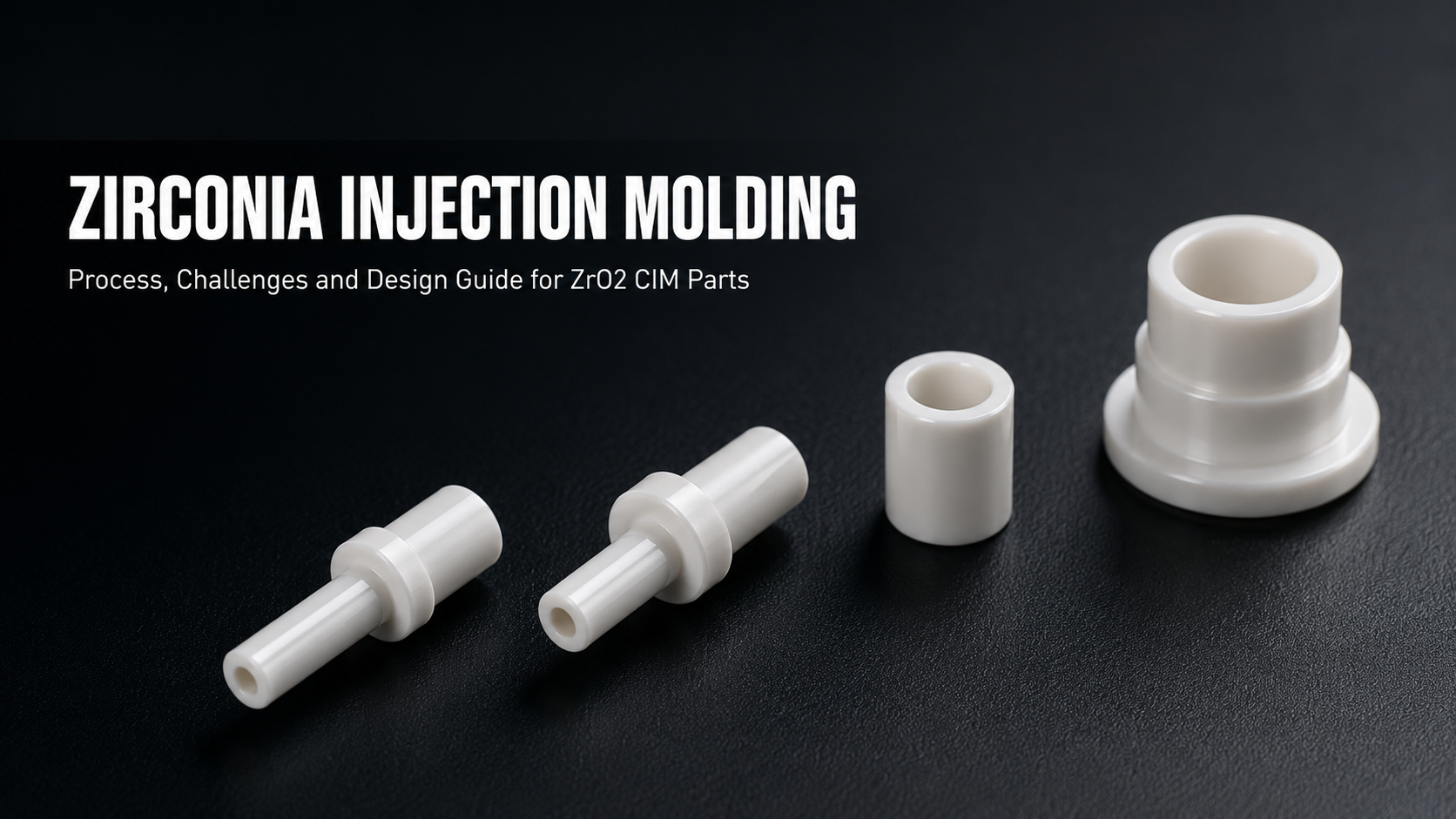
Zirconia Injection Molding: Process, Challenges, and Design Guide for ZrO2 CIM Parts
Ceramic Injection Molding is the most cost-effective process for producing complex zirconia (ZrO2) parts in volume. However, zirconia presents specific technical challenges compared to other ceramic materials — particularly in sintering temperature control, phase stability, and shrinkage management. This article explains how the zirconia CIM process works from feedstock preparation through sintering, the technical challenges engineers and process teams need to understand, design rules that prevent common defects, and how CIM compares to other zirconia manufacturing methods. Engineers evaluating ZrO2 injection molding for the first time, and procurement teams working with ceramic component suppliers, will find the technical detail needed to assess process feasibility and communicate design requirements.
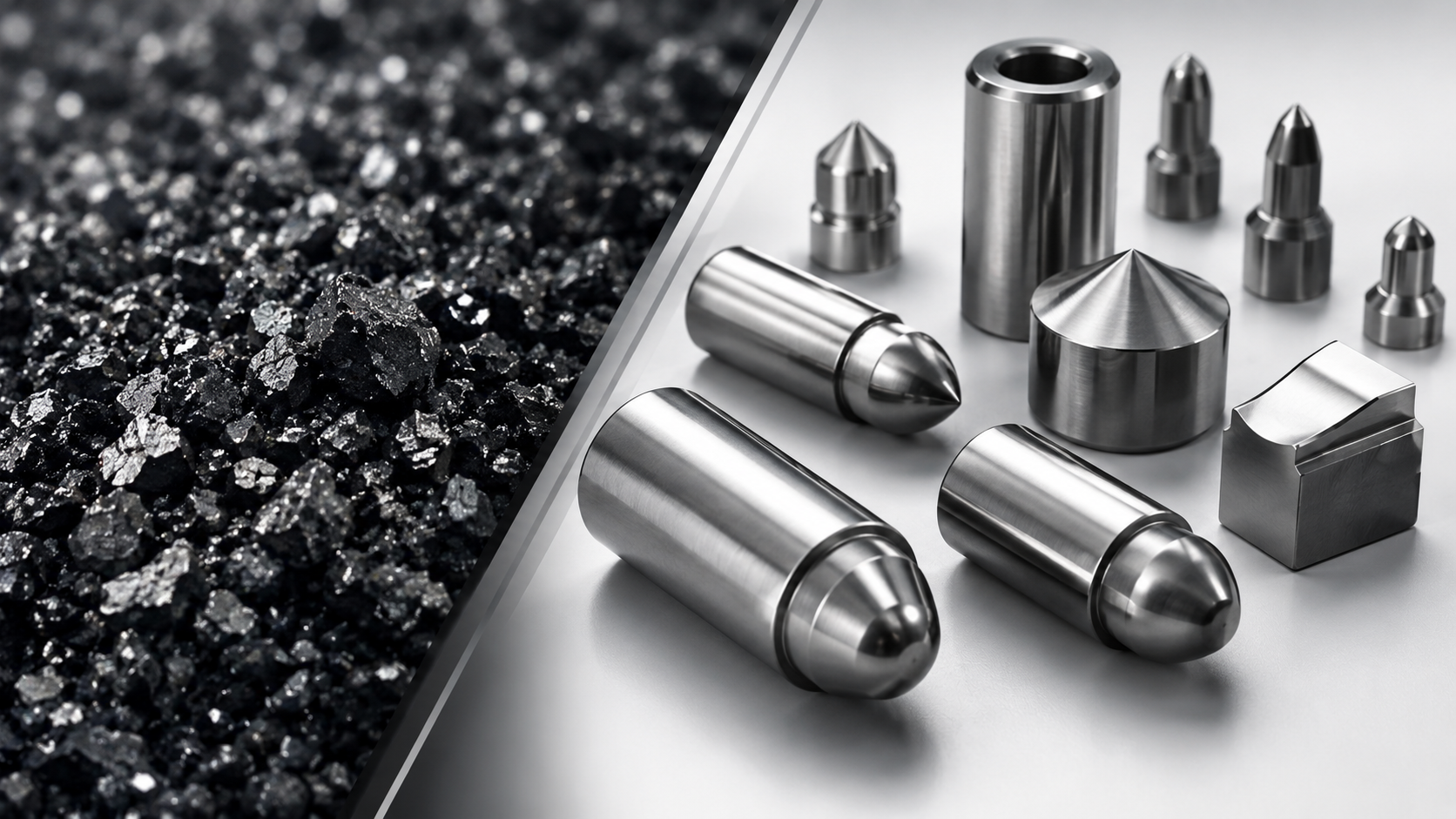
Sintered Tungsten Carbide: Process, Properties, and Custom Part Applications
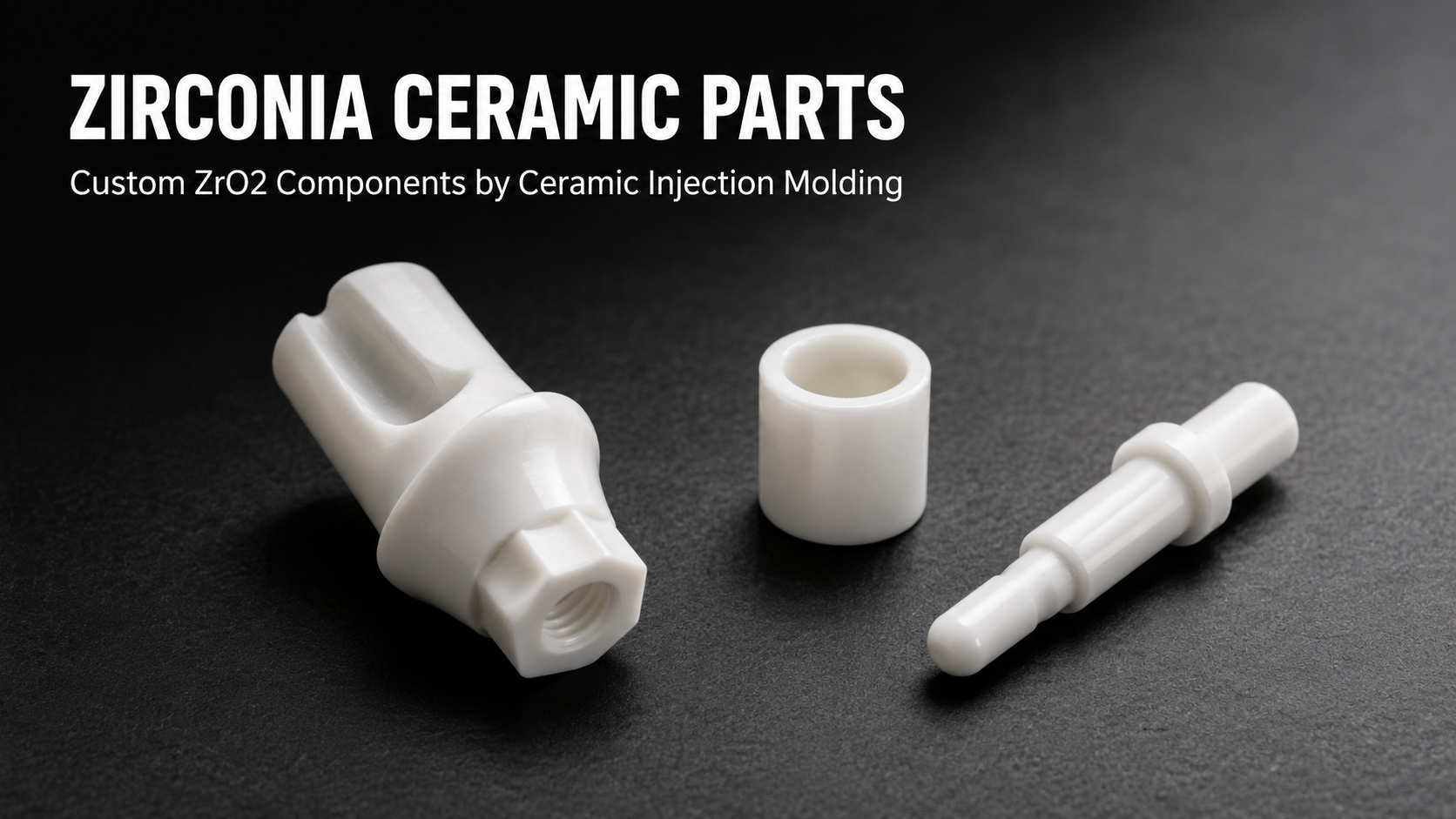
Zirconia Ceramic Parts: Custom ZrO2 Components by Ceramic Injection Molding
Zirconia ceramic parts are used across medical, dental, semiconductor, fiber optic, and industrial applications where high strength, fracture toughness, and biocompatibility are required. This article explains why zirconia is selected over other ceramics, how ceramic injection molding produces complex ZrO2 components efficiently, and what design considerations affect part quality. A comparison between zirconia and alumina helps engineers make the right material selection. A real project case shows how a precision zirconia component was developed from prototype to production. Engineers and procurement teams can use this guide to evaluate zirconia CIM for their next application.
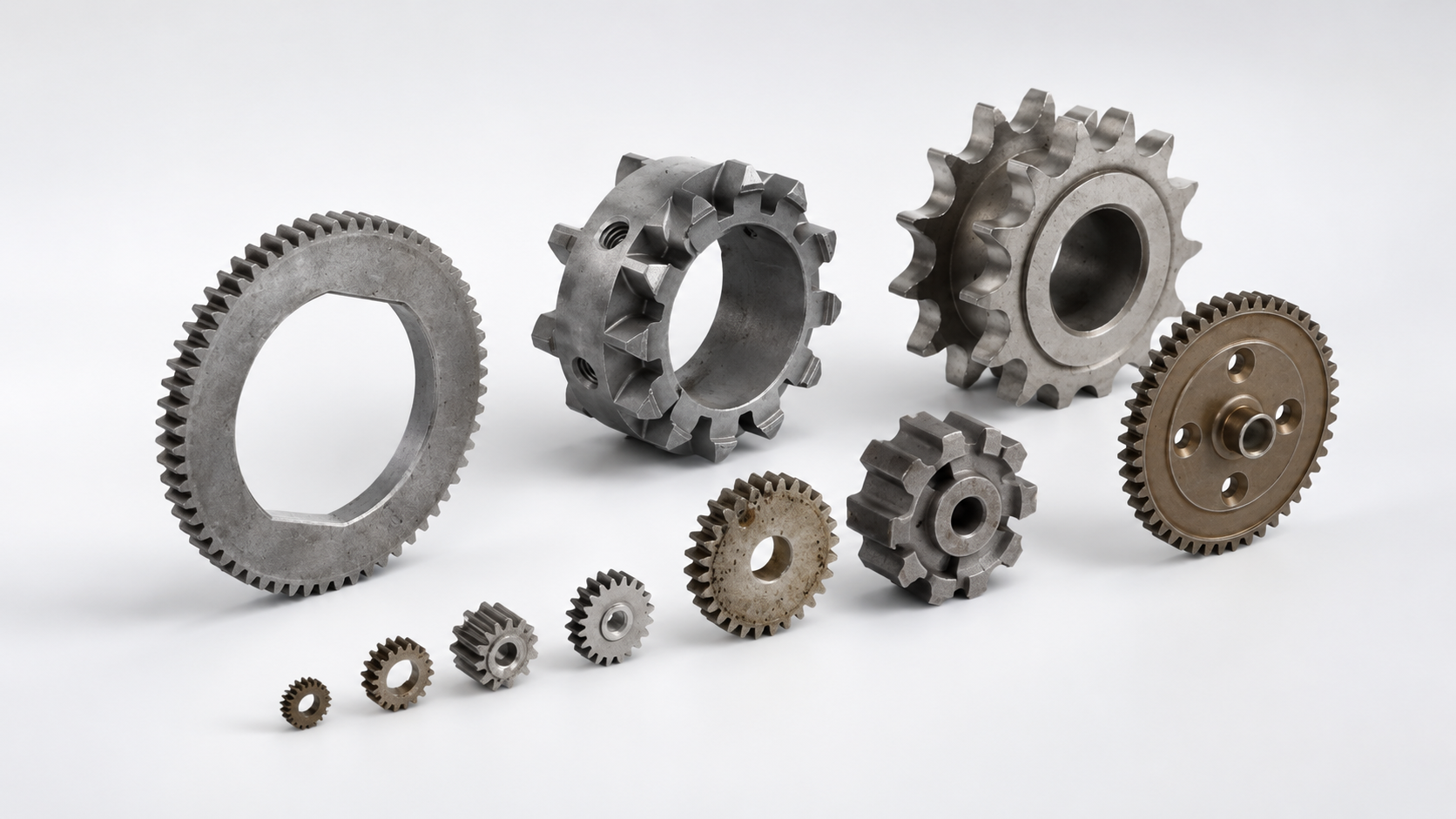
Sintered Metal Manufacturers for Custom Precision Metal Parts
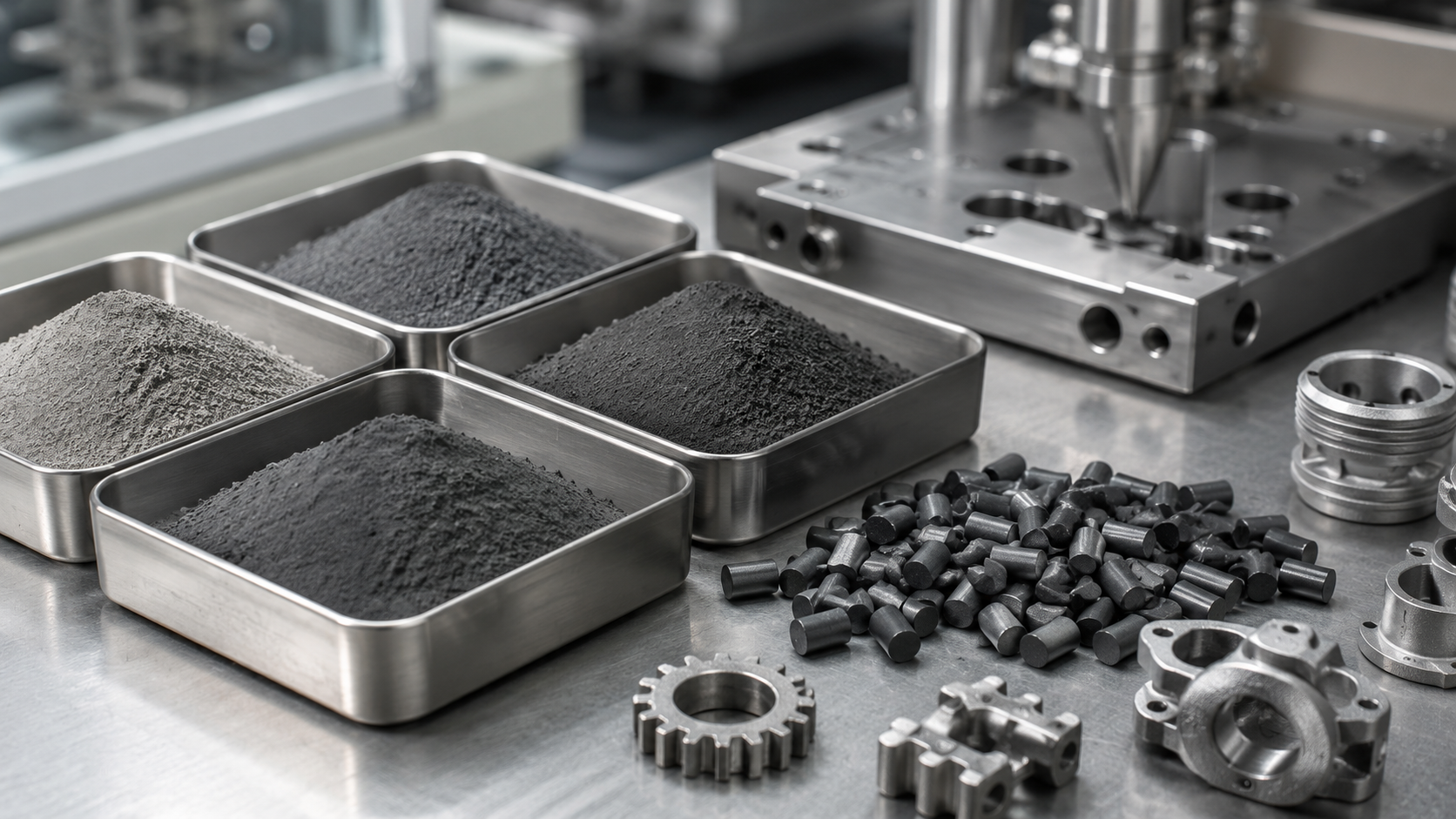
MIM Feedstock Examples for Metal Injection Molding
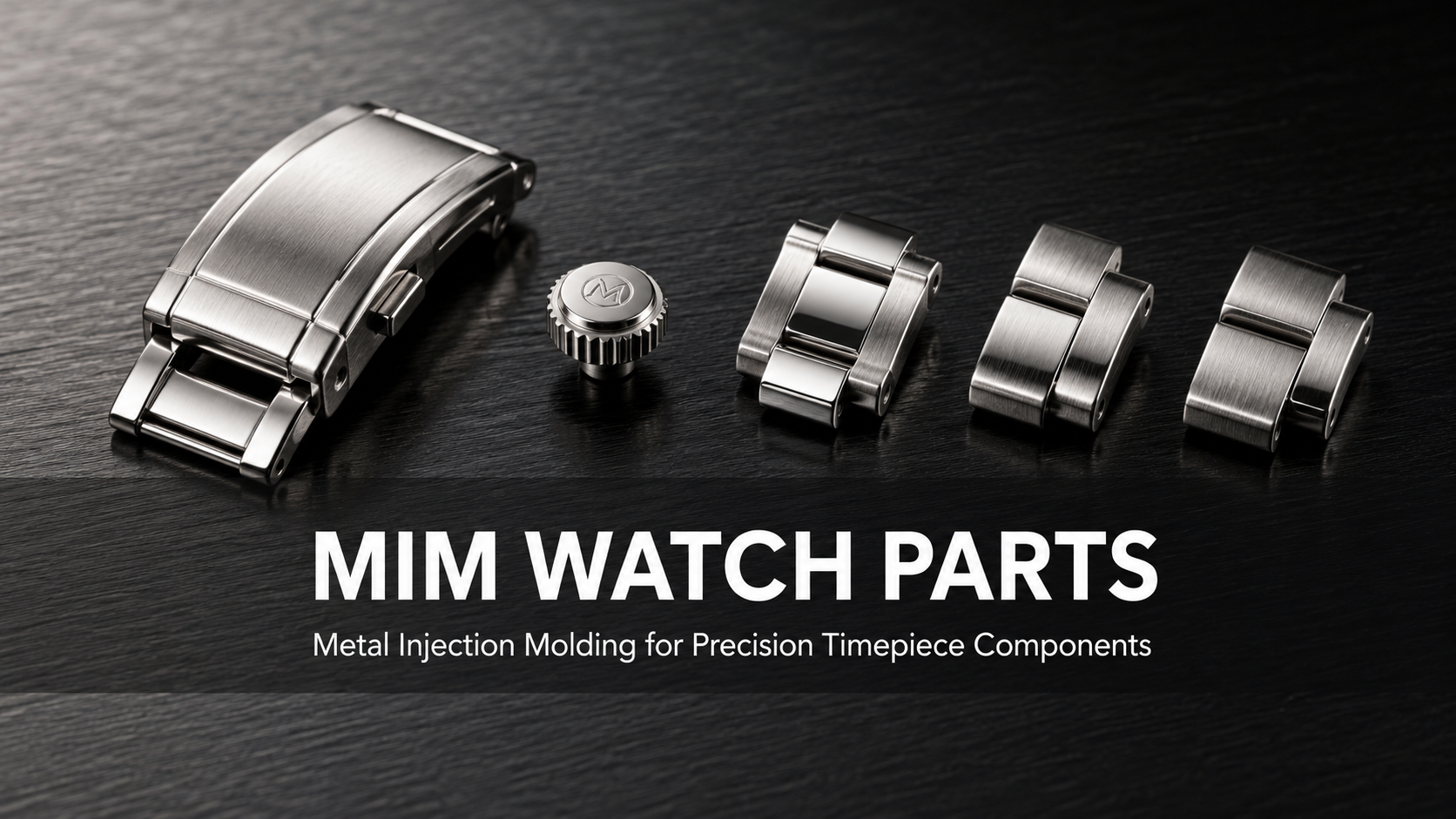
MIM Watch Parts: Metal Injection Molding for Precision Timepiece Components
Metal injection molding is widely used in the watch industry to produce small, complex components such as clasps, crowns, bracelet links, and case parts in high volumes. This article explains which watch parts suit MIM, what materials are used, how MIM compares to CNC machining for watch components, and what surface finishing options are available. A real project case illustrates how a deployment clasp was developed from prototype to volume production. Watch manufacturers and procurement engineers can use this guide to evaluate MIM as a manufacturing route for their next component.
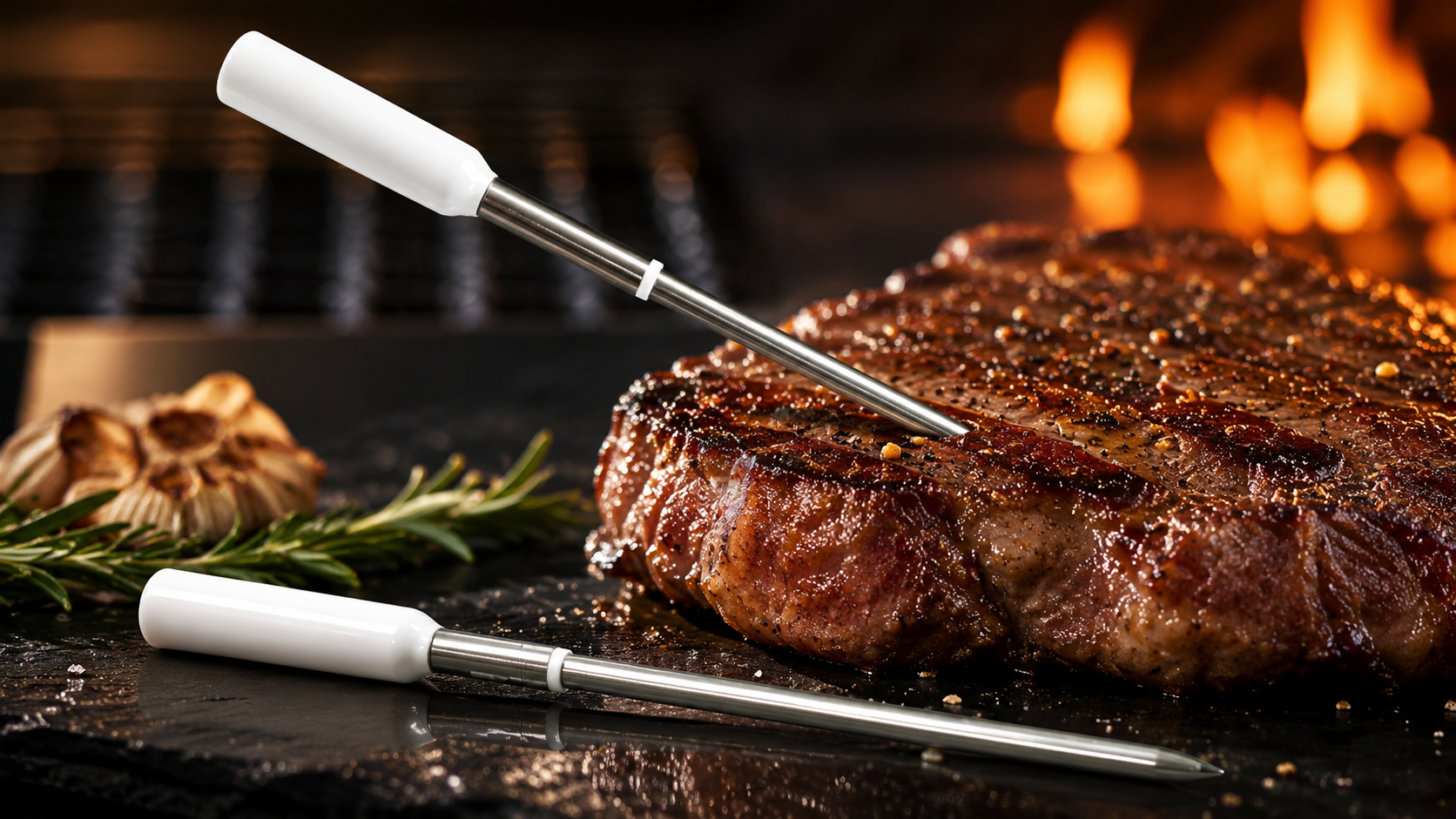
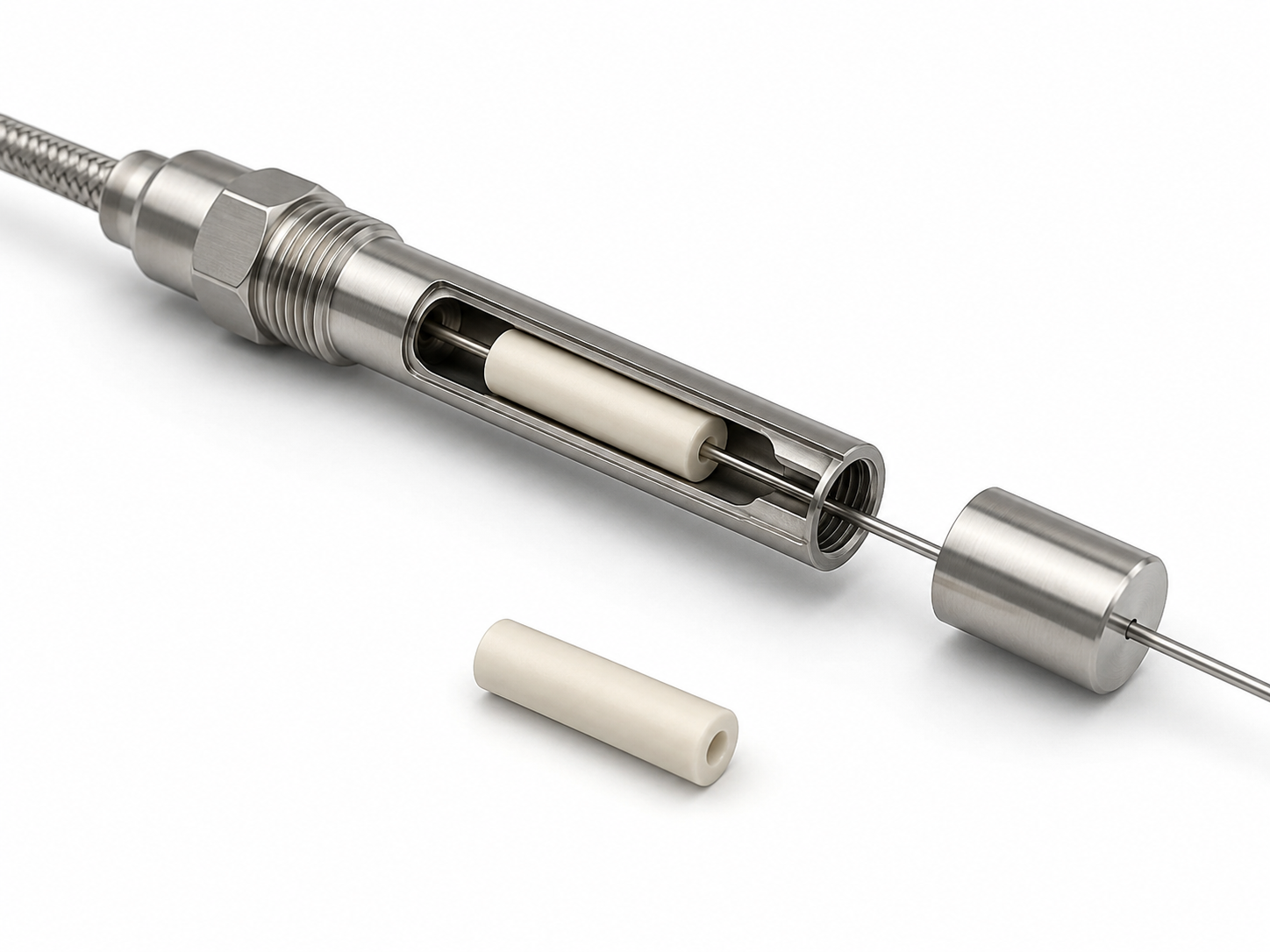
Custom Ceramic Insulation Components For Wireless Meat Thermometer Probes
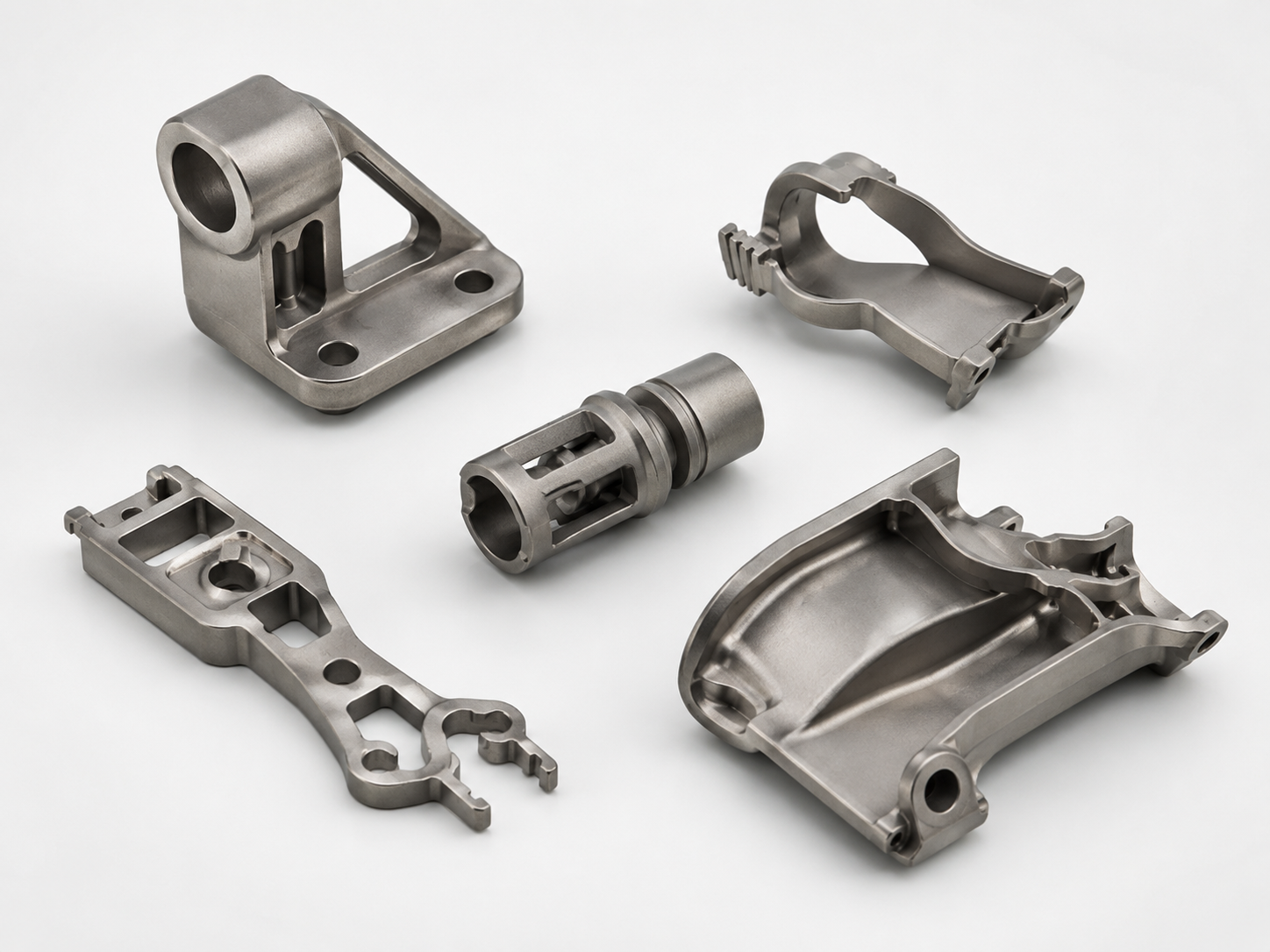
Titanium Metal Injection Molding for Custom Titanium MIM Parts
Custom Ceramic Parts for Precision, Heat-Resistant and Wear-Resistant Applications