

Knowledge
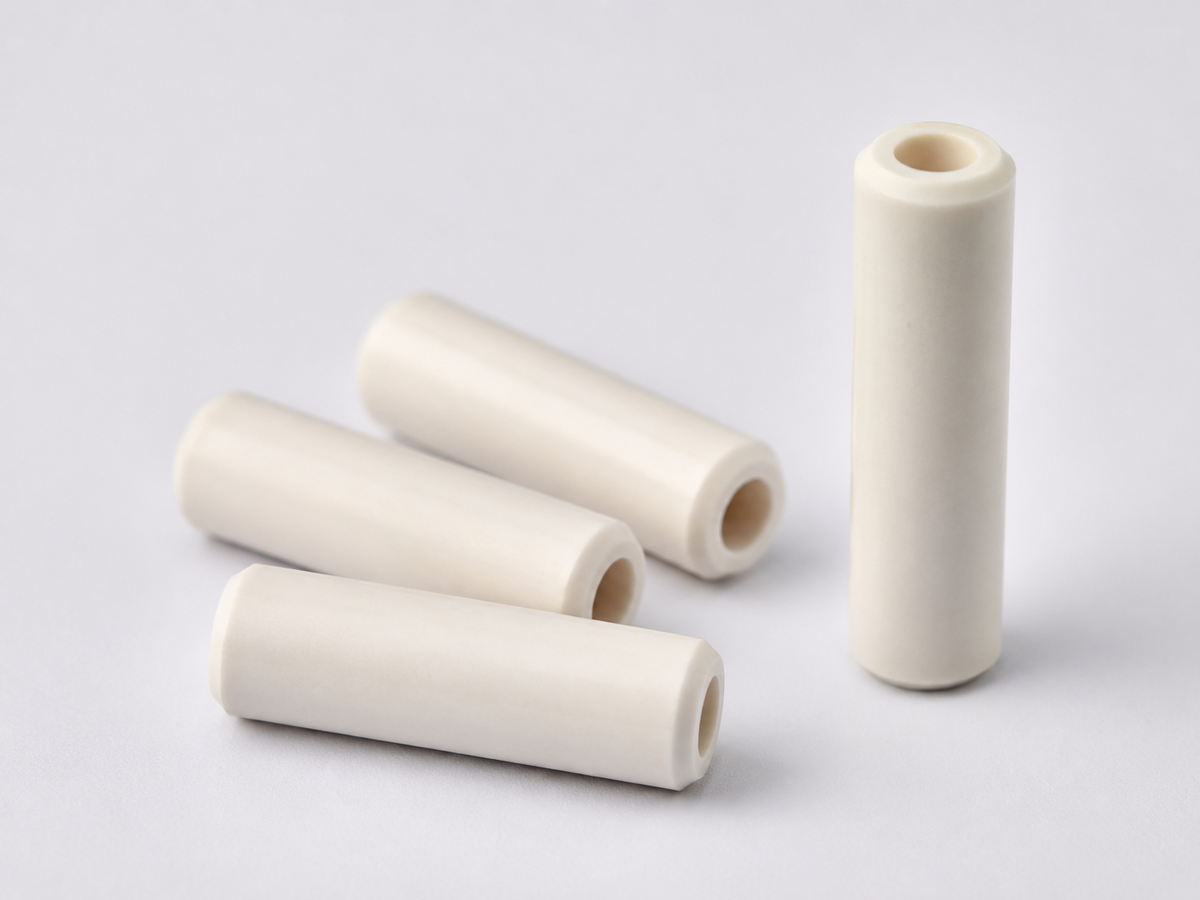
Custom Ceramic Insulator Manufacturers for Industrial Applications
Electrical insulation becomes more challenging when components must operate under high temperatures, mechanical loads, or demanding industrial conditions. Conventional plastic insulators may soften, deform, or lose performance, while metallic components cannot provide electrical isolation. This is why many equipment manufacturers...
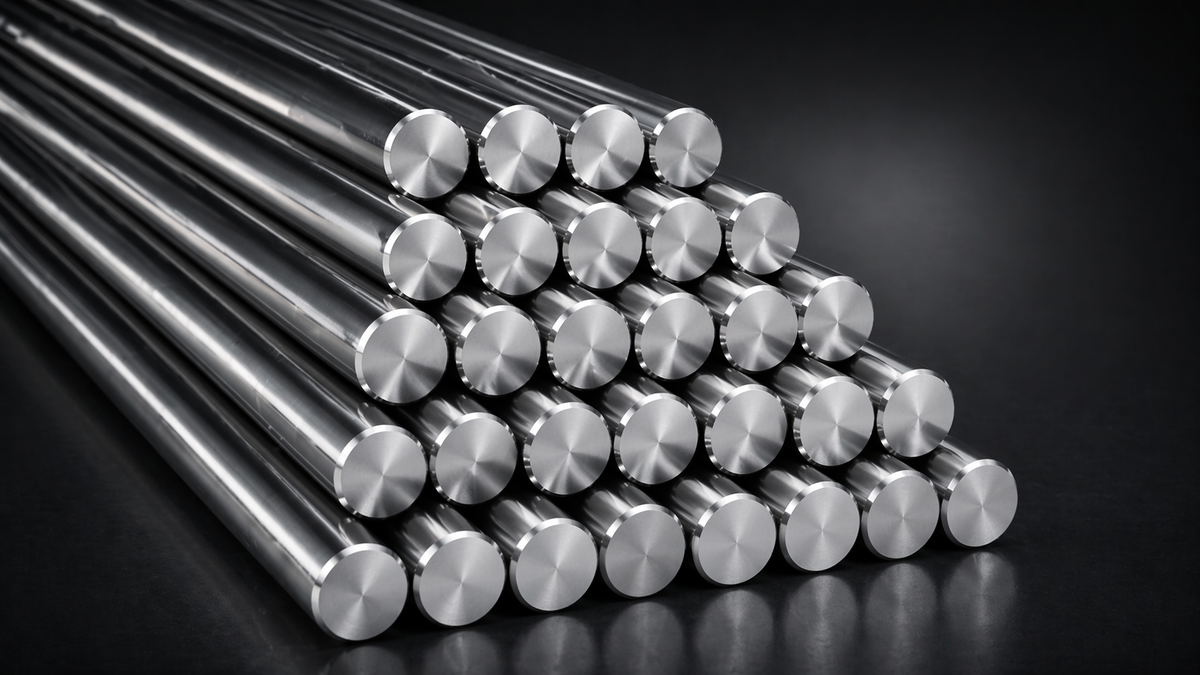
MIM Molding | Custom Metal Injection Molding Services
What Is MIM Molding? MIM molding (Metal Injection Molding molding) is an advanced manufacturing process that combines plastic injection molding technology with powder metallurgy to produce complex metal components with high precision and excellent mechanical properties. Unlike traditional CNC machining,...
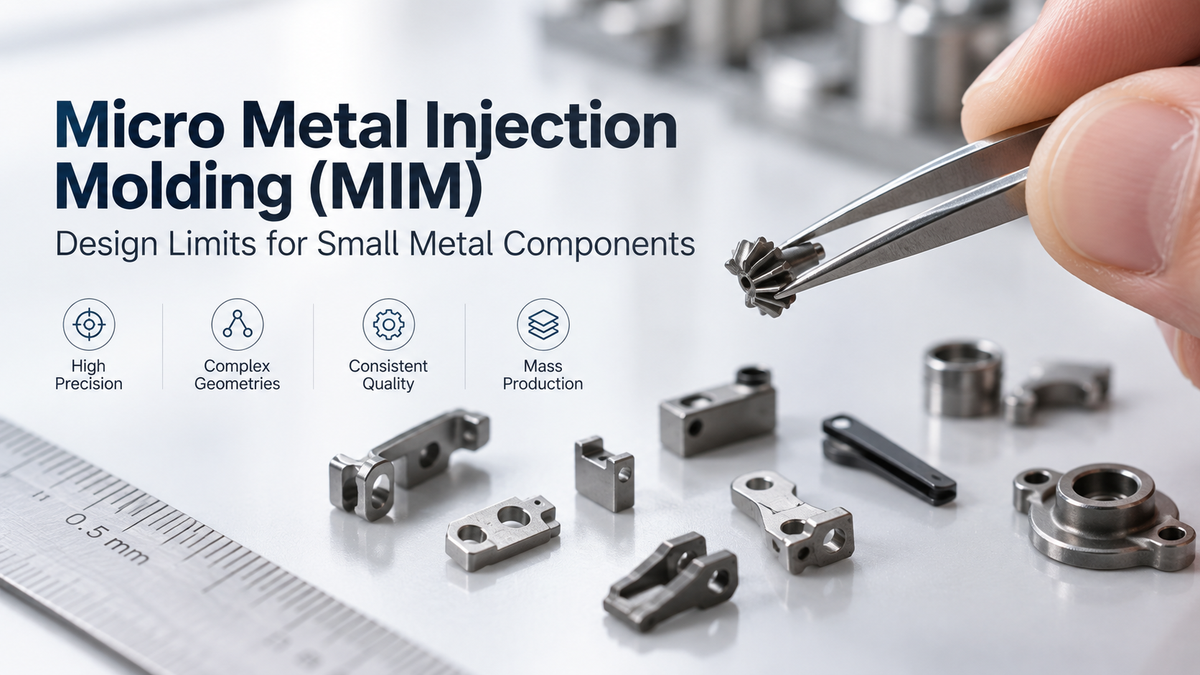
Micro Metal Injection Molding (MIM) Design Limits for Small Metal Components
Metal injection molding(MIM) is well suited for producing small metal parts with complex geometry, especially when conventional manufacturing methods become inefficient or difficult to scale. For very small components, however, the challenge is not simply making the part smaller. As...
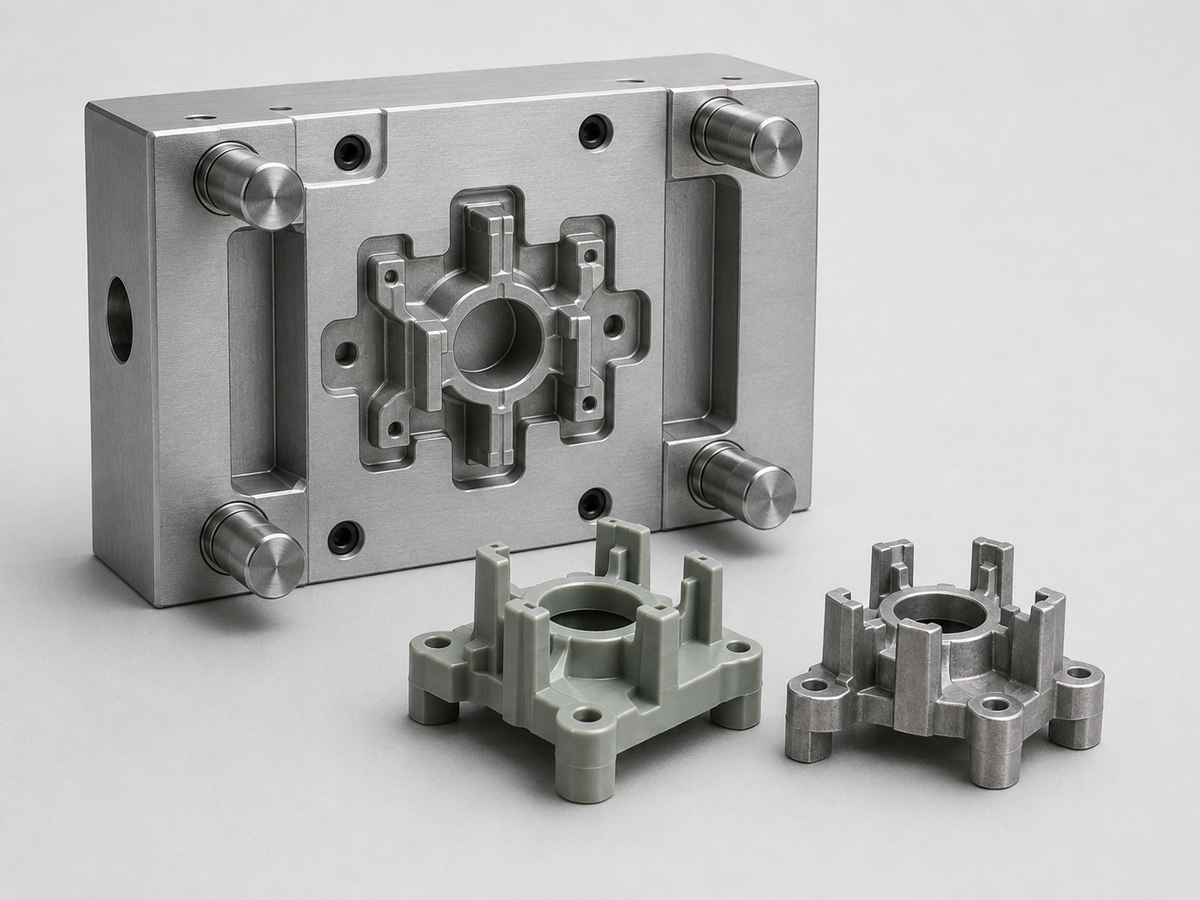
Metal Powder Pressing for High-Precision Metal Components
Metal powder pressing is a cost-effective manufacturing process for producing metal parts with stable dimensions, complex shapes, and high repeatability. Unlike traditional machining, which removes material from a solid block, metal powder pressing forms components by compacting metal powder inside...
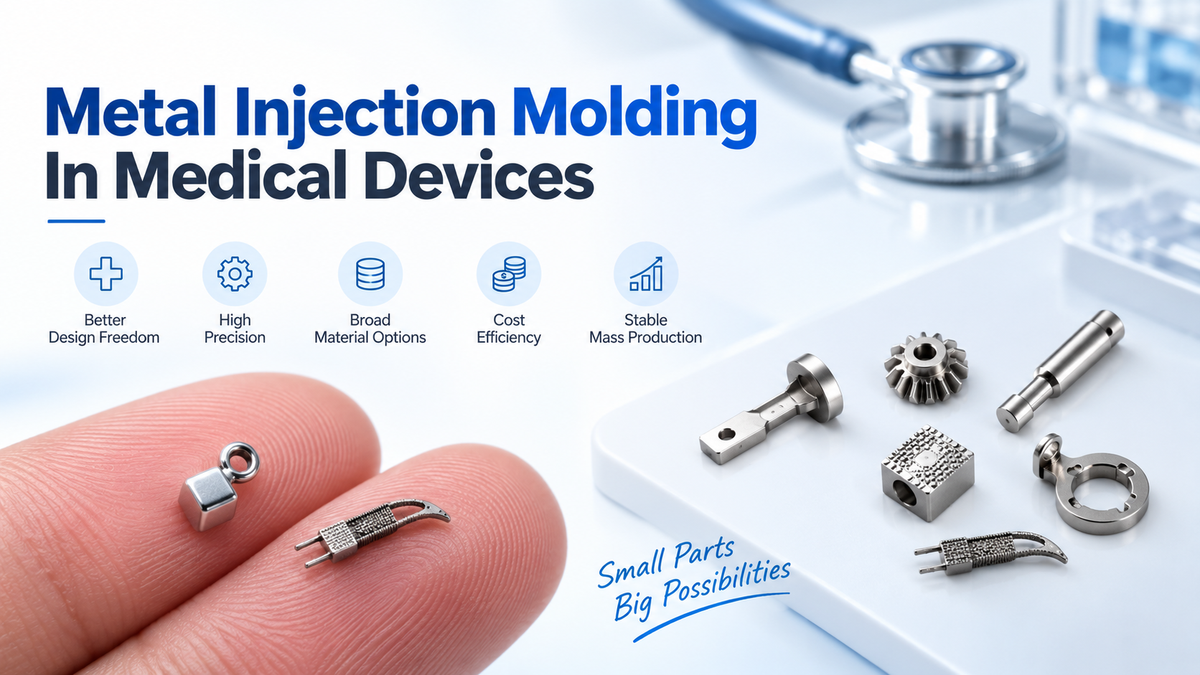
When a medical device gets smaller, the parts inside it usually become harder to make. A surgical instrument may need a tiny moving component, a complex jaw, or a small locking mechanism that still has to work reliably after repeated...
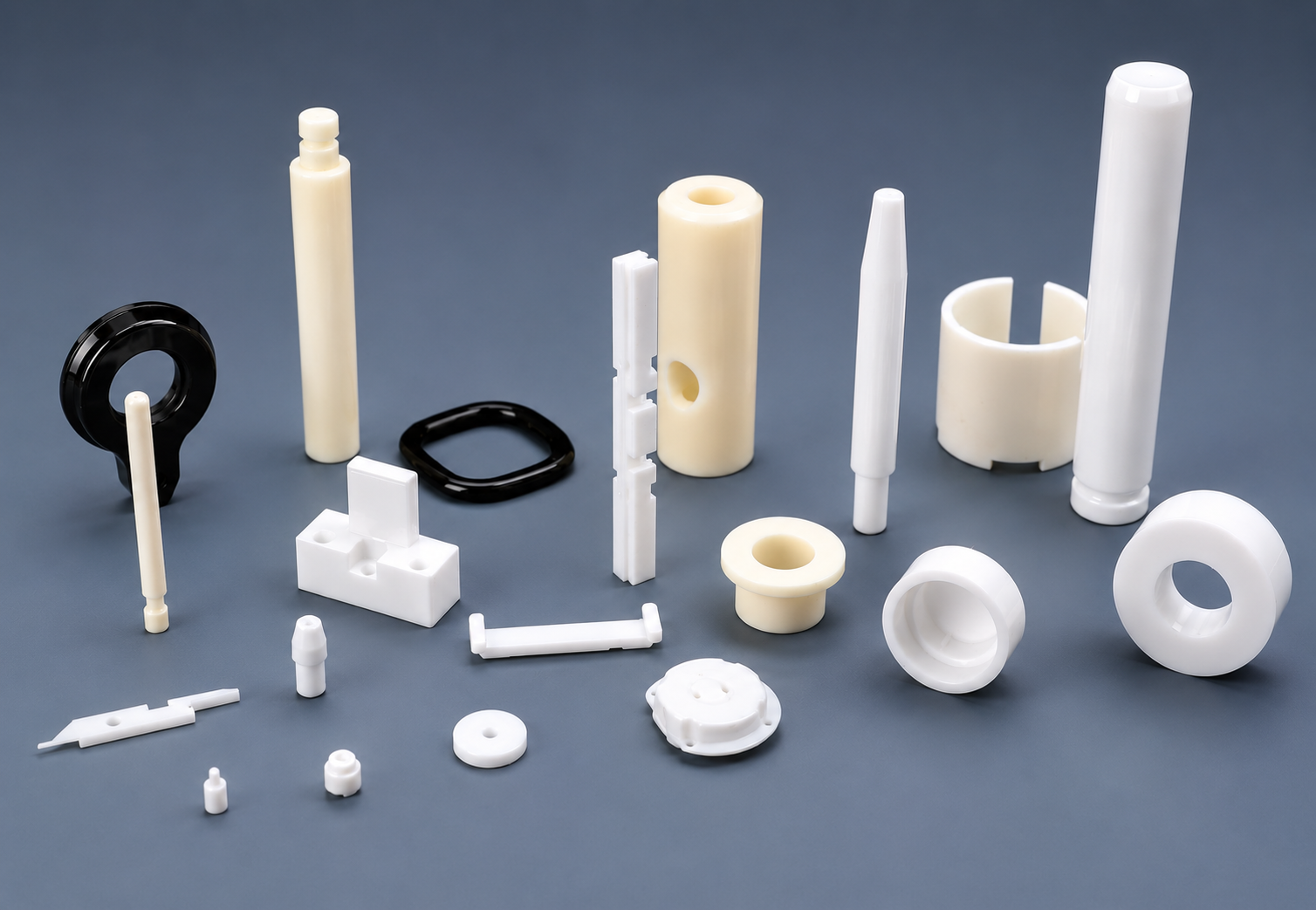
Ceramic Injection Molding (CIM) for Advanced Ceramic Manufacturing
What is Ceramic Injection Moulding (CIM)? Ceramic Injection Moulding (CIM) is a powder metallurgy-based manufacturing process that uses fine ceramic powders mixed with a polymer binder system to produce complex ceramic components through injection molding. The process is similar to...
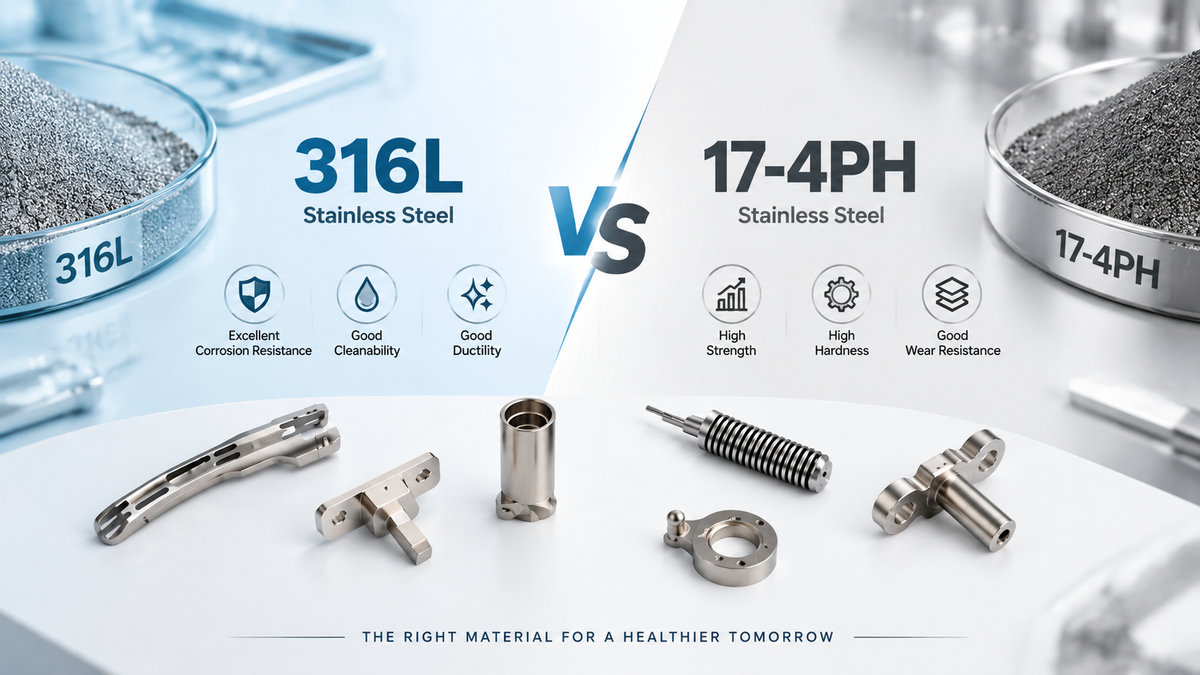
316L Vs 17-4PH for Medical Metal Injection Molding (MIM) Parts
316L and 17-4PH are commonly used stainless steel grades for medical parts. Both work well with metal injection molding. Both are widely used for small, complex stainless steel components. But they are not interchangeable. In a real medical device, a...
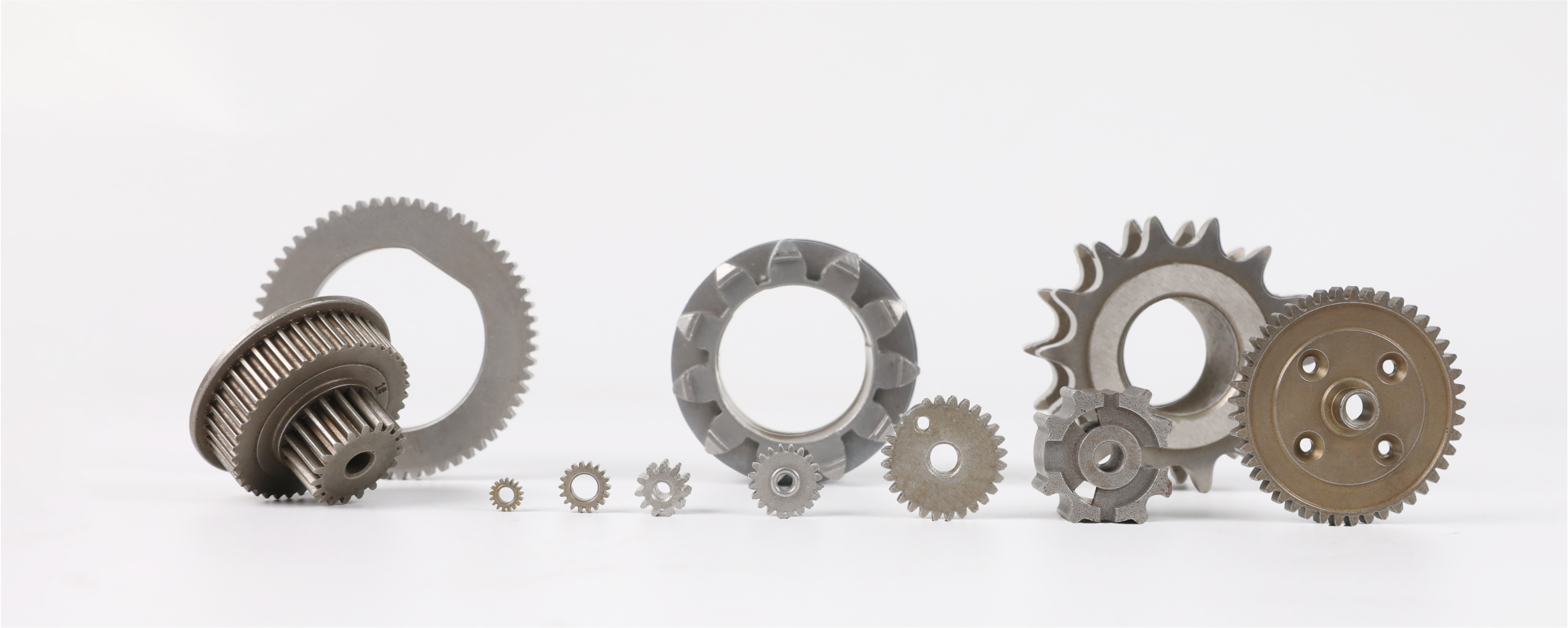
In my extensive research, I have meticulously compiled a list of the top 10 powder metal suppliers. This list is based on thorough analysis of Google search results, industry reports, and customer reviews. These companies are recognized for their exceptional...
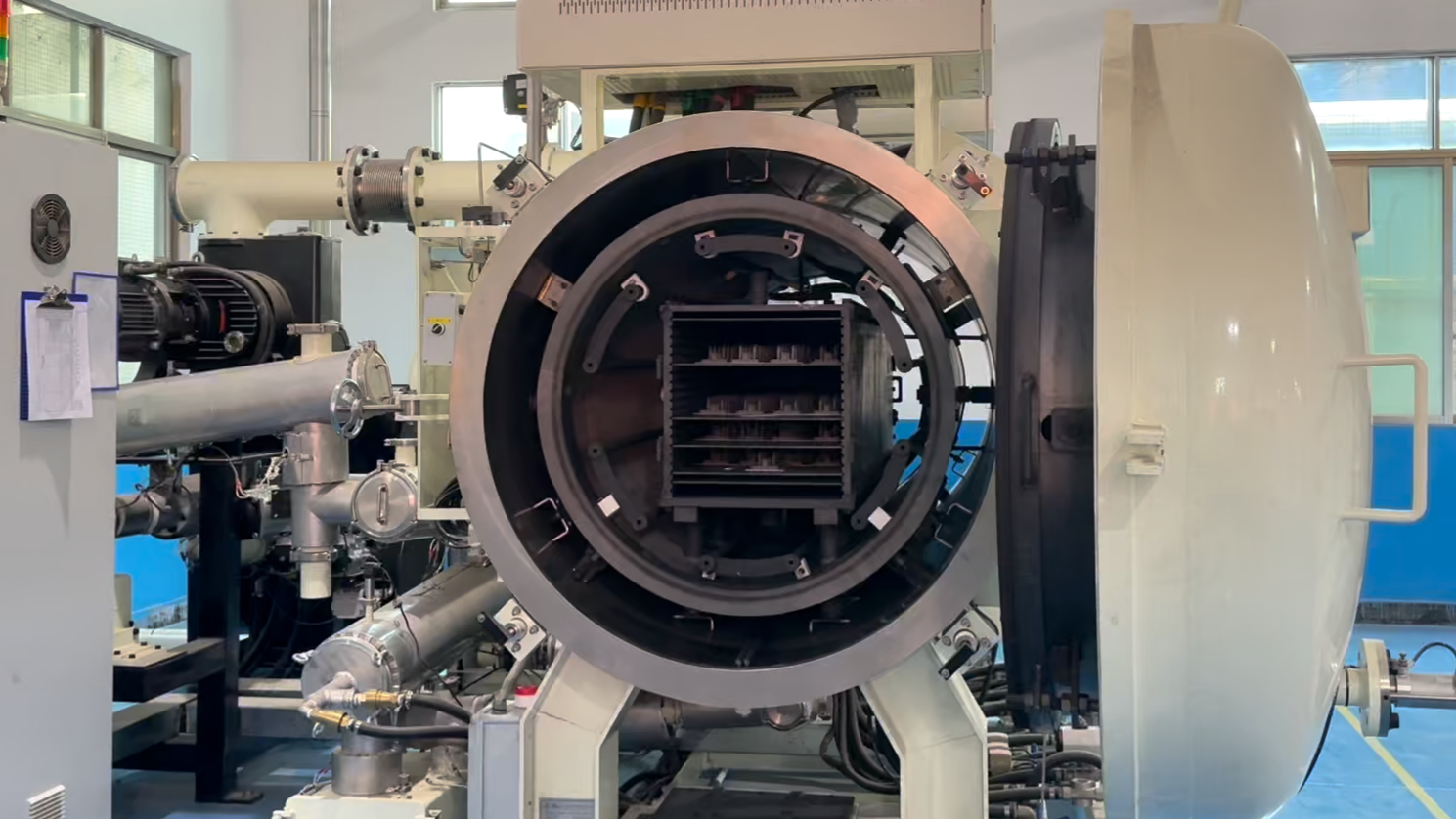
Dental Sintering Furnace for Reliable Zirconia Sintering
Zirconia usually requires high-temperature sintering, typically around 1,400°C–1,600°C depending on the material. During sintering, temperature stability is important because uneven heating may affect: Final dimensions Strength Color consistency Restoration quality A well-designed dental sintering furnace provides: Accurate temperature control Uniform...