

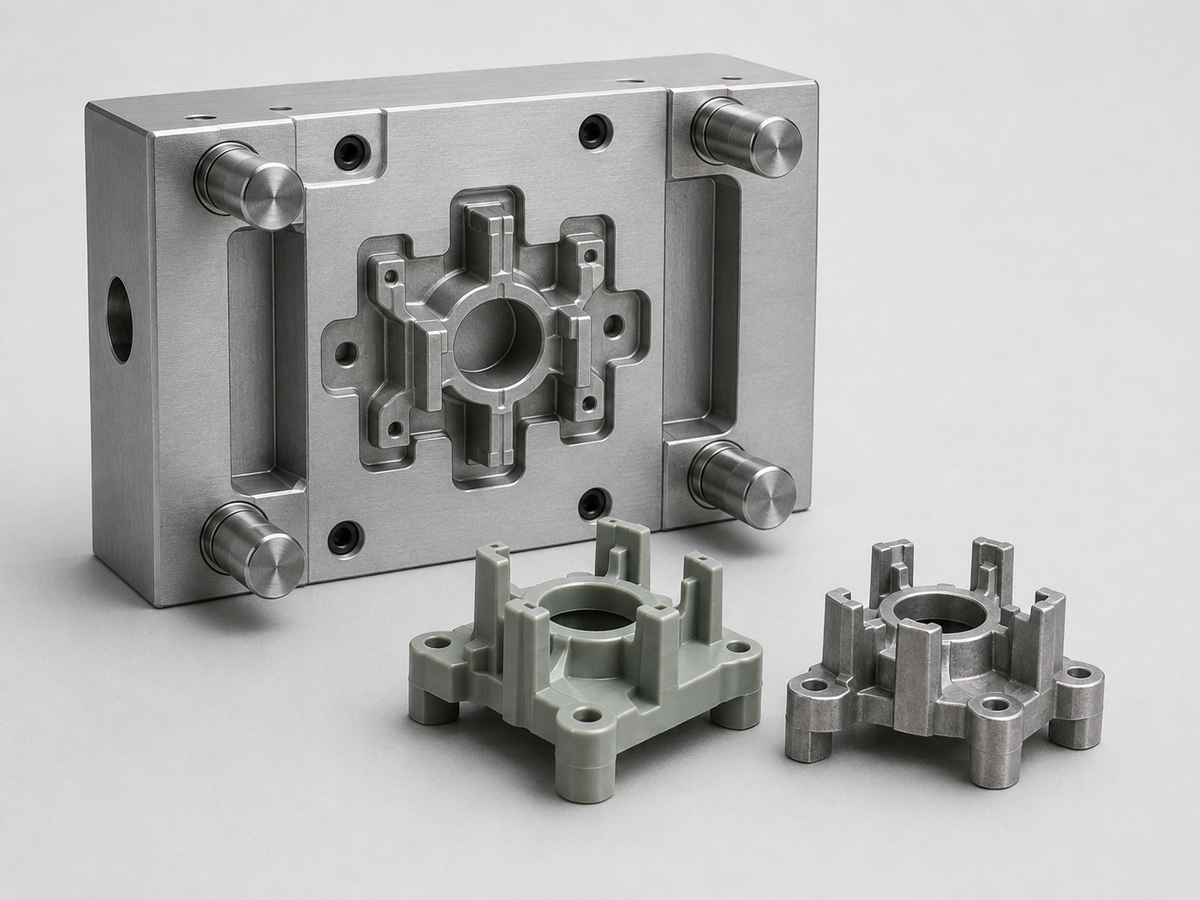
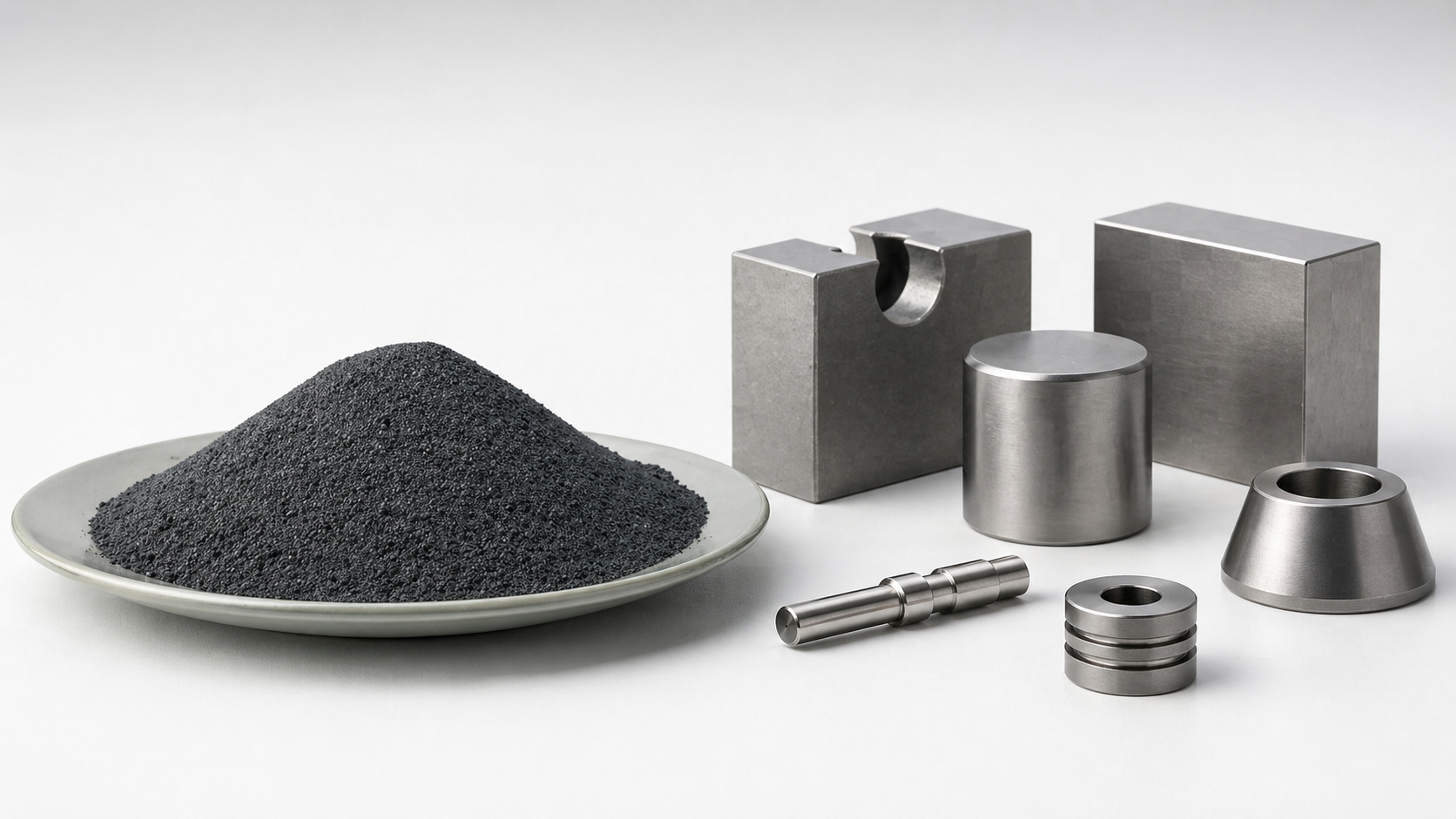
Metal powder pressing is a cost-effective manufacturing process for producing metal parts with stable dimensions, complex shapes, and high repeatability.
Unlike traditional machining, which removes material from a solid block, metal powder pressing forms components by compacting metal powder inside a precision mold and then sintering the compacted part at high temperatures.
For high-volume production, the biggest advantage of metal powder pressing is reducing machining waste while maintaining consistent part quality.
How Does Metal Powder Pressing Work?
The metal powder pressing process usually includes three main steps:
1. Powder Preparation
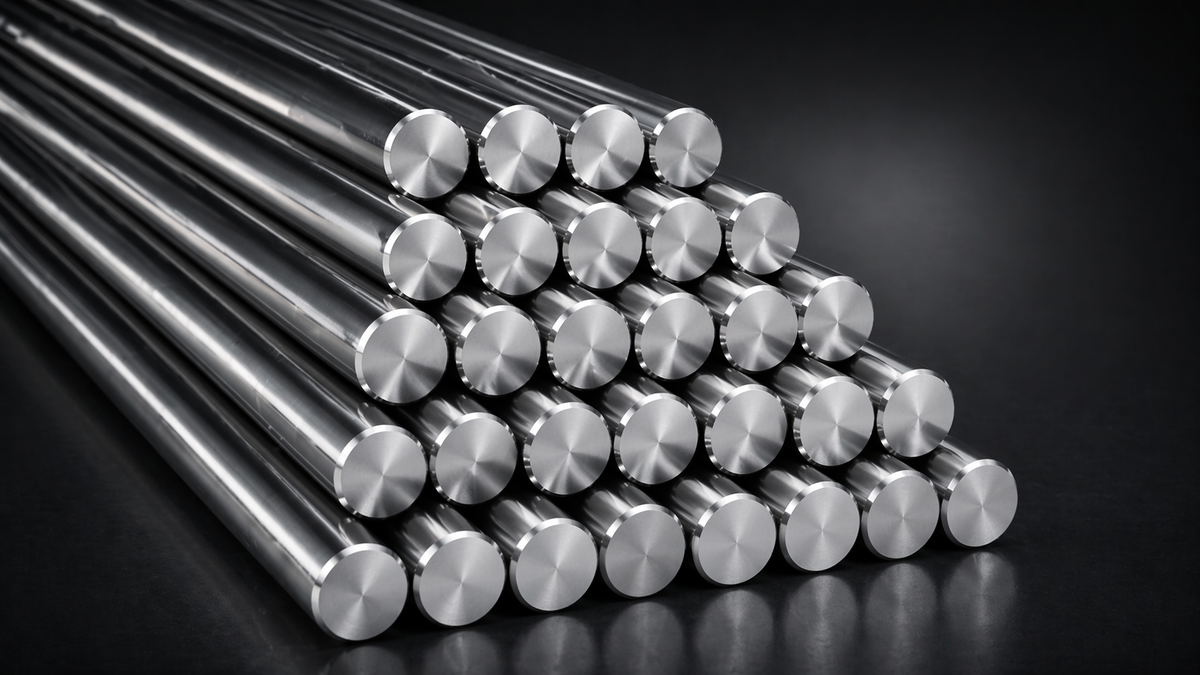
Different metal powders are selected according to the required mechanical properties and application needs.
Common materials include:
- Stainless steel (304, 316L, 17-4PH)
- Iron-based alloys
- Copper alloys
- Nickel alloys
- Tool steel powders
The powder characteristics, including particle size and composition, directly affect the final density, strength, and surface quality.

2. Compaction
The prepared powder is placed into a precision mold and compressed under high pressure.
During this stage, the powder particles are bonded together to form a "green part".
The pressing pressure, powder filling method, and mold design are critical factors because uneven density can cause deformation during sintering.
3. Sintering
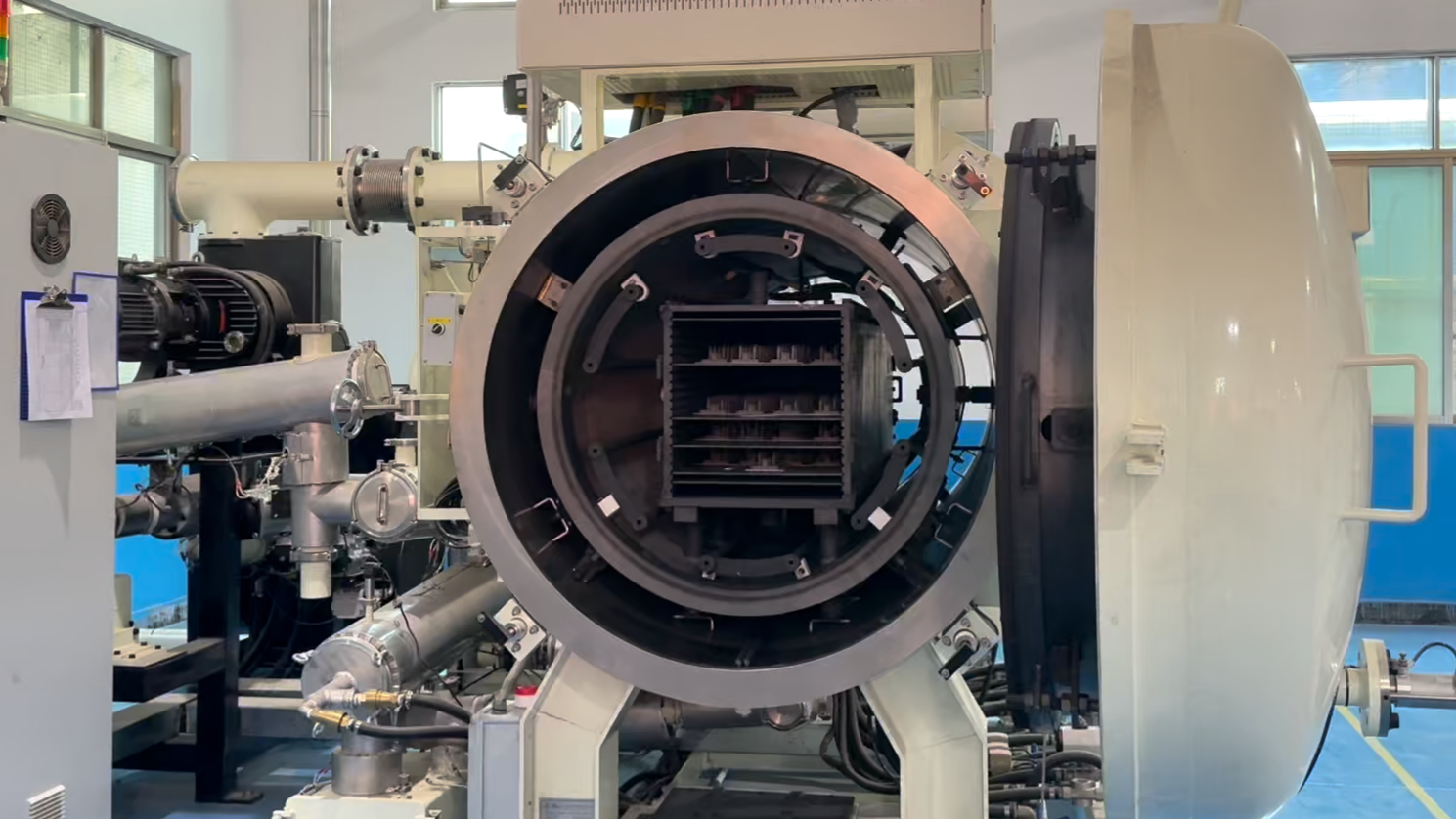
The green parts are heated in a controlled atmosphere furnace.
During sintering, the metal particles diffuse and bond together, improving mechanical strength and dimensional stability.
After sintering, additional processes such as machining, heat treatment, surface treatment, or inspection can be applied depending on the application requirements.
Why Choose Metal Powder Pressing Instead of Machining?
For certain components, traditional CNC machining may create unnecessary material waste and increase production costs.
Metal powder pressing provides several advantages:
| Feature | Benefit |
|---|---|
| High material utilization | Less waste compared with machining from solid blocks |
| Stable repeatability | Suitable for large production volumes |
| Complex geometries | Allows near-net-shape production |
| Lower unit cost | More economical for thousands or millions of parts |
However, metal powder pressing is not suitable for every design. Parts with extremely tight tolerances, large sizes, or very high-density requirements may require additional machining or alternative manufacturing processes.

Key Factors Affecting Metal Powder Pressing Quality
Many production issues are related to design and process control rather than the pressing process itself.
Powder Material Selection
Different materials provide different combinations of strength, corrosion resistance, hardness, and wear performance.
For example:
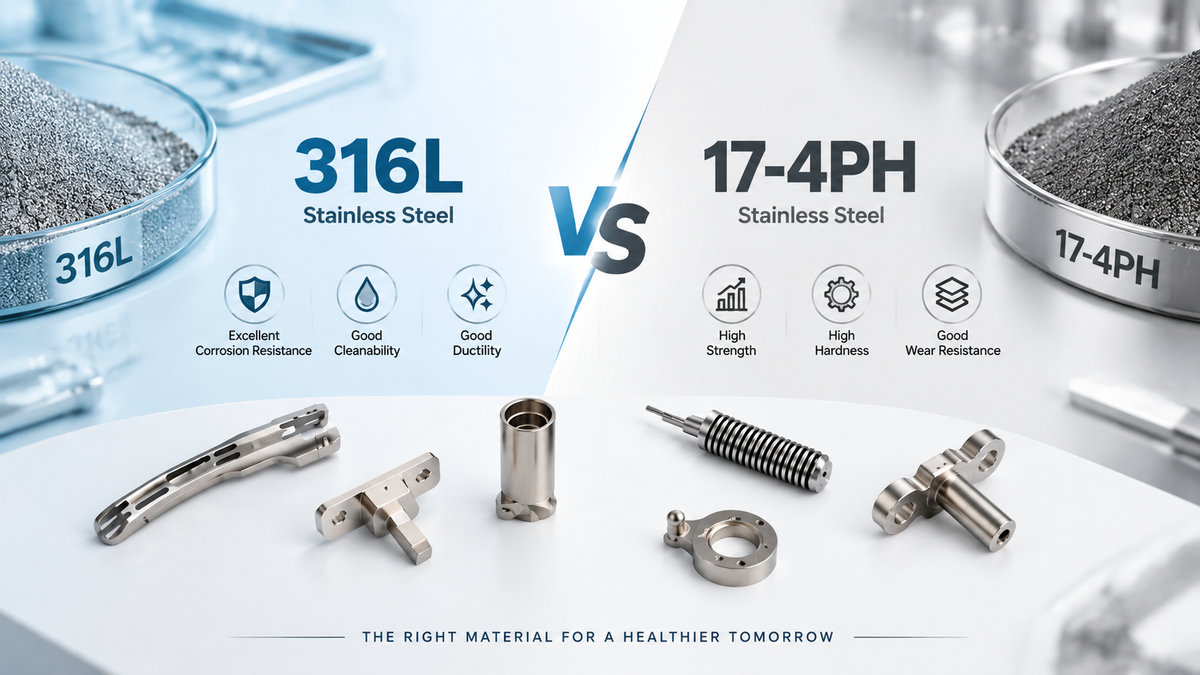
- 316L stainless steel is commonly selected for corrosion-resistant applications.
- 17-4PH stainless steel is used when higher strength is required.
- Tool steel powders are suitable for wear-resistant components.
Mold Design
The pressing mold directly affects dimensional accuracy and density distribution.
A poor mold design can cause:
- Uneven shrinkage
- Cracking during sintering
- Dimensional variation
Therefore, DFM analysis before tooling is important for stable mass production.
Post-Processing Requirements
Many precision powder metal parts require secondary operations after sintering.
Typical processes include:
- CNC machining for critical dimensions
- Grinding for tighter tolerances
- Heat treatment for mechanical performance
- Surface finishing for appearance or corrosion resistance

Metal Powder Pressing Applications
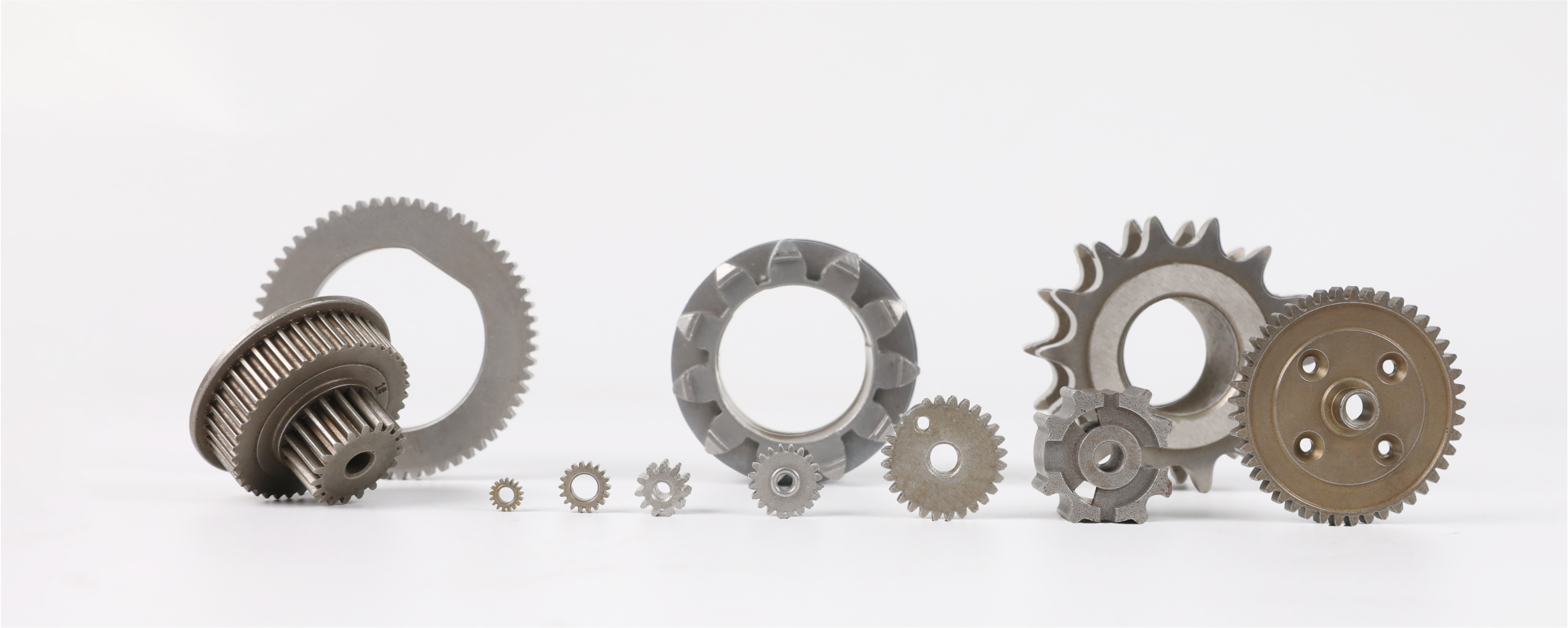
Metal powder pressing is widely used for precision components in industries such as:
- Medical devices
- Automotive systems
- Industrial equipment
- Robotics
- Consumer electronics
- Power tools
Typical parts include:
- Structural components
- Gears
- Bushings
- Brackets
- Precision mechanical parts
Metal Powder Pressing vs MIM
Although both processes use metal powders, they are designed for different applications.
Metal powder pressing is generally better suited for:
- Larger production quantities
- Simpler geometries
- Higher material loading
- Lower cost production
Metal Injection Molding (MIM) is more suitable for:
- Very small complex parts
- Thin walls
- Detailed features
Choosing the correct process depends on part size, geometry, tolerance requirements, material properties, and annual volume.

XY-GLOBAL Metal Powder Pressing Capability
At XY-GLOBAL, we support powder metallurgy projects from material selection and process evaluation to mass production.
Our engineering team evaluates each design based on:
- Part structure
- Material requirements
- Dimensional tolerance
- Production volume
- Secondary machining requirements
For components requiring higher precision, we can combine powder pressing with CNC machining, surface treatment, and inspection processes to achieve stable production quality.
Metal powder pressing is not only a forming process. The key to successful production is selecting the right material, controlling density variation, and designing the part according to the manufacturing process.
Share:
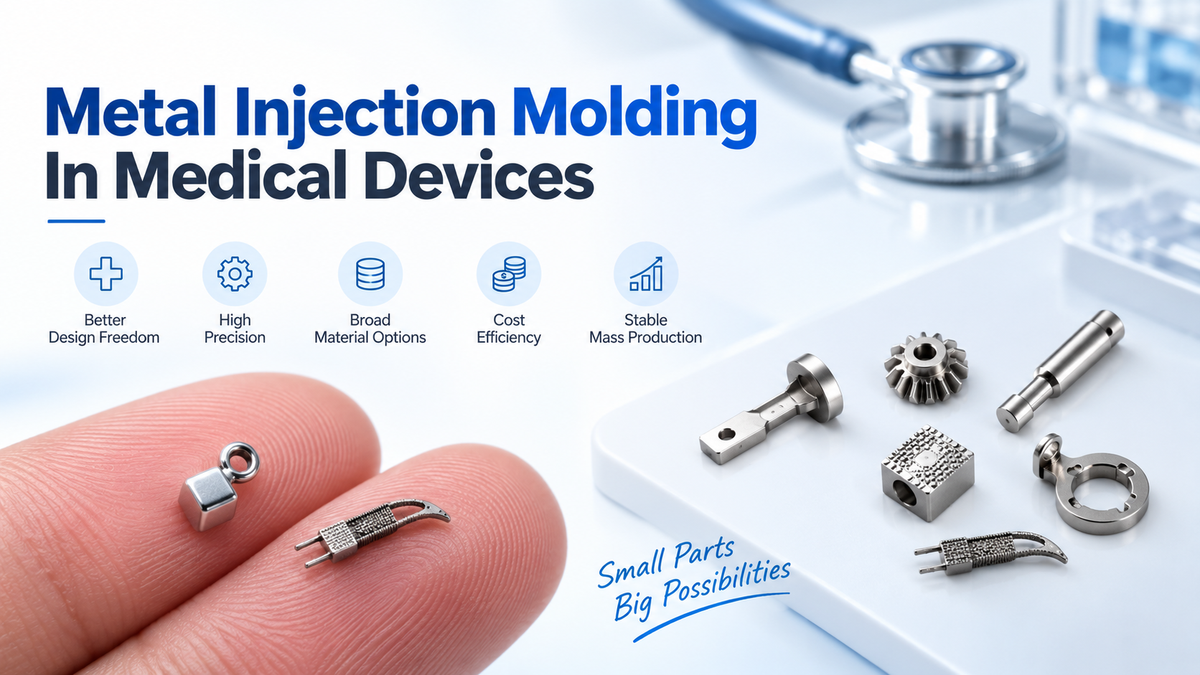
Metal Injection Molding In Medical Devices: Applications, Benefits, Materials And Design Considerations
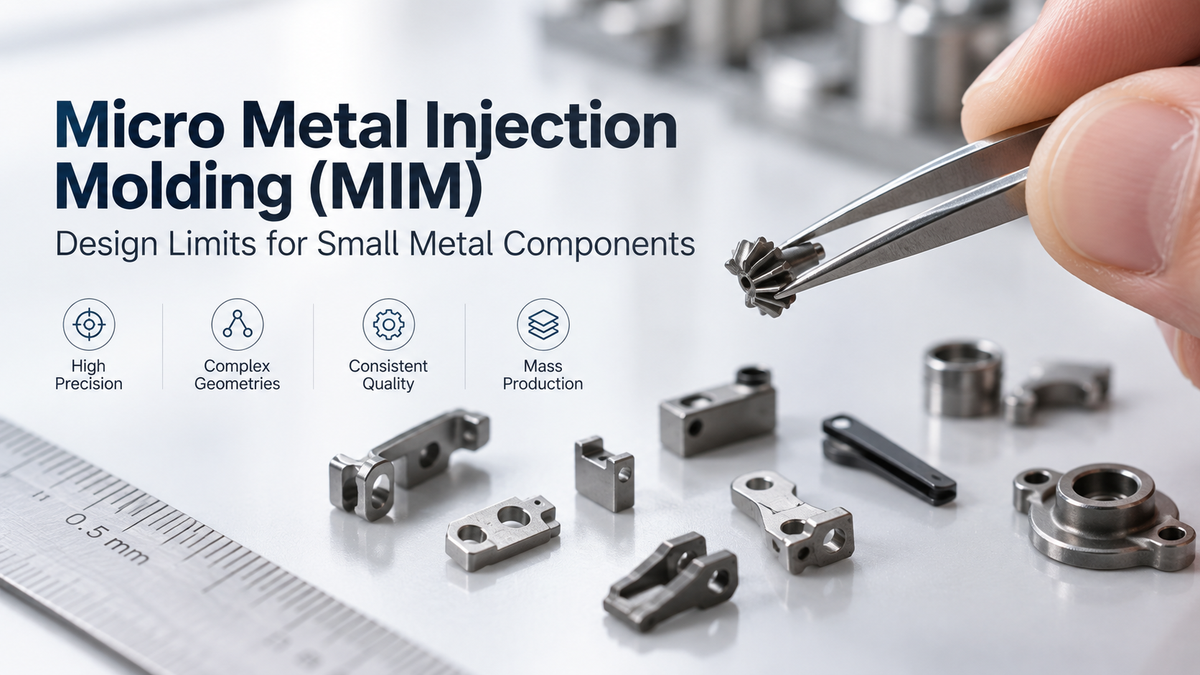
Micro Metal Injection Molding (MIM) Design Limits for Small Metal Components