

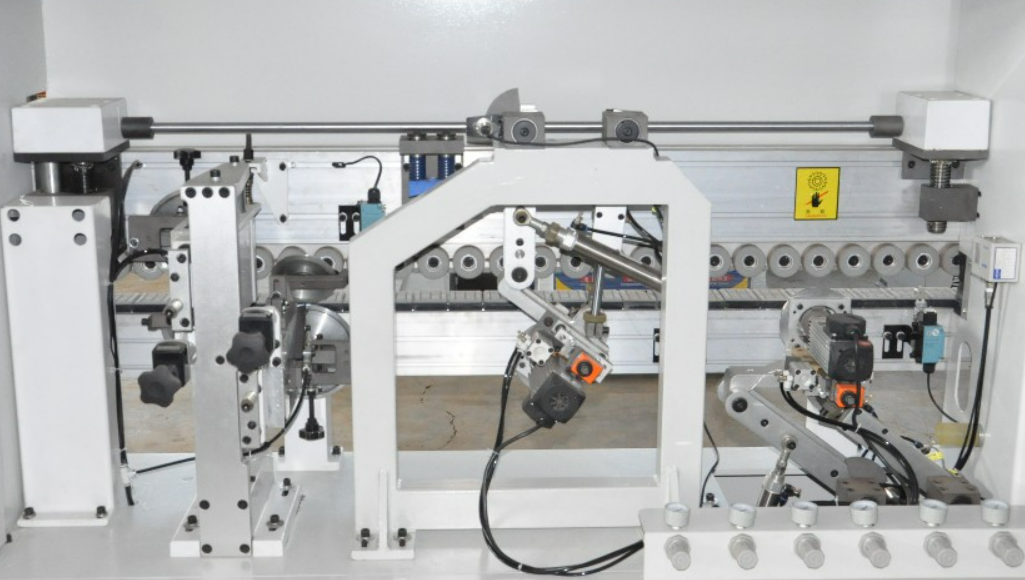
For many years, appliance manufacturers have used powdered metallurgy, plastic molding and precision machining processes in their designs. A comparison reveals several advantages for MIM:
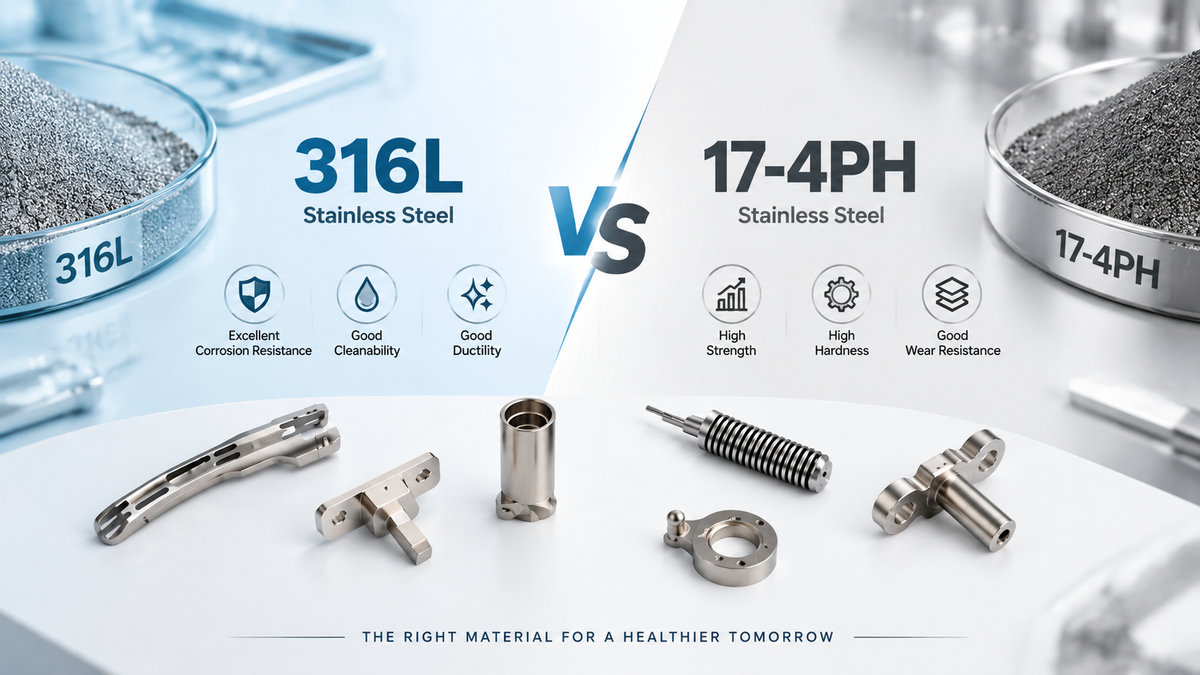
MIM parts provide cosmetic appeal and have the necessary strength required by the application.
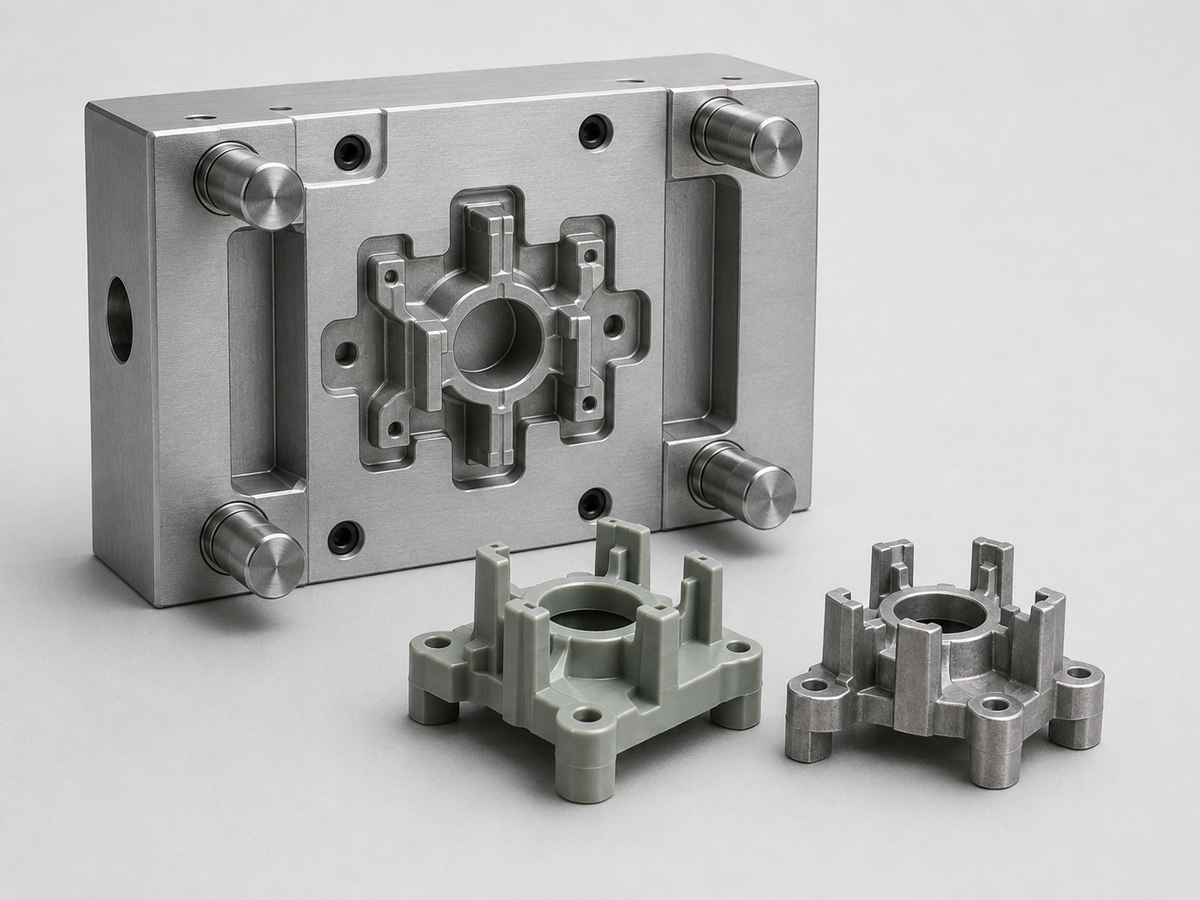
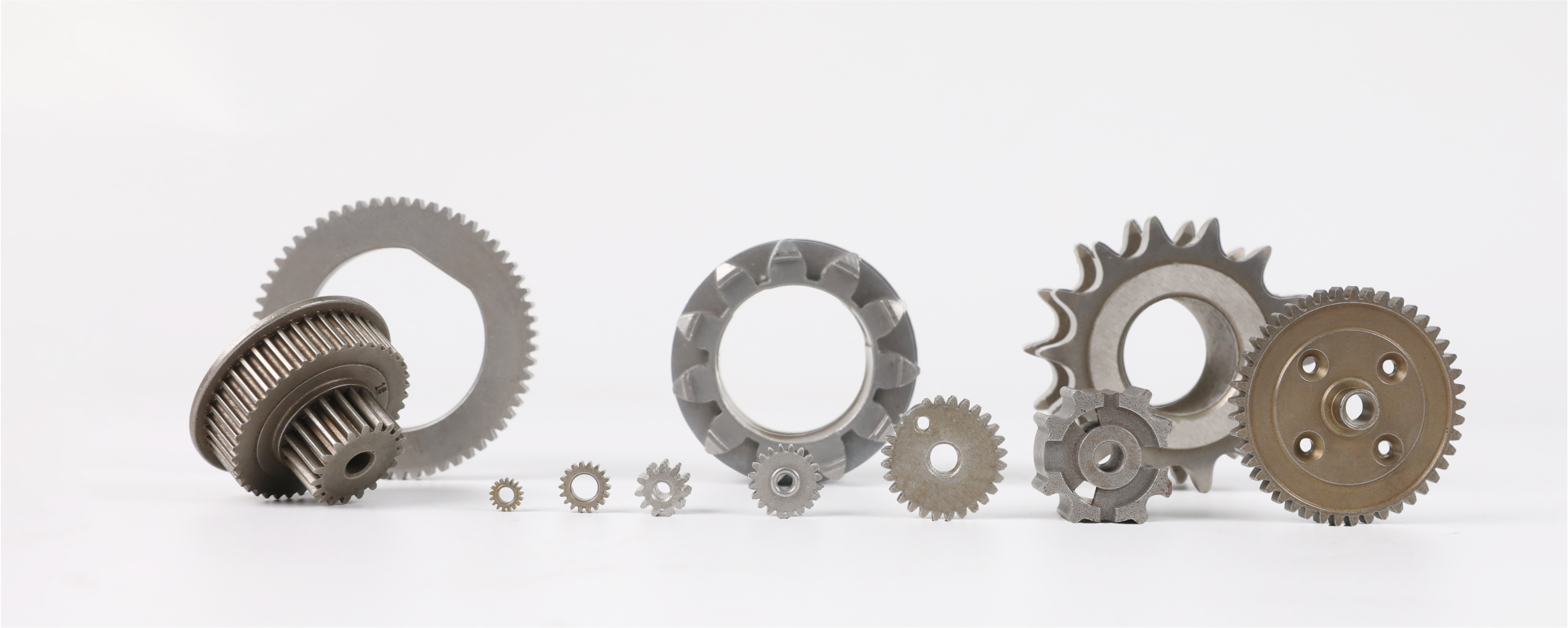
MIM is a superior process to powder metallurgy (PM) because MIM parts have greater metal density and three times the fatigue strength. MIM parts tensile strength is consistent with the metal selected for the process. Also, PM is limited to 2D features while MIM allows complex geometry including undercuts, holes perpendicular to the main axis and precision 3D features.
MIM is often a superior process to precision machining. Each machined feature adds time and cost to the part price. When excess material is left in the part to save time and removal cost, excess weight is retained. In contrast, MIM parts can have many features incorporated into the tooling with excess material cored out, saving manufacturing time, material, part weight and money in the final component cost.
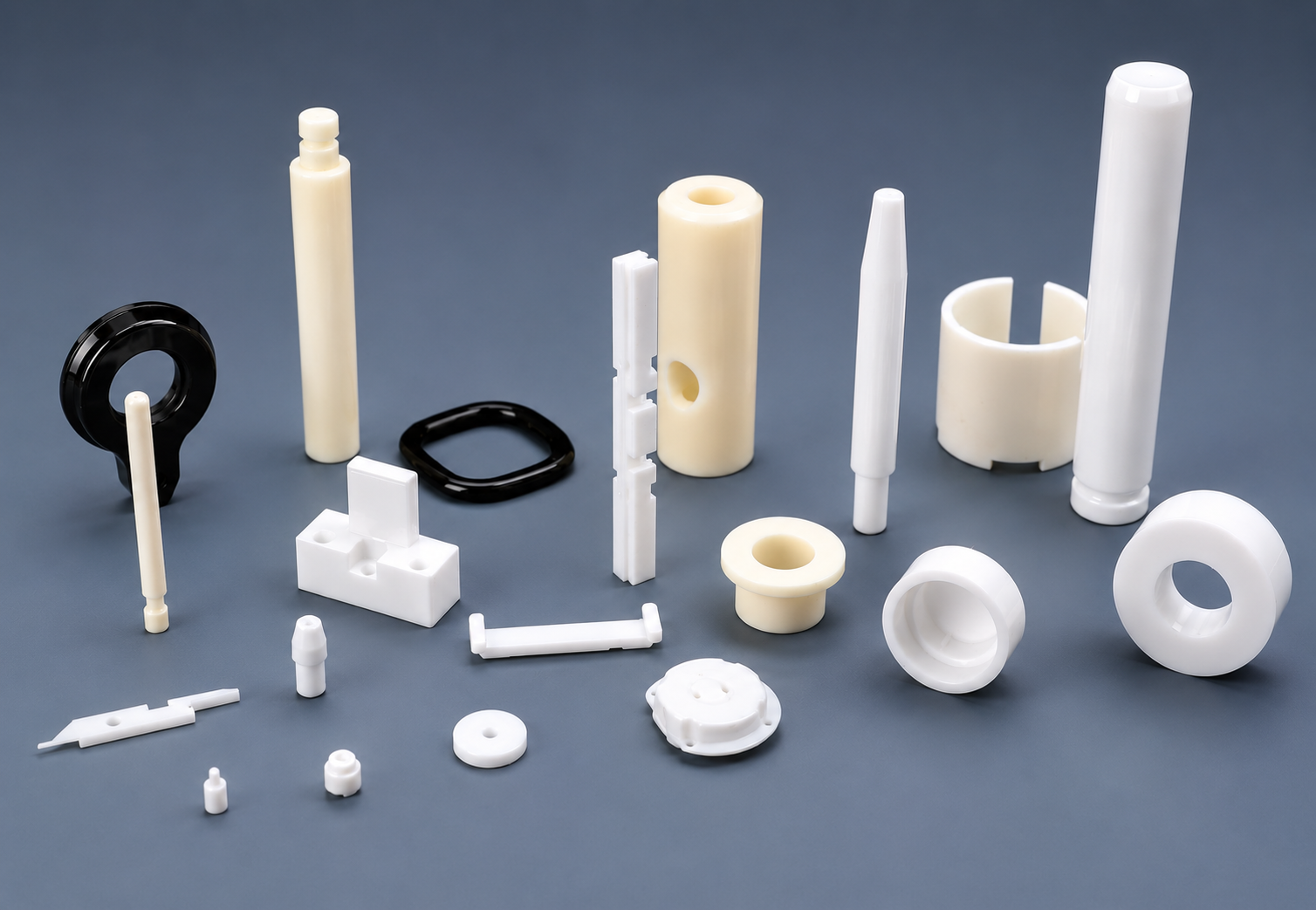
MIM is superior to plastic components because MIM parts are conductive, magnetic, strong, stiff, tough, chemically resistant and can operate at temperatures far over the melting range of most polymers.

Recognizing Good Appliance Part Candidates
MIM should be considered when part production quantities are over 10,000 pieces, are an appropriate size range, have complex shape, require material performance and necessitate reduced cost. MIM almost always has a cost advantage where the shape complexity is outside the range of the other manufacturing processes previously described.
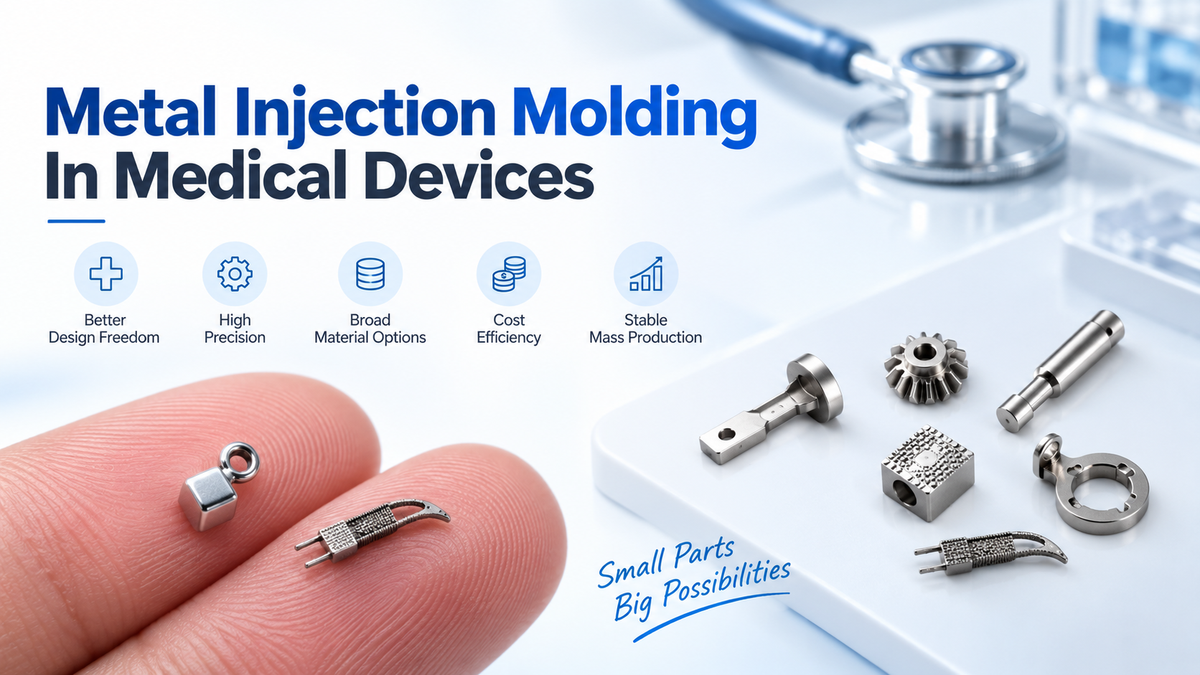
Electronic components can be great MIM candidates with excellent mechanical properties such as micro-switches, connectors, solenoids, heat sinks, optic connectors and distribution frames.
Part size is important because MIM is not a large part process. Parts measuring 3 inches in all directions or smaller and weigh 25 grams or less are the best MIM candidates. Combining multiple parts into a single component (assembly) is often possible with MIM to eliminate screws, adhesive bonding, soldering, welding while reducing both weight and the cost of multiple components. Light-weighing is a long-term appliance design goal. Refrigerators, stoves and dishwashers are large, heavy to assemble, ship and install. The MIM process can help lighten that load.
Shape complexity is an area where MIM is strongest. MIM is often specified for components ranging from 20 specifications (dimensions, locations, surface finish, material density, etc.) on the design drawing to over 250 specifications. Surface finish flexibility is one of MIM’s many specification features attractive to appliance designers. From matte, stainless steel and highly polished surface finishes and color shades, there’s everything cosmetically that a designer could envision that’s possible and practical when specifying MIM.
If you have metal powder metallurgy parts for semiconductor, medical and optical applications, please send us a drawing enquiry for further evaluation.
Share:
How a Medical Device Supply Chain Works
Metal Injection Molding, Steering the Automotive Industry