

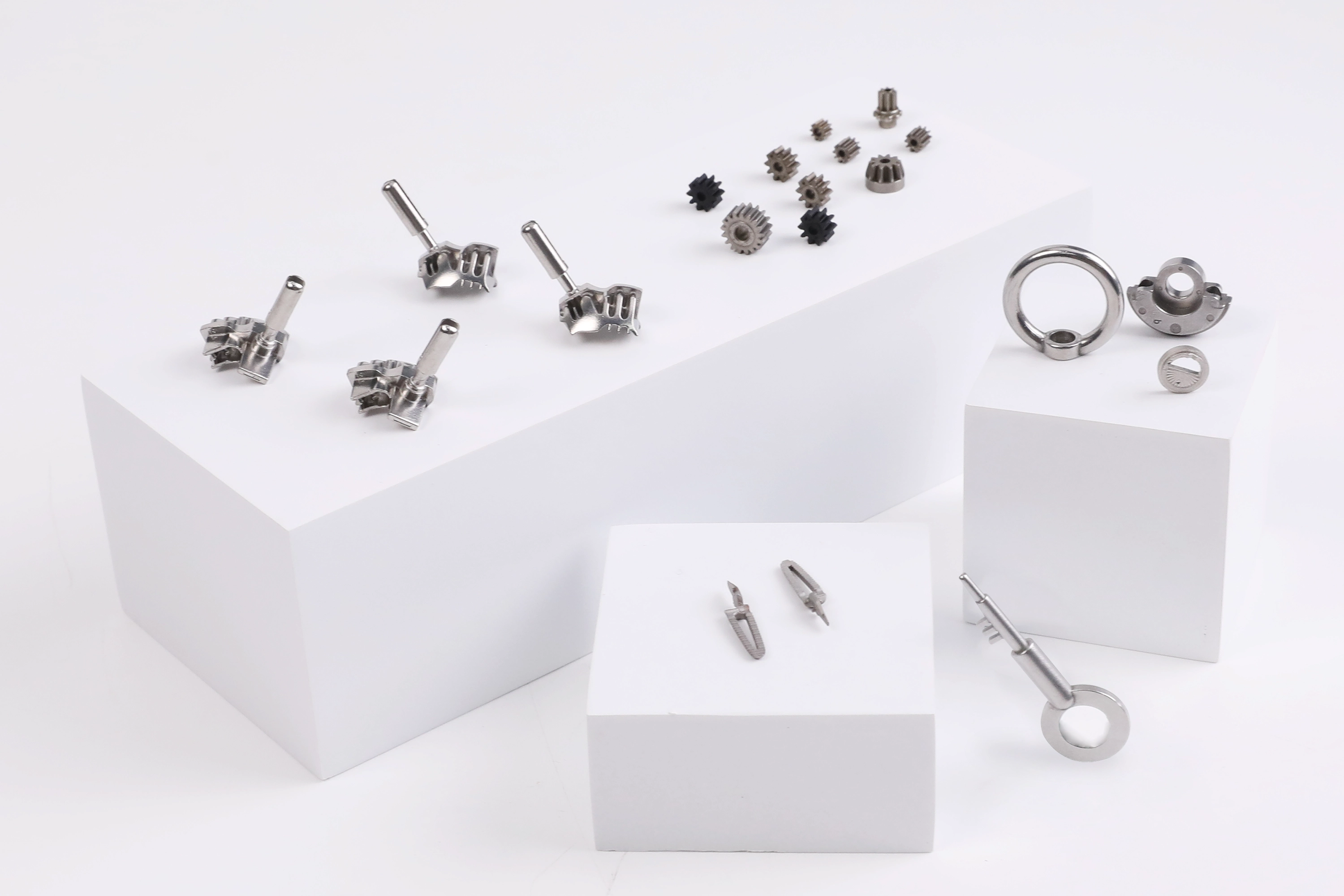
Metal Injection Molding (MIM) Services
Metal injection molding (MIM) is a process used to manufacture complex, high-precision metal parts, freeing designers from the traditional limitations of molding stainless steel, nickel iron, copper, titanium and other metals. The molding process combines metal powder, injection molding and sintering technology to ensure that MIM parts have tight tolerances and excellent surface quality.
Metal Injection Molding (MIM) Process
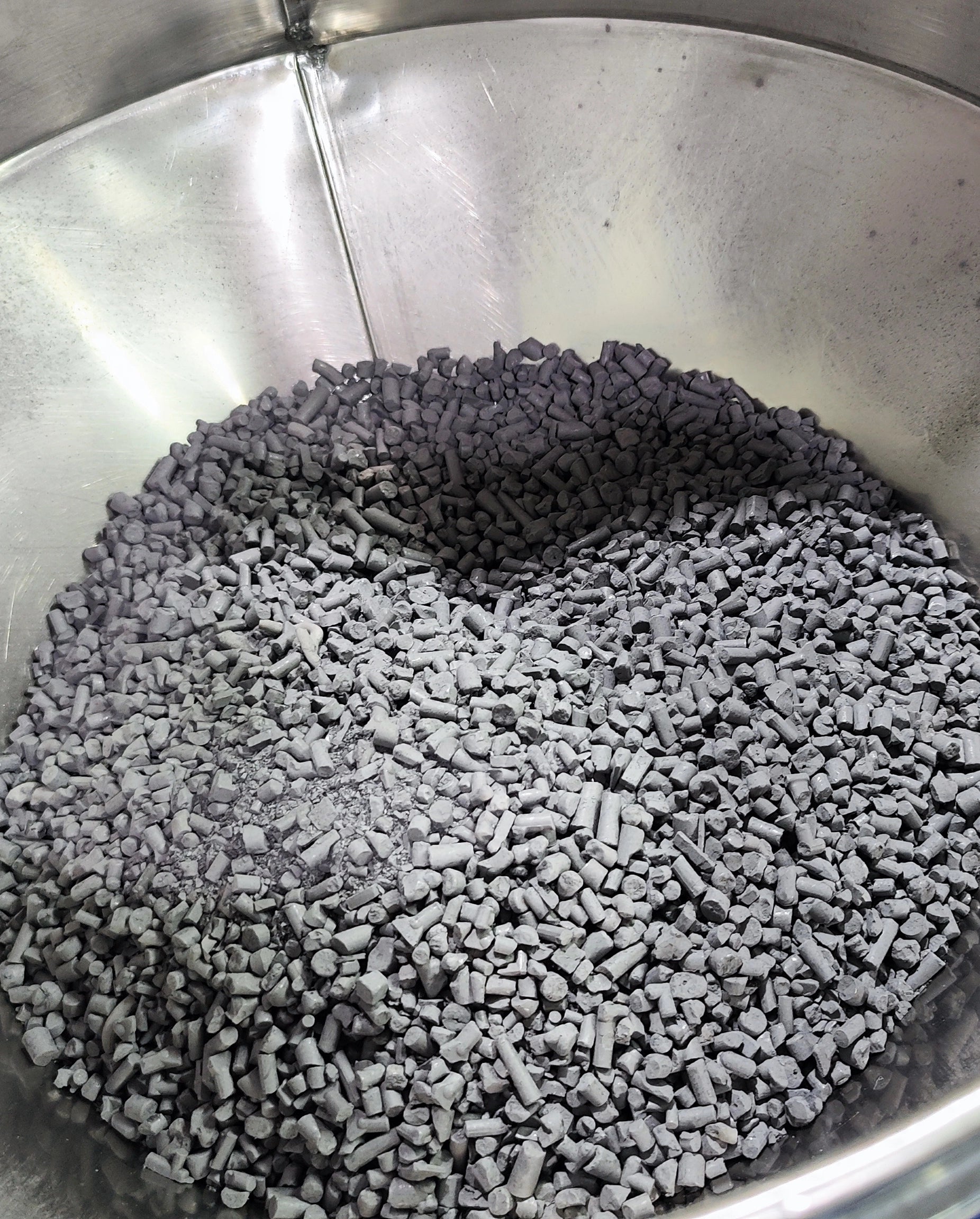
FeedStock
The first step of the MIM process is to mix fine metal powder with a binder to form a homogeneous feedstock. This feedstock needs to have good flowability for subsequent injection molding. Precise control of this step directly affects the uniformity and performance of the final product.
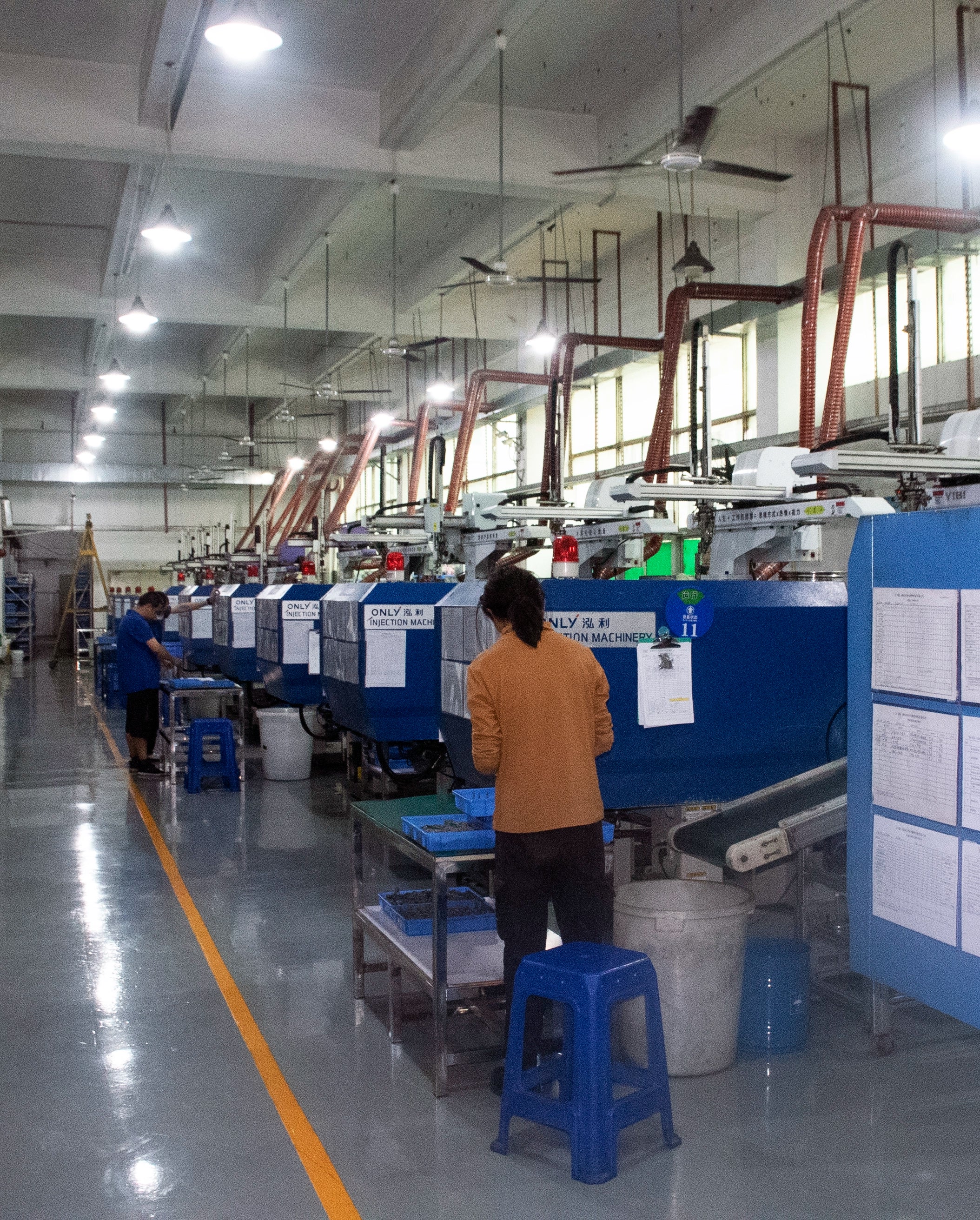
Molding
The mixed MIM feedstock is injected into the mold to form the initial part, called the "green body". The green body is usually slightly larger than the final product, which is to compensate for the inevitable shrinkage during the sintering process. Injection molding can efficiently produce parts with complex geometries, which is one of the core advantages of MIM technology.
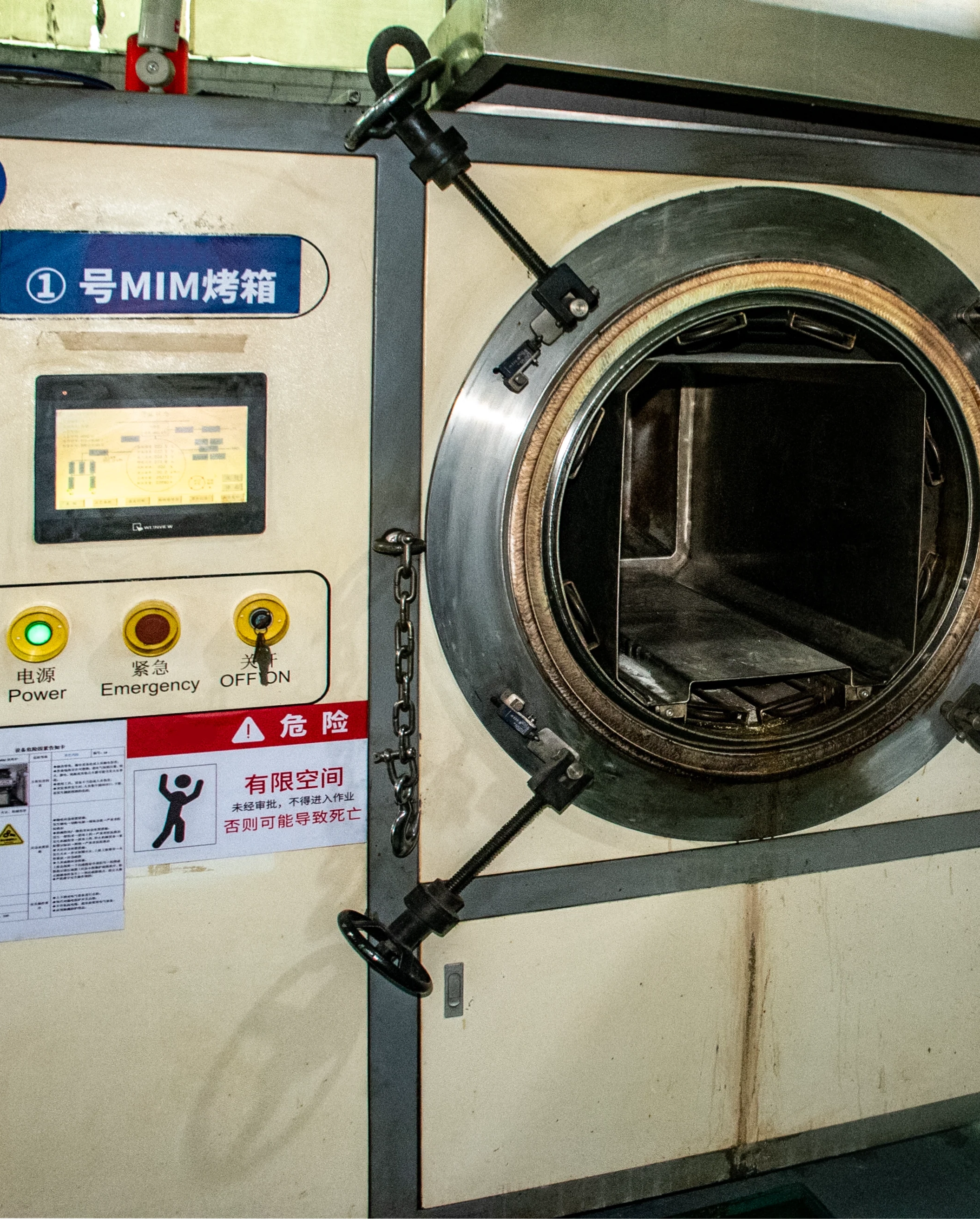
Debinding
After molding, the green body needs to be debinded to remove most of the binder in the feedstock. This process produces an intermediate product called a "brown part". The brown part has a basic shape, but has low strength and requires further processing to achieve the final performance.
Sintering
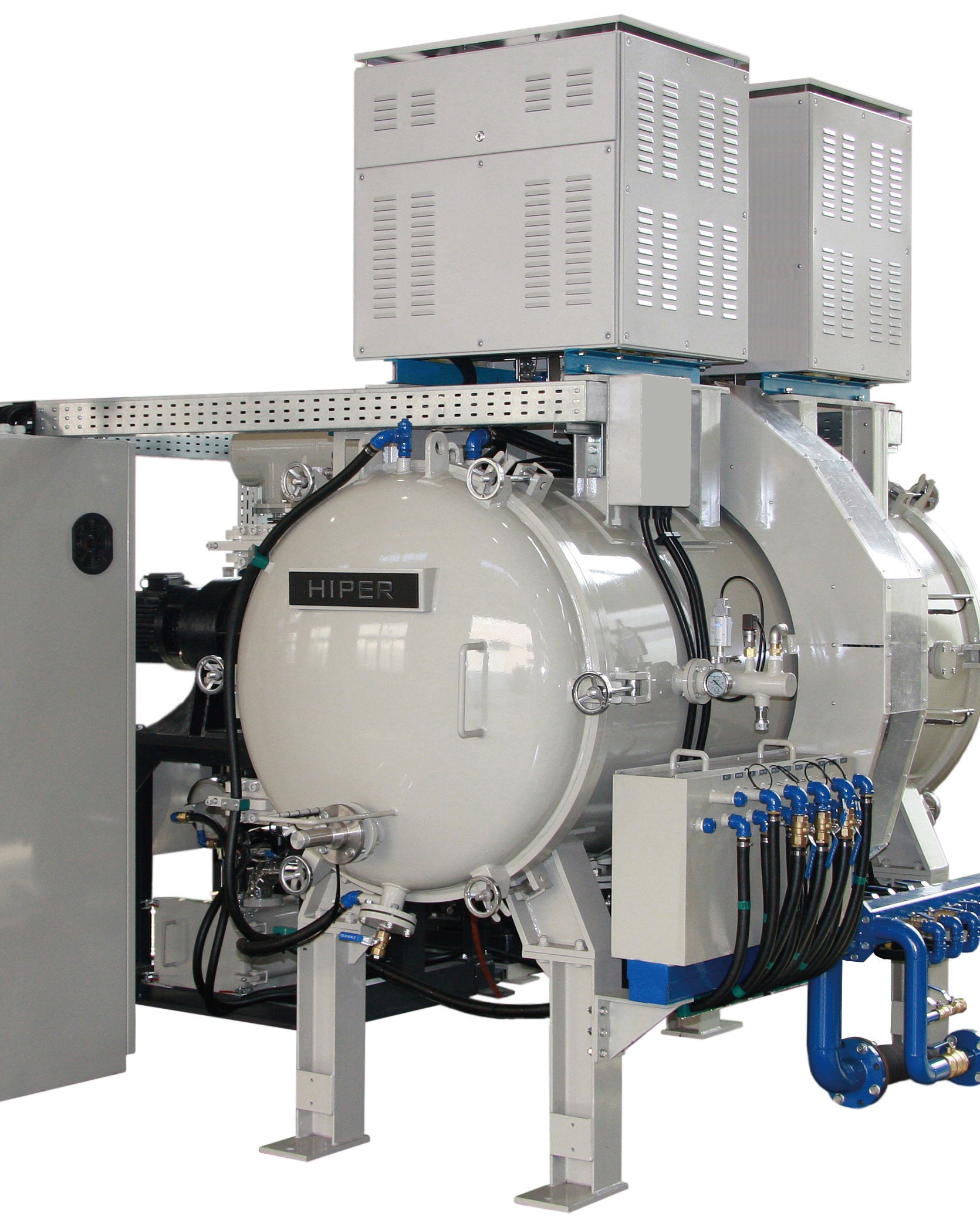
Sintering is a key step in the MIM process. The residual binder is removed and the material is densified by heating the brown part to a temperature close to the melting point of the metal. The sintered part is close to the final size and has the required physical properties and mechanical strength. This process determines the final density and geometric accuracy of the product.
Advantages of MIM Technology
High Volume Production
Suitable for producing large numbers of parts quickly and efficiently.
Reduced Material Waste
Minimum material waste due to the precision of the process.
Complex Geometries
Ability to create parts with complex shapes that are difficult or impossible to create using traditional methods.
Superior Performance
Parts produced through MIM have superior mechanical properties and durability.
Metal Injection Molding Materials
Metal Injection Molding materials directly affect the strength, density, corrosion resistance, and dimensional stability of the final part. Choosing the right material is essential to achieving the required performance after sintering. At XY-GLOBAL, we understand how different materials perform in the MIM process to ensure our engineers can recommend the right solution for your project.
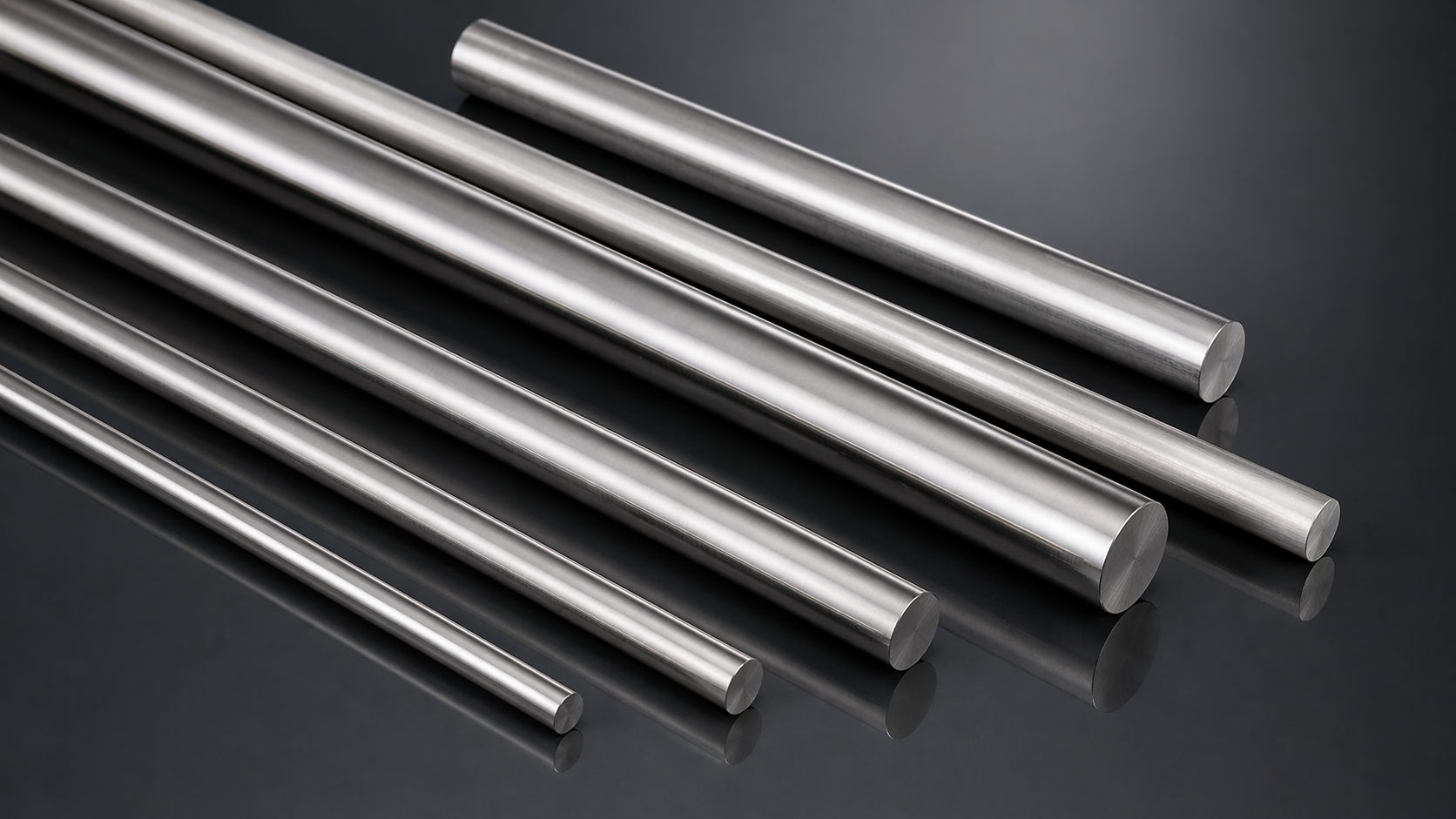
A versatile MIM material known for dependable corrosion resistance, balanced strength, and broad application coverage.
- Key Properties: Corrosion resistance, mechanical stability, good surface finish.
- Applications: Medical devices, consumer hardware, industrial fittings, and precision assemblies.
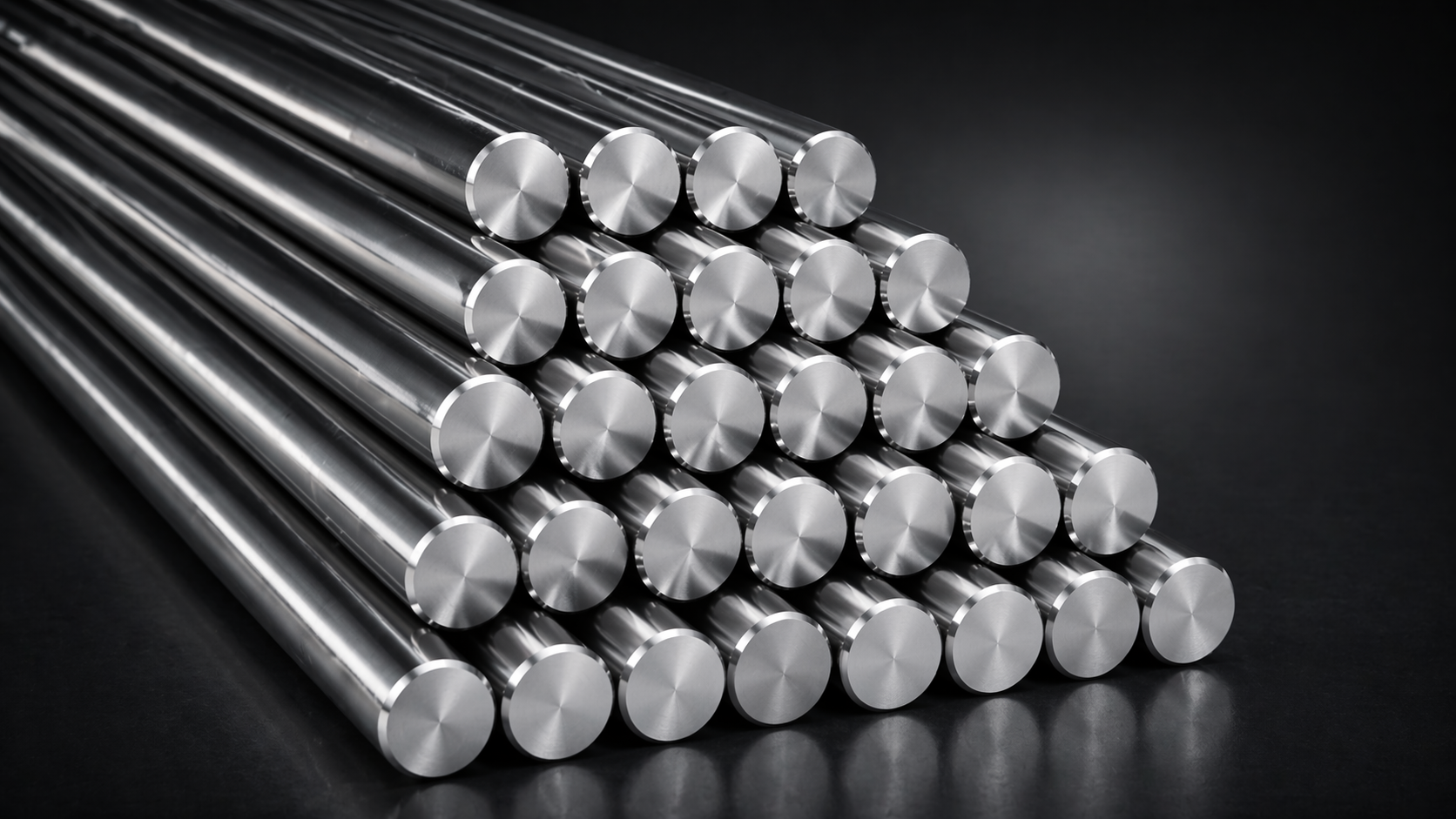
A cost-effective option for functional parts that require strength, toughness, and heat-treatable performance.
- Key Properties: Strength, toughness, heat response, reliable structural support.
- Applications: Automotive parts, machine components, fastening hardware, and load-bearing structures.
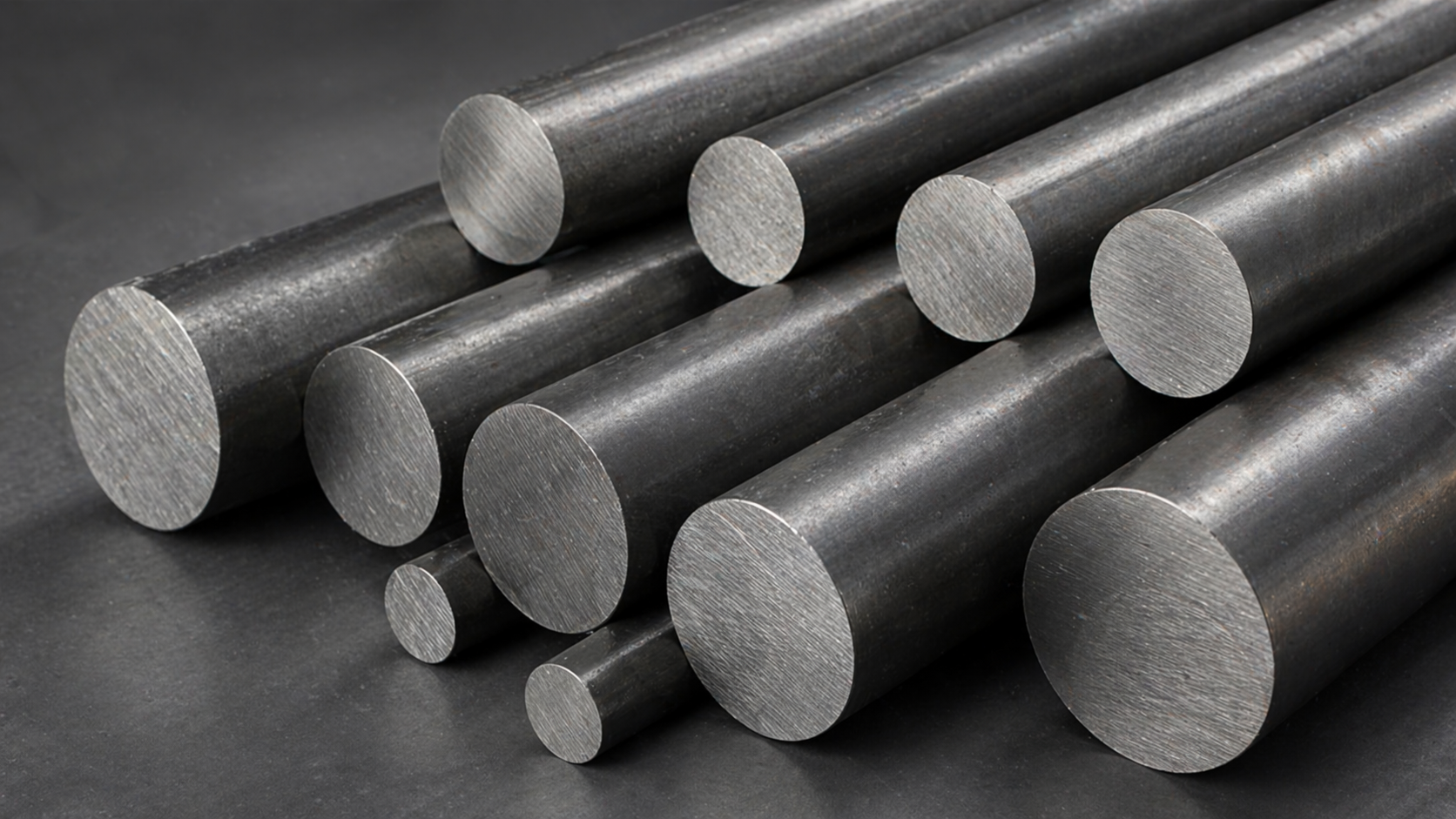
A strong choice for components exposed to repeated wear, pressure, and shaping loads.
- Key Properties: High hardness, abrasion resistance, dimensional consistency.
- Applications: Cutting tools, molds, dies, punches, and wear-intensive industrial parts.
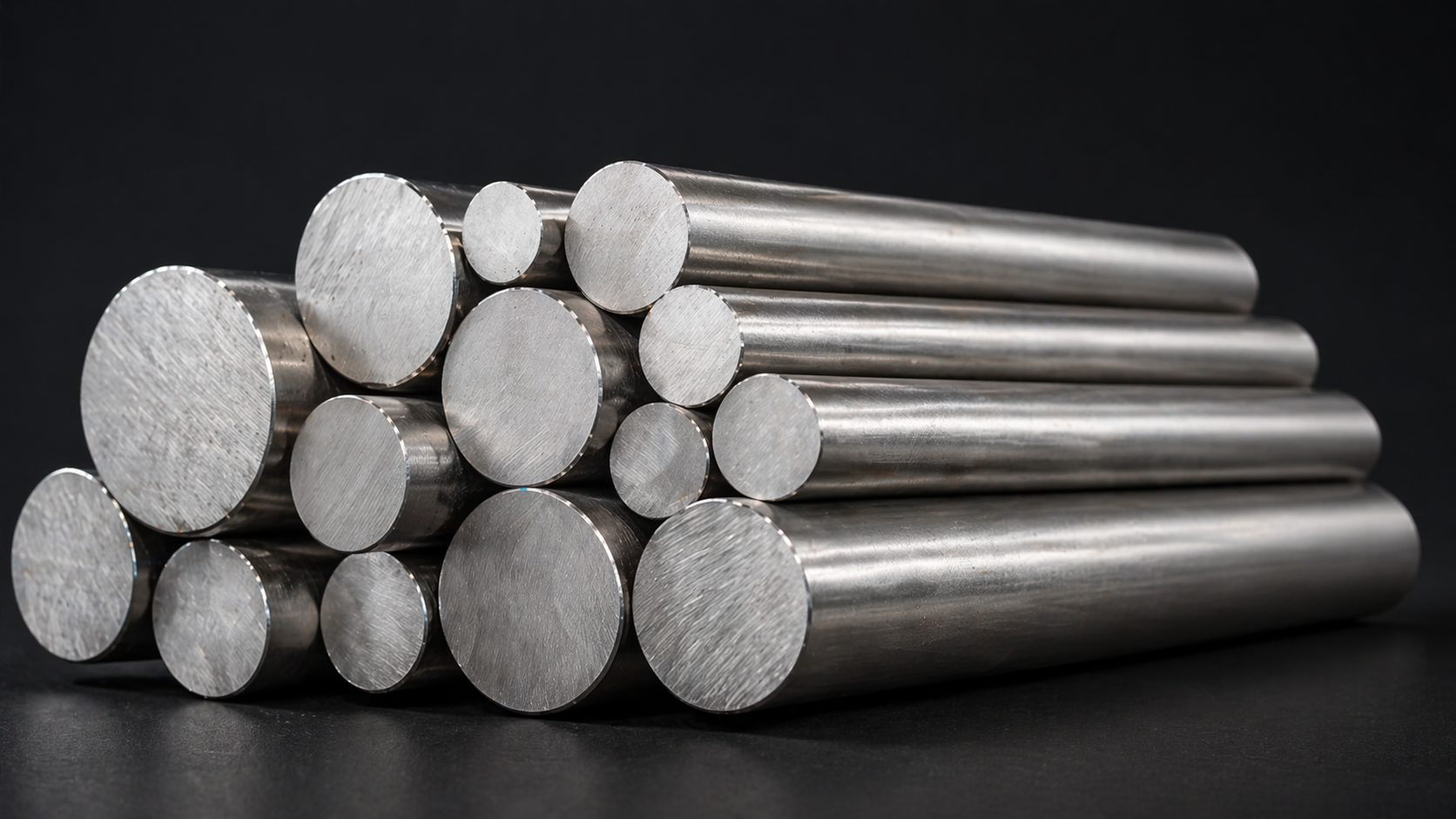
Ideal for lightweight parts that must combine strength with excellent resistance to harsh environments.
- Key Properties: Low weight, high strength-to-weight ratio, corrosion resistance.
- Applications: Aerospace hardware, medical implants, lightweight structural parts, and high-end equipment.
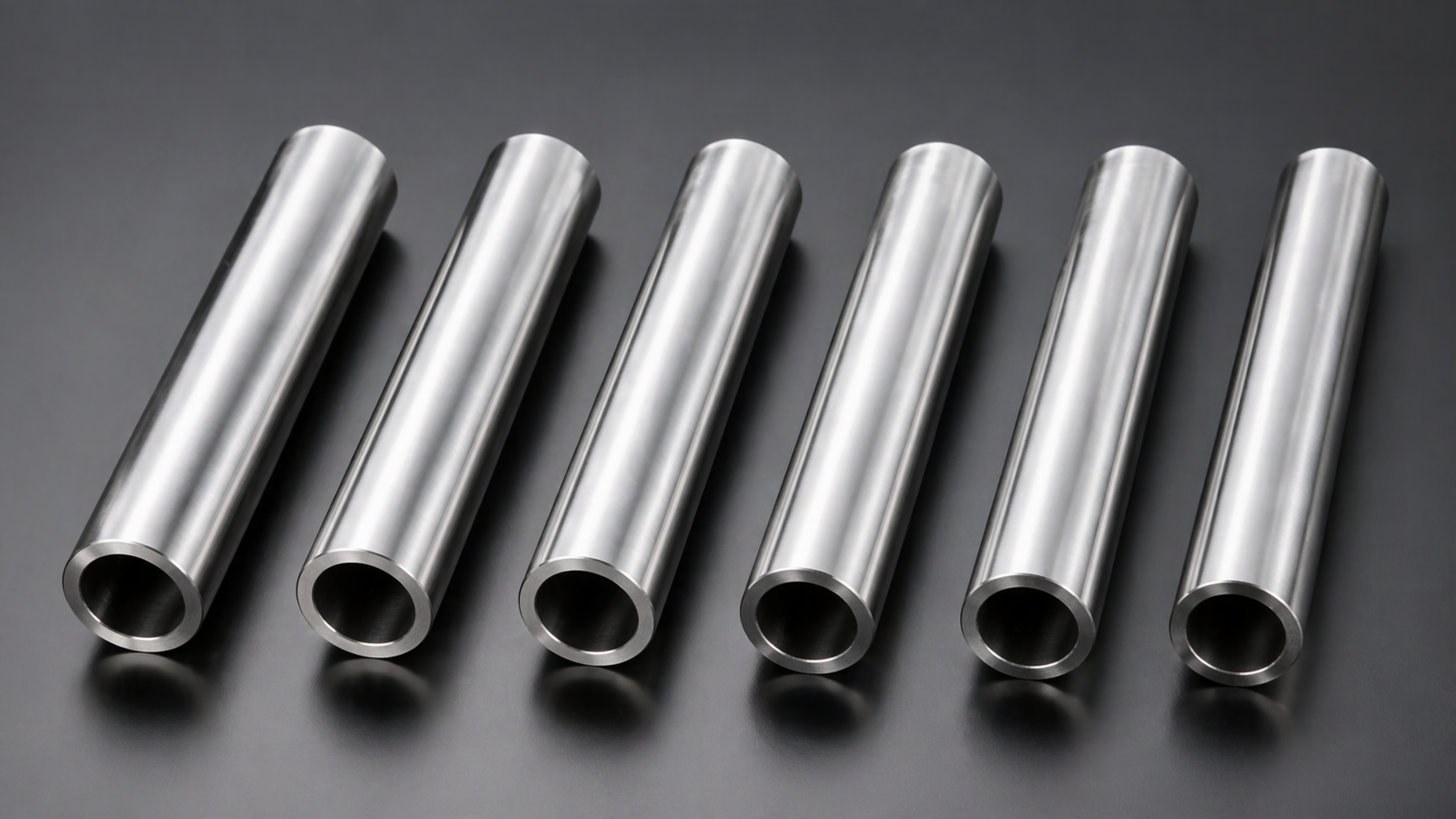
Designed for parts that need performance tailored to thermal, magnetic, or sealing requirements.
- Key Properties: Controlled expansion, functional stability, special-purpose behavior.
- Applications: Precision instruments, electronic packages, hermetic seals, laser housings, and specialty systems.
Why Choose XY-GLOBAL for Custon MIM Parts
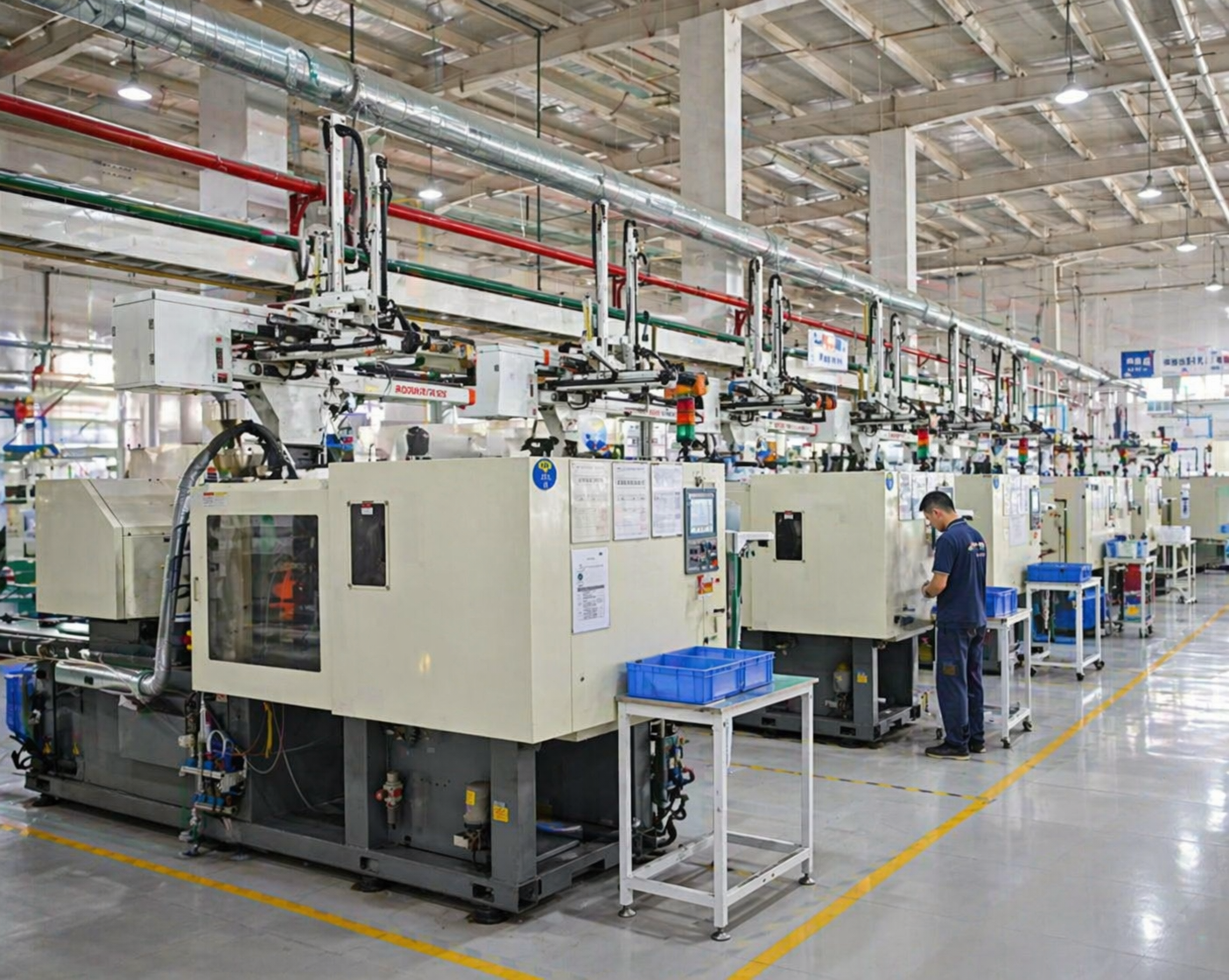
- Ultra-Precision Finish: Achieve TOL ±1 μm with surface quality up to Ra ≤ 0.01 μm, delivering exceptional dimensional accuracy and a smooth, refined finish for all mim components.
- Certified Quality Systems: ISO 9001 and ISO 13485 certified manufacturing ensures consistent process control and medical-grade quality requirements.
- Rapid Prototyping & No MOQ: Molds-free prototypes can be ready in as fast as 3 days, with no minimum order quantity for R&D and pilot runs.
- 15+ Years of Experience: Over 15 years of industry expertise and extensive material experience enable us to better understand material behavior, process optimization, and part performance requirements.
- 24/7 Engineering Support: Provide practical process guidance and application-oriented solutions to help customers achieve the best balance of quality, cost, and manufacturability.
Custom MIM Parts Made by XY-GLOBAL
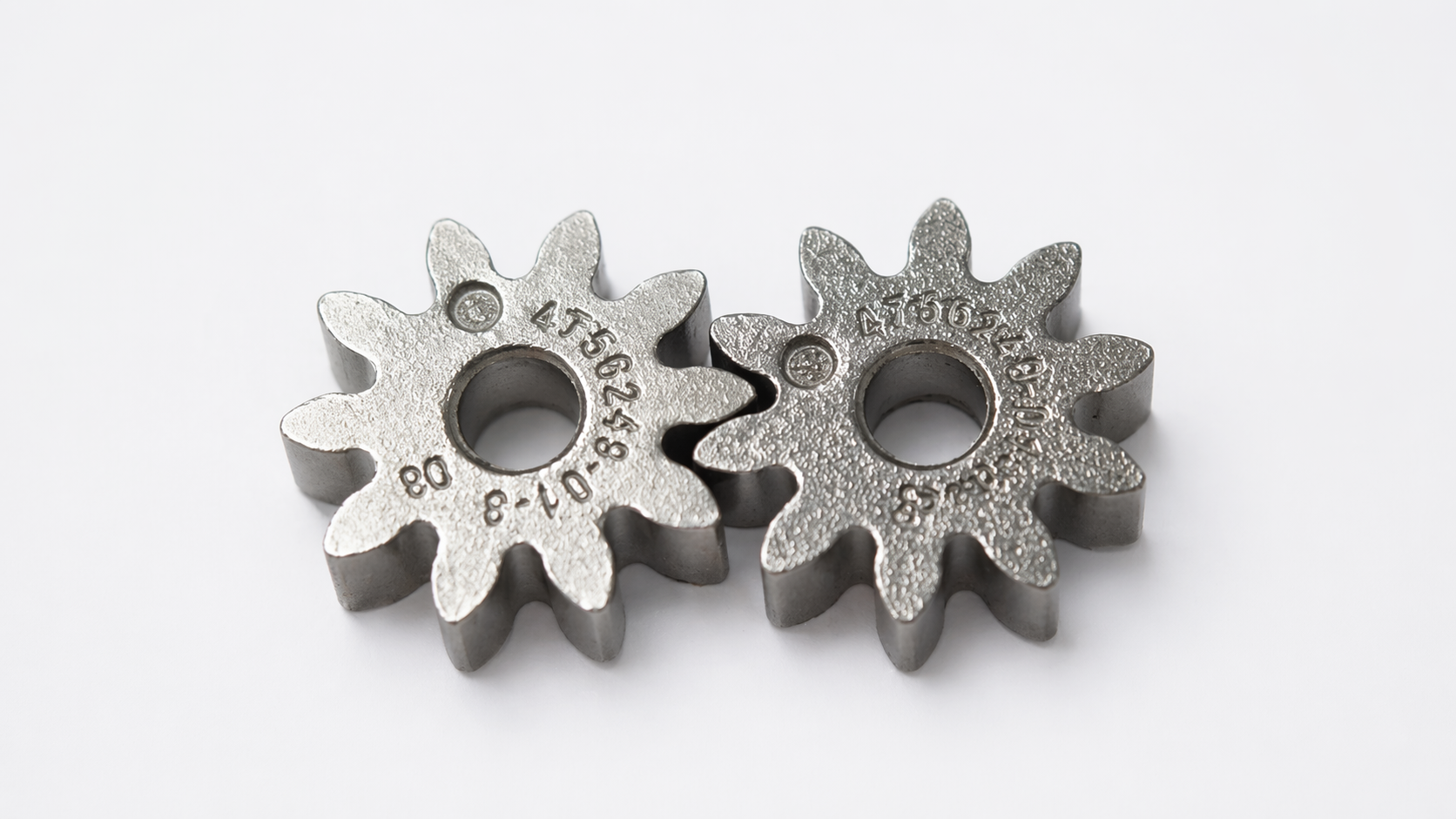
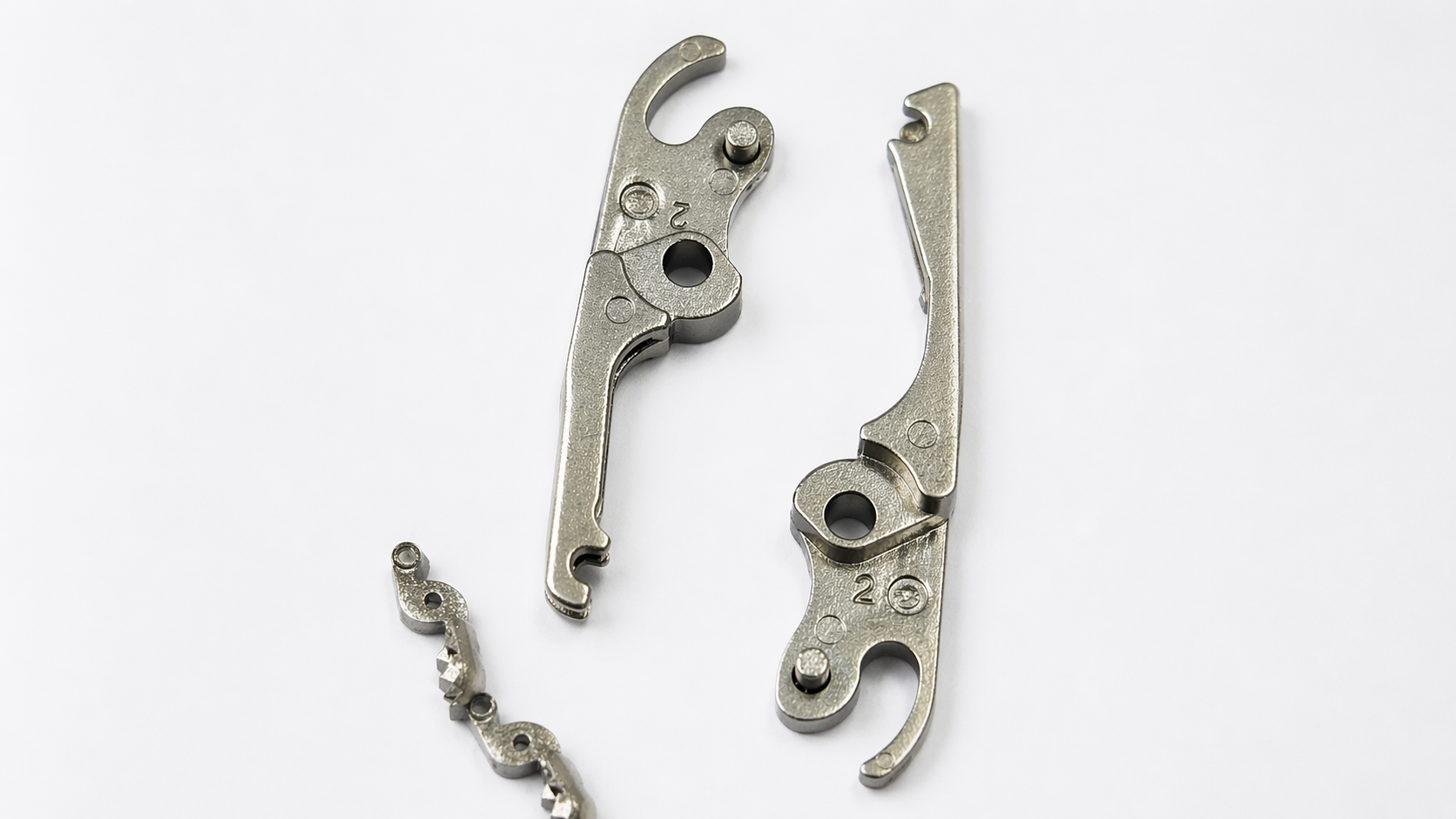
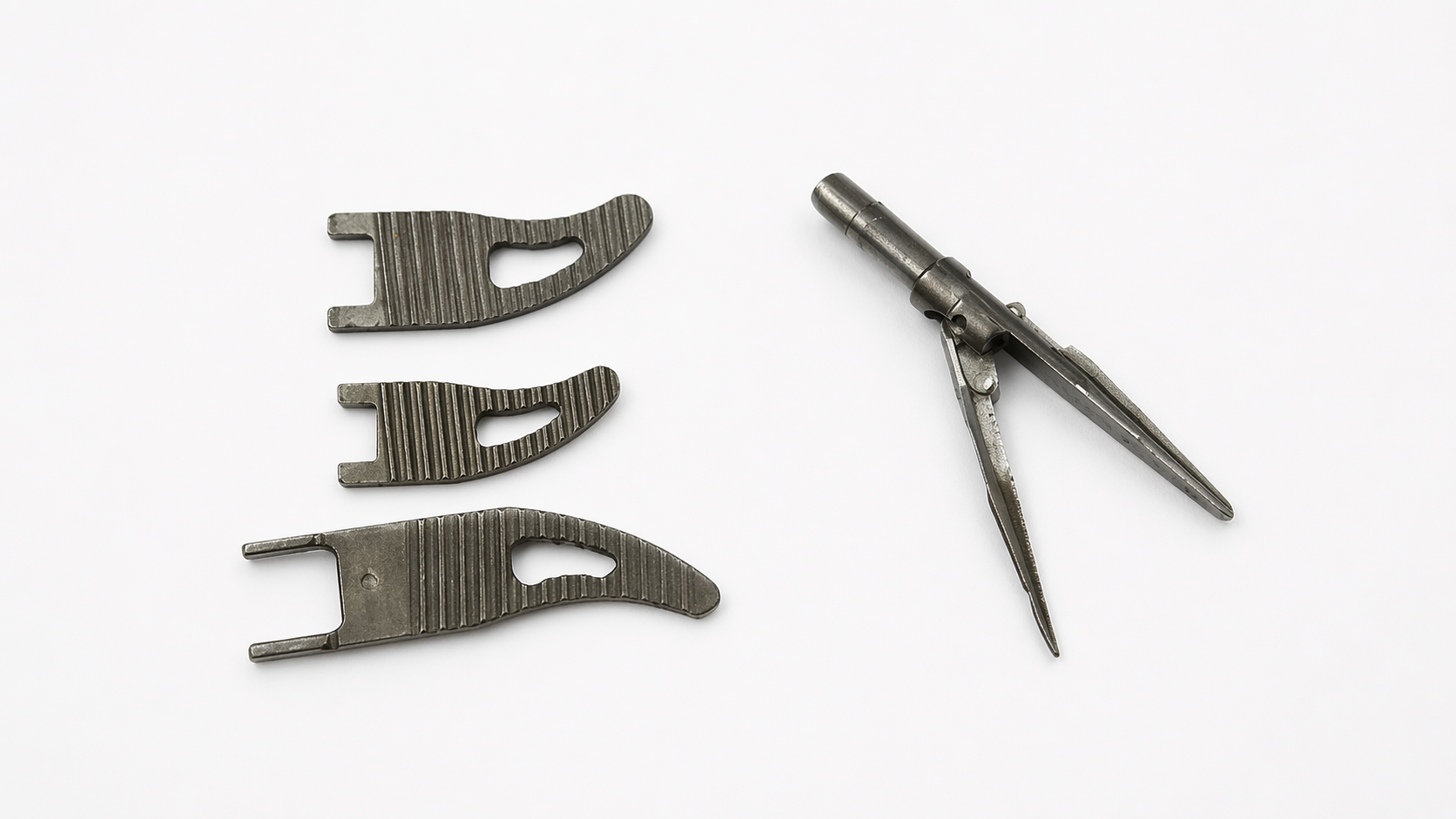
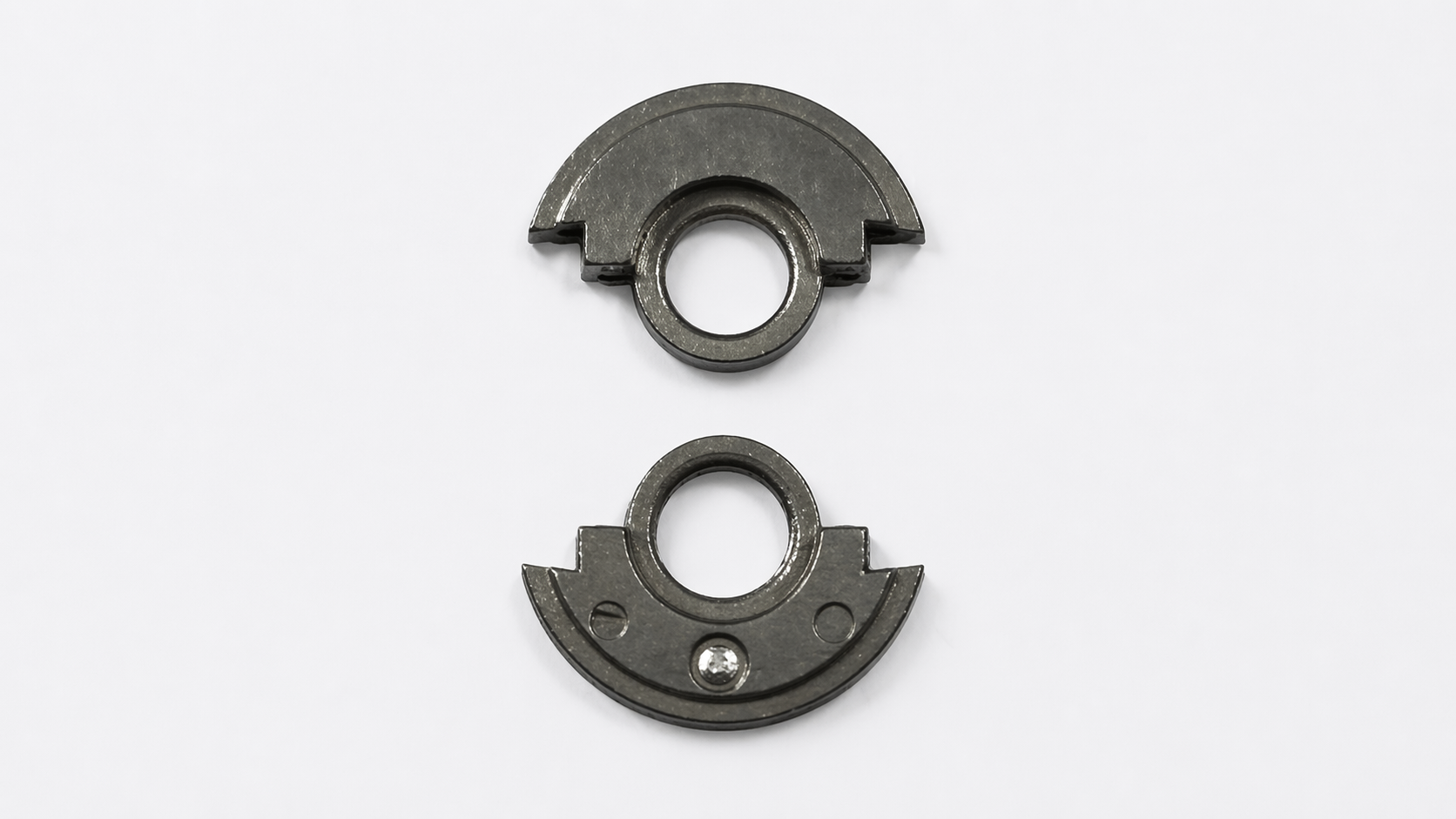
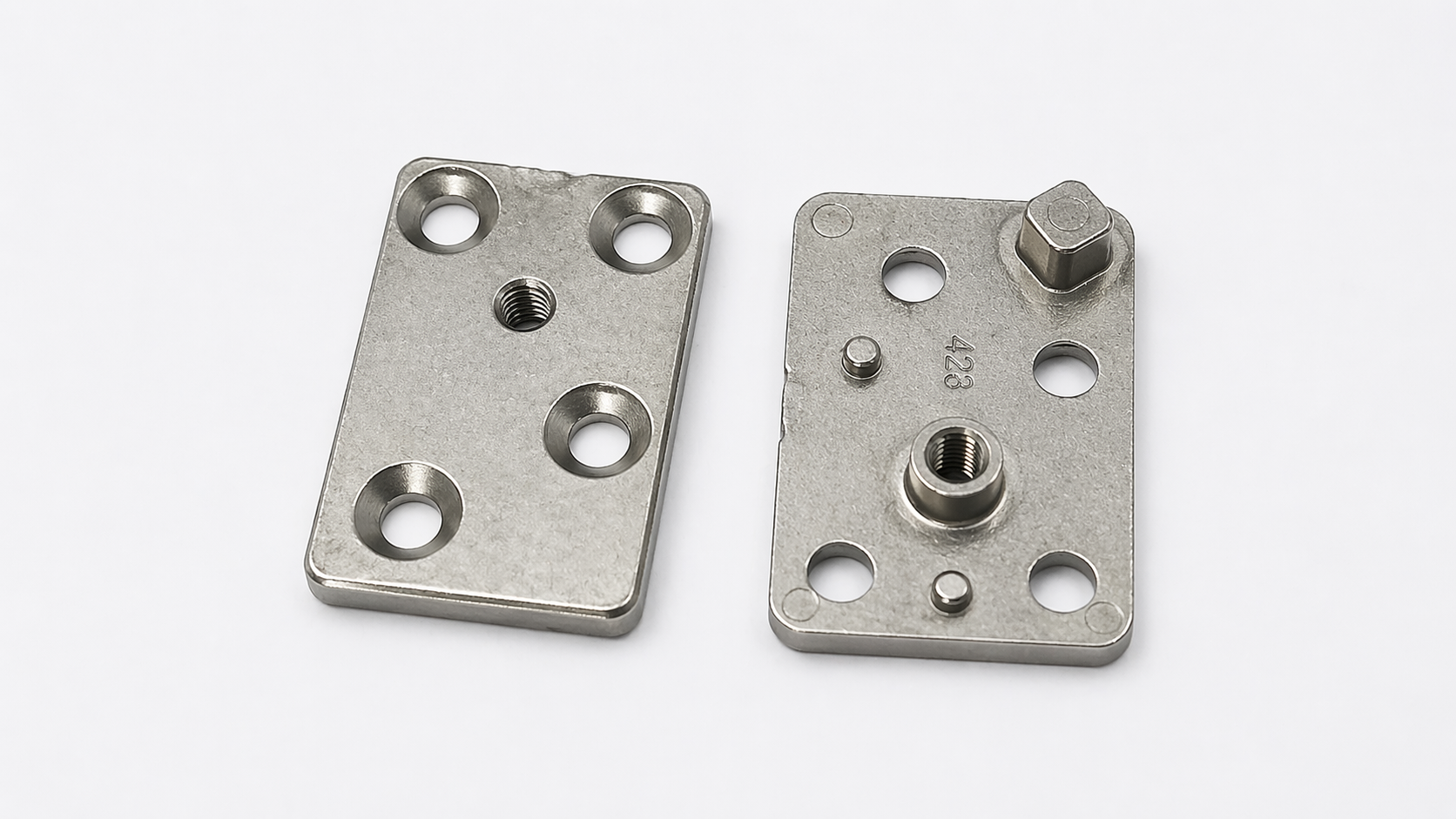
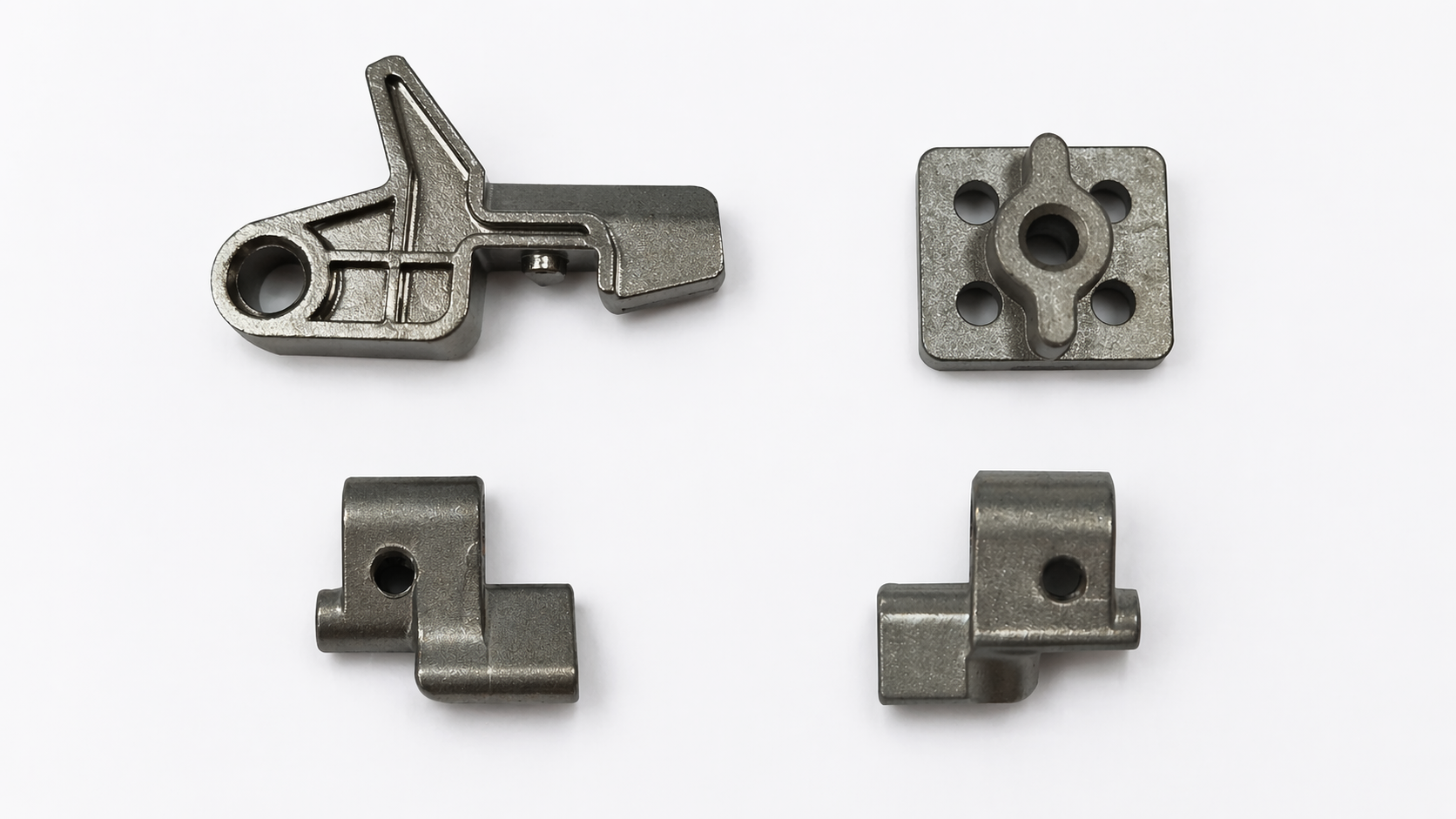
Backed by deep experience in custom metal parts, we deliver one-stop solutions for your custom MIM components. We provide full-process Metal Injection Molding (MIM) services from DFM to mass production, supporting both small-batch and high-volume manufacturing runs.
Metal Injection Molding FAQs
What is Metal Injection Molding (MIM)?
MIM is a manufacturing process combining powder metallurgy and plastic injection molding, ideal for producing complex metal parts with high precision.
What Materials Are Used in MIM?
Common materials include stainless steel, low-alloy steel, titanium, tungsten alloys, and other specialty metals.
Is MIM Cost-Effective for Small Production Runs?
MIM is most cost-effective for high-volume production but can be viable for smaller runs with complex designs.
What is the Lead Time for MIM Parts?
Lead times range from 4–8 weeks, depending on the part's complexity and volume.
What Part Sizes Are Suitable for MIM?
MIM is best for small parts, typically weighing 0.1 to 100 grams, though larger parts may also be feasible.