

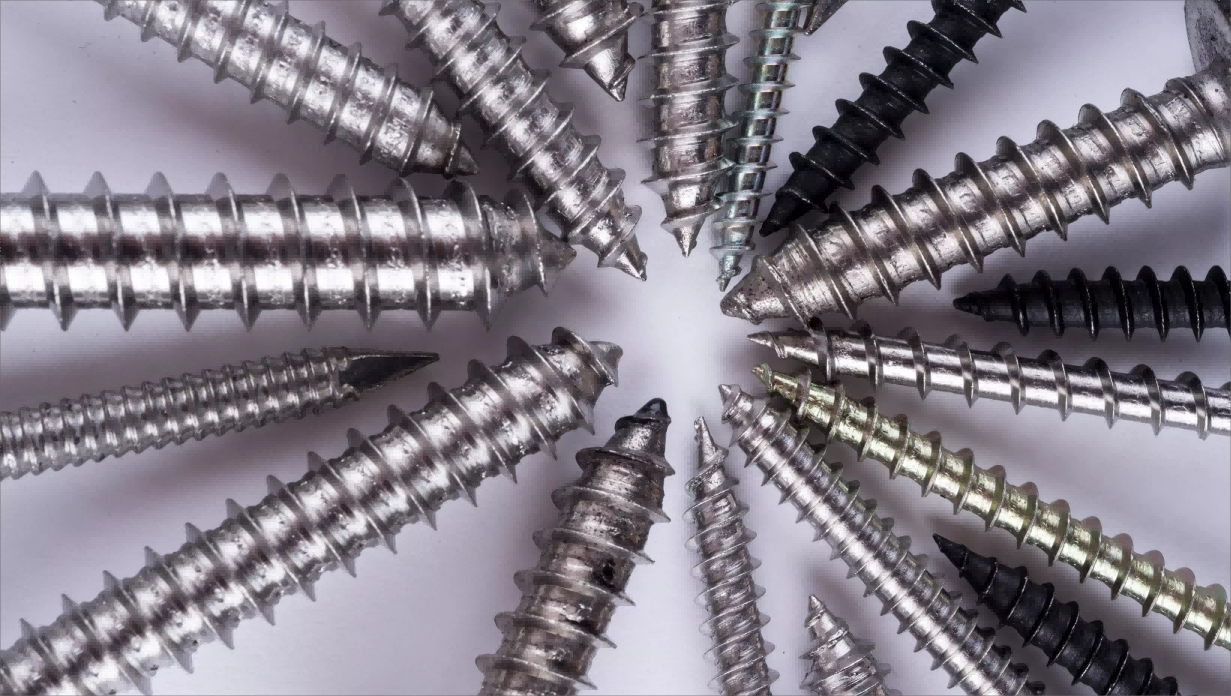
Bone screws are the most common general purpose fixation devices. They may be the only hardware used in reparative or reconstruction surgery.

More commonly, they are used with other hardware devices, particularly plates, to fixate the associated device to bone.
Facts and component characteristics
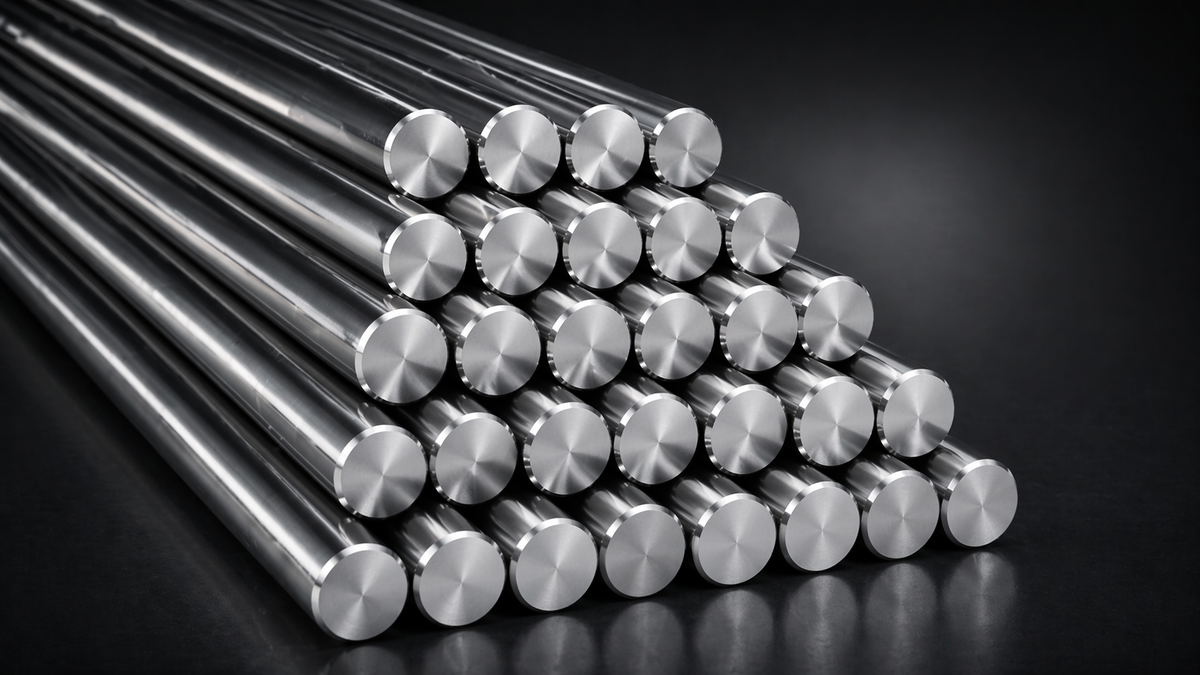
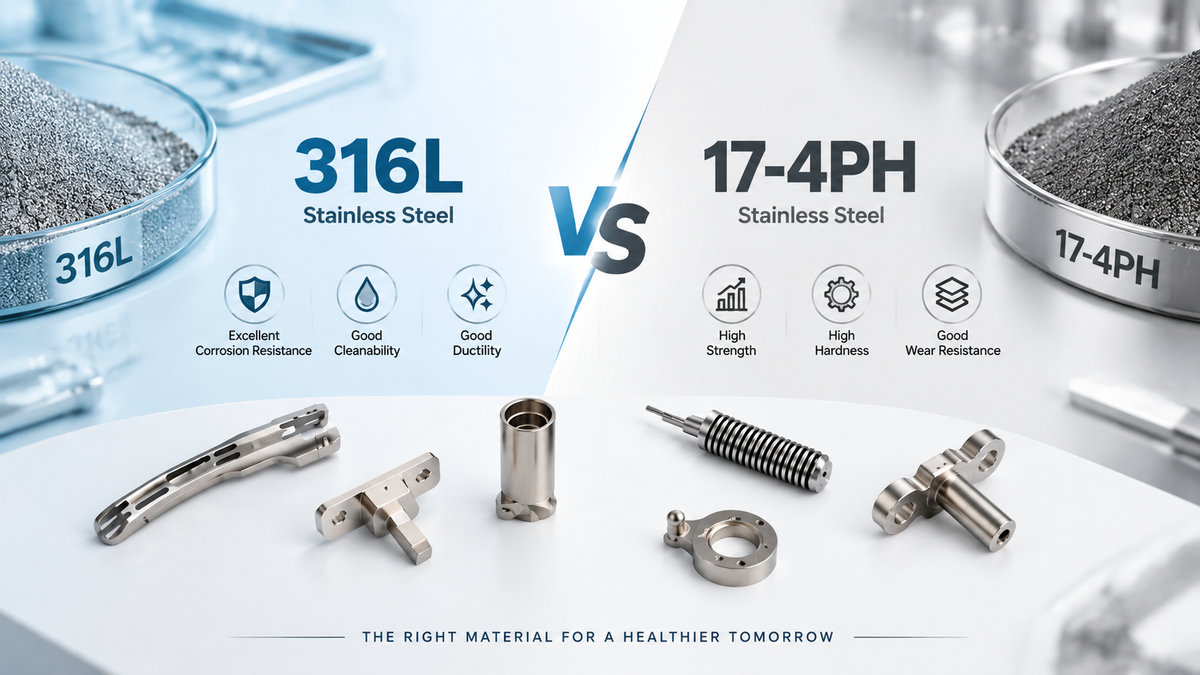
The bone screw bar (diameter commonly 4 – 12 mm (0.157– 0.472 inch) is usually made of titanium (Ti6Al4V ELI) or stainless steel (316LVM).
Properties:
-
1. Long slender components, many different sizes
-
2. Fixturing is a challenge in subspindel
-
3. Batch production generally from 30 up to 1000
-
4. Thread machined by whirling
The thread of the bone screw is machined in a productive and secure process, resulting in good surface finish and good dimensional accuracy.
When machining the head of the screw, good chip control in a secure process is achieved.
Machining challenge is to avoid burr formation in milled features in the tip when doing the thread whirling operation.
Benefits
1. Good surface finish
2. Secure process

Machining solution
1. Turning of tip
2. Milling of grooves
3. Thread whirling of tip (for more information, see below)
4. Deburring pass with mill
5. Thread whirling complete
Machining the long and slender thread is preferably made by thread whirling to avoid bending and vibrations.
Thread quality is a challenge when high feeds are used in the thread whirling. Facets is a common problem.
If the thread diameter is changed, the setting angle of the whirling ring has to be changed too.
Share:
Medical Device and Manufacturing, Revolutionizing Healthcare
Customized Minimally Invasive Surgical Tools Spare Parts