

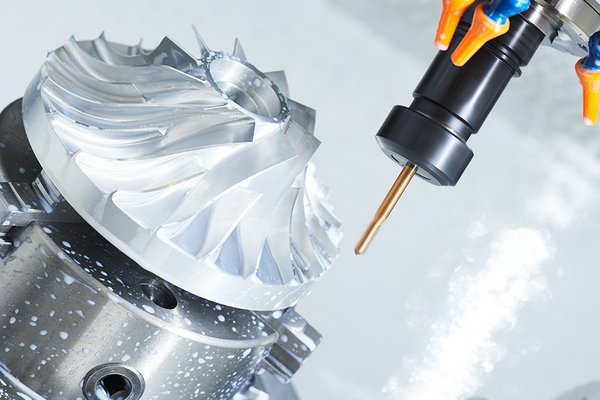
In the ever-evolving field of medicine, precision and reliability are paramount. The quest for cutting-edge solutions that enhance patient care and improve surgical outcomes has led to significant advancements in medical technology. One such advancement is the application of CNC (Computer Numerical Control) machining, a technology that has revolutionized how medical devices and components are manufactured. In this blog, we’ll explore how CNC machining is transforming the medical industry, its benefits, and the challenges it addresses.

What is CNC Machining?

CNC machining is a manufacturing process that utilizes computer-controlled machines to produce precise and complex parts from various materials. Unlike traditional manual machining, CNC machines operate using pre-programmed software to guide tools and equipment, ensuring high accuracy and repeatability. This technology is particularly valuable in industries where precision is critical, such as aerospace, automotive, and notably, the medical field.
How CNC Machining Benefits the Medical Industry

1. Unmatched Precision and Accuracy:
Medical devices and components often require extremely tight tolerances to ensure proper function and safety. CNC machining excels in producing parts with micron-level accuracy, which is essential for devices such as surgical instruments, implants, and prosthetics. This precision helps to minimize errors, improve patient outcomes, and enhance the overall quality of medical care.
2. Complex Geometries:
Many medical devices feature intricate designs that are difficult to achieve with traditional manufacturing methods. CNC machines can create complex shapes and detailed features with ease, allowing for the production of advanced medical instruments and components that meet specific functional and ergonomic requirements.
3. Rapid Prototyping and Customization:
In the medical field, the ability to rapidly prototype and customize devices is crucial. CNC machining enables quick adjustments and modifications to designs, facilitating the development of personalized medical solutions tailored to individual patient needs. This capability is especially valuable in the creation of custom implants, orthodontic devices, and surgical guides.
4. Material Versatility:
The medical industry uses a variety of materials, including metals, plastics, and composites, each with unique properties. CNC machining can handle a wide range of materials, offering flexibility in the design and production of medical components. This versatility ensures that the final products meet the specific performance and biocompatibility requirements of medical applications.
5. Enhanced Efficiency and Cost-Effectiveness:
While the initial setup for CNC machining can be an investment, the technology often results in reduced production costs over time. CNC machines can operate continuously with minimal downtime, leading to higher production rates and lower labor costs. Additionally, the reduced need for manual intervention helps to minimize the risk of errors and waste, further contributing to cost savings.
Challenges and Considerations
Despite its numerous advantages, CNC machining for the medical industry does come with its challenges. Some key considerations include:
Regulatory Compliance:
Medical devices are subject to stringent regulatory standards and certifications. CNC-machined components must meet these requirements to ensure safety and efficacy. Manufacturers must stay informed about relevant regulations and ensure that their processes and products comply with industry standards.
Material Selection and Testing:
Choosing the right materials for medical applications is critical. CNC machining requires careful selection and testing of materials to ensure they meet the necessary biocompatibility and durability criteria. Rigorous testing is essential to validate that the final products perform as intended in a medical setting.
Quality Control:
Maintaining consistent quality is essential in the medical industry. CNC machining processes must be closely monitored and controlled to prevent defects and ensure that all components meet the required specifications. Implementing robust quality control measures is crucial to uphold the high standards demanded by the medical field.
Conclusion
CNC machining has undeniably made a significant impact on the medical industry, offering unparalleled precision, flexibility, and efficiency. As technology continues to advance, we can expect even greater innovations in the design and manufacturing of medical devices. By harnessing the power of CNC machining, the medical field can continue to push the boundaries of what is possible, ultimately leading to improved patient outcomes and enhanced quality of care.
Share:
Is Powder Metallurgy Expensive?
Introduction to Powder Metal Casting