

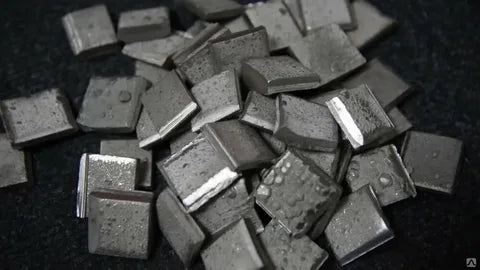
Nickel is a hard, ductile and ferromagnetic metal that can be highly polished and corrosion-resistant. Nickel is an iron-loving element. The core of the earth is mainly composed of iron and nickel. In the earth's crust, ferromagnesian rocks contain more nickel than siliceous and aluminous rocks. For example, peridotite contains 1,000 times more nickel than granite, and gabbro contains 80 times more nickel than granite. Nickel has good corrosion resistance, high temperature resistance, rust resistance and other properties, and has been widely used in stainless steel and alloy steel.

The effect of nickel on the microstructure and heat treatment of steel:
Nickel and iron can be infinitely dissolved, expanding the austenite zone of iron. Nickel and carbon will not form carbides.
Nickel can reduce the critical transformation temperature, improve hardenability, and reduce the carbon content of eutectoid pearlite. Its effect is second only to nitrogen and stronger than manganese. Its effect on reducing the martensite transformation temperature is about half that of manganese.
The effect of nickel on the mechanical properties of steel:
It can strengthen ferrite and refine and increase pearlite, improve the strength of steel, and has a relatively small effect on the plasticity of steel. Nickel can improve the fatigue performance of steel and reduce the sensitivity of steel to notches.
If the carbon content of nickel-containing steel is reduced, the toughness and plasticity of steel can also be improved. For improving the hardenability and tempering stability of steel, the effect of nickel is not strong, and it is of little significance for quenched and tempered steel.
The effect of nickel on the physical, chemical and process properties of steel:
It can greatly reduce the thermal conductivity and electrical conductivity of steel. Steel with a nickel mass fraction of less than 30% will show paramagnetism, that is, non-magnetic steel). Iron-nickel alloys with a nickel mass fraction of more than 30% are important precision soft magnetic materials. Steel with a nickel content of more than 15% to 20% has high corrosion resistance to sulfuric acid and hydrochloric acid, but cannot resist nitric acid corrosion
The impact of nickel on the physical, chemical and process properties of steel: Steel with a high nickel content should use austenitic welding rods when welding to prevent cracks. Banded structure and white spot defects are also prone to appear in nickel steel
Application of nickel in steel
Generally, pure nickel steel will only use nickel-chromium or nickel-chromium-molybdenum steel when extremely high impact toughness or very low working temperature requirements are required. This type of steel can increase strength and toughness after heat treatment and is particularly suitable for parts that require surface carburization
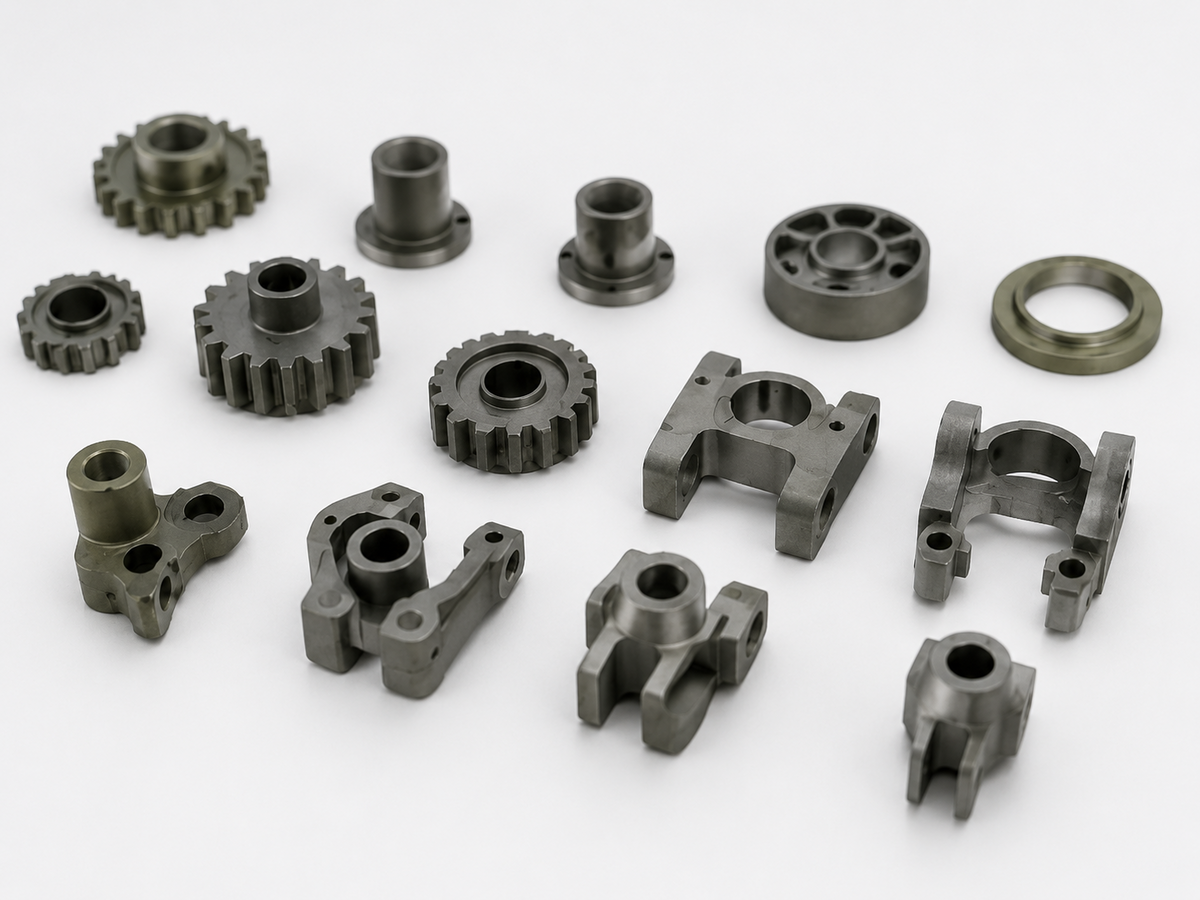
Application of nickel in steel, such as gears, cam mechanism shafts and transmission shafts

Application of nickel in steel
Nickel is an austenitizing element in high-alloy austenitic stainless heat-resistant steel, which is what we commonly call stainless steel. Nickel is a relatively scarce chemical element and an important strategic material
Unless other alloying elements cannot meet performance requirements, we will use nickel, so try to use less or no nickel as an alloying element in steel




Share:
Do You Know the Difference Between Natural Graphite and Artificial Graphite?
24 Common Metal Materials and Characteristics