

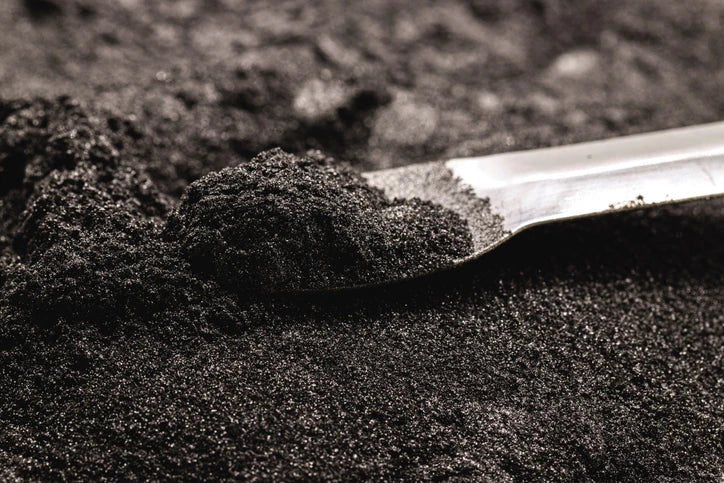
Blending in Powder Metallurgy
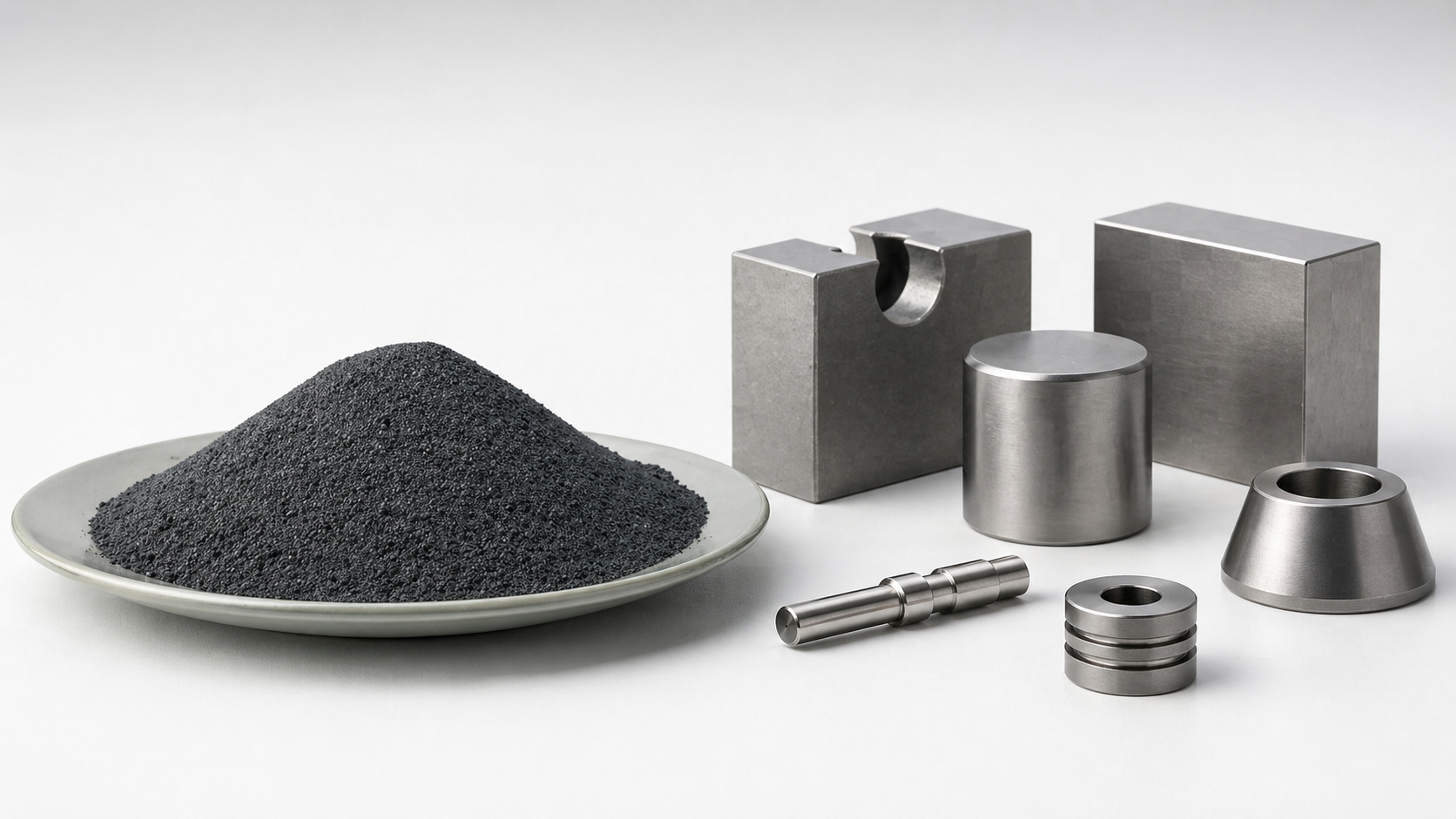
Powder metallurgy is of great importance in the reproduction and processing of substances with high melting points such as refractory metals. This is because these metals are difficult to produce by other means such as casting and melting. Examples of refractory metals are tantalum and tungsten.

Compounding is the combination of metal powders with different chemical properties. Blending, on the other hand, is the combination of particles with the same chemical properties and size.
Blending and blending differ in the chemical composition of the particles, but the actual combination process is the same. Metal powders are combined with a binder or lubricant to determine the characteristics and properties of the final part, such as pH, viscosity, and filtration levels.
Without this step to combine materials together to create a new alloy, powder metallurgy would be limited to production using one material at a time.
Finally, we are a professional, high-precision metal accessories manufacturer. You can tell us your requirements at any time, and we will customize them according to your needs, provide free samples and technical support, and lifetime warranty.

Share:
How to Perform Atomization of Powder Metallurgy?
New Sintering Technology: Preparing Bulk Metal Parts in 30 Seconds