


Surgical blades are an integral part of medical devices and are used in a wide range of applications including surgery, anatomical studies, and dental procedures. Finding a reliable surgical blade manufacturer is critical because the quality and performance of surgical blades directly affects the outcome and health of the patient.

When looking for a surgical blade manufacturer, the first thing to consider is the level of their production equipment and processes. State-of-the-art manufacturing facilities and rigorous production processes will ensure the high quality and consistency of surgical blades. The next thing to consider is the manufacturer's production capacity and lead time, which is very important to the operation of the operating room. In addition, the manufacturer's level of service and customer feedback is also an important factor in choosing a manufacturer.
When selecting a surgical blade manufacturer, you also need to pay attention to whether the manufacturer has the relevant certification qualifications. For example, FDA certification and ISO certification are important certifications for surgical blade manufacturers. These certifications ensure that the surgical blades meet international quality standards and health and safety requirements.

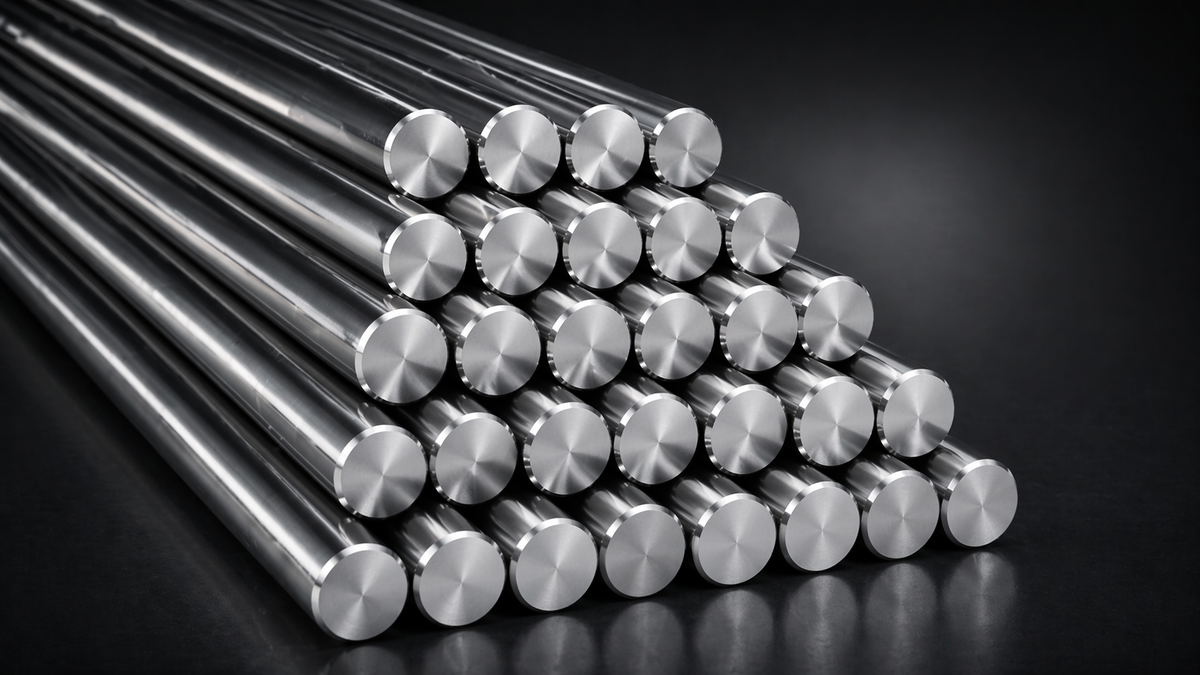
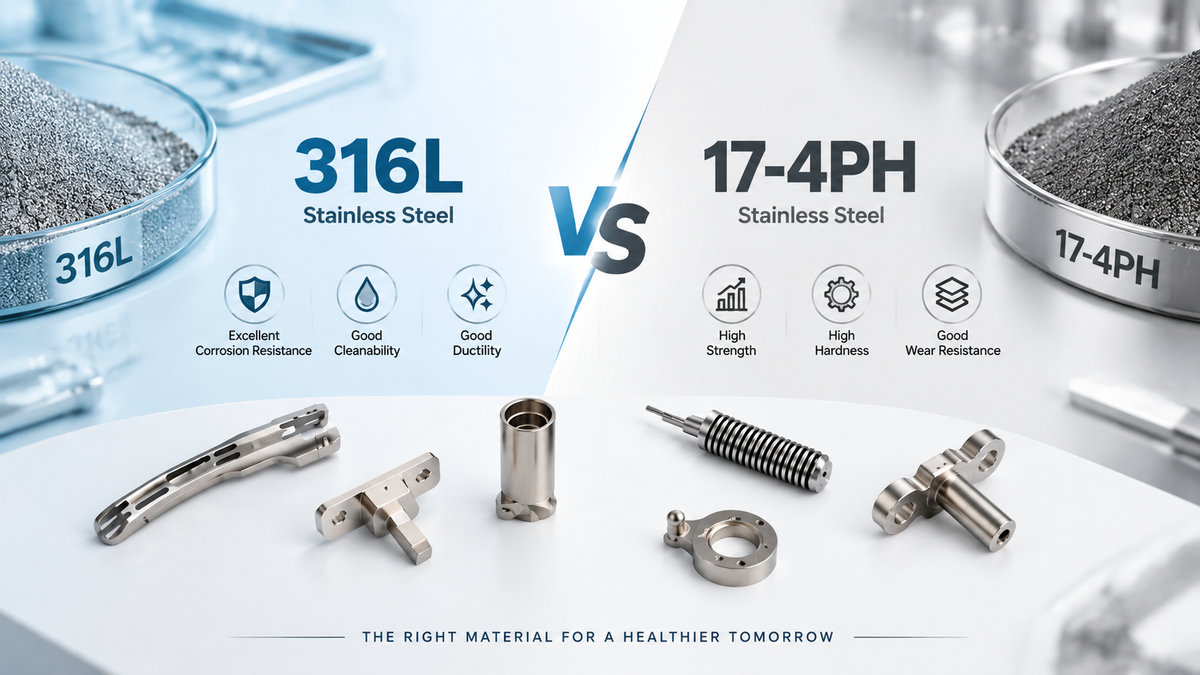
Surgical blades generally use high quality stainless steel materials, such as 440C stainless steel, 420 stainless steel, 17-4PH stainless steel and so on. These stainless steel materials offer good corrosion resistance, wear resistance and durability in surgical settings.
From the process point of view, the manufacturing process of surgical blades mainly includes the following aspects:
1. Material selection: The materials for general surgical blades are mainly stainless steel and carbon steel, and the materials are required to have good hardness and toughness in order to be able to maintain sharpness and prevent fracture.
2. Cutting process: The cutting process of surgical blades is one of the most important aspects of the surgical blade manufacturing process. Usually, this process includes the cutting, grinding and polishing of the blade to ensure the sharpness and smoothness of the blade.
3. Quality control: Quality control is crucial in the manufacturing process of surgical blades. Strict quality control is required to ensure that the size, hardness and appearance of the surgical blades meet the required standards and requirements. These standards usually include dimensional tolerances, hardness tolerances, surface quality, etc.
4. Packaging and storage: After the surgical blades are produced, they need to be packaged and stored. Surgical blades generally require moisture-proof, dust-proof, shock-proof, scratch-proof, etc.. They are generally packed in plastic bags, cartons, etc. When stored, they need to be placed in a dry and ventilated place to avoid moisture and heat.
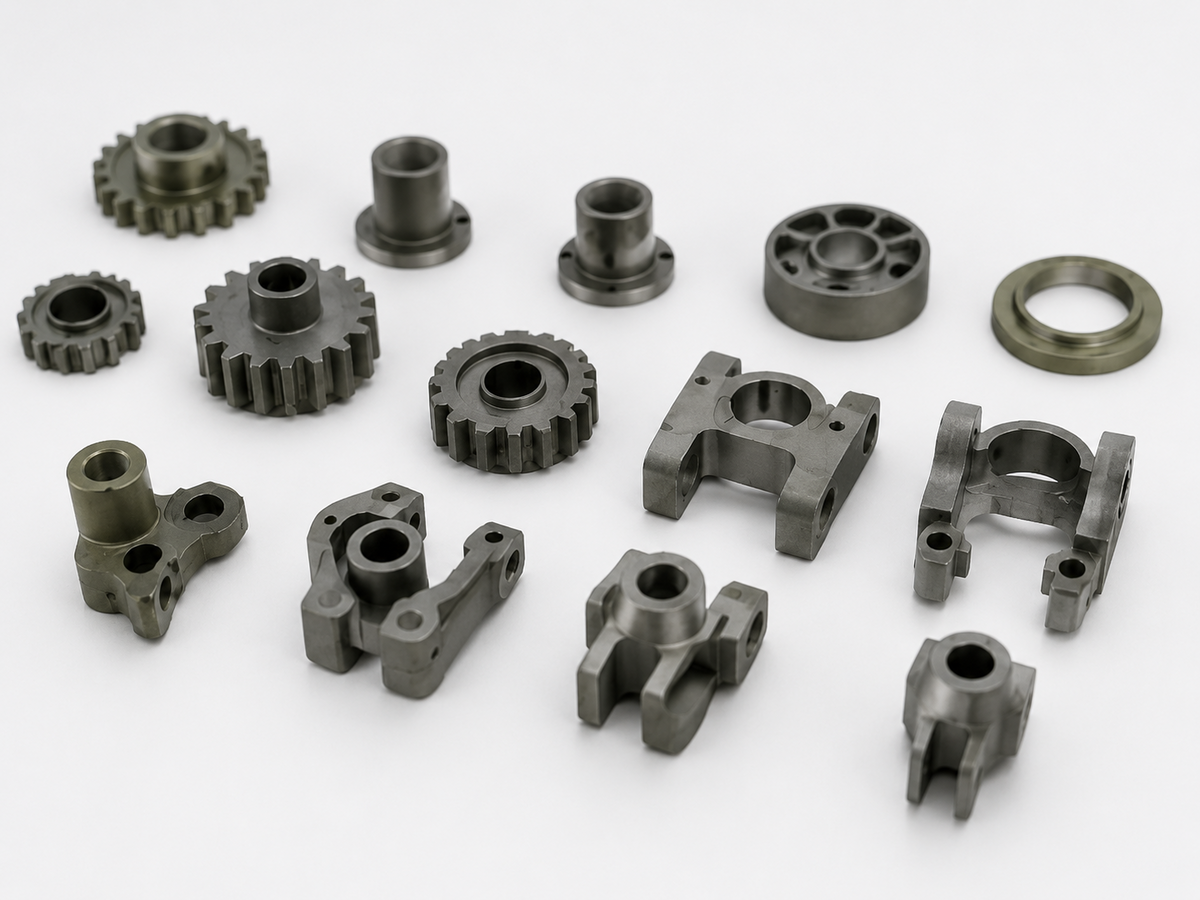
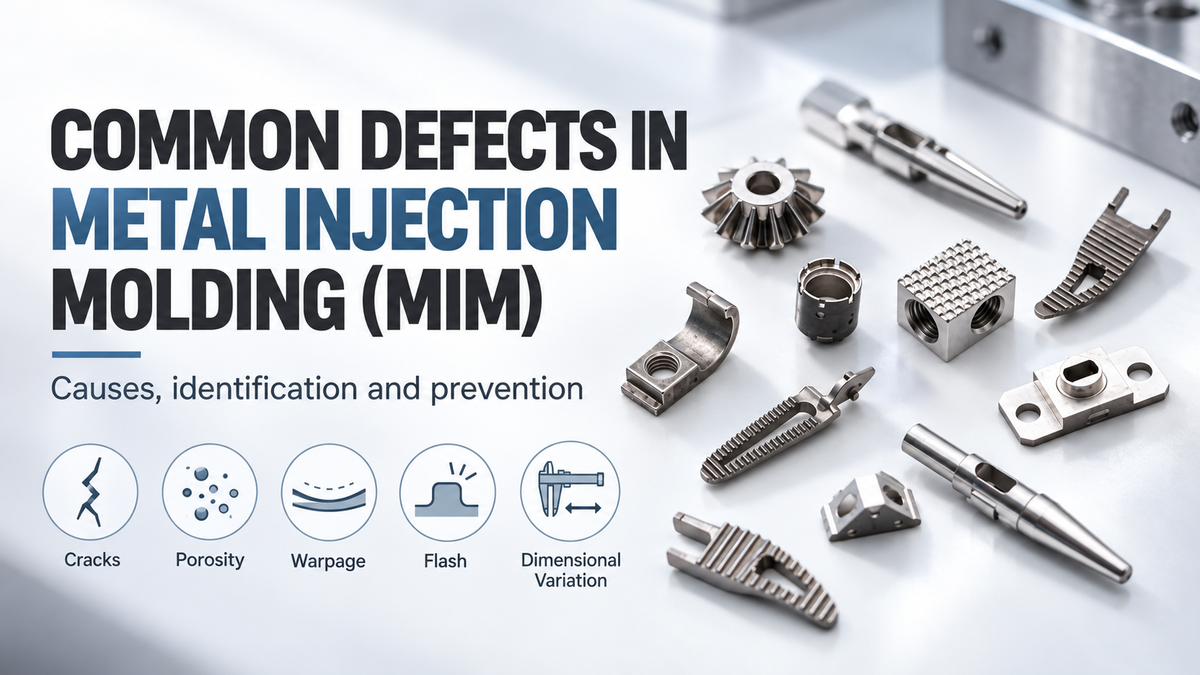
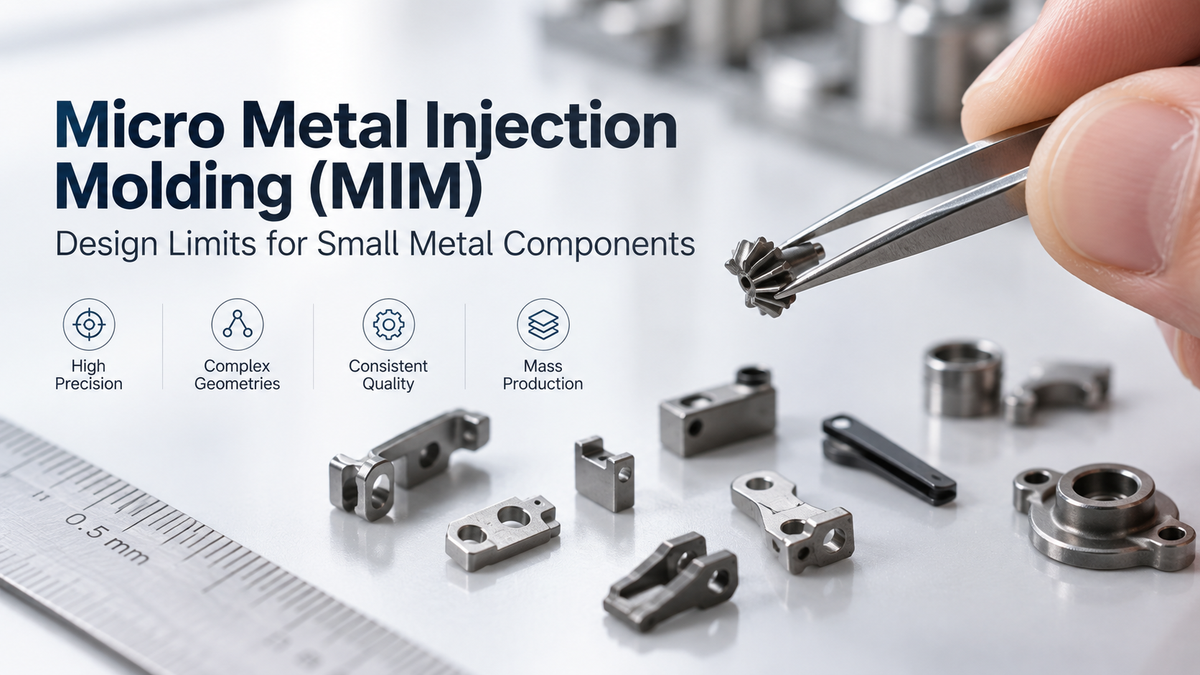
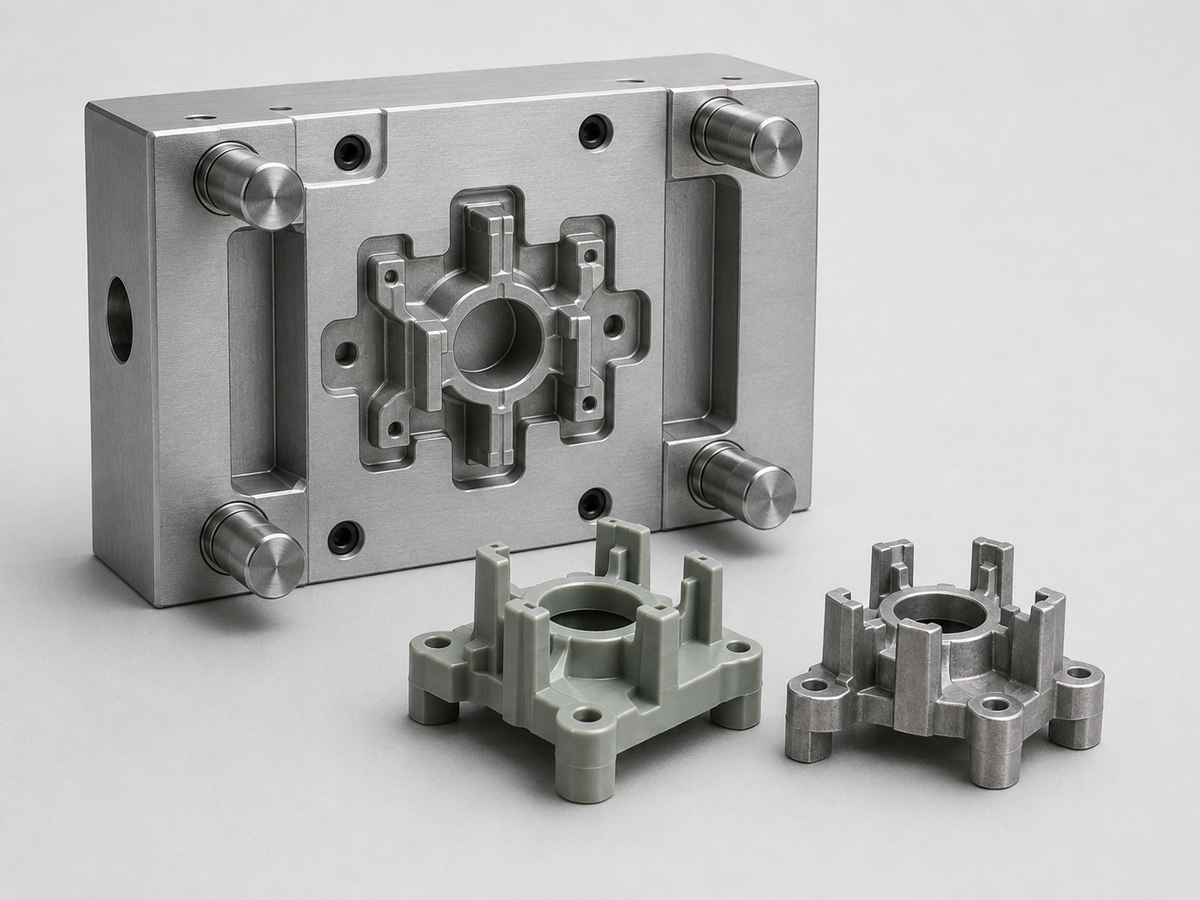
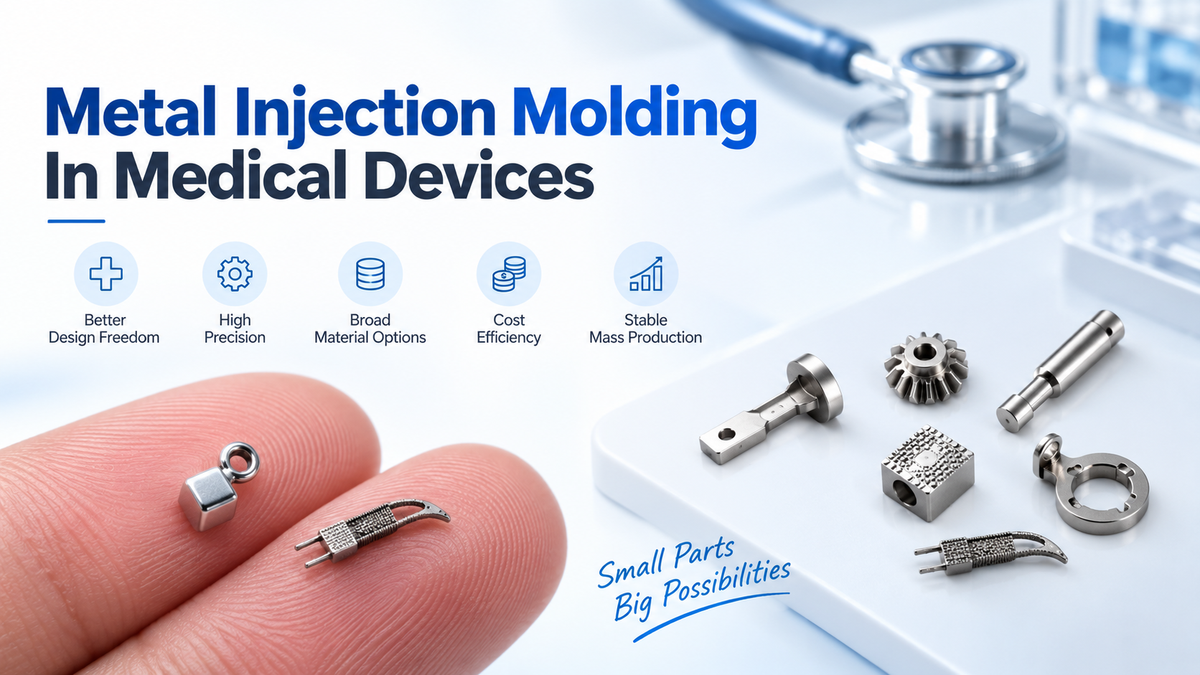
Surgical blades can be manufactured using the MIM (Metal Injection Molding) process, a manufacturing process in which metal powder is mixed with melted plastic and formed into the desired shape through an injection molding process. This process allows for the production of complex shaped parts with high precision and efficiency. Using the MIM process to produce surgical blades can make manufacturing costs lower, while also ensuring high precision and good surface quality. However, the use of the MIM process to produce surgical inserts requires consideration of factors such as the quality and composition of the metal powder to ensure that the quality of the product meets the requirements of medical devices.
In conclusion, the production of surgical inserts using the MIM process requires consideration of factors such as the quality and composition of the metal powder, and process parameters need to be optimized to ensure that the quality of the surgical inserts meets the relevant standards and requirements for medical devices.XY-GLOBAL has a strict process for each step from production to mass production. If you need surgical instruments and other related products, contact xy-global to have your problems solved by a professional engineering team and get high quality on-demand parts with professional prototyping and production capabilities. Our quotes and DFM analysis can be completed online in minutes, and quality parts can be delivered in days.
Share:
Relevance and Considerations for Plastic Injection Molding of Metal Inserts
Details of the Manufacturing Process and Application Limitations of Injection Molded Aluminum Materials