


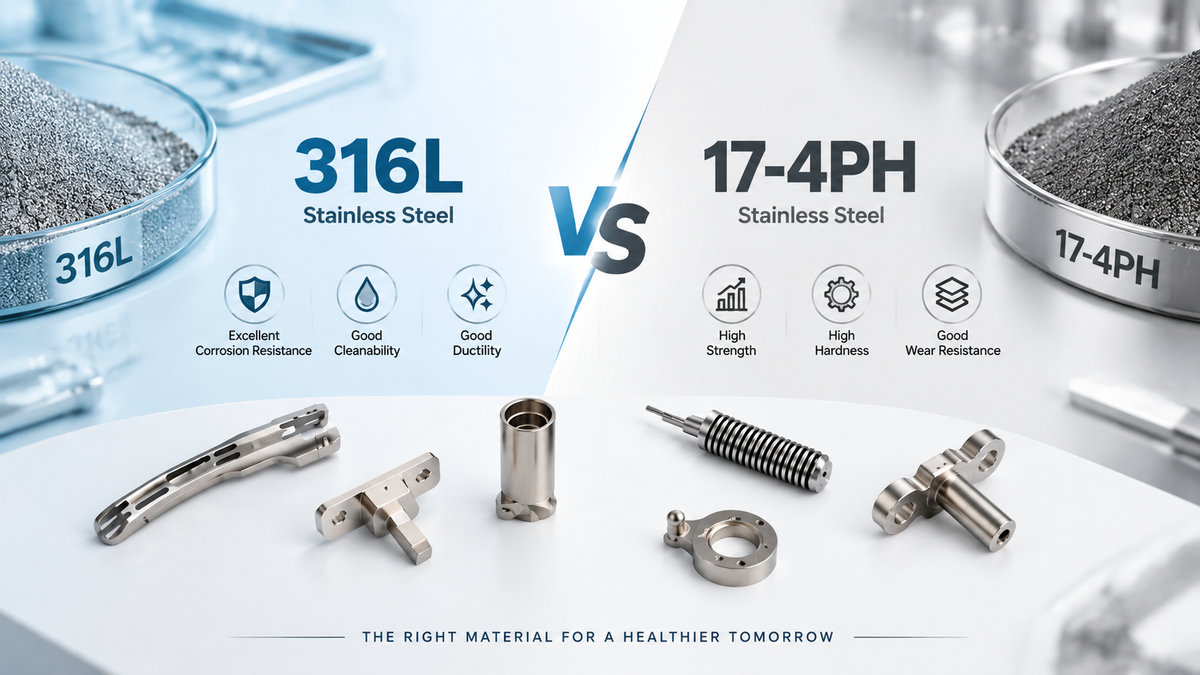
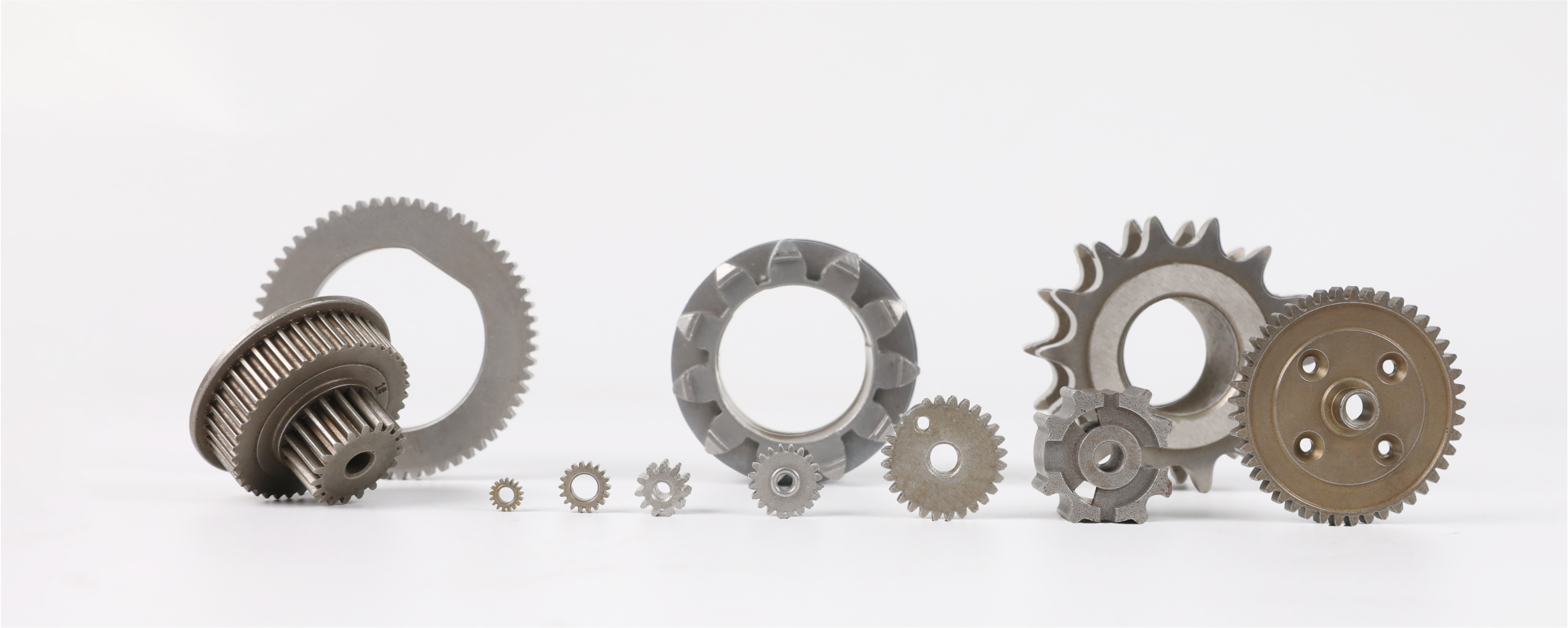
Nowadays, powder metallurgy processing is increasingly being applied in the machining industry. Stainless steel powder metallurgy technology can be used to directly make porous, semi-dense or fully dense materials and products. Stainless steel powder metallurgy processing has unique mechanical and physical properties that cannot be obtained by traditional melting and casting methods.

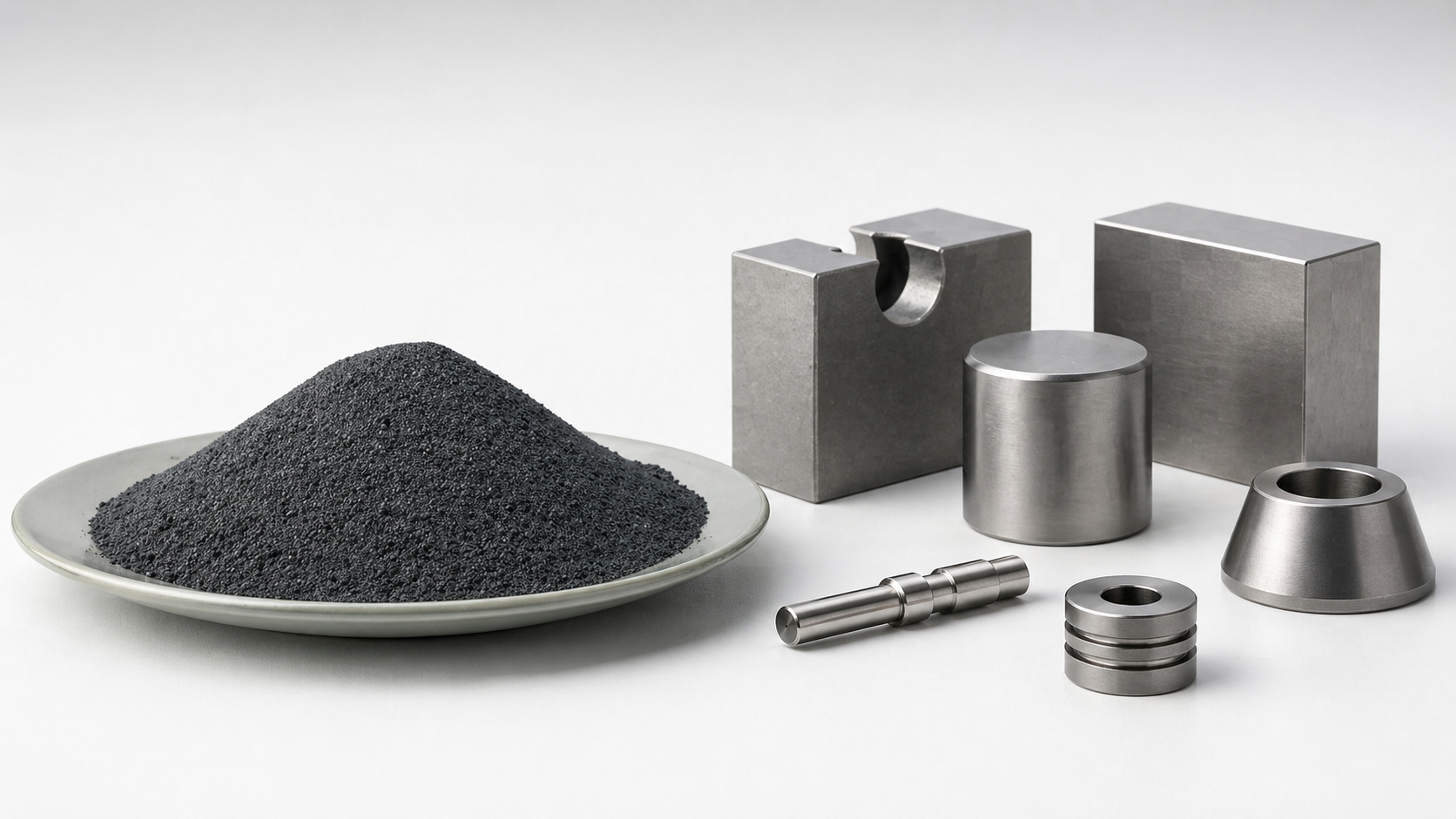
The main process of stainless steel powder metallurgy processing Stainless steel powder metallurgy processing mainly uses stainless steel powder as the raw material for processing, and is sintered and refined by forming method. In stainless steel powder metallurgy processing, the main processing flow is: mixing powder-pressing-sintering-finishing-post-processing. Post-processing also includes many contents, such as oil immersion, packaging, machining, etc. This processing flow is to first mix the prepared stainless steel powder to obtain a high-purity mixed powder, put the powder in a mold, press it into shape with a certain pressure, and then put the pressed green sheet in a controlled atmosphere sintering furnace, sinter it at a temperature lower than the melting point of the base material, so that the powder particles are changed by high-temperature treatment to form a metallurgical bond. Let's introduce the process of stainless steel powder metallurgy processing step by step.
1. Mixing:
Mix the stainless steel powder with the additives, stir according to the time requirements to form a high-purity mixed powder.
2. Forming:
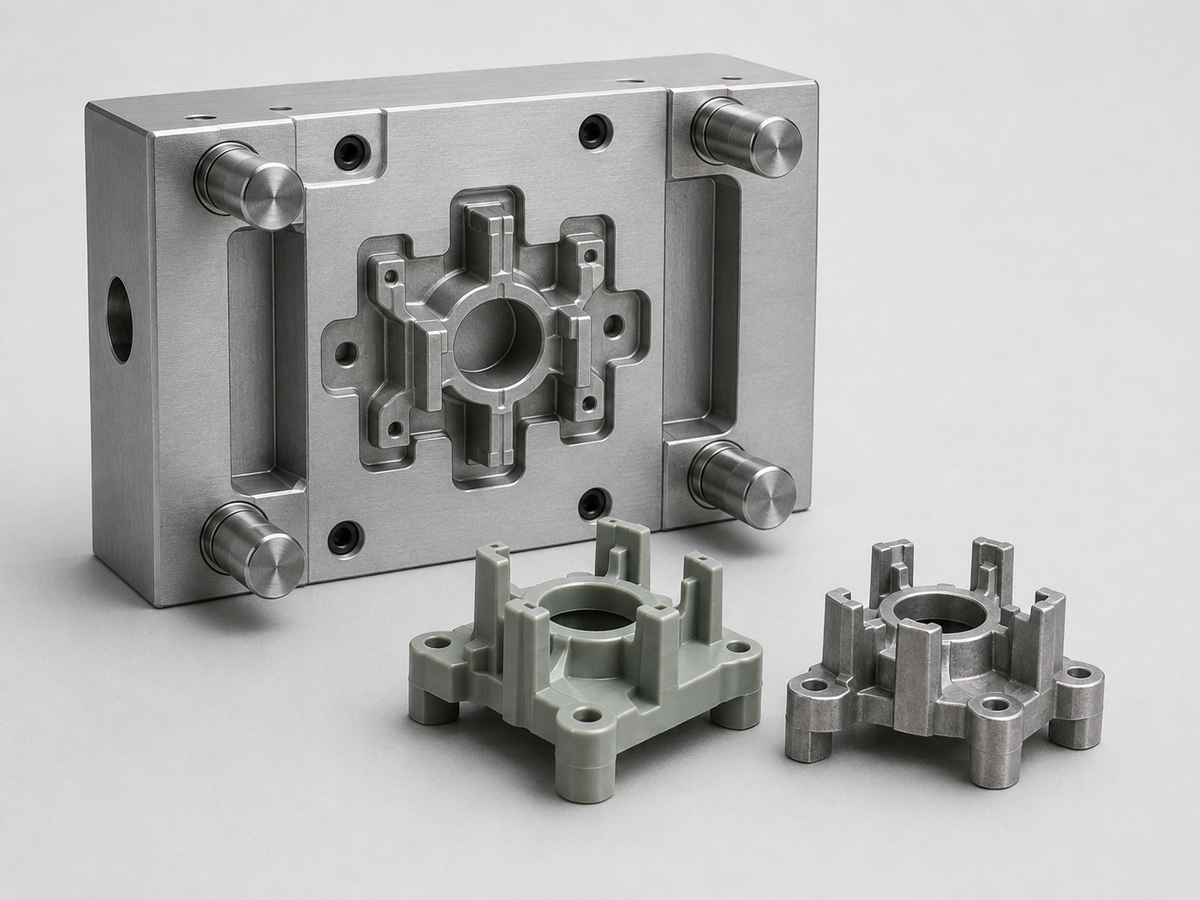
Press according to the size, structure, shape and design mold drawings of the product to make a carbide mold, then install the machine for mold testing, and test the sample. The mold design and production cycle is one week.
3. Degreasing:
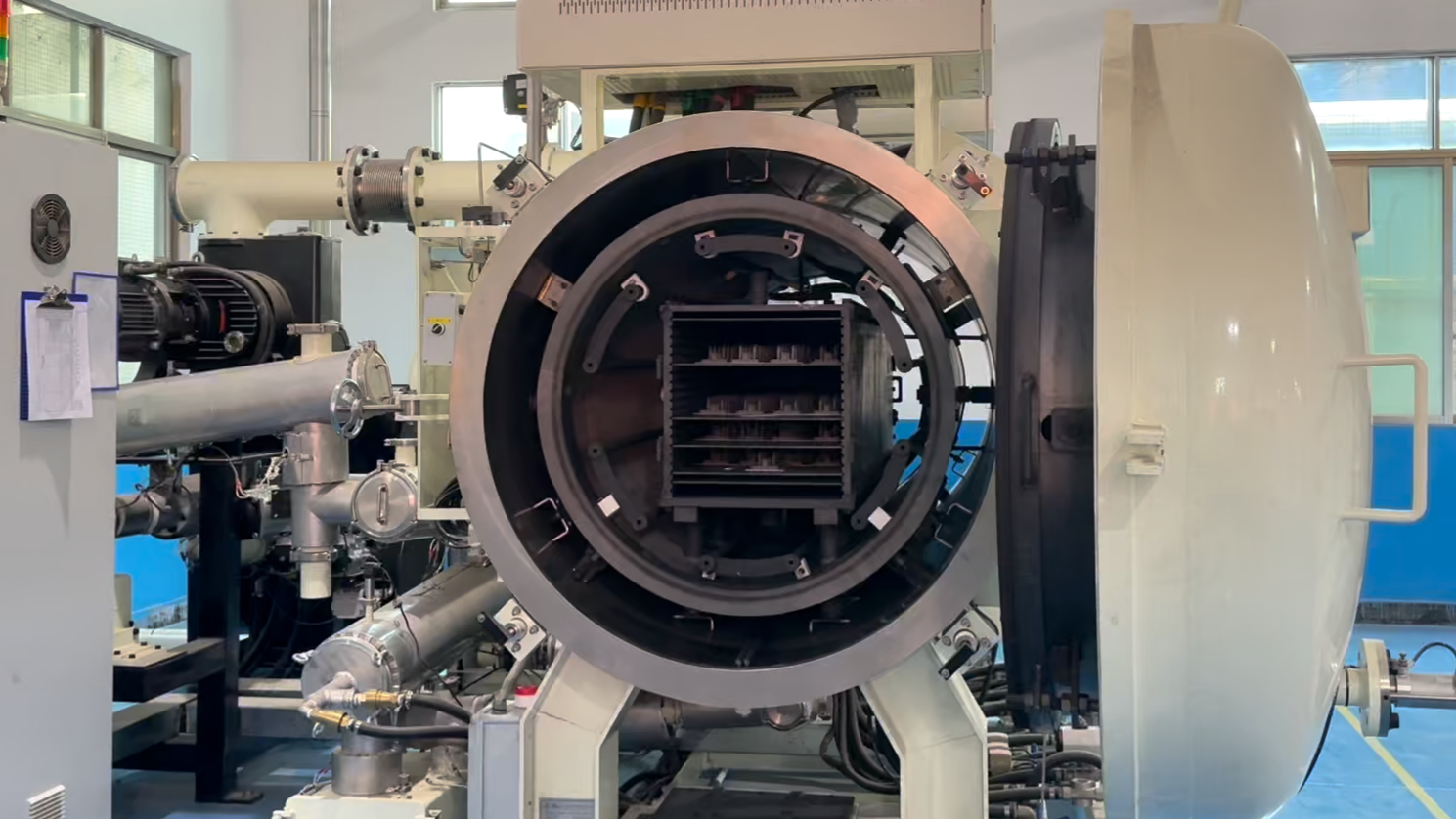
The temperature of degreasing is controlled at 800 degrees, and the vacuum bell furnace or mesh belt furnace is used for degreasing. The purpose is to remove the added lubricant.
4. Sintering:
In the processing of stainless steel powder metallurgy, sintering is the key process. The final physical and mechanical properties required by the compact after forming are obtained by sintering. Sintering is divided into unit system sintering and multi-component system sintering. In actual production, for the solid phase sintering of unit system and multi-component system, the sintering temperature is lower than the melting point of the metal and alloy used.
5. Subsequent treatment:
Subsequent treatment after sintering can be completed in different ways according to the different requirements of the product. For example, finishing, oil immersion, machining, heat treatment and electroplating are commonly used in actual production. In addition, in recent years, some new processes have emerged, such as rolling, forging, etc. These processes can also be applied to the processing of powder metallurgy materials after sintering to obtain more ideal processing effects.

Share:
Advantages and Disadvantages of MIM Metal Injection Molding Compared with Traditional Processing Technology
Reasons for Impregnation of Powder Metallurgy Products