

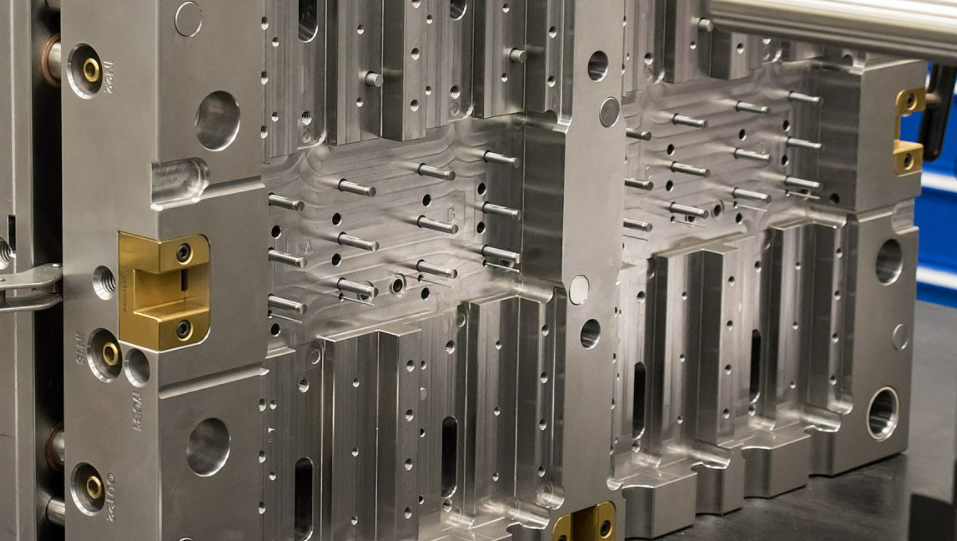
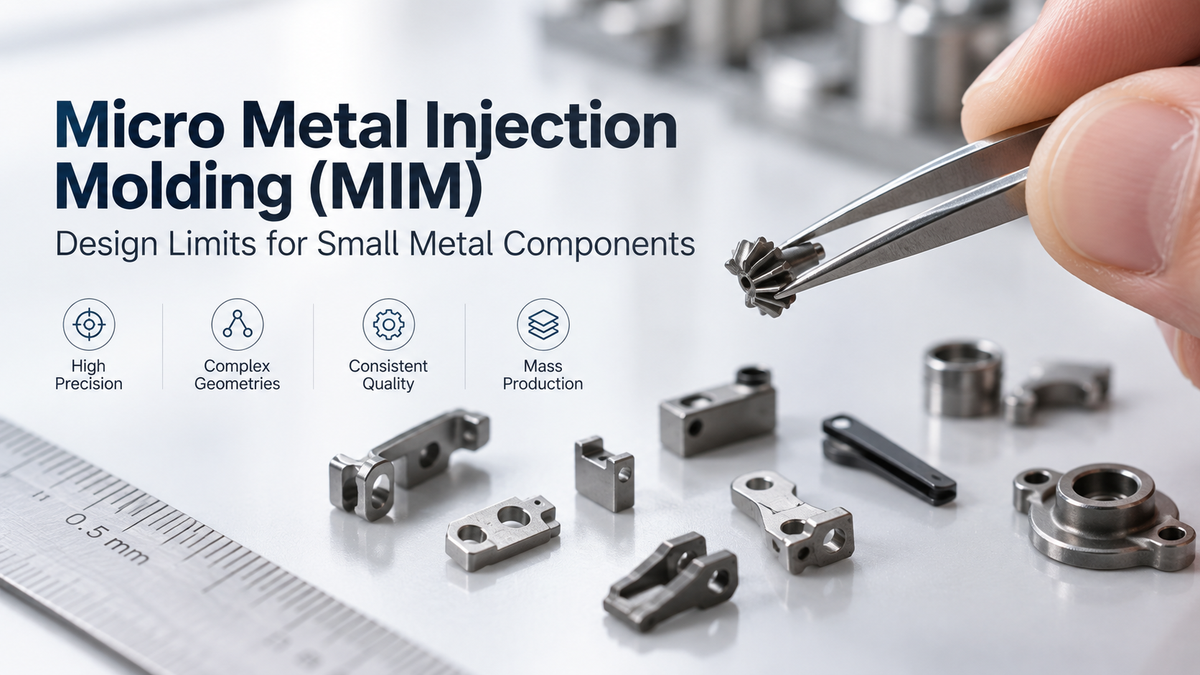
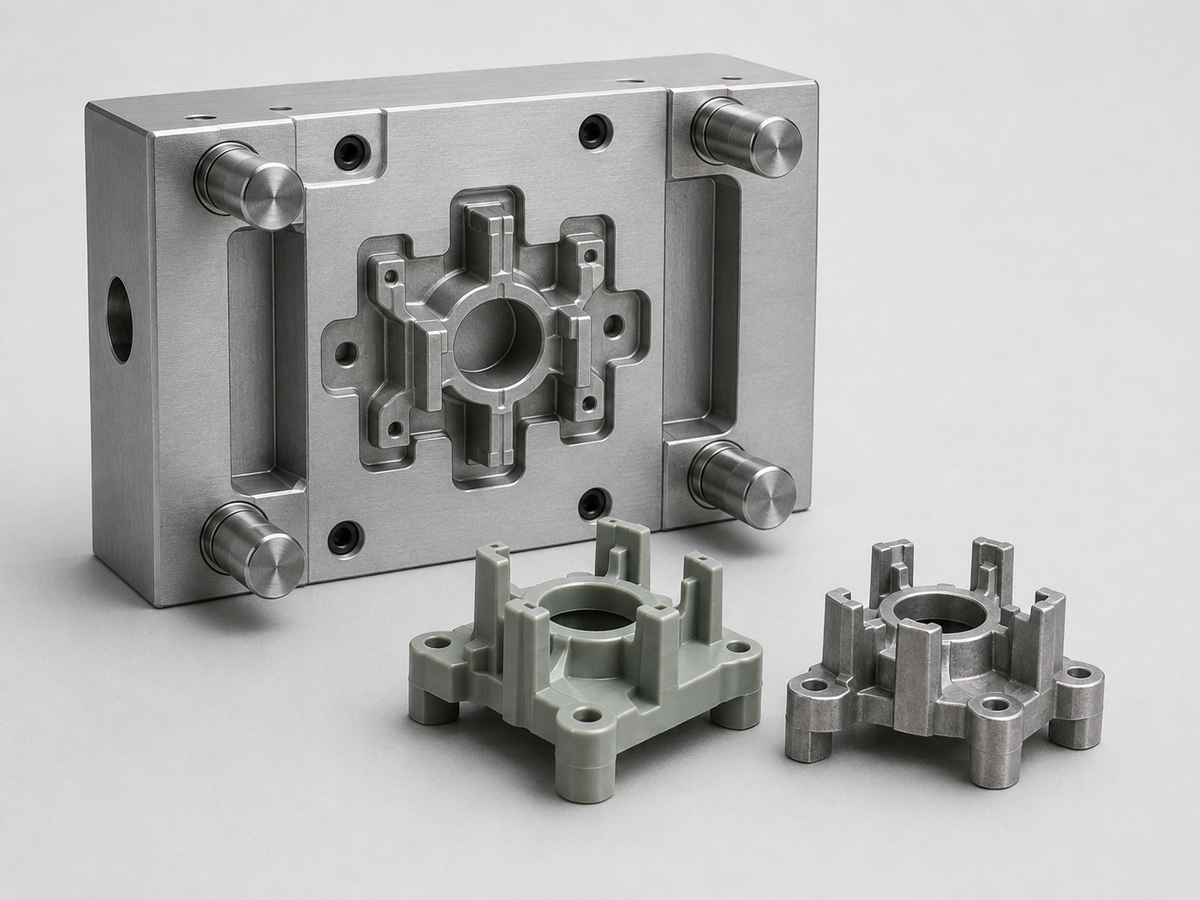
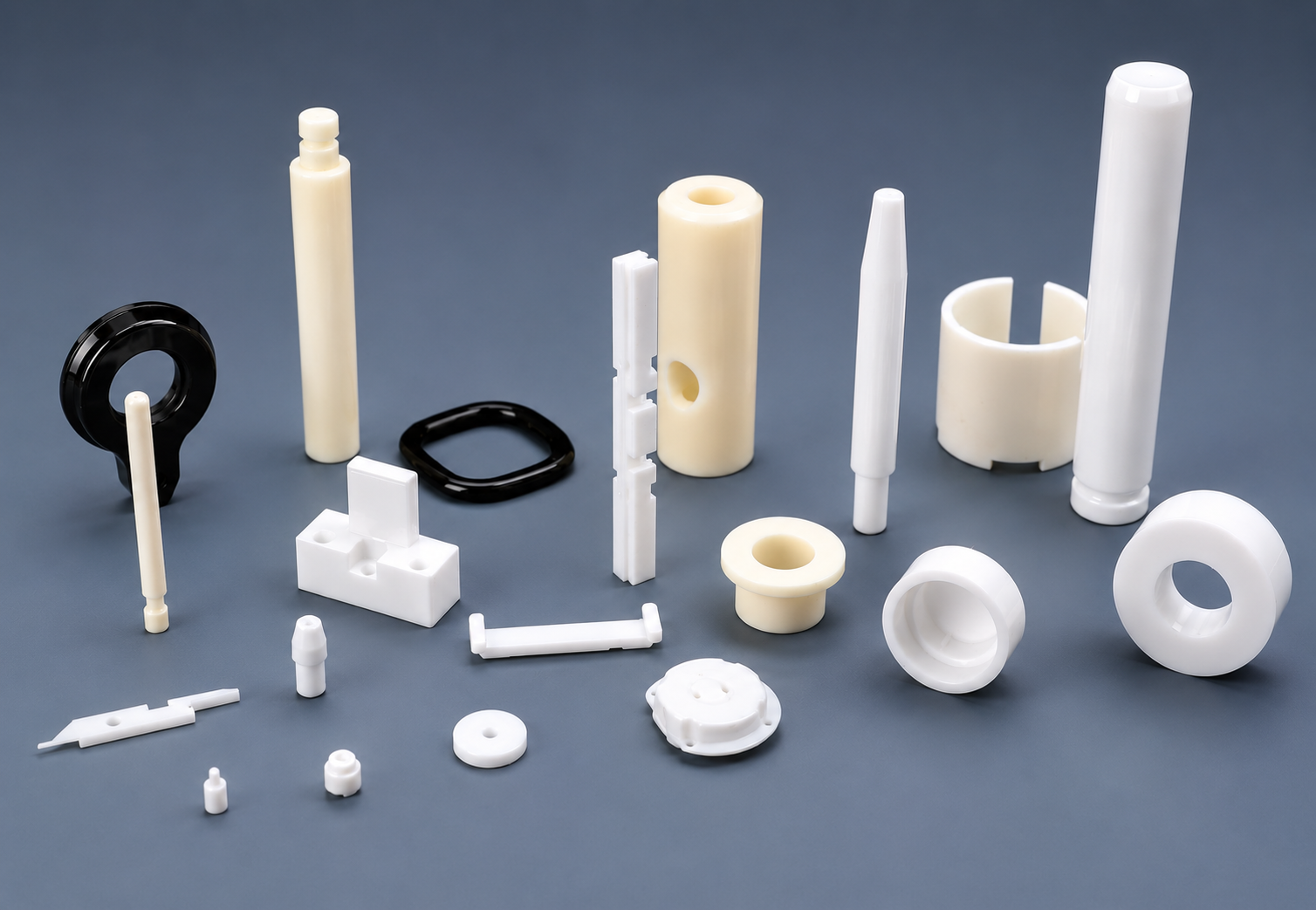
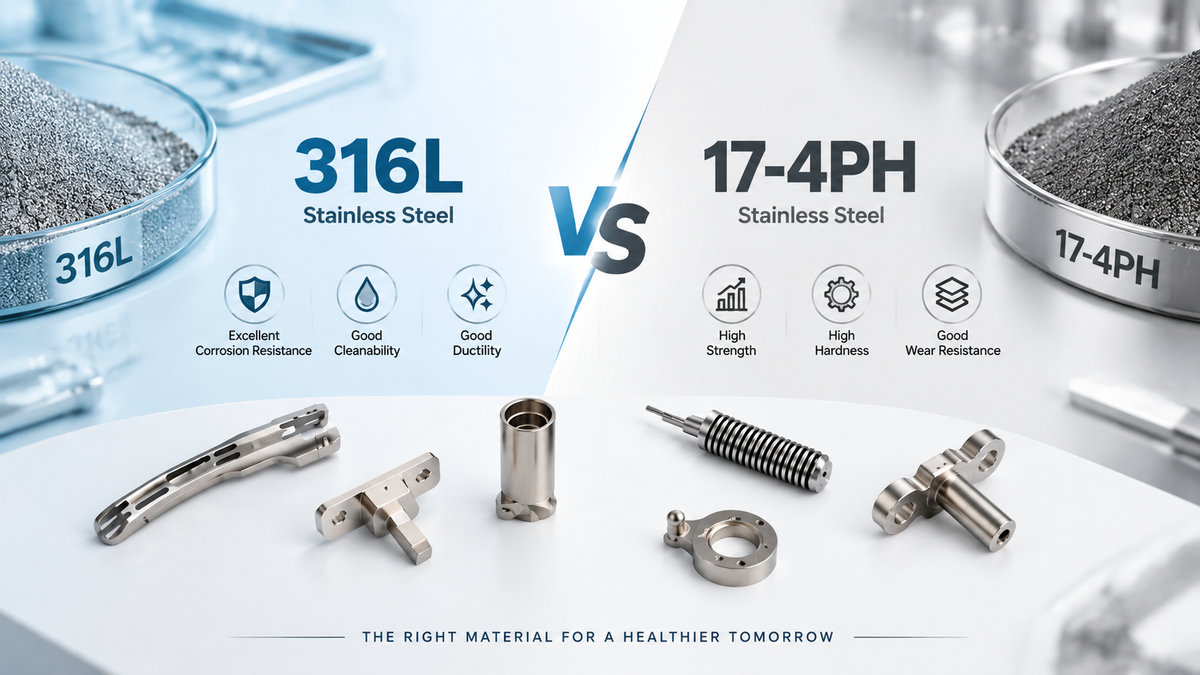
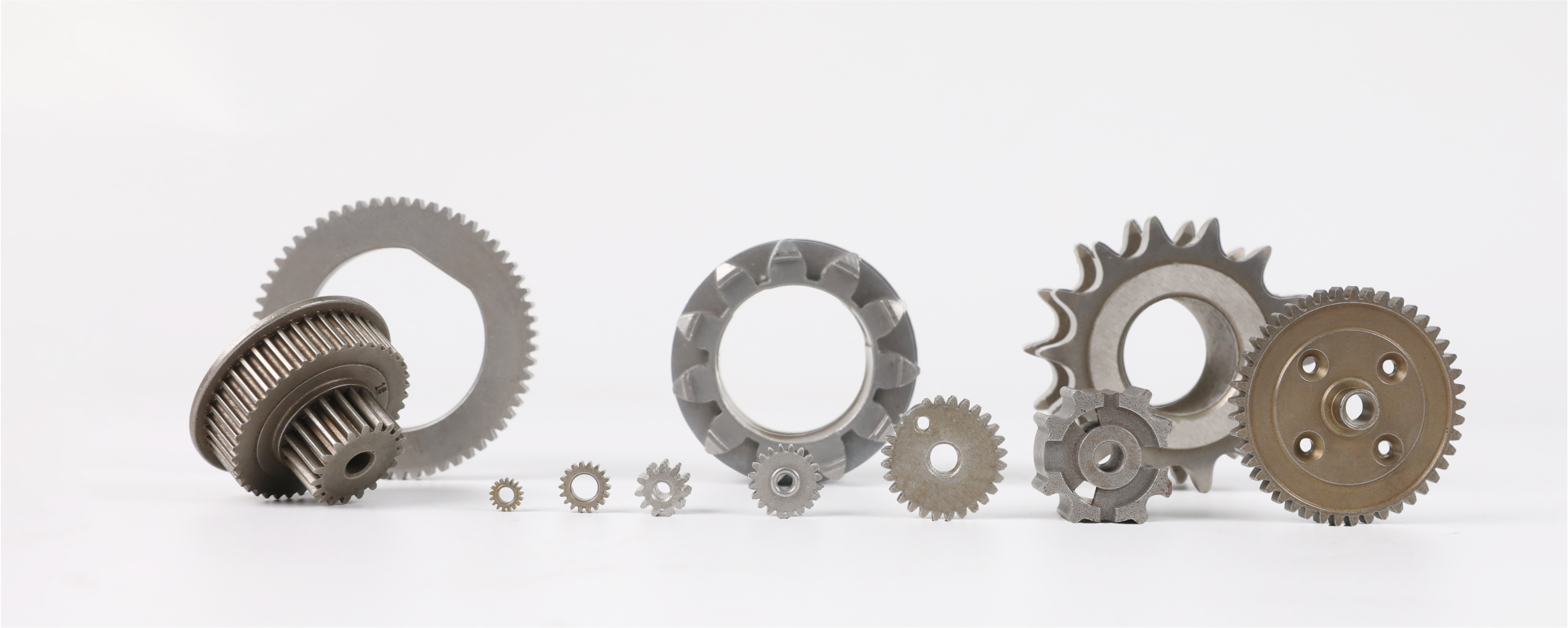
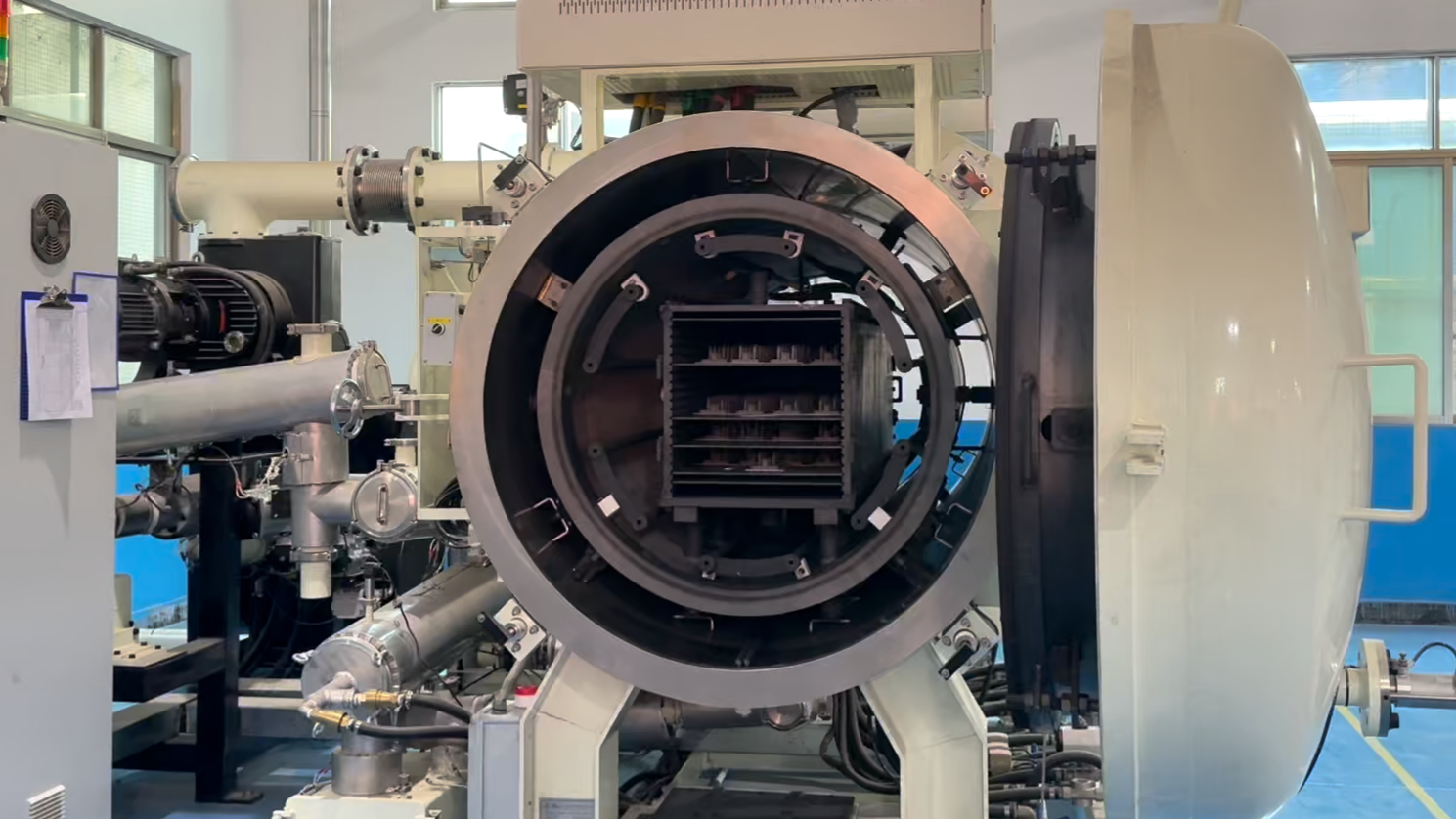
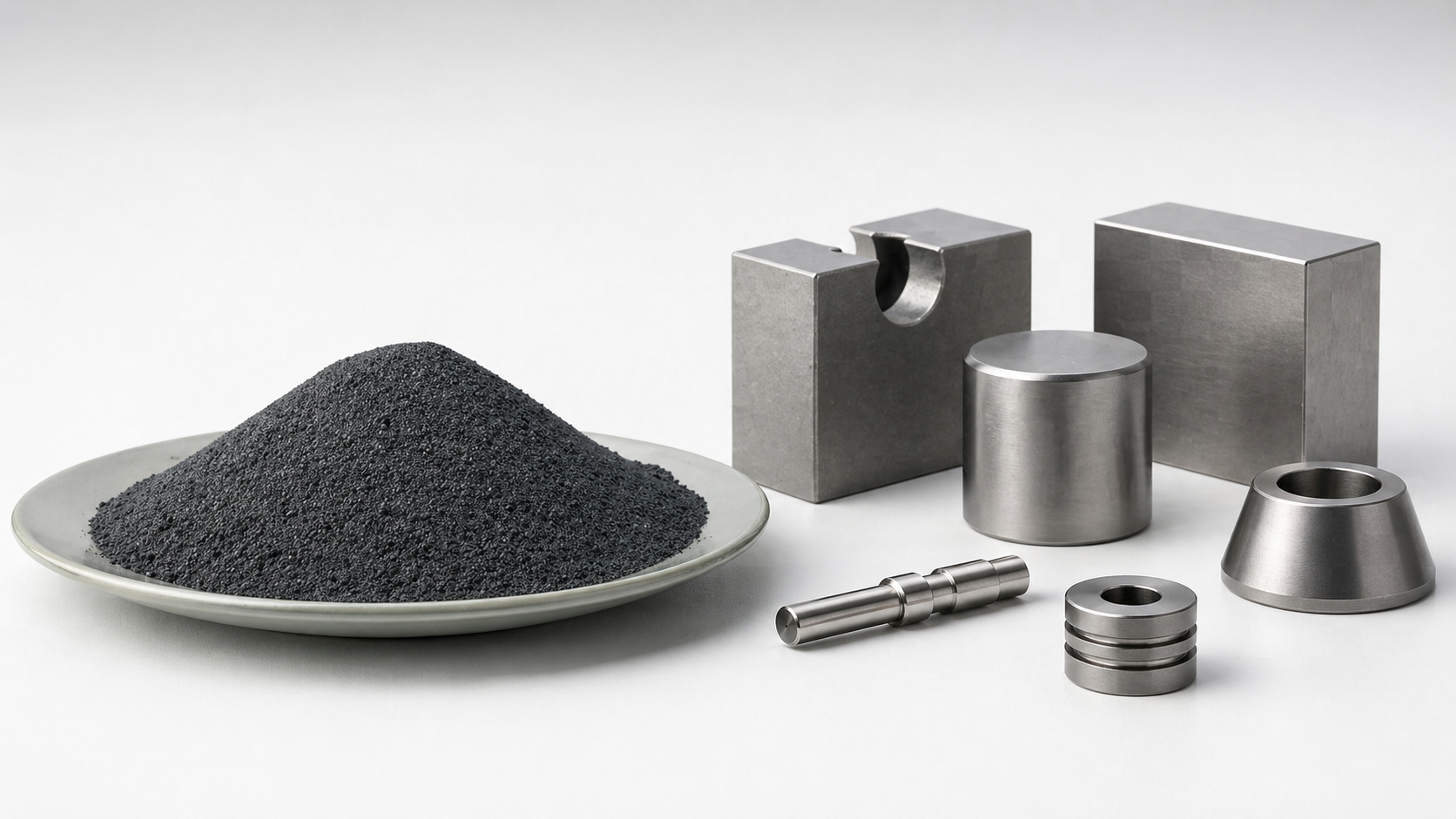
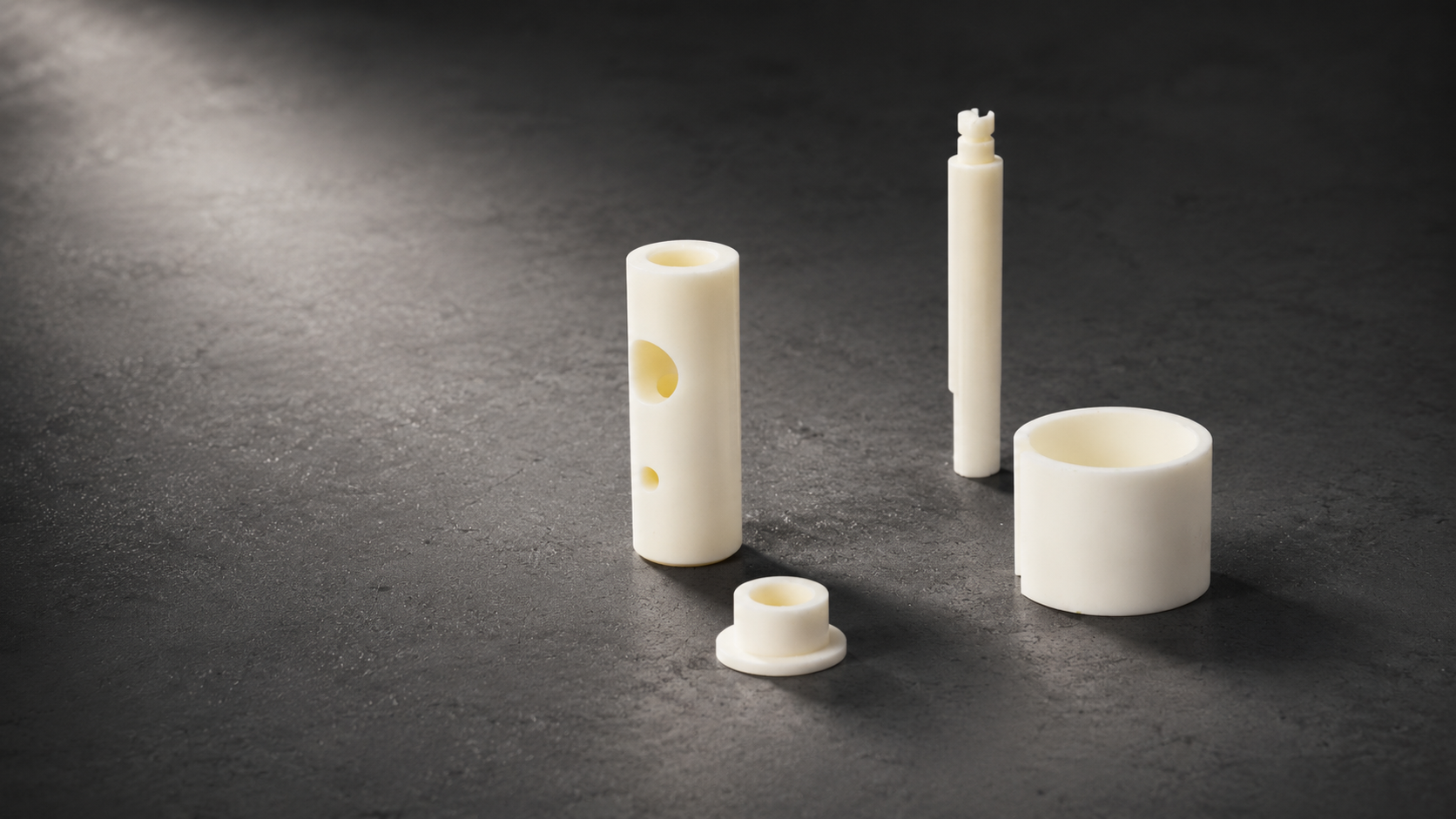
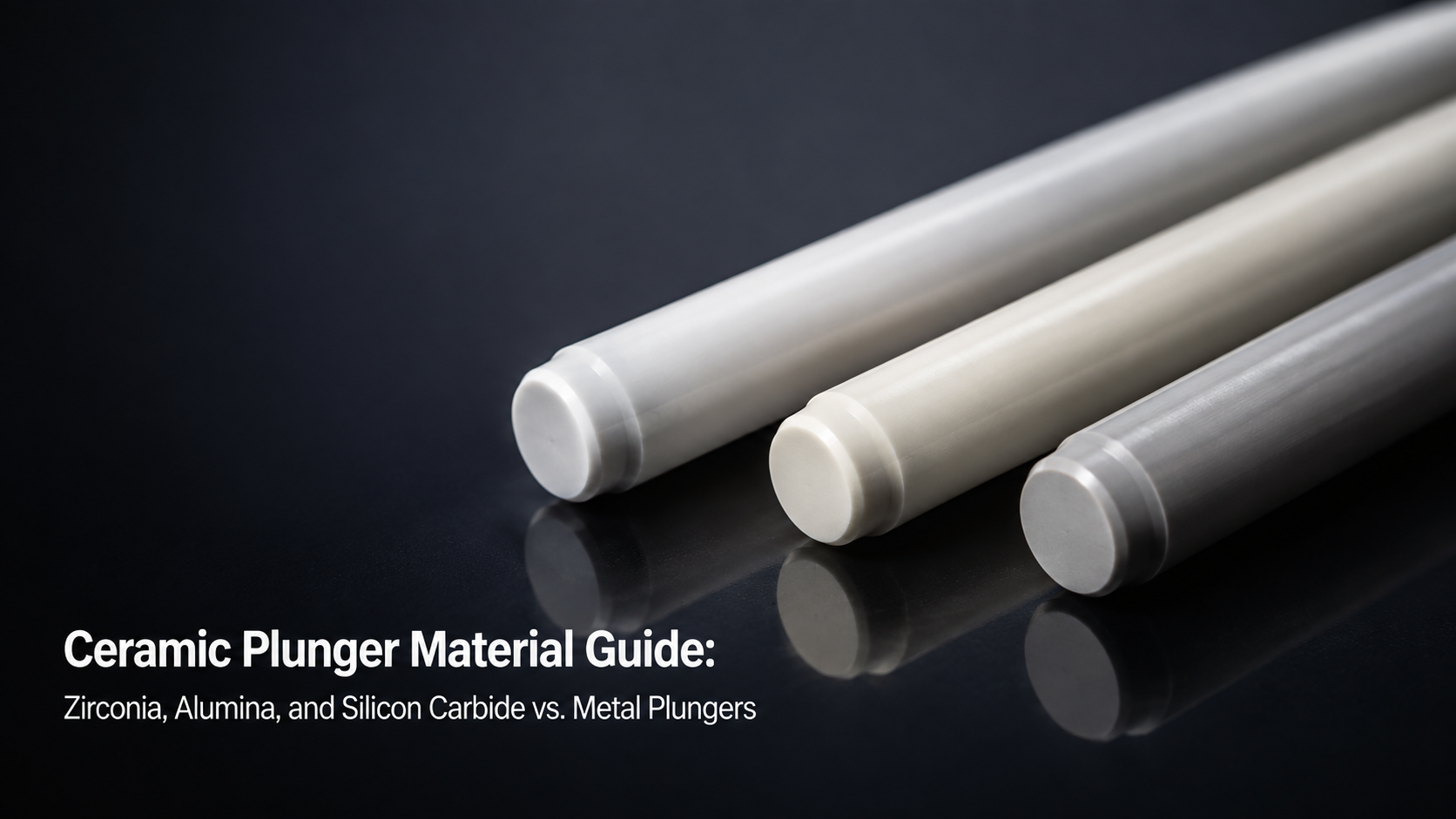
MIM produces a wide range of high-performance, complex-shaped components that require little or no machining. Because of the high final density, MIM products have properties that are equivalent to those gained with other fabrication routes. There is exceptional material flexibility, in that the same equipment can be used to produce metals (steels, stainless steels, tungsten composites, titanium), ceramics (namely alumina and zirconia, but some silicon nitride too), and cermets (tungsten carbide and other wear materials).
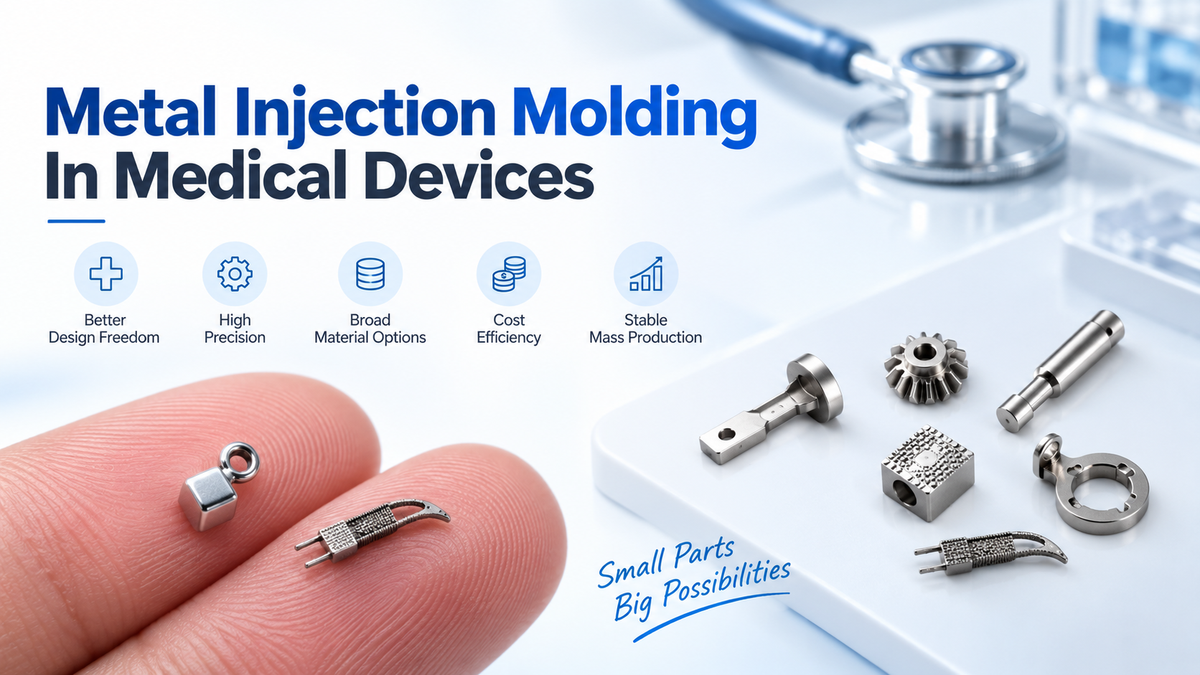
Secondary benefits include high equipment productivity, high material utilization, good surface finish, and good tolerances. For example, producing both internal and external threads in the molded component is an option, thereby avoiding machining. Also, serrations, waffle patterns, part identification numbers, and insignias can be molded directly into the component. One example is shown where serrations for gripping are molded directly into the component. Controlled pores are possible, and even stratified pores or phases are possible to provide custom functionality.

MIM provides a means to form large production quantities. Some components are produced at rates exceeding 200,000 per day. On the other hand, small production runs are possible, with as few as 5,000 parts per year. However, as with all technologies, the essence centers on economics.
MIM is cost advantageous for complex shapes when compared with options such as machining, casting, or forging. This advantage comes from the elimination of manufacturing steps. Also, the process has little material loss, a point especially important for costly raw materials such as refractory metals, titanium, and superalloys.
MIM has gained much credibility and achieved broad industrial acceptance.
Share:
The Advantages of Mim for Custom Metal Fabrication
MIM Tooling Design