

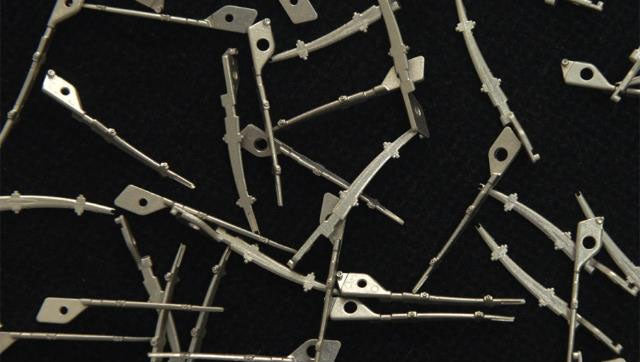
Factors Affecting MIM Costs
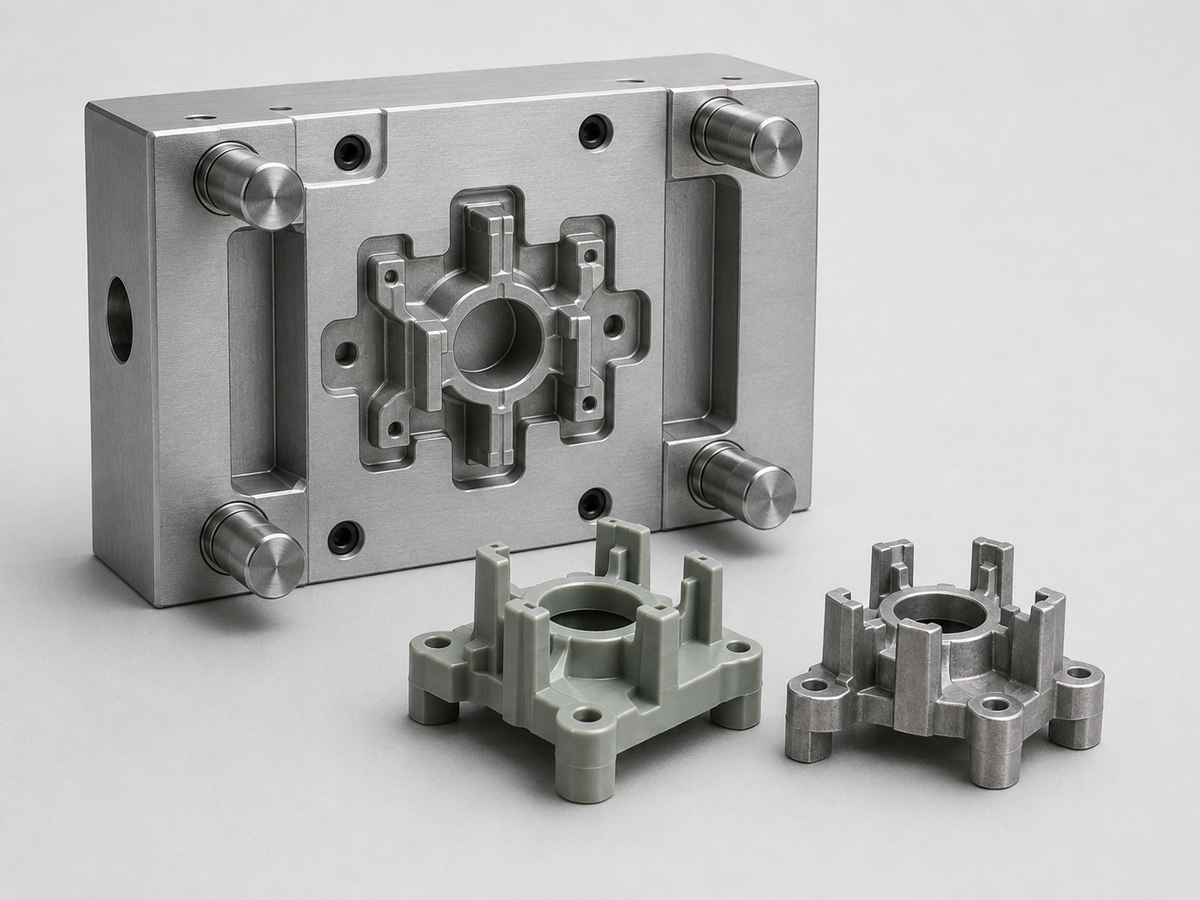
When it comes to cost and potential cost savings, there are three common ways to produce metal injection molds:
1. CNC Machining
2. 3D Printing
3. Electrical Discharge Machining (EDM)
Metal Injection Molding Techniques
1. CNC Machining
CNC Machining, or Computer Numerical Control Machining, uses computerized controls to produce large amounts of identical pieces with very unique requirements, measurements, sizes, and weights.
A downside to CNC machining is that the molds may require multiple tool changes, slowing down the process and therefore increasing the cost. Additionally, CNC machining requires skilled workers and a dedicated workspace – this leads many manufacturers to outsource production to other service providers.
2. 3D Printing
Additive Manufacturing (AM), sometimes referred to as 3D printing, is being seen more and more in factories and manufacturing industries due to its efficiency. AM allows for a large amount of variety in specs, measurements, thicknesses, depths, and other intricacies, so the level of design freedom created with this technique is quite expansive. AM also creates molds that allow for better detail and surface finish, which is desirable for metal components.
Molds can quickly be 3D printed and tested before mass production, providing both time and cost savings. Skilled workers can be used for higher-value tasks while the printing process is taking place. Lastly, 3D printed molds are created by adding material layer-by-layer instead of taking away material like subtractive techniques. This leads to less waste and additional cost savings.
3. Electrical Discharge Machining (EDM)
Electrical Discharge Machining or EDM is a technique that removes unwanted material by using electrical discharges. In this case, the unwanted material is excess metal that the process erodes until the desired shape and design are created.
Unlike 3D printing, material is being taken away, leading to more wasted material. Similar to CNC machining, EDM is an industrial process that’s often outsourced to machine shops.
Share:
Top 10 Advantages and Disadvantages of Using Additive Manufacturing
What Is the Metal Binder Jetting Process