

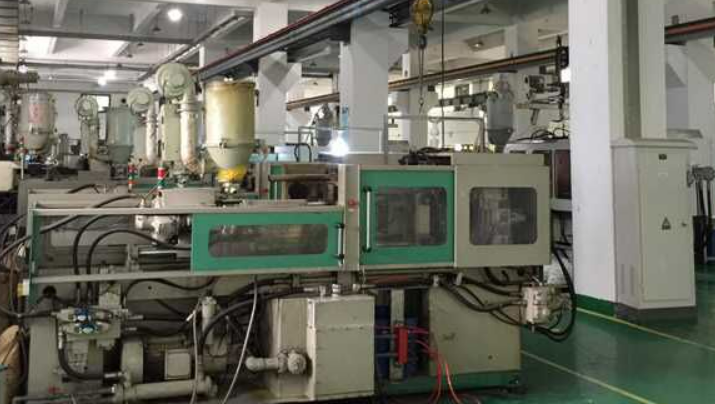
The process is referred to as a type of additive manufacturing because it adds material during the process, as opposed to subtractive manufacturing techniques (milling, grinding, cutting, etc.) that remove material from a solid block. Layers are added, rather than taken away and scrapped, leading to less waste.
During the binder jetting process, a binding agent is selectively deposited onto a powder bed, bonding the areas together to form a solid part, one layer at a time. Similar to traditional paper printing, the binder functions like the ink as it moves across the layers of powder, which, like paper, transform into the final product.
Advantages of Metal Binder Jetting
You can produce multiple iterations of a single part in one print, reducing part costs and development time
Cutting down on wasted material and post-processing time
Binder jet systems can recycle and reuse up to 99% of stray powder
Rapidly advancing technology is enabling the production of larger parts and opening paths to a wider range of material options
Ability to produce complex designs without increasing costs
Share:
Understanding Metal Injection Molding Costs for Parts & Tooling
Design Considerations for Metal Injection Molding