

Conoscenza
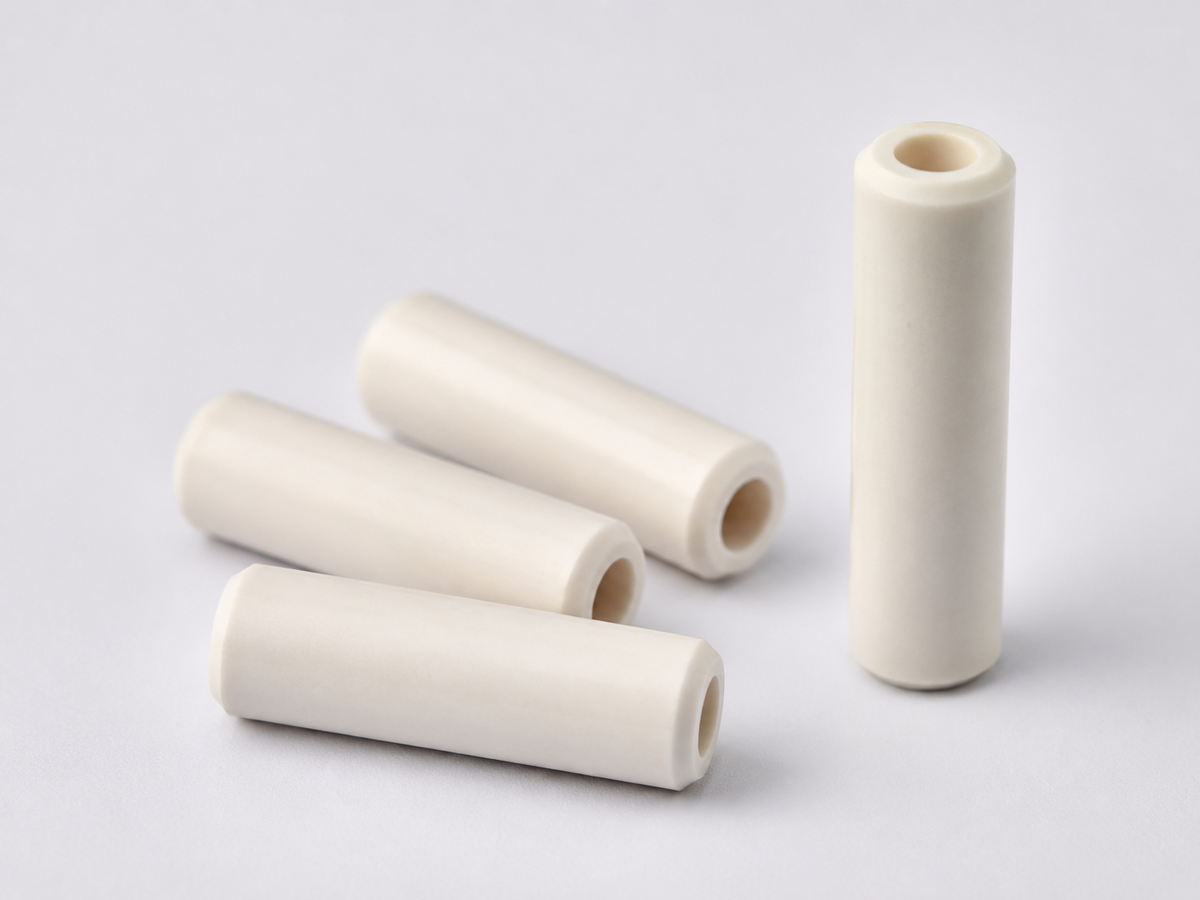
Produttori di isolatori ceramici personalizzati per applicazioni industriali
Elettriche isolamento diventa più impegnativo quando componenti devono operare in alta temperature, meccanico carichi, o impegnative industriali condizioni. Convenzionale plastico isolatori può ammorbidirsi, deformarsi, o perdere prestazioni, mentre metallico componenti non può fornire elettrico isolamento. Questo è perché molti apparecchiature...
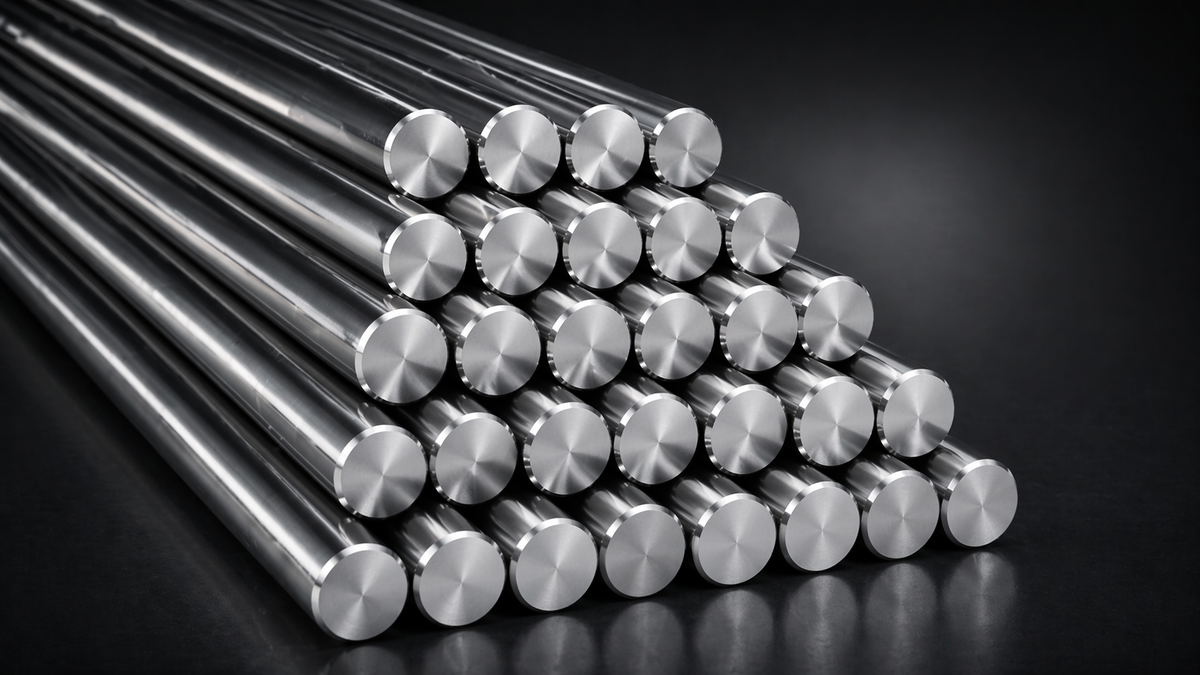
Stampaggio MIM | Servizi di stampaggio a iniezione di metalli personalizzati
Che cos'è lo stampaggio MIM? Lo stampaggio MIM (stampaggio a iniezione di metalli MIM) è un processo di produzione avanzato che combina la tecnologia dello stampaggio a iniezione della plastica con la metallurgia delle polveri per produrre componenti metallici complessi...
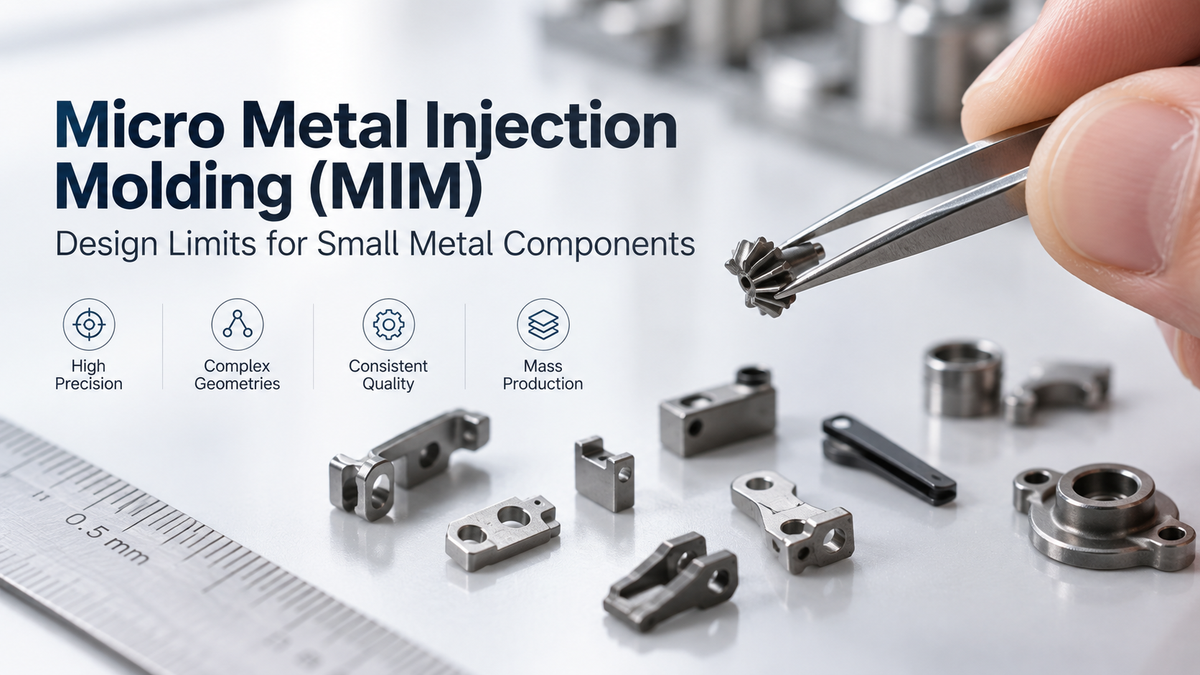
Lo stampaggio a iniezione di metallo (MIM) è particolarmente adatto alla produzione di piccoli pezzi metallici con geometrie complesse, soprattutto quando i metodi di produzione convenzionali diventano inefficienti o difficili da scalare. Tuttavia, per i componenti molto piccoli, la sfida...
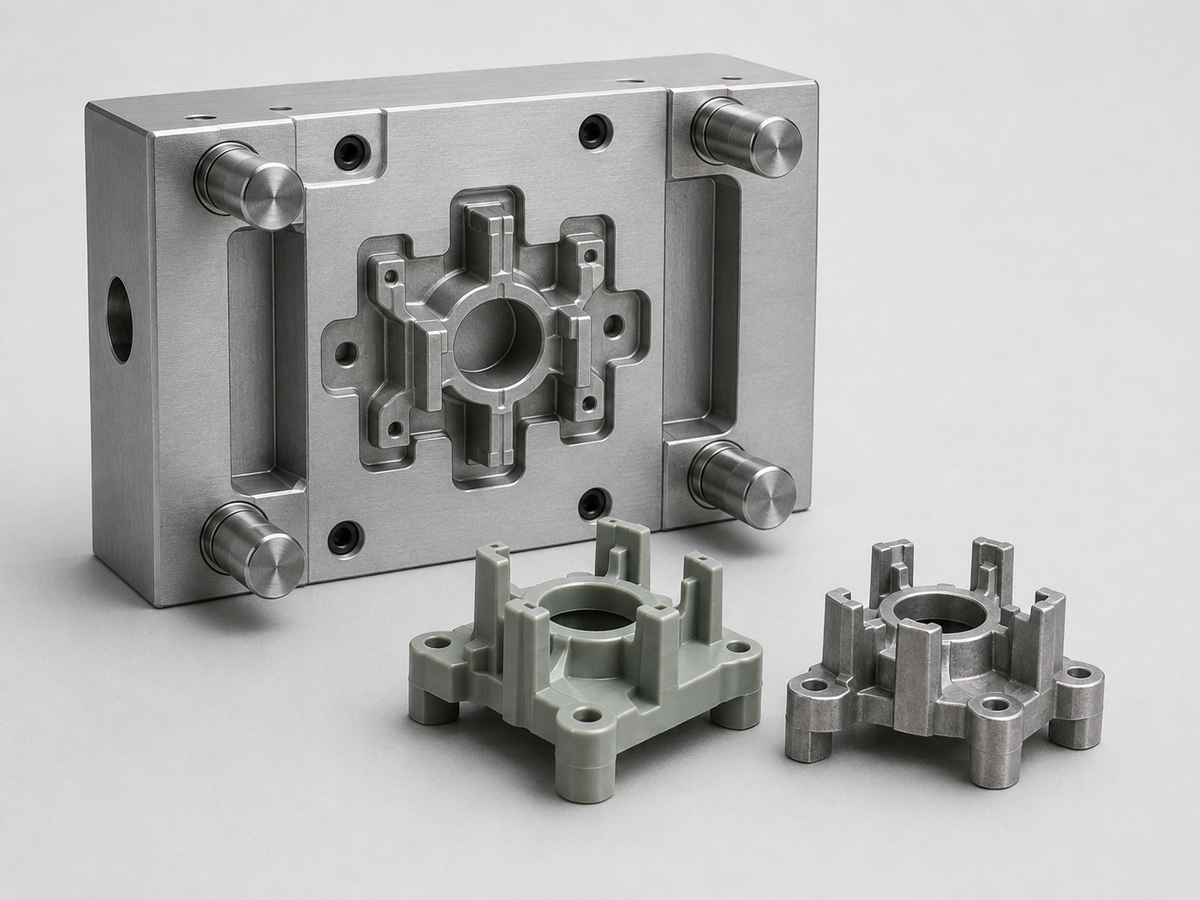
Pressatura di polveri metalliche per componenti metallici ad alta precisione
La pressatura delle polveri metalliche è un processo produttivo conveniente per realizzare componenti metallici con dimensioni stabili, forme complesse ed elevata ripetibilità. A differenza della lavorazione meccanica tradizionale, che rimuove materiale da un blocco pieno, la pressatura delle polveri metalliche...
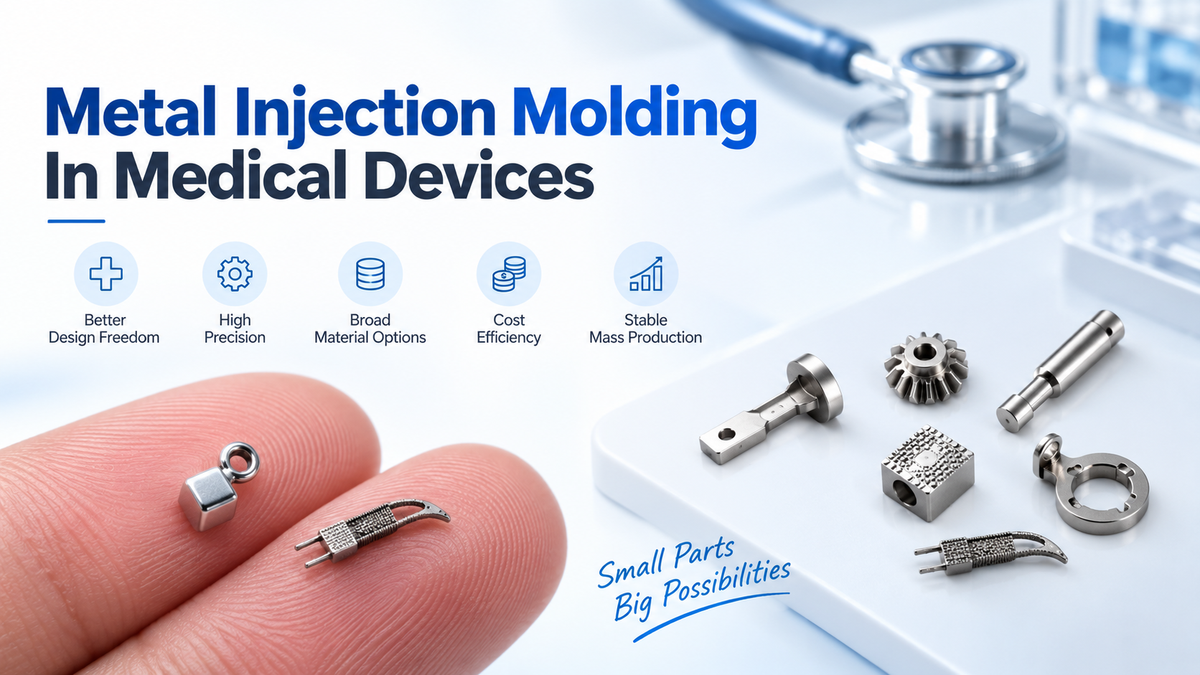
Quando un dispositivo medico diventa più piccolo, i componenti al suo interno diventano generalmente più difficili da realizzare. Uno strumento chirurgico può richiedere un minuscolo componente mobile, una ganascia complessa o un piccolo meccanismo di bloccaggio che deve comunque funzionare...
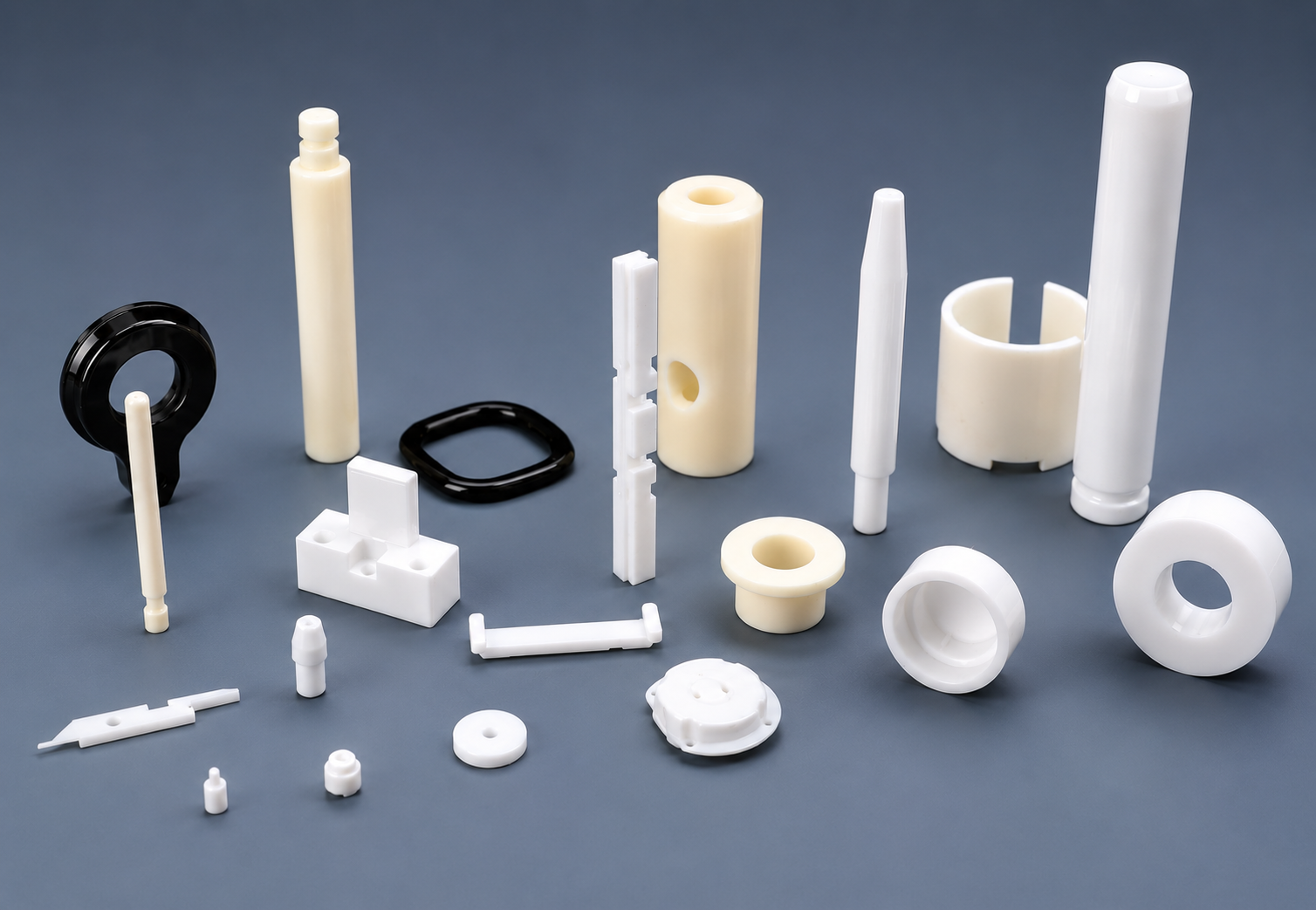
Stampaggio a iniezione della ceramica (CIM) per la produzione di ceramiche avanzate
Che cos'è lo stampaggio a iniezione della ceramica (CIM)? Lo stampaggio a iniezione della ceramica (CIM) è un processo di produzione basato sulla metallurgia delle polveri, che utilizza polveri ceramiche fini miscelate con un sistema legante polimerico per produrre componenti...
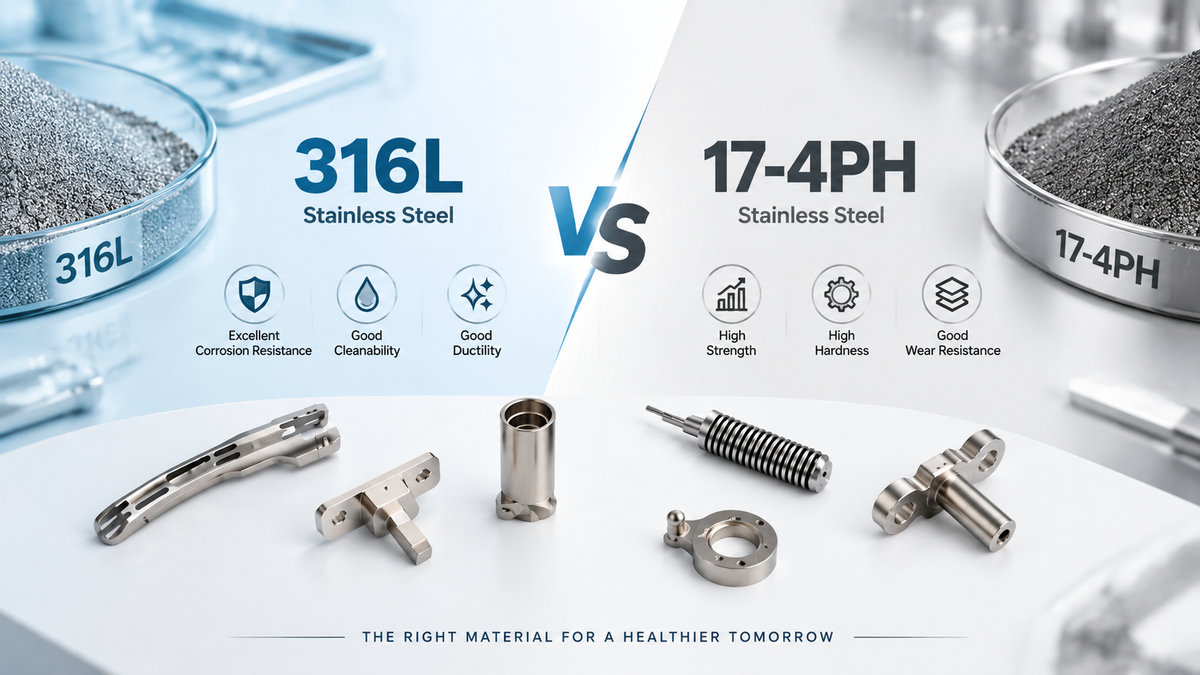
316L vs 17-4PH per componenti medicali realizzati con stampaggio a iniezione di metalli (MIM)
Il 316L e il 17-4PH sono gradi di acciaio inossidabile comunemente utilizzati per le parti medicali. Entrambi sono adatti allo stampaggio a iniezione di metallo. Entrambi sono ampiamente utilizzati per componenti piccoli e complessi in acciaio inossidabile. Tuttavia, non sono...
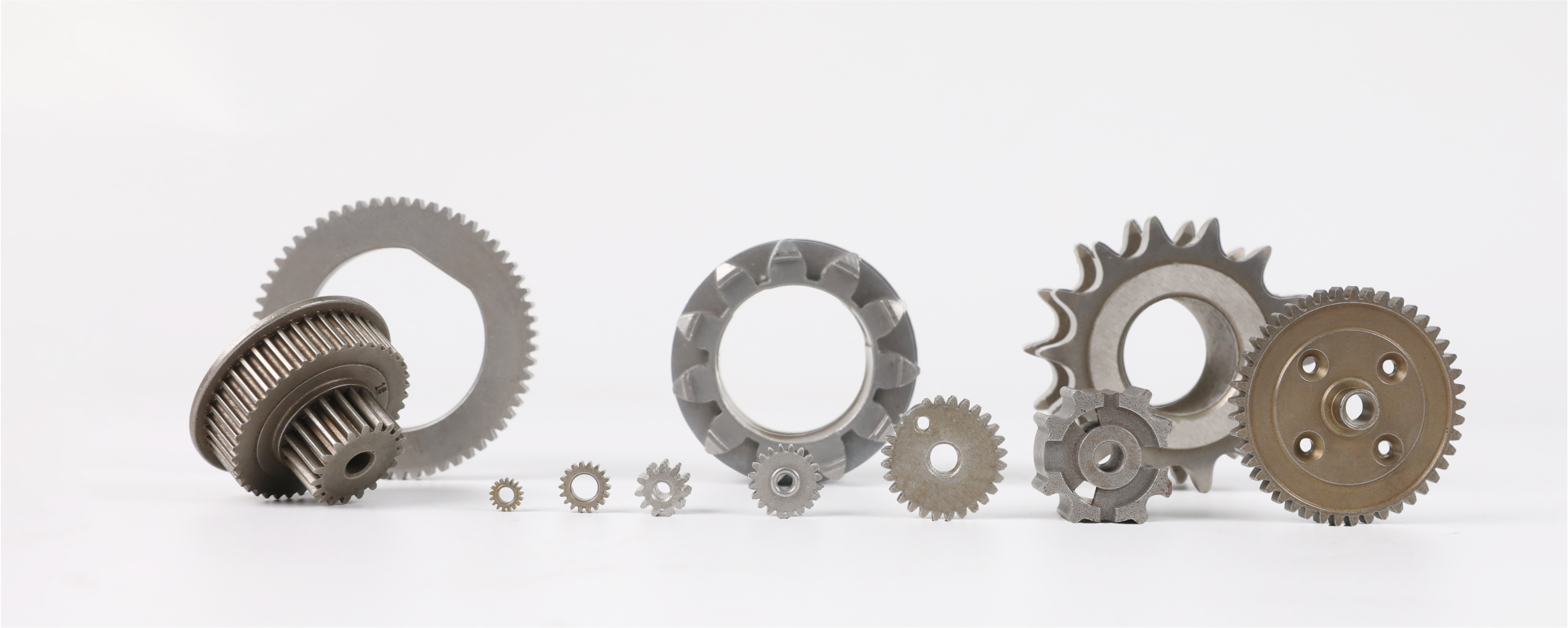
I 10 principali fornitori di metallo in polvere
Nella mia ricerca approfondita, ho compilato meticolosamente un elenco dei 10 principali fornitori di metallo in polvere. Questo elenco si basa su un'analisi accurata dei risultati di ricerca di Google, dei rapporti di settore e delle recensioni dei clienti. Queste...
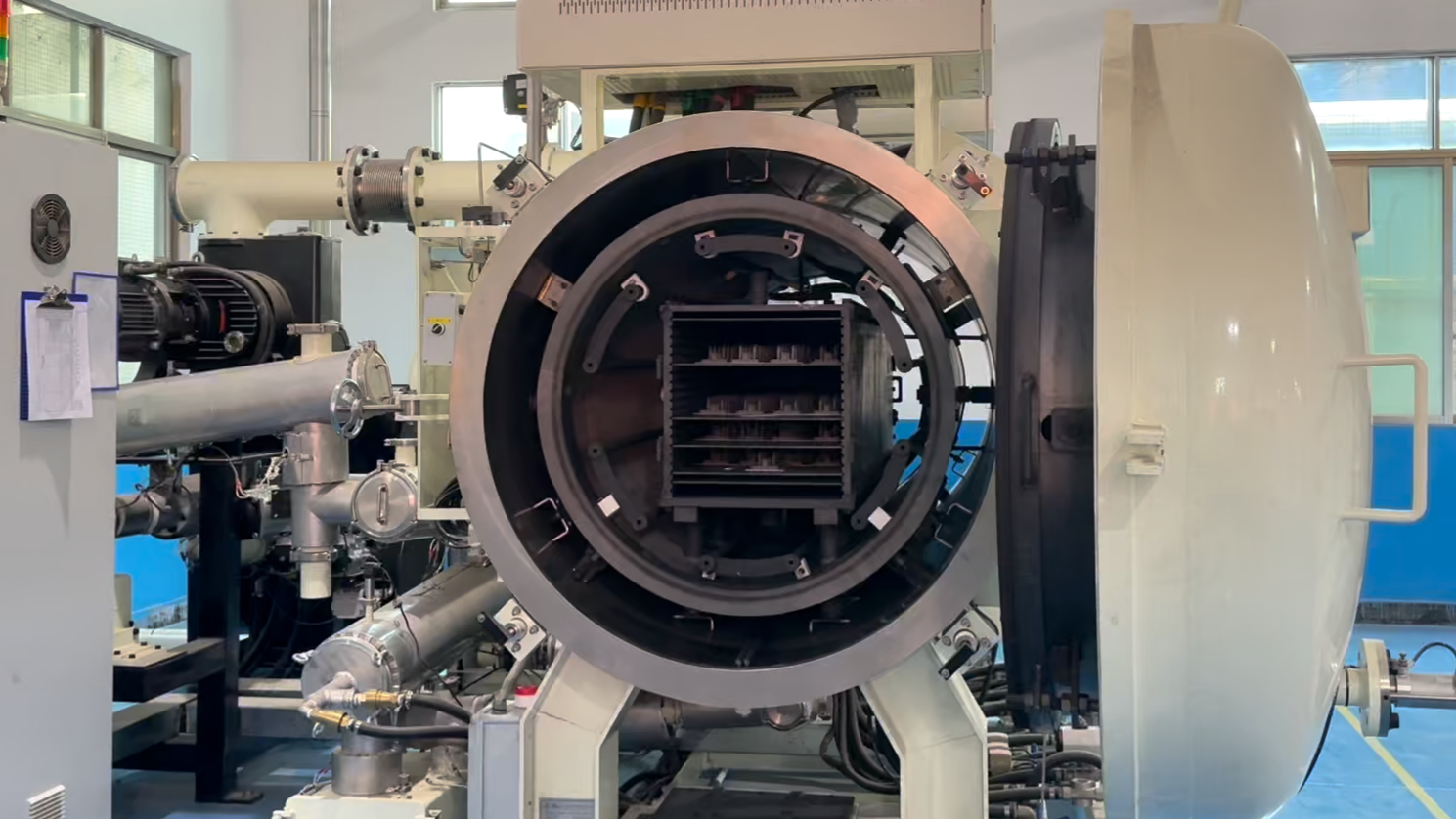
Forno di sinterizzazione dentale per una sinterizzazione affidabile della zirconia
La zirconia richiede generalmente la sinterizzazione ad alta temperatura, in genere intorno a 1.400°C–1.600°C a seconda del materiale. Durante la sinterizzazione, la stabilità della temperatura è importante perché un riscaldamento non uniforme può influire su: Dimensioni finali Resistenza Uniformità del...