

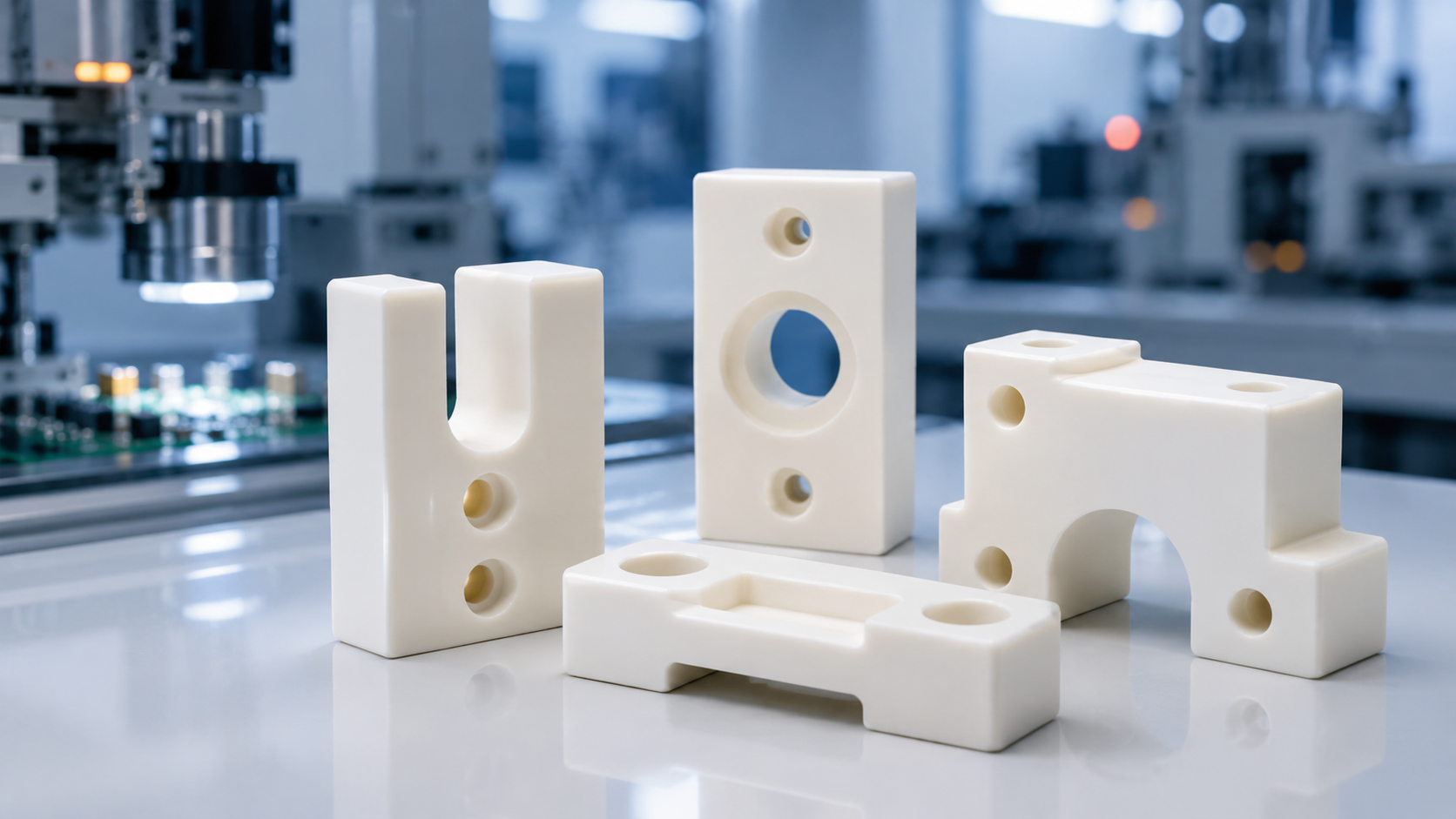
Un blocco isolante personalizzato in ceramica di allumina può sembrare un componente semplice. Tuttavia, piccoli dettagli progettuali come la posizione dei fori, la planarità, la qualità dei bordi, la tolleranza dello spessore e le superfici rettificate possono influire direttamente sulle prestazioni di isolamento, sulla precisione di posizionamento, sul rischio di scheggiatura e sull'assemblaggio finale dell'apparecchiatura. Per le applicazioni di precisione, il componente dovrebbe essere esaminato approfonditamente prima della produzione, anziché essere semplicemente quotato in base a dimensioni e materiale.
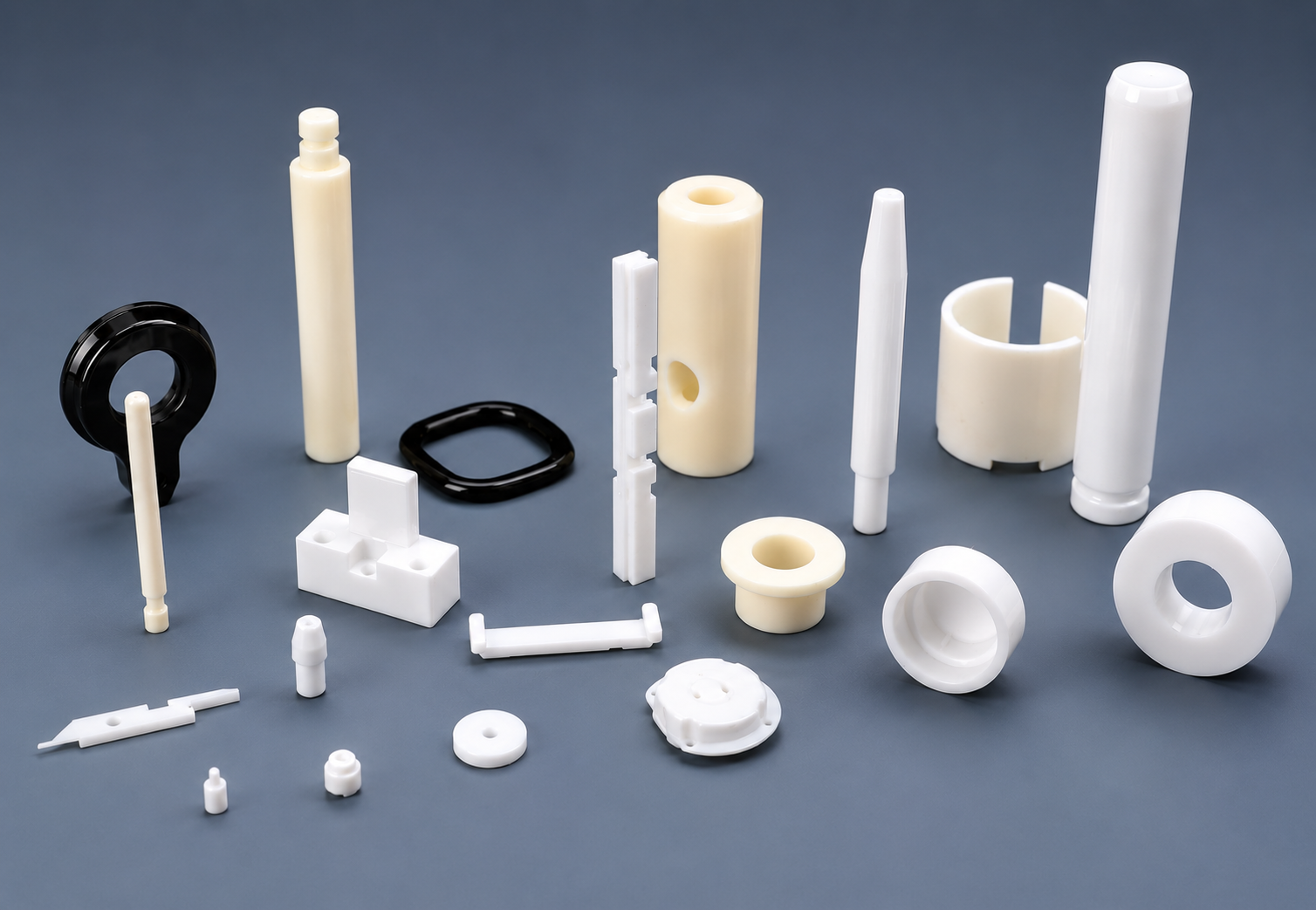
In XY-GLOBAL supportiamo la realizzazione di blocchi isolanti personalizzati in ceramica di allumina sulla base di disegni del cliente, file CAD 3D, campioni e requisiti applicativi. Prima della produzione, possiamo contribuire a esaminare la scelta del materiale, il processo produttivo, la fattibilità delle tolleranze, le aree di rettifica, la finitura superficiale, lo stato dei bordi e i punti di ispezione.

Perché la ceramica di allumina viene utilizzata per i blocchi isolanti
La ceramica di allumina è ampiamente utilizzata per i blocchi isolanti perché offre un forte isolamento elettrico, elevata durezza, resistenza all'usura, resistenza al calore e stabilità chimica. Viene spesso scelta quando la plastica non è in grado di sopportare la temperatura o i requisiti di rigidità e quando il metallo non può garantire l'isolamento richiesto.
Per le apparecchiature di precisione, la ceramica di allumina può fornire supporto e isolamento stabili in assemblaggi compatti. Può inoltre contribuire a controllare la distanza, proteggere dall'usura i componenti accoppiati e mantenere la stabilità dimensionale durante l'uso ripetuto.
Tuttavia, la sola scelta del materiale non è sufficiente. Prima della produzione è necessario considerare la posizione di lavoro, le superfici di contatto, i requisiti di isolamento dalla tensione, le condizioni di temperatura, il carico meccanico e il metodo di assemblaggio.

Applicazioni dei blocchi isolanti personalizzati in ceramica di allumina
I blocchi isolanti personalizzati in ceramica di allumina vengono spesso utilizzati quando un componente deve essere non conduttivo, resistente al calore e all'usura e mantenere contemporaneamente la propria forma. Ecco come vengono utilizzati nei diversi settori:
| Settore | Usi comuni dei blocchi isolanti in ceramica di allumina |
| Apparecchiature per semiconduttori | Supporti isolanti, distanziatori, blocchi di posizionamento e componenti per attrezzature ad alta temperatura |
| Prodotti elettronici | Isolamento elettrico, supporto per il montaggio e controllo della distanza tra componenti conduttivi |
| Sistemi ad alta tensione | Blocchi isolanti, componenti di supporto e componenti utilizzati vicino ad aree soggette a sollecitazioni elettriche |
| Strumenti ottici e laser | Supporto stabile per isolamento o montaggio vicino ad assemblaggi sensibili al calore e di precisione |
| Dispositivi medici | Piccoli blocchi isolanti, componenti di posizionamento e componenti di supporto non metallici |
| Attrezzature e tester di fabbrica | Blocchi isolanti resistenti all'usura, supporti di posizionamento e componenti personalizzati per attrezzature |
In queste applicazioni, il blocco è raramente solo una semplice forma in ceramica. Al contrario, piccoli dettagli - come la posizione dei fori, la planarità, lo spessore e le superfici lisce - determineranno se il componente funzionerà bene e durerà a lungo senza creparsi.
Elementi personalizzati che supportiamo per i blocchi isolanti in ceramica di allumina
I blocchi isolanti in ceramica di allumina personalizzati possono essere progettati con diversi elementi funzionali. Tutto dipende da come il componente viene montato, posizionato, isolato o assemblato.
| Elemento personalizzato | Perché è importante |
| Fori di montaggio | Utilizzati per viti, posizionamento o collegamenti di assemblaggio |
| Sedi cilindriche | Aiutano a controllare la posizione della testa della vite o la profondità di montaggio |
| Asole e scanalature | Forniscono spazio per il gioco, la separazione o il passaggio |
| Superfici piane rettificate | Migliorano la stabilità dell'assemblaggio e il controllo dello spessore |
| Bordi smussati | Riducono il rischio di scheggiatura durante la movimentazione o l'installazione |
| Fori interni | Supportano funzioni di perni, alberi, isolamento o guida |
| Controllo rigoroso dello spessore | Aiutano a gestire la spaziatura e l'accumulo delle tolleranze negli assemblaggi |
| Controllo della finitura superficiale | Soddisfano esigenze di contatto, scorrimento, tenuta o ispezione |
Quando le aree funzionali sono chiaramente contrassegnate nel disegno, possiamo identificare meglio quali componenti richiedono tolleranze rigorose e quali possono seguire le regole standard.
Rischi di produzione da valutare tempestivamente
La ceramica di allumina è dura e fragile dopo la sinterizzazione, quindi il progetto dovrebbe essere valutato diversamente rispetto ai componenti metallici. Gli elementi che appaiono semplici nel CAD possono diventare difficili dopo la formatura, la sinterizzazione, la rettifica o l'ispezione.
Piccoli fori vicini ai bordi possono aumentare il rischio di cricche o scheggiature. Gli spigoli interni vivi possono essere difficili da formare o rifinire. Le sezioni sottili possono deformarsi o rompersi durante la lavorazione. Requisiti rigorosi di planarità, spessore o parallelismo possono richiedere una rettifica post-sinterizzazione.
Anche la qualità dei bordi è importante. I bordi affilati non controllati possono scheggiarsi durante la movimentazione, l'imballaggio o l'assemblaggio. Smussi o piccoli raggi possono ridurre questo rischio, ma dovrebbero essere progettati in base alla funzione di isolamento e montaggio del componente.
Una revisione DFM utile dovrebbe distinguere gli elementi realmente critici dalle superfici generiche. Ciò aiuta a ridurre i costi inutili mantenendo affidabile il blocco isolante nell'uso finale.
Scelta del metodo di produzione più adatto
I blocchi isolanti in ceramica di allumina personalizzati dovrebbero essere valutati sulla base del disegno prima di scegliere un metodo di produzione. La soluzione migliore dipende dalle dimensioni del componente, dalla geometria, dalla quantità, dalle tolleranze, dalla finitura superficiale e dagli elementi critici per l'assemblaggio.
Per componenti semplici a forma di blocco, i metodi tradizionali di formatura e lavorazione della ceramica possono essere adatti. Per componenti con fori, asole, scanalature, gradini o dettagli geometrici di base, la lavorazione allo stato verde prima della sinterizzazione può aiutare a formare questi elementi in modo più efficiente.
Per componenti con una domanda produttiva ricorrente, piccoli dettagli, fori, scanalature o geometrie più complesse, lo stampaggio a iniezione della ceramica può essere valutato come una possibile opzione.
Lo stampaggio a iniezione della ceramica (CIM) non è l'unica soluzione. Se il componente richiede planarità critica, fori di precisione, controllo ristretto dello spessore o superfici di accoppiamento funzionali, potrebbe essere comunque necessaria la rettifica post-sinterizzazione o una finitura di precisione. In molti progetti, il processo finale può combinare formatura, sinterizzazione, rettifica, foratura, lappatura, lucidatura e ispezione.
Presso XY-GLOBAL possiamo esaminare i tuoi disegni prima del preventivo e aiutarti a valutare quale metodo possa soddisfare al meglio le tue esigenze e ridurre i costi.
Perché scegliere XY-GLOBAL per il tuo prossimo progetto?
Con oltre 15 anni di esperienza, XY-GLOBAL è specializzata nella produzione di componenti ceramici di precisione personalizzati. Per i blocchi isolanti in ceramica di allumina, ti aiutiamo a esaminare i tuoi disegni dal punto di vista sia produttivo sia applicativo prima della produzione. Grazie ad apparecchiature avanzate per la produzione e i test, gestiamo internamente l'intero processo, dalla formatura e dalla lavorazione allo stato verde fino alla rettifica e lucidatura di precisione post-sinterizzazione. Inoltre, il nostro stabilimento è certificato sia ISO 9001 sia ISO 13485 e ogni pezzo viene sottoposto a un rigoroso piano di ispezione per garantire l'affidabilità. Per supportare pienamente la tua attività, offriamo un MOQ pari a 0, aiutandoti a realizzare un singolo prototipo o una produzione di grandi volumi.
Pronto a personalizzare i tuoi blocchi isolanti in ceramica di allumina? Contattaci oggi inviandoci i tuoi disegni 2D/3D: il nostro team di ingegneria fornirà una revisione DFM gratuita e un preventivo rapido entro 24 ore!
Domande frequenti
Per cosa vengono utilizzati i blocchi isolanti in ceramica di allumina?
I blocchi isolanti in ceramica di allumina sono utilizzati per l'isolamento elettrico, il supporto meccanico, la spaziatura, il posizionamento, la resistenza al calore e la resistenza all'usura in apparecchiature di precisione e assemblaggi industriali.
I blocchi isolanti in ceramica di allumina possono essere personalizzati?
Sì. I blocchi isolanti in ceramica di allumina possono essere personalizzati con fori di montaggio, lamature, scanalature, gradini, smussi, superfici rettificate, fori interni e dimensioni speciali in base ai disegni del cliente.
Lo stampaggio a iniezione è adatto per i blocchi isolanti in ceramica di allumina?
Lo stampaggio a iniezione della ceramica può essere adatto quando il componente presenta una geometria complessa, dettagli di piccole dimensioni, fori, scanalature o una domanda di produzione ripetitiva. Per blocchi semplici o superfici di precisione critiche, possono essere valutati anche altri metodi di formatura, lavorazione o rettifica.
È possibile ottenere tolleranze ristrette sui blocchi in ceramica di allumina?
È possibile ottenere tolleranze ristrette su determinate caratteristiche critiche mediante rettifica o lavorazioni post-sinterizzazione, a seconda della geometria, delle dimensioni e del materiale del componente, nonché dei requisiti di ispezione. La fattibilità delle tolleranze deve essere valutata prima del preventivo.

Condividi:
Componenti in acciaio inossidabile MIM 17-4PH: polvere, resistenza e applicazioni
Componenti in ceramica personalizzati per applicazioni di precisione, resistenti al calore e all’usura