


La compressione isostatica è un processo di produzione in cui una pressione idrostatica uniforme viene applicata a un materiale da tutte le direzioni. Questo metodo viene utilizzato per compattare le polveri o eliminare la porosità interna nei componenti solidi, migliorando la densità e l'affidabilità strutturale.

A differenza della tradizionale pressatura uniassiale, in cui la forza viene applicata da un'unica direzione, la compressione isostatica distribuisce uniformemente la pressione su tutta la superficie del componente. Ciò elimina i gradienti di densità e riduce le tensioni interne, rendendo il processo particolarmente prezioso per le applicazioni ad alte prestazioni.
Nel settore industriale, la compressione isostatica è nota anche come:
-
Pressatura isostatica
-
Pressatura isostatica a freddo (CIP)
-
Pressatura isostatica a caldo (HIP)
-
Densificazione isostatica
Sebbene la terminologia vari, il concetto fondamentale rimane lo stesso: una pressione uniforme produce proprietà uniformi del materiale.
Il principio fisico alla base della compressione isostatica
L'efficacia della compressione isostatica deriva dalla legge di Pascal, secondo cui la pressione applicata a un fluido confinato si trasmette uniformemente in tutte le direzioni.
Quando un componente viene collocato all'interno di un recipiente a pressione riempito con un liquido (nella CIP) o con un gas inerte come l'argon (nella HIP), il mezzo di pressione circonda completamente il componente. All'aumentare della pressione, la forza viene applicata in modo isotropo, il che significa che nessuna direzione subisce una compressione maggiore delle altre.
Ciò è fondamentalmente diverso dalla pressatura in stampo, in cui l'attrito e il carico direzionale possono creare gradienti di densità. Eliminando questi gradienti, la compressione isostatica produce componenti con prestazioni più prevedibili.
Come funziona il processo di compressione isostatica
Sebbene le configurazioni specifiche varino, il tipico processo di compressione isostatica segue una sequenza chiara.
Flusso tipico del processo
-
Preparazione del materiale. Può trattarsi di polvere metallica, polvere ceramica, un componente metallico prodotto mediante fabbricazione additiva o persino un componente ottenuto per fusione con porosità interna.
-
Incapsulamento. Nella compressione isostatica a freddo, le polveri vengono generalmente sigillate all'interno di uno stampo flessibile in elastomero. Nella compressione isostatica a caldo, i componenti vengono spesso racchiusi in un contenitore metallico sigillato per impedire l'infiltrazione del gas ad alte temperature.
-
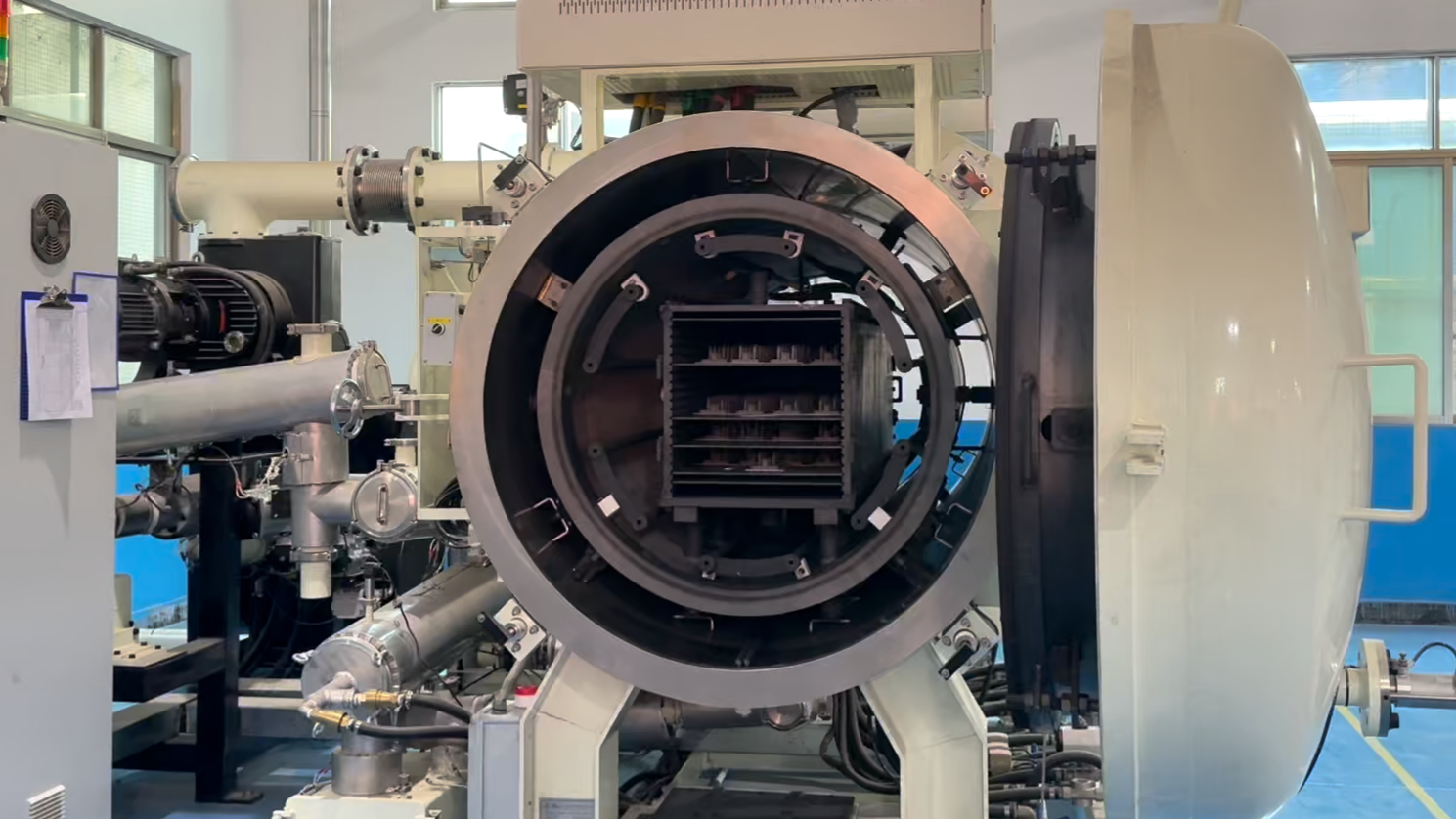
Posizionamento nel recipiente a pressione. Una volta sigillato, il componente viene sottoposto a pressione idrostatica attraverso il mezzo circostante. Nella HIP, la temperatura elevata viene applicata contemporaneamente, favorendo la diffusione atomica e la chiusura dei pori.
-
Pressurizzazione idrostatica. Secondo la legge di Pascal, la pressione aumenta uniformemente su tutta la superficie del componente. Ciò produce una densificazione isotropa, in cui il materiale si restringe in modo uniforme in tutte le direzioni, evitando l'attrito e i gradienti di densità tipici della pressatura meccanica tradizionale.
-
Holding phase. The system maintains peak pressure (and heat during HIP) for a specific duration. During this "soak time," internal voids and microporosity are eliminated as atoms migrate to fill gaps, allowing the material to reach near-theoretical maximum density.
-
Fase di mantenimento. Il sistema mantiene la pressione massima (e il calore durante la HIP) per una durata specifica. Durante questo "tempo di mantenimento", i vuoti interni e la microporosità vengono eliminati mentre gli atomi migrano per riempire le lacune, consentendo al materiale di raggiungere una densità prossima a quella teorica massima.
Depressurizzazione controllata. La pressione viene rilasciata gradualmente per proteggere l'integrità strutturale del componente. Nella HIP, anche la velocità di raffreddamento viene gestita con attenzione per prevenire shock termici o cricche interne, garantendo che il componente finale soddisfi elevati standard di prestazione meccanica.
Compressione isostatica a freddo vs. a caldo (CIP vs HIP)

Compressione isostatica a freddo (CIP) vs. compressione isostatica a caldo (HIP)
Compressione isostatica a freddo (CIP)
| Compressione isostatica a caldo combina alta temperatura e alta pressione per eliminare la porosità interna. | Parametro |
| Intervallo tipico | La compressione isostatica a freddo viene utilizzata principalmente per la compattazione delle polveri prima della sinterizzazione. Migliora l'uniformità della densità del pezzo crudo e riduce il rischio di cricche. |
| Temperatura | 100–400 MPa |
| Ambiente | Mezzo |
| Scopo principale | Acqua o olio |
Formatura delle polveri
La CIP è ampiamente utilizzata nella metallurgia delle polveri, nella ceramica e negli utensili in carburo.
Compressione isostatica a caldo (HIP)
| Compressione isostatica a caldo combina alta temperatura e alta pressione per eliminare la porosità interna. | Parametro |
| Intervallo tipico | 100–200 MPa |
| Temperatura | 1000–2000 °C |
| Atmosfera | Argon |
| Scopo principale | Densificazione |
La HIP può aumentare la densità del materiale da circa il 95–98% a oltre il 99,9%, a seconda del sistema di materiali. Questo miglioramento aumenta direttamente la resistenza a fatica e la resistenza alla frattura.
Compressione isostatica vs. pressatura uniassiale
Comprendere questo confronto aiuta a chiarire perché la compressione isostatica viene utilizzata nelle applicazioni critiche.
| Caratteristica | Pressatura uniassiale | Compressione isostatica |
| Direzione della pressione | Un asse | Tutte le direzioni |
| Uniformità della densità | Moderata | Eccellente |
| Tensione residua | Superiore | Inferiore |
| Rimozione della porosità | Limitata | Molto efficace (HIP) |
| Capacità geometrica | Limitata | Forme complesse |
Sebbene la pressatura uniassiale sia conveniente per la produzione di massa, la compressione isostatica offre una maggiore uniformità del materiale.

Vantaggi meccanici e strutturali della compressione isostatica
Il principale vantaggio della compressione isostatica risiede nella sua capacità di eliminare i difetti interni e garantire l'uniformità strutturale.
Quando la porosità interna viene ridotta mediante compressione isostatica a caldo, si verificano in genere diversi miglioramenti misurabili:
-
Maggiore resistenza a trazione
-
Maggiore durata a fatica (spesso con un miglioramento di 2–5 volte)
-
Migliore tenacità alla frattura
-
Maggiore resistenza al creep a temperature elevate
Una densità uniforme contribuisce inoltre a una lavorazione più stabile e a un migliore controllo dimensionale nelle fasi produttive successive.
Per le parti contenenti pressione o i componenti critici per la sicurezza, questi miglioramenti non sono opzionali: sono essenziali.
Applicazioni industriali della compressione isostatica
Grazie alle sue capacità di densificazione, la compressione isostatica è ampiamente adottata nei settori industriali avanzati.
| Settore industriale | Componenti e materiali chiave | Vantaggi e soluzioni principali |
| Produzione medicale | Impianti ortopedici (articolazioni), protesi dentali, strumenti chirurgici | Migliora la resistenza alla fatica e garantisce la stabilità strutturale a lungo termine degli impianti all'interno del corpo umano. |
| Produzione additiva | Parti metalliche stampate in 3D (Inconel, titanio, acciaio inossidabile) | Funziona come fase standard di post-lavorazione per eliminare la porosità interna e migliorare l'uniformità della microstruttura. |
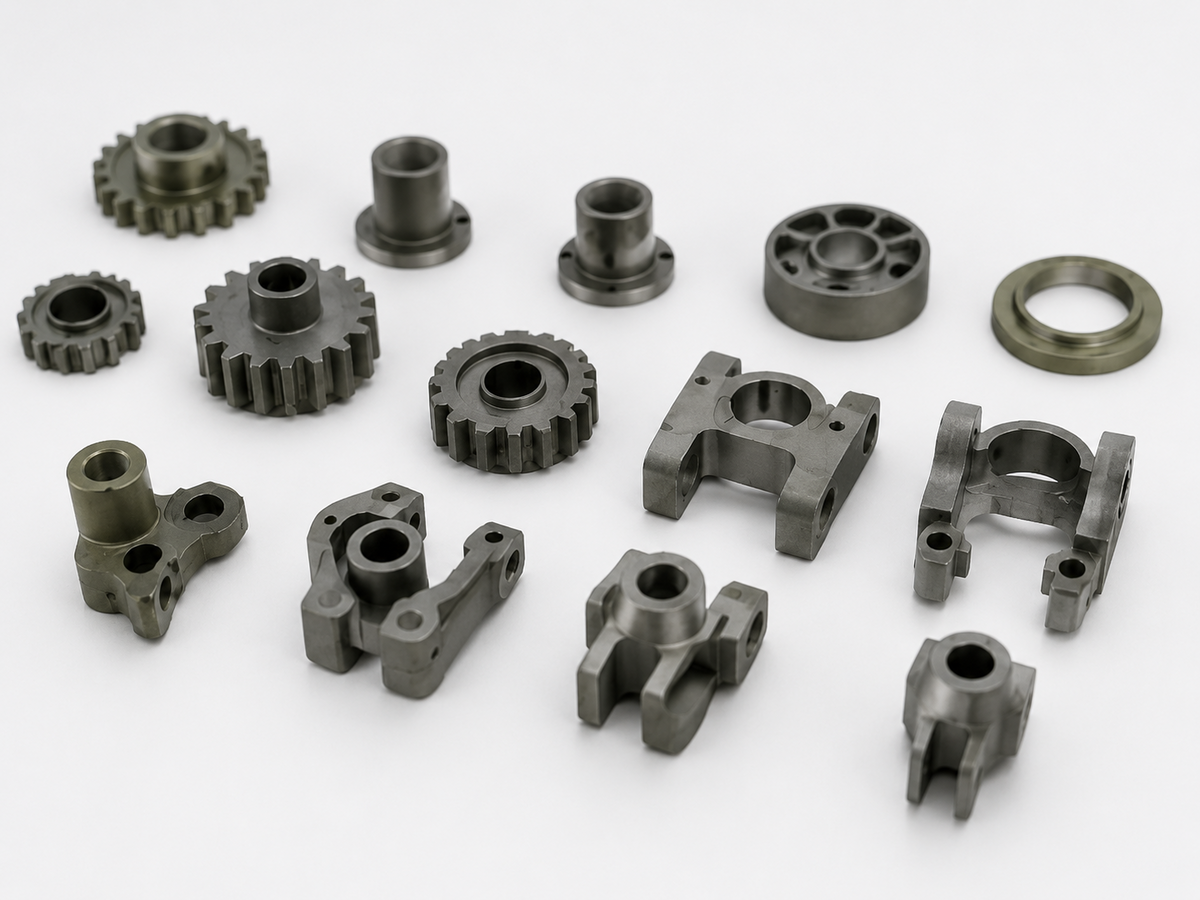
| Metallurgia delle polveri e MIM | Acciai per utensili ad alte prestazioni, parti MIM | Aumenta la densità del materiale fino a limiti prossimi a quelli teorici e riduce i difetti interni nei componenti dalla forma complessa. |
| Aerospaziale e difesa | Dischi di turbina, alloggiamenti in titanio, superleghe a base di nichel | Garantisce che le parti resistano a carichi ciclici estremi e a forti variazioni di temperatura, massimizzando l'integrità strutturale. |
Limiti della compressione isostatica
Nonostante i suoi vantaggi, la compressione isostatica non è adatta a tutte le applicazioni.
L'investimento nelle apparecchiature è considerevole, i tempi di ciclo sono più lunghi rispetto alla pressatura convenzionale e i costi di lavorazione sono più elevati. In molti casi, il processo è giustificato solo quando i requisiti prestazionali lo richiedono.
Pertanto, la compressione isostatica è generalmente riservata ai componenti di alto valore o ad alta affidabilità, piuttosto che alle parti a basso costo prodotte in serie.
Quando dovrebbero scegliere i produttori la compressione isostatica?
I produttori scelgono generalmente la compressione isostatica quando:
-
La porosità interna deve essere ridotta al minimo
-
Le prestazioni a fatica sono fondamentali
-
Si applicano gli standard di certificazione aerospaziali o medici
-
Le parti prodotte con tecniche additive richiedono la densificazione
-
L'affidabilità strutturale supera i costi di lavorazione
In queste situazioni, i miglioramenti delle prestazioni offerti dalla compressione isostatica giustificano le fasi di lavorazione aggiuntive.
Conclusione
La compressione isostatica è una potente tecnologia di densificazione che applica una pressione idrostatica uniforme per migliorare l'integrità del materiale ed eliminare i difetti interni.
Che venga implementata come compressione isostatica a freddo per la compattazione delle polveri o come compressione isostatica a caldo per la densificazione completa, questa tecnologia svolge un ruolo fondamentale nelle applicazioni aerospaziali, mediche, di produzione additiva e di metallurgia delle polveri avanzata.
Comprendendo come funziona la compressione isostatica - e quando applicarla - gli ingegneri possono prendere decisioni informate sulle prestazioni dei materiali, sull'affidabilità e sulla durata a lungo termine.

Condividi:
Produttori di componenti in ceramica: componenti ceramici di precisione per industrie avanzate
Stampaggio a iniezione dei metalli vs metallurgia delle polveri: come scegliere il processo giusto