Сегодня
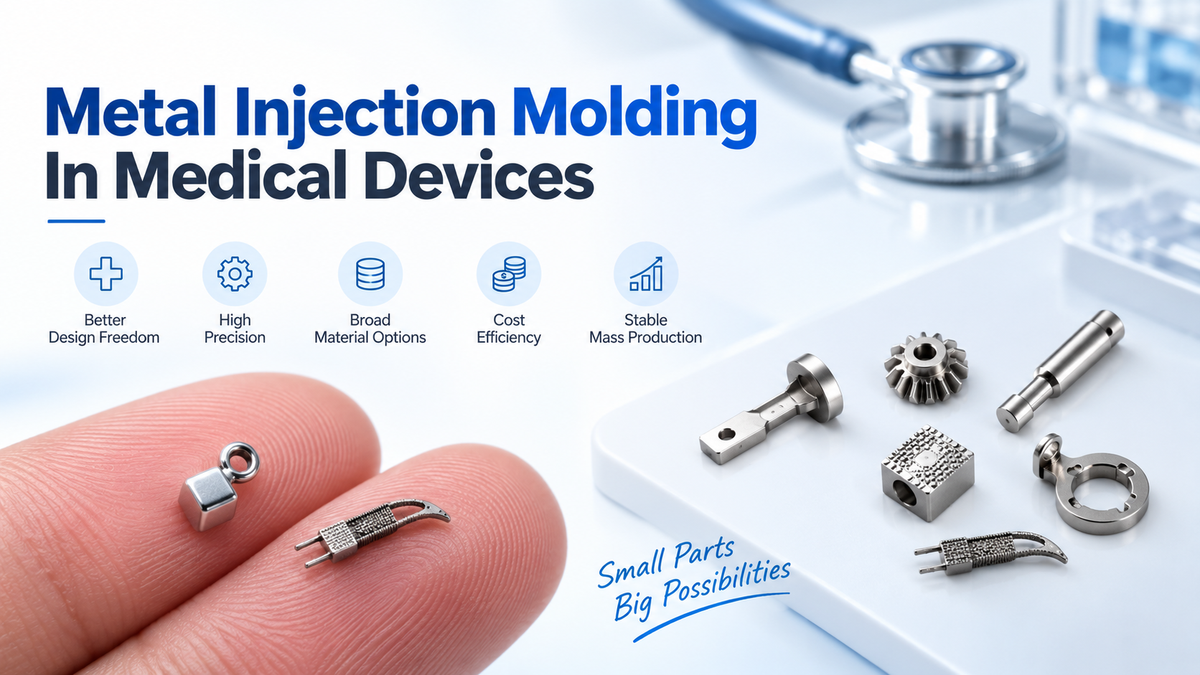
литье металлов под давлением стало одним из наиболее востребованных методов производства в медицинской отрасли. По сравнению с механической обработкой с ЧПУ, оно позволяет изготавливать сложные биосовместимые металлические детали примерно на 30–60% дешевле. А при годовом объеме более 10 000 штук экономия может превышать 40% по сравнению с традиционной механической обработкой. «Высокоточная механическая обработка медицинских компонентов с использованием MIM» развивает это преимущество, сочетая высокоточные мини-детали, полученные методом MIM, с финишной обработкой на станках с ЧПУ, что значительно снижает затраты, при этом соблюдая строгие требования к размерам и поверхности высокоточных медицинских устройств — это истинное комплексное решение, разработанное для передового медицинского оборудования.
Почему MIM имеет смысл для прецизионных медицинских компонентов, изготовленных механической обработкой
Литье металлов под давлением (MIM) особенно полезно, когда деталь:
-
небольшого размера
-
сложной геометрии
-
сложна или дорога в обработке из цельного материала
-
требуется в повторяющихся партиях
-
должна сохранять стабильную форму от партии к партии
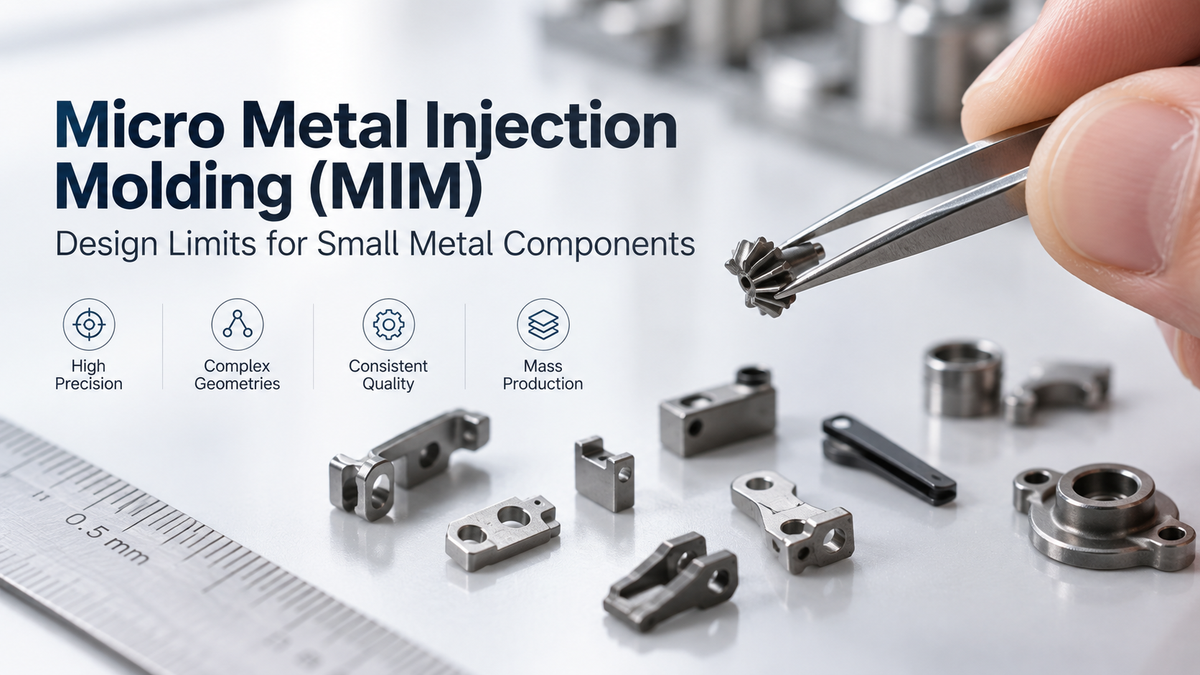
Как способ создания металлических деталей, близких к окончательной форме, детали, производимые методом MIM, обладают большим преимуществом для медицинских изделий с мелкими деталями, подрезами, тонкими стенками, пазами, изогнутыми формами или крошечными внутренними элементами. Для деталей медицинских приборов, требующих высокой детализации, жестких допусков и стабильного качества по партиям — MIM не просто вариант, это часто лучший способ создания небольших высокопроизводительных деталей.
MIM против обработки ЧПУ при изготовлении медицинских компонентов
В производстве медицинских компонентов MIM и механическая обработка с ЧПУ имеют свои преимущества и недостатки.
| Процесс |
Лучше всего подходит для |
Основное преимущество |
Основное ограничение |
| Обработка с ЧПУ |
Прототипы, геометрия от простой до средней сложности, сверхкритические поверхности |
Гибкость, прямолинейность, высокая точность |
Больше отходов и высокая стоимость для сложных мелких деталей |
| MIM |
Малые сложные детали в серийном производстве |
Сложная геометрия с хорошей консистенцией |
Требует соответствия конструкции и менее подходит для очень больших деталей |
| MIM + вторичная обработка |
Прецизионные медицинские детали с критически важными интерфейсами |
Хороший баланс геометрии, стоимости и функциональной точности |
Планирование процесса более важно |
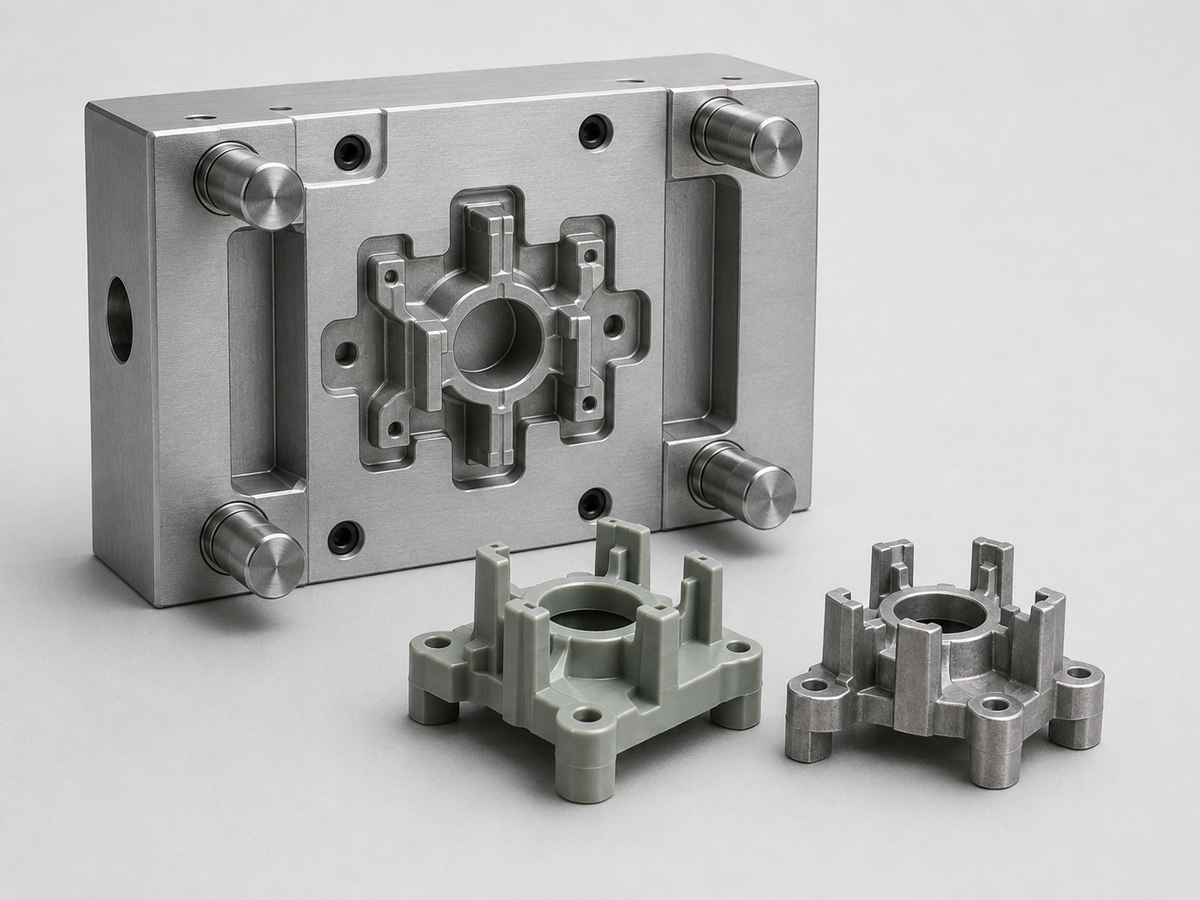
В реальных проектах по механической обработке медицинских компонентов выбор часто не сводится к MIM или механической обработке. Это MIM плюс механическая обработка там, где это необходимо. MIM используется для общей формы и геометрии для экономии материала и стоимости, в то время как ЧПУ берет на себя критически важную финишную обработку, такую как плотно прилегающие поверхности, резьбы, отверстия, уплотнительные поверхности или сверхгладкие хирургические контактные зоны. Проще говоря: сложные формы — для MIM, а критическая точность — для ЧПУ.
Например, часть хирургического инструмента может быть изготовлена методом MIM для получения общей формы, а затем пройти вторичную обработку на уплотнительной поверхности, резьбе, установочной поверхности или высокоточном отверстии. Таким образом, вы получаете геометрическую эффективность MIM, не жертвуя точностью, необходимой в ключевых функциональных областях.
Применение MIM в компонентах медицинских устройств
Благодаря своей способности создавать сложные формы, высокоточные детали и крупносерийное производство из биосовместимых сплавов, MIM охватывает почти все типы медицинских устройств.
1. Хирургические инструменты и малоинвазивные инструменты
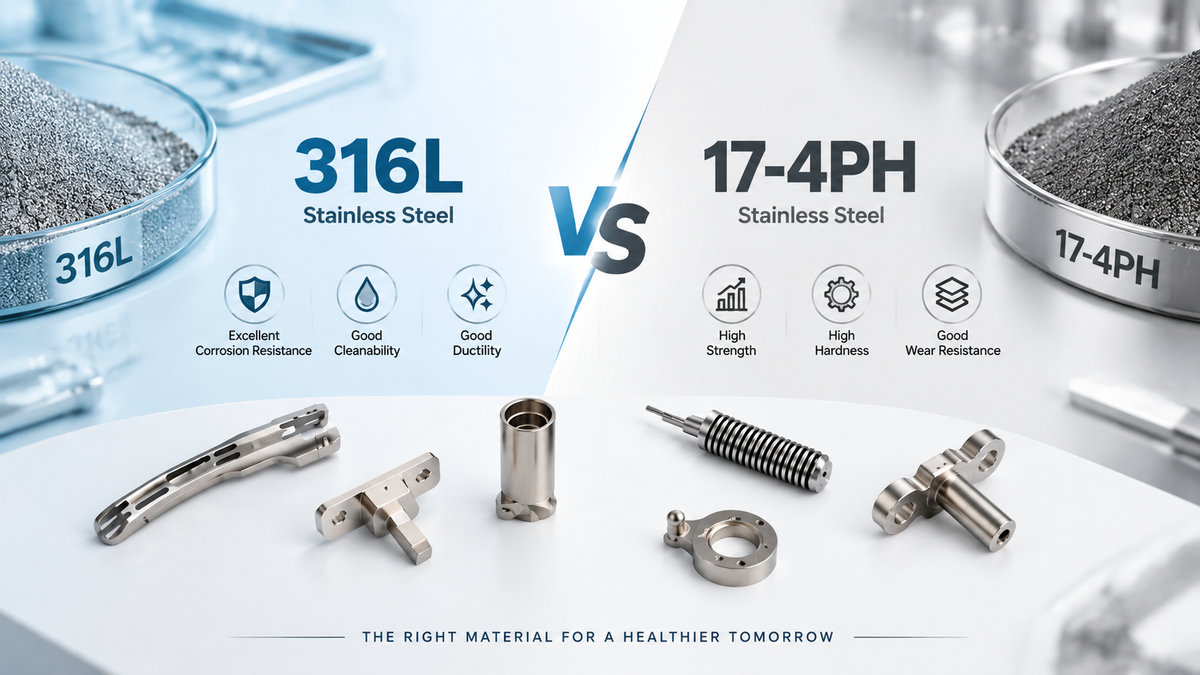
Хирургические инструменты и малоинвазивные инструменты являются одной из самых ранних и наиболее развитых областей применения MIM в медицине. MIM часто используется для небольших, высокопрочных деталей, таких как зажимы, ножницы, рукоятки ножей, пинцеты, гемостаты, части втягивающих лезвий, компоненты эндоскопов и другие малоинвазивные хирургические устройства, особенно для небольших, но прочных деталей, необходимых при переходе от открытой к малоинвазивной хирургии. Эти детали обычно изготавливаются из нержавеющих сталей, таких как 316L и 17-4PH, с прочностью на разрыв в диапазоне 520–1000 МПа. Они легкие, прочные и могут многократно стерилизоваться под высоким давлением, что делает их идеальными для длительного многократного использования.
2. Ортодонтические и стоматологические компоненты
Ортодонтические и зуботехнические/отологические компоненты — одна из первых медицинских областей, где MIM достиг массового производства. Изготовленные методом MIM брекеты, соединительные элементы для брекет-систем, окклюзионные шины, хвостовики зубных напильников и крошечные удерживающие элементы ушного канала обычно имеют размеры от 2 до 15 мм, с толщиной стенок до 0,3–1,0 мм и точностью размеров около ±0,05 мм. Эти детали часто изготавливаются из нержавеющей стали или титановых сплавов, с плотностью около 4,5–7,9 г/см³ и прочностью на разрыв от 250 до 600 МПа. Они демонстрируют отличную биосовместимость и могут выдерживать длительное использование во рту, а также регулярную чистку и дезинфекцию, что делает их идеальными для длительного ношения и точного контроля прикуса.
3. Ортопедические и имплантируемые детали
Ортопедические и имплантируемые детали являются одним из самых быстрорастущих применений MIM на рынке высококачественных медицинских имплантатов. MIM может использоваться для пробных компонентов суставов, опорных частей протезов малых суставов, мини-костных винтов и пористых костных каркасов. Типичная пористость составляет от 30% до 50%, при размере пор около 100–500 мкм, что способствует росту костной ткани и улучшает формирование кровеносных сосудов. Обычные материалы включают чистый титан, Ti‑6Al‑4V и кобальт-хромовые сплавы, с прочностью на разрыв от 600 до 1000 МПа и модулем упругости около 100–150 ГПа — близким к костной ткани. Это значительно снижает эффект экранирования напряжений. В то же время детали MIM могут достигать размерной точности в пределах ±0,1 мм, а шероховатость поверхности может контролироваться ниже Ra 2,0 мкм после последующей обработки, обеспечивая хороший баланс между безопасностью внутри тела и долгосрочной стабильностью.
4. Системы доставки лекарственных средств и интервенционные устройства
Системы доставки лекарственных средств и интервенционные устройства являются быстрорастущим и высоко ценимым применением MIM в последние годы. MIM может изготавливать такие детали, как корпуса насосов, иглы шприцев, небольшие радиационно-защитные элементы, армирующие кольца для интервенционных стентов, основания микроигольчатых массивов и внутренние металлические каналы для ингаляторов. Отдельные детали часто имеют размерный диапазон 1–20 мм, с проточными каналами диаметром всего 0,5–2 мм. Точность размеров обычно поддерживается в пределах ±0,05–0,1 мм, а детали спекаются до высокой плотности (около 98%–99,5% от теоретической плотности). Типичными материалами являются нержавеющая сталь и кобальт-хромовые сплавы, с плотностью около 7,8–9,2 г/см³ и прочностью на разрыв 500–1000 МПа. Они обладают высокой коррозионной стойкостью, что делает их пригодными для длительного использования в условиях высоких концентраций лекарственных средств или сложных сред организма, а также упрощает разработку небольших модульных систем.
Распространенные материалы для медицинских деталей, изготовленных методом литья металлов под давлением
В медицинской MIM-технологии используются такие материалы, как нержавеющая сталь, титановые сплавы, кобальт-хромовые (Co-Cr) сплавы и другие, которые все вместе удовлетворяют широкий спектр потребностей в производстве медицинских устройств.
| Материал |
Основные свойства |
Типичное медицинское применение |
| Нержавеющая сталь 316L |
Высокая прочность, хорошая коррозионная стойкость, универсальный материал; прочность на разрыв ~550–650 МПа. |
Хирургические зажимы, ножницы, части втягивающих лезвий, компоненты эндоскопов, корпуса малоинвазивных инструментов |
| Нержавеющая сталь 17-4PH |
Дисперсионно-твердеющая, высокопрочная; прочность на разрыв >1 000 МПа, твердость ~HRC 30–40. |
Шарниры хирургических инструментов, зажимы, шестерни, втулки ножниц |
| Чистый титан (CP-Ti) |
Легкий, имплантационный класс; плотность ~4,5 г/см³, прочность на разрыв 240–550 МПа, биосовместимый. |
Мини-костные винты, пробные детали суставов, стоматологические брекеты, окклюзионные шины |
| Ti‑6Al‑4V (Титановый сплав) |
Высокопрочный имплантационный сплав; прочность на разрыв ~900–1 000 МПа, плотность ~4,4 г/см³. |
Компоненты для пробной установки суставов, опоры для протезов малых суставов, армирующие каркасы для зубных имплантатов, пористые костные каркасы |
| Кобальт–хром–молибден |
Высокая износостойкость, высокая коррозионная стойкость, немагнитный; прочность на разрыв ~600–1 000 МПа. |
Шаровые головки суставов, контактные поверхности малых суставов, высокоточные зубные коронки/каркасы, мини-имплантаты |
Почему XY‑GLOBAL превосходит в литье металлов под давлением для медицинских целей?
Обладая около 15-летним опытом в производстве прецизионных металлических деталей и медицинских компонентов, мы создали систему, сертифицированную по ISO 13485 и ISO 9001, с чистыми помещениями и строгим контролем поступающих материалов. Прототипы могут начинаться от 0 MOQ, а первые образцы без пресс-форм могут быть получены всего за 3 дня, причем многие детали достигают допусков около ±1 мкм и чистоты поверхности около Ra ≤ 0,01 мкм после финишной обработки.
Для команд разработчиков медицинских продуктов, которым требуются конкурентоспособные цены, гибкие объемы заказов, короткие сроки выполнения и полная отслеживаемость в соответствии со стандартами качества медицинских устройств, XY-GLOBAL является практичным, опытным партнером для превращения сложных концепций MIM в реальные, готовые к производству устройства.
Если вы оцениваете MIM для компонентов медицинских устройств — будь то хирургические инструменты, ортопедические инструменты или имплантаты, такие как биопсийные иглы и костные винты —
XY‑GLOBAL может помочь превратить ваши чертежи в реальные продукты и предоставить комплексное решение MIM от прототипов и мелкосерийной проверки до стабильного массового производства. Не стесняйтесь обращаться к нам для бесплатной консультации и получения ценового предложения.
Часто задаваемые вопросы
В: Подходит ли MIM для всех медицинских деталей?
Нет. MIM лучше всего подходит для небольших, сложных, крупносерийных или повторяемых металлических деталей. Очень простые детали или детали с чрезвычайно критическими обработанными поверхностями все еще могут быть лучше изготовлены только с помощью ЧПУ.
В: Можно ли обрабатывать детали MIM после?
Да. Это часто встречается в медицинских механически обработанных компонентах. Критические отверстия, резьбы, уплотнительные поверхности или установочные поверхности могут быть обработаны после MIM для улучшения функциональности и прилегания.
В: Какие медицинские материалы обычно используются?
К распространенным материалам относятся нержавеющая сталь 316L и титановые сплавы, в зависимости от коррозионной стойкости, прочности и потребностей применения.
В: Является ли MIM экономически эффективным для проектов с небольшим объемом?
Для очень малых объемов ЧПУ может быть более прямым. Но если деталь сложная и, вероятно, будет масштабироваться позже, то начало с анализа возможности MIM все еще может быть ценным.
В: Что мне нужно подготовить перед запросом коммерческого предложения?
Двумерный чертеж, трехмерный файл, требования к материалам, оценка годового использования (если известно) и примечания о критических размерах или поверхностях помогут поставщику быстрее определить оптимальный маршрут.


Делиться:
Микро-литье металлов под давлением: в чем ключевые отличия?
Обзор порошковой металлургии вольфрама