Conocimiento

Precision Ceramic Components for High-Performance Industrial Applications

Precision Ceramic Components for High-Performance Industrial Applications

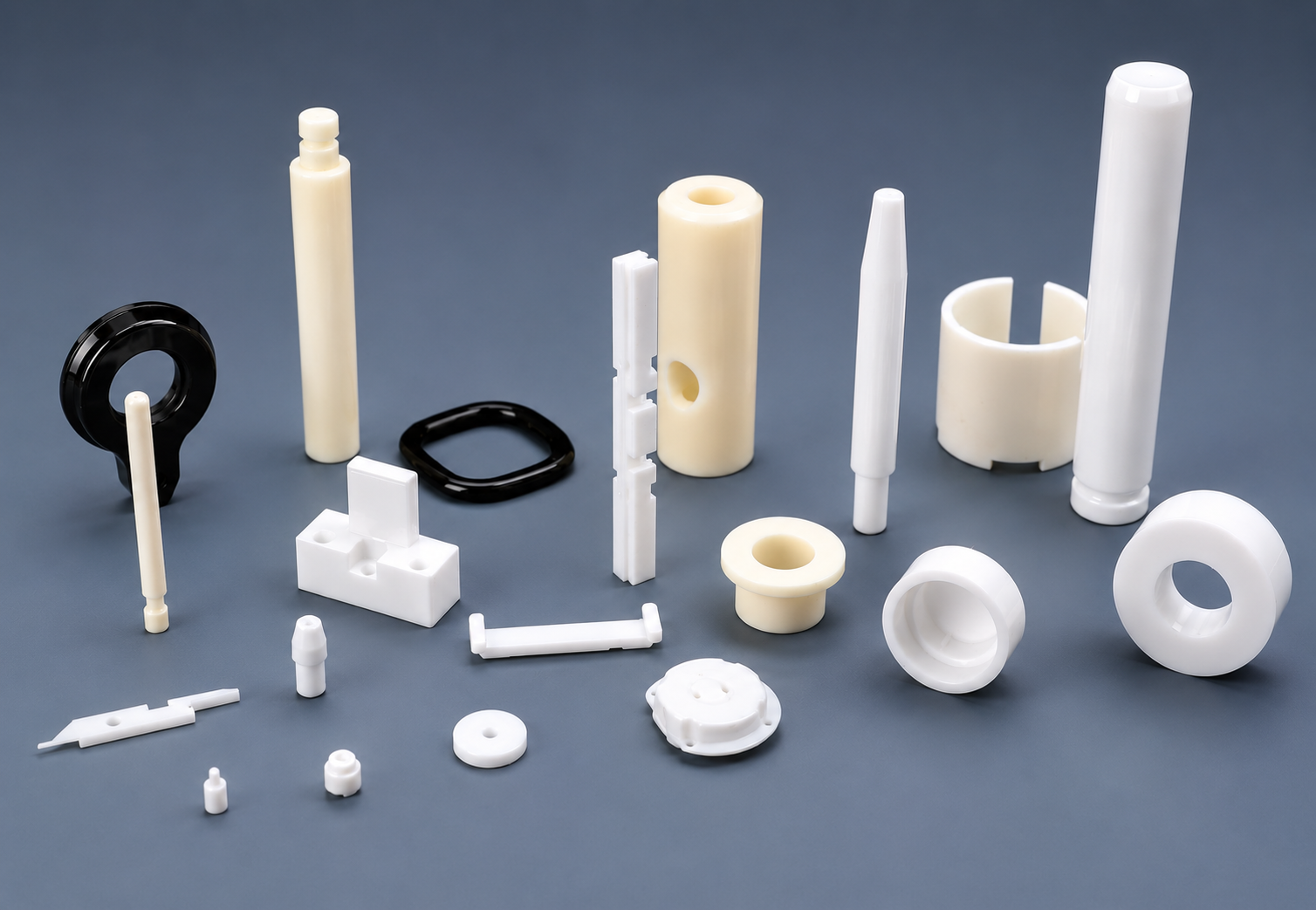
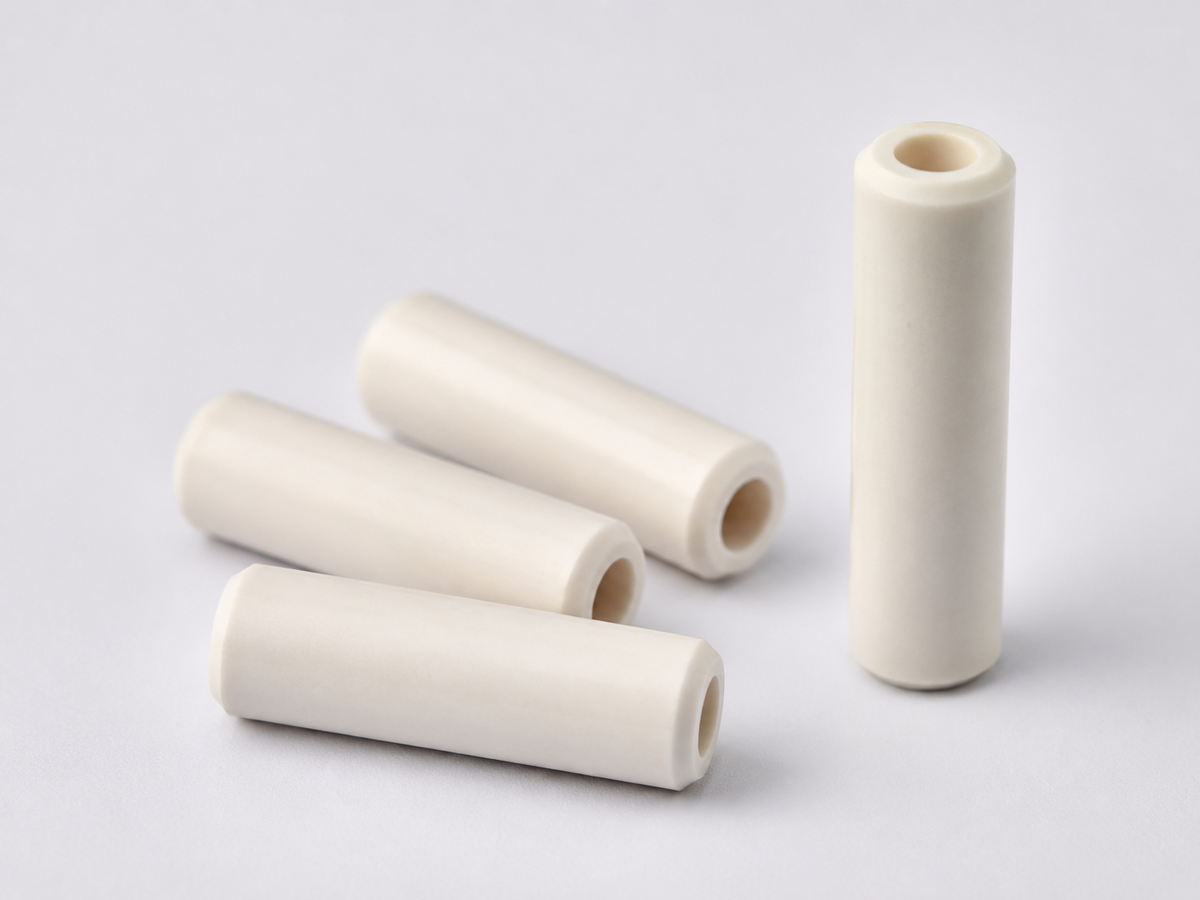
Precision Ceramic Components for Industrial Applications In many demanding industrial applications, standard metal or plastic parts cannot always provide stable long-term performance. Components may need to work under high temperature, continuous wear, chemical corrosion, electrical insulation requirements, thermal management conditions,...

Leer más

Sintered Metal Parts: Properties, Manufacturing Processes, and Applications

Sintered Metal Parts: Properties, Manufacturing Processes, and Applications

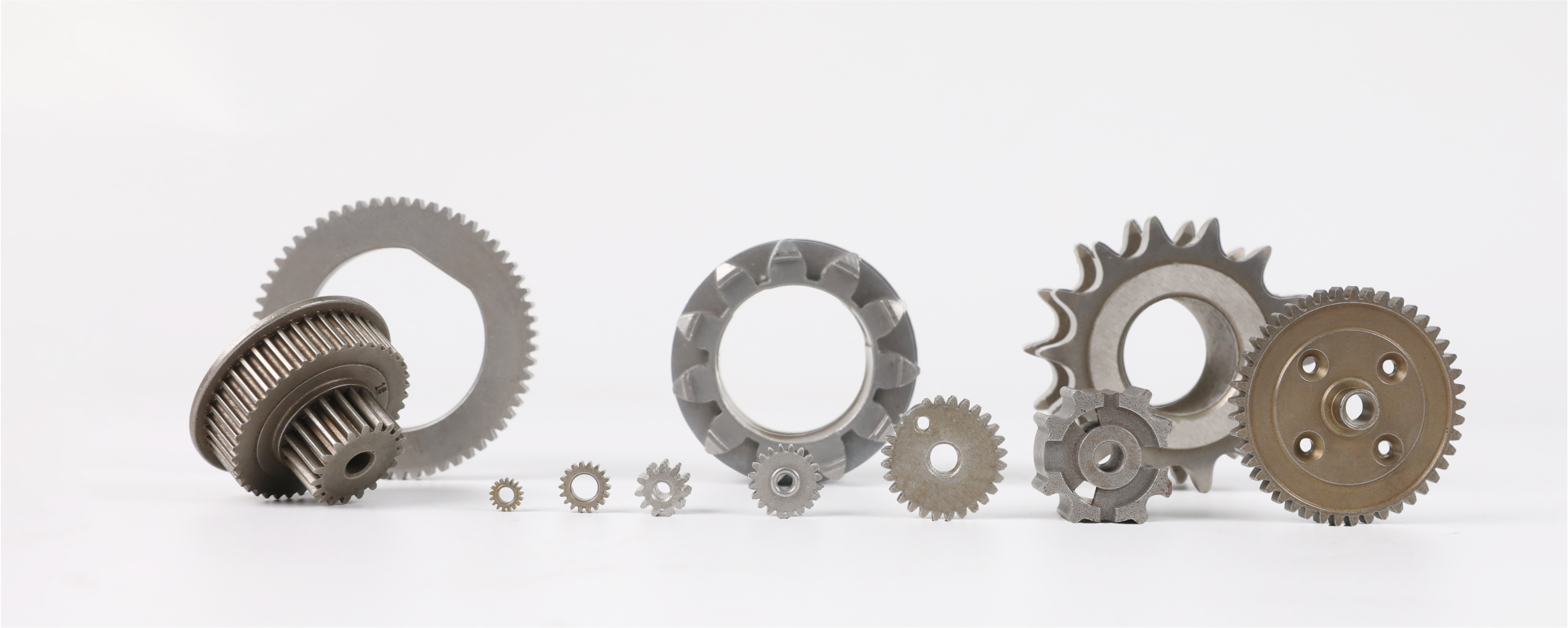
Sintered metal parts are produced by heating compacted metal powder below the melting point, bonding particles through atomic diffusion to form a dense metal component. Two manufacturing routes dominate: Metal Injection Molding for complex three-dimensional geometry at high density, and powder metallurgy pressing for high-volume simple shapes at lower cost. This article explains how sintering works, what properties sintered metal parts achieve, how MIM and PM pressing compare, which materials are available, and the applications where sintered parts outperform cast or machined alternatives. Engineers evaluating powder metallurgy manufacturing routes and procurement teams specifying sintered components will find the process selection and material guidance needed to make informed decisions.

Leer más

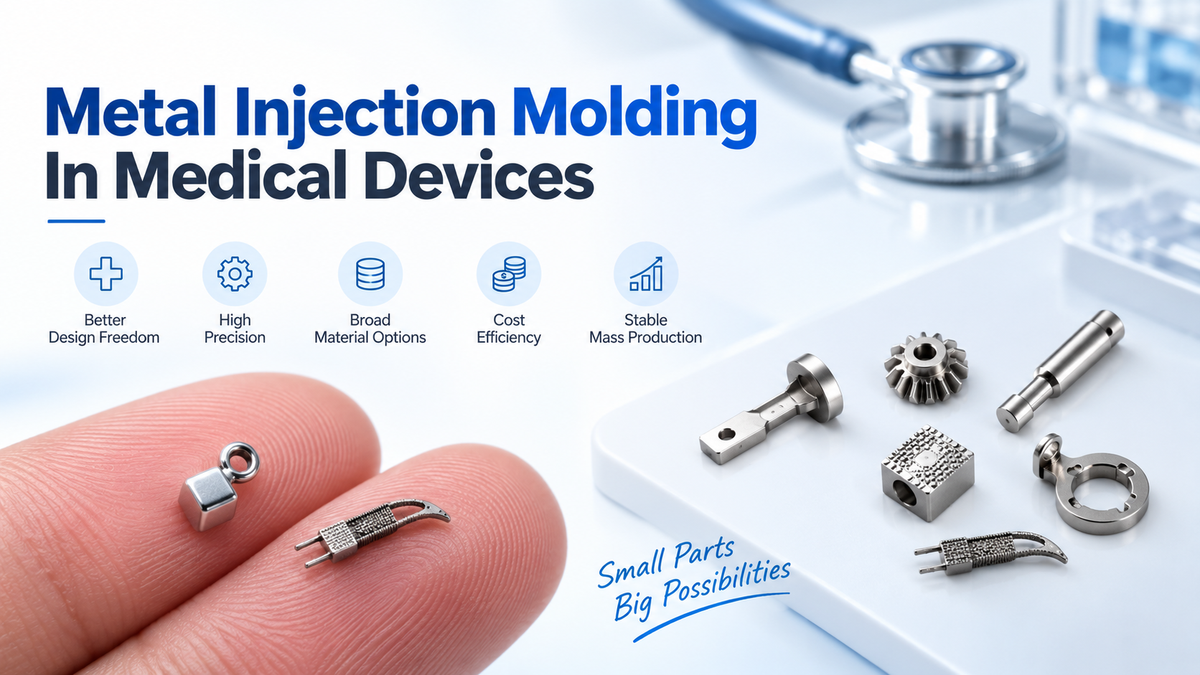
Medical Micro Molding: Precision Metal Components for Medical Devices by MIM

Medical Micro Molding: Precision Metal Components for Medical Devices by MIM

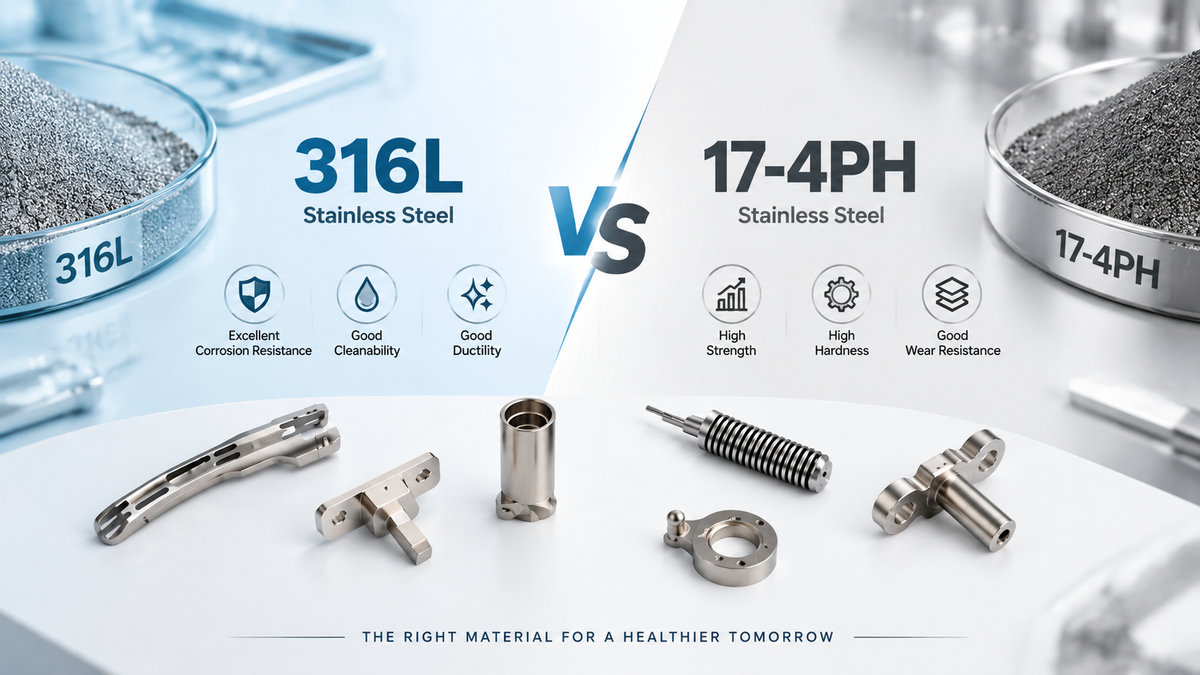
Metal Injection Molding is the leading production process for complex, miniature metal components used in minimally invasive surgical instruments, orthopedic devices, dental tools, and drug delivery systems. This article explains what medical micro molding means in the context of MIM, why MIM outperforms machining and alternative processes at micro scale, which biocompatible materials are used, and the design and quality considerations that apply to medical-grade micro components. Engineers specifying precision metal parts for regulated medical devices will find material selection guidance, design rules, and quality compliance context relevant to their development process.

Leer más

Copper Injection Molding for Custom Copper MIM Parts

Copper Injection Molding for Custom Copper MIM Parts

Copper injection molding, also known as Copper MIM or CuMIM, is a metal injection molding process used to produce small, complex copper parts with thermal and electrical performance requirements. It is especially suitable for components that require copper’s conductivity but are...

Leer más

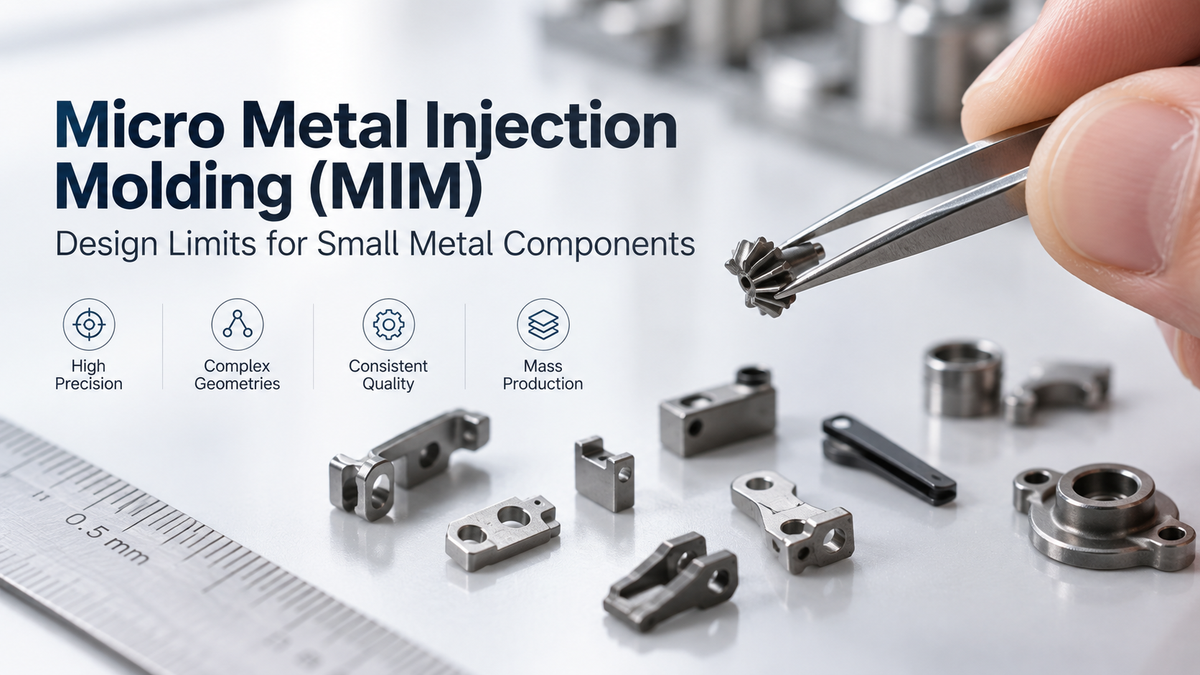
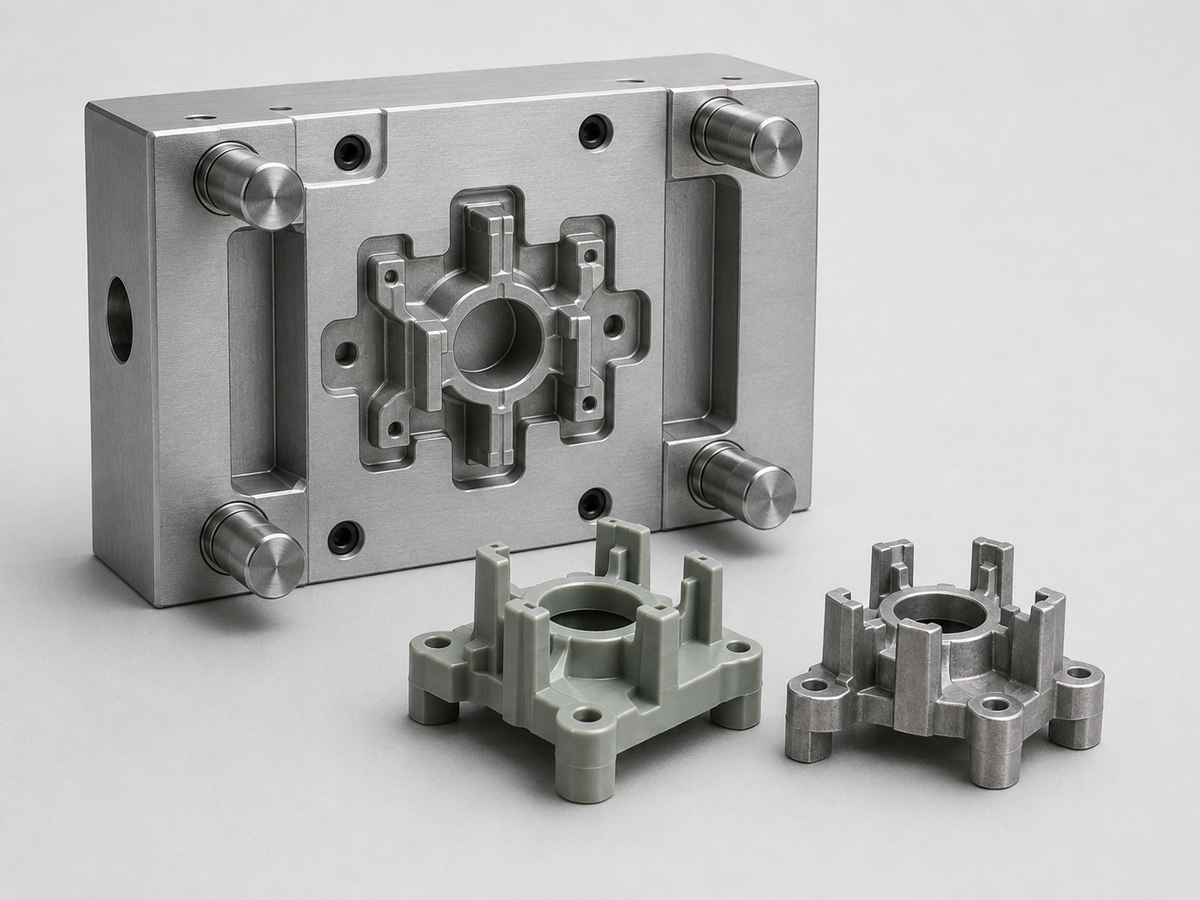
Metal Powder Pressing: Process Guide and Comparison with MIM for Precision Metal Parts

Metal Powder Pressing: Process Guide and Comparison with MIM for Precision Metal Parts

Metal powder pressing is one of the most widely used processes in powder metallurgy, producing high volumes of simple metal components at low cost. However, its geometry is fundamentally constrained by the pressing direction — making it unsuitable for parts with undercuts, cross-holes, complex profiles, or high-density requirements. This article explains how metal powder pressing works, what it does well, and where its limits lie. It then shows, with direct comparison data, which part characteristics make Metal Injection Molding the more appropriate process. Engineers and buyers evaluating powder metallurgy options will find a practical selection framework for deciding between the two routes.

Leer más

Silicon Carbide Ceramic Parts: Custom SiC Components by Ceramic Injection Molding

Silicon Carbide Ceramic Parts: Custom SiC Components by Ceramic Injection Molding

Silicon carbide (SiC) is the hardest and most thermally conductive material among common CIM ceramics, making it the standard choice for semiconductor processing components, mechanical pump seals, and high-temperature industrial parts. This article explains SiC's key material properties, the two main types of sintered SiC used for precision parts, how CIM produces complex SiC geometries that would be prohibitively expensive to machine, and how SiC compares to alumina and zirconia for material selection. Design considerations and a real project case help engineers and procurement teams evaluate SiC CIM for their specific application.

Leer más

Zirconia Injection Molding: Process, Challenges, and Design Guide for ZrO2 CIM Parts

Zirconia Injection Molding: Process, Challenges, and Design Guide for ZrO2 CIM Parts

Ceramic Injection Molding is the most cost-effective process for producing complex zirconia (ZrO2) parts in volume. However, zirconia presents specific technical challenges compared to other ceramic materials — particularly in sintering temperature control, phase stability, and shrinkage management. This article explains how the zirconia CIM process works from feedstock preparation through sintering, the technical challenges engineers and process teams need to understand, design rules that prevent common defects, and how CIM compares to other zirconia manufacturing methods. Engineers evaluating ZrO2 injection molding for the first time, and procurement teams working with ceramic component suppliers, will find the technical detail needed to assess process feasibility and communicate design requirements.

Leer más

Sintered Tungsten Carbide: Process, Properties, and Custom Part Applications

Sintered Tungsten Carbide: Process, Properties, and Custom Part Applications

Ever since tungsten was first discovered in 1781 by Carl Wilhelm Scheele, it has paved the way for the ultimate industrial alloy: tungsten carbide.Tungsten carbide, also known as WC, is a hard compound made from tungsten and carbon. With super...

Leer más

Zirconia Ceramic Parts: Custom ZrO2 Components by Ceramic Injection Molding

Zirconia Ceramic Parts: Custom ZrO2 Components by Ceramic Injection Molding

Zirconia ceramic parts are used across medical, dental, semiconductor, fiber optic, and industrial applications where high strength, fracture toughness, and biocompatibility are required. This article explains why zirconia is selected over other ceramics, how ceramic injection molding produces complex ZrO2 components efficiently, and what design considerations affect part quality. A comparison between zirconia and alumina helps engineers make the right material selection. A real project case shows how a precision zirconia component was developed from prototype to production. Engineers and procurement teams can use this guide to evaluate zirconia CIM for their next application.

Leer más