


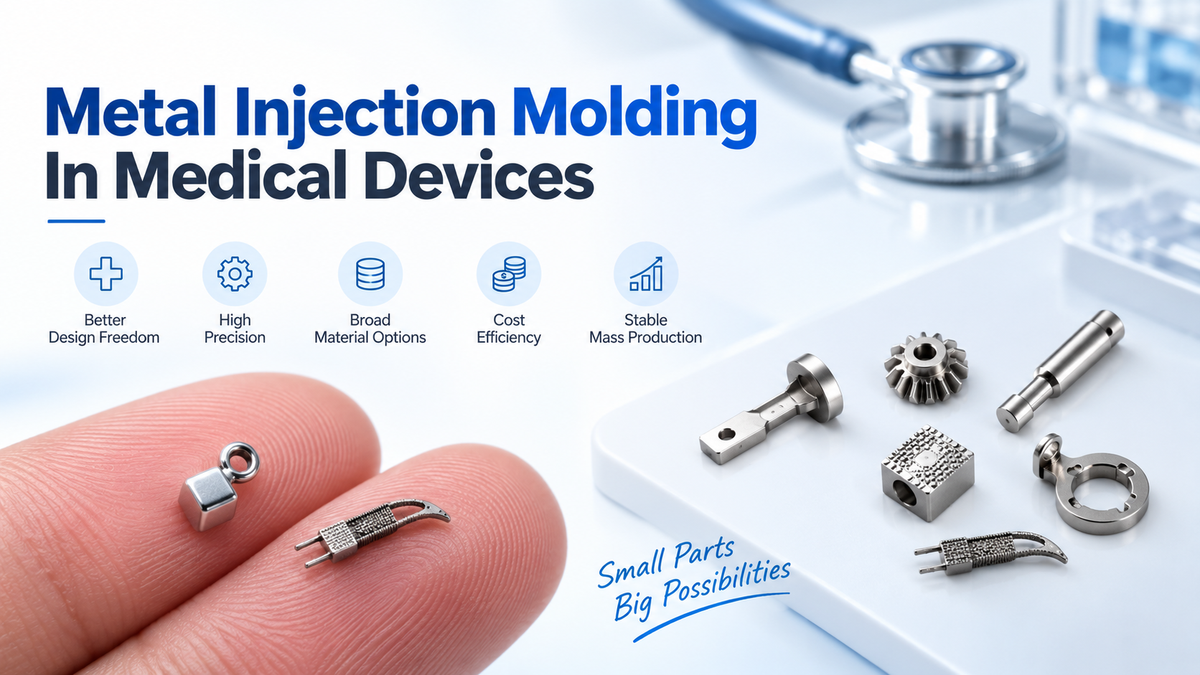
En muchas aplicaciones quirúrgicas modernas, más pequeño a menudo significa procedimientos menos invasivos y una recuperación más rápida para los pacientes. Desde la cirugía robótica mínimamente invasiva hasta los sistemas implantables de administración de fármacos, la tendencia hacia la miniaturización es clara. Sin embargo, a medida que los componentes se reducen al rango submilimétrico, el margen de error aceptable disminuye drásticamente. El mecanizado de piezas tan pequeñas ya no es una tarea rutinaria de taller; requiere procesos estrictamente controlados que integren física avanzada, ciencia de materiales e ingeniería de ultraprecisión.

1. Por qué el tamaño importa en el mecanizado de piezas médicas pequeñas
- Deflexión de la herramienta: Incluso las microfresas de carburo más resistentes pueden flexionarse como una aguja al golpear una pieza de trabajo. Gestionar la presión de la herramienta es fundamental para mantener la estabilidad geométrica.
-
Expansión térmica: Un cambio de 2°C en la temperatura ambiente puede expandir una pequeña pieza de acero inoxidable lo suficiente como para sacarla de la tolerancia.
-
Tensión superficial y rebabas: A nivel micro, una pequeña rebaba no es solo un defecto estético; puede bloquear un canal de fluido o causar una embolia fatal en un entorno clínico.
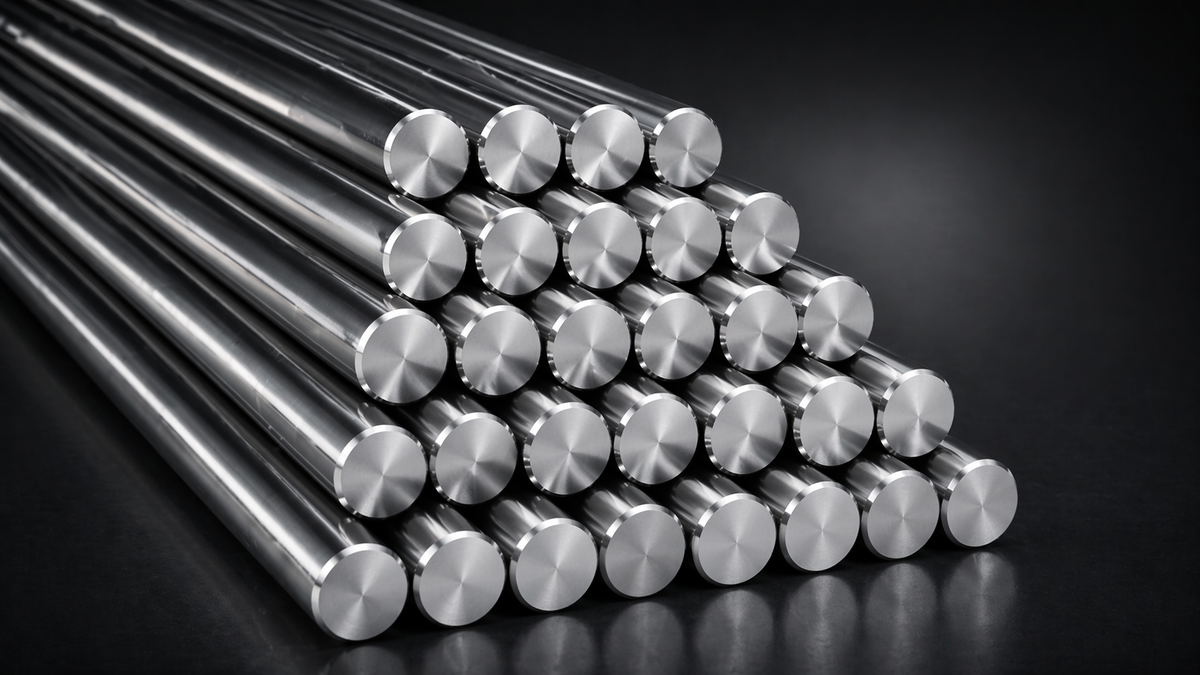
2. Materiales comunes utilizados en el mecanizado de piezas pequeñas
| Material | Tipos típicos | Ventajas clave | Principales desafíos de mecanizado |
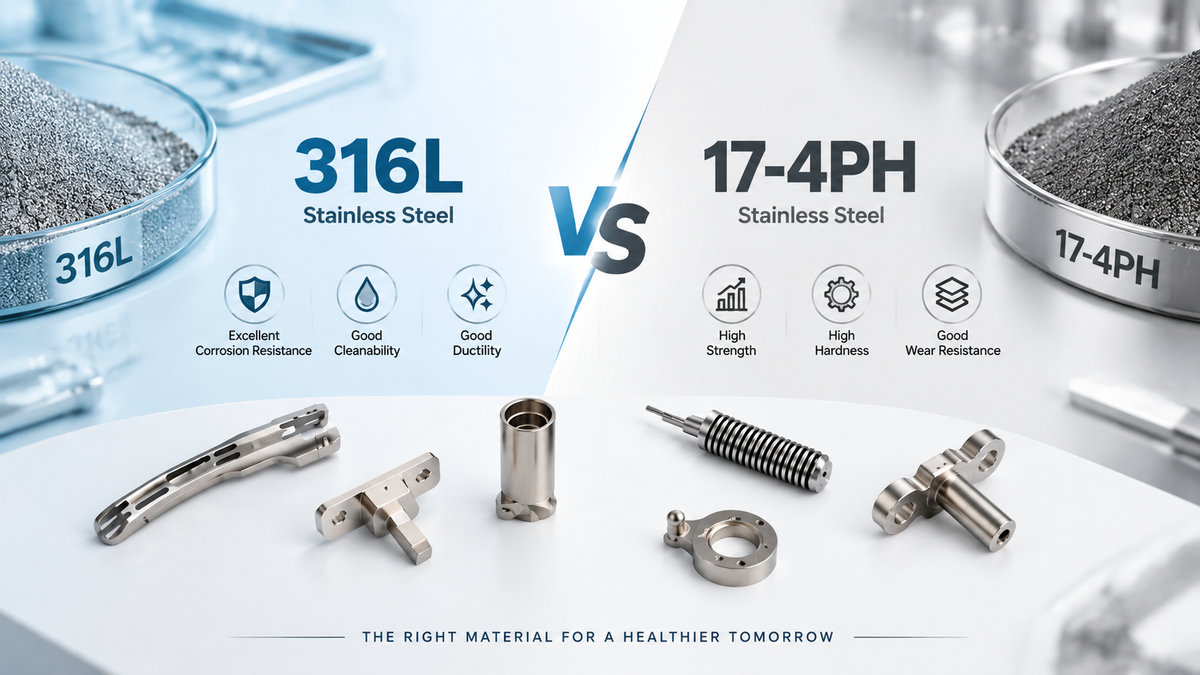
| Acero inoxidable de grado médico | 316L, 17-4 PH | - Excelente biocompatibilidad y resistencia a la corrosión - Buena resistencia y rentabilidad - Ampliamente utilizado en implantes, instrumentos y piezas para manipulación de fluidos |
- Pequeñas características fácilmente deformadas por las fuerzas de corte - La acumulación de calor puede afectar la microestructura y el acabado superficial |
| Aleaciones de titanio | Grado 5 / Ti-6Al-4V | - Alta relación resistencia-peso - Excelente osteointegración para implantes a largo plazo - Resistente a los fluidos corporales |
- La baja conductividad térmica provoca un rápido calentamiento de la herramienta - Propenso al endurecimiento por trabajo y a las microfisuras si los parámetros de corte no están optimizados |
| Polímeros de ingeniería avanzada | PEEK, otros polímeros de alto rendimiento | - Radiolúcido y químicamente resistente - Módulo de elasticidad similar al óseo - Utilizado en jaulas espinales, dispositivos de trauma y componentes de instrumentos |
- El comportamiento blando y elástico puede causar manchas o deformaciones - Requiere herramientas muy afiladas, fijación precisa y control de la refrigeración/eliminación de virutas |
En XY-GLOBAL, podemos procesar de forma fiable todos los materiales mencionados anteriormente. Ya se trate de piezas de instrumentos de acero inoxidable de precisión, implantes de titanio sensibles al calor propensos a microfisuras o piezas de PEEK que exigen una eliminación controlada de virutas y una deformación mínima, aplicamos herramientas, fijaciones y estrategias de proceso personalizadas para garantizar una precisión constante y la integridad de las piezas.
3. Herramientas y tecnologías comunes utilizadas para el mecanizado de piezas pequeñas
El mecanizado de precisión de piezas pequeñas se basa en diversas herramientas y tecnologías, incluidas herramientas de corte, herramientas de perforación, herramientas de torneado y el acabado superficial posterior. Para piezas médicas pequeñas donde la precisión es de vital importancia y un defecto menor puede provocar desastres, seleccionar el proceso de mecanizado adecuado es fundamental para mantener el rendimiento tanto en la fase de prototipado como en la de producción en masa.
3.1 Etapa de prototipado: del concepto a la realidad
-
Validación funcional: ¿Funciona el mecanismo sin juego sin problemas?
-
Prueba de materiales: ¿La aleación elegida resiste el entorno médico simulado?
-
DFM (Diseño para la fabricación): ¿Se puede producir este prototipo a escala más tarde, o es demasiado complejo para una producción en masa rentable?
3.2 Producción escalable: del prototipo a la producción en masa
Dado que es difícil mantener una precisión constante desde un solo prototipo hasta 10.000 unidades, la producción médica escalable se basa en la elección del proceso y las estrategias adecuados.
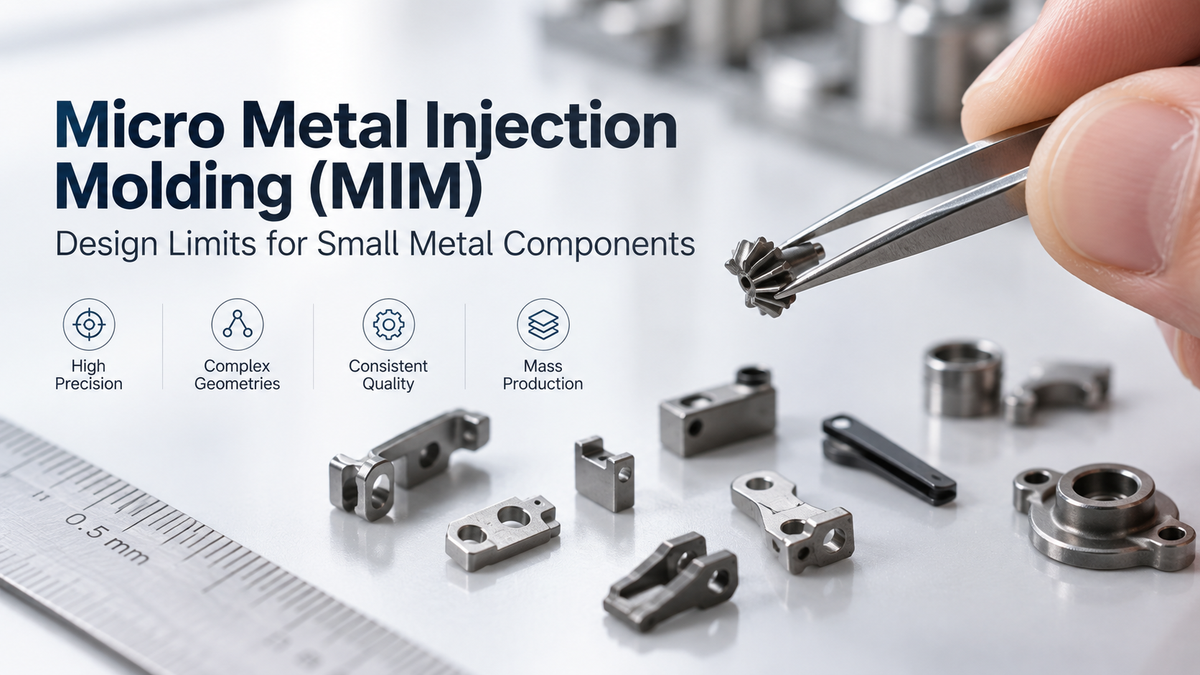
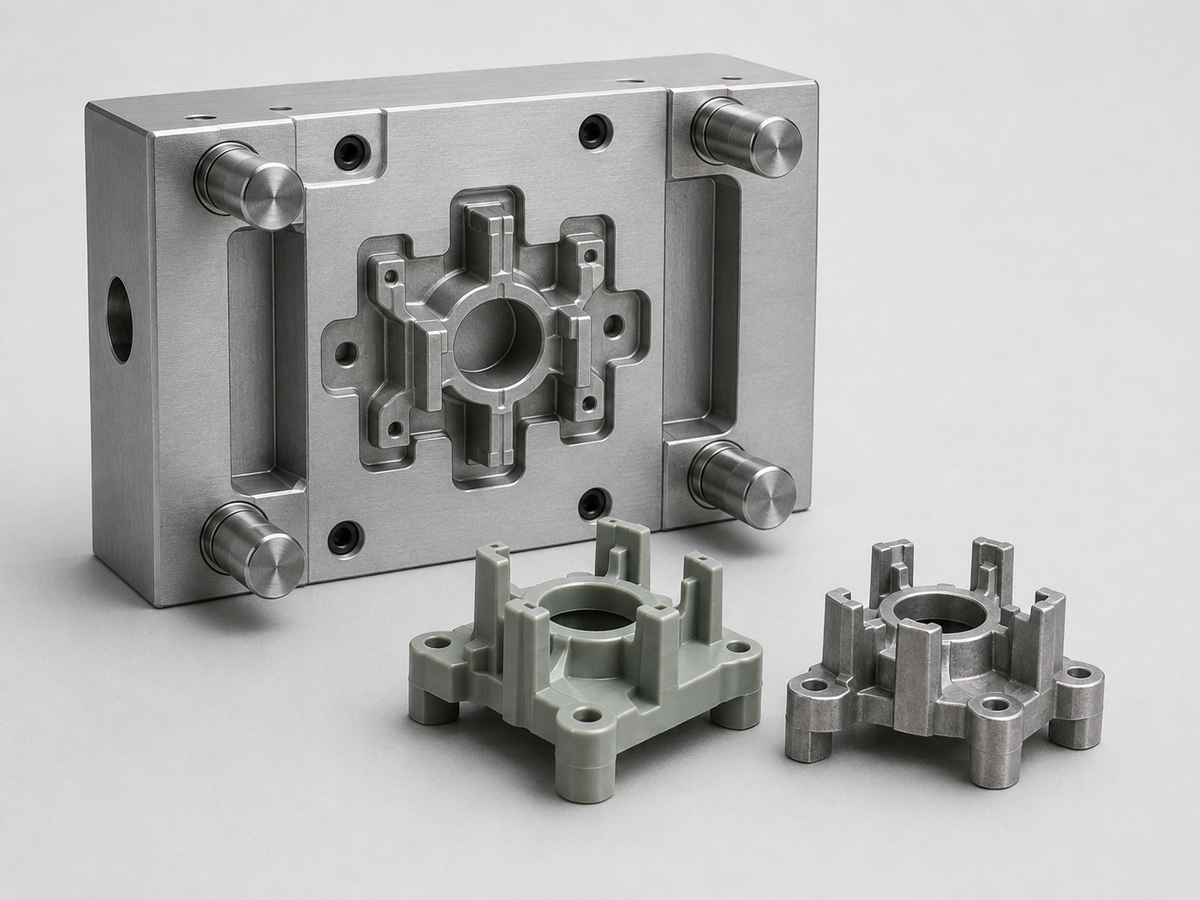
Micromecanizado CNC vs. Moldeo por inyección de metales (MIM)
| Característica | Mecanizado CNC de precisión | Moldeo por inyección de metales (MIM) |
| Volumen | Bajo a medio (1 - 5.000 unidades) | Alto (10.000+ unidades) |
| Tolerancia | Extremadamente ajustada ±0.002 mm | Moderada (0.3% a 0.5%) |
| Complejidad | Alta (roscas internas, socavados) | Muy alta (micro-características complejas) |
| Coste inicial | Bajo (no se requiere herramientas) | Alto (se requieren moldes personalizados) |
Factores de coste en el mecanizado de piezas pequeñas
-
Tipo de material
-
Complejidad de las características
-
Nivel de tolerancia
-
Acabado superficial
-
Volumen
-
Operaciones secundarias (anodizado, chapado, tratamiento térmico)

4. Cómo elegir el socio adecuado para el mecanizado de piezas pequeñas
Seleccionar un socio para el mecanizado de piezas pequeñas es más que una cuestión de escala; se trata de equilibrar la micro-precisión con la rentabilidad. A medida que los componentes se vuelven más pequeños y complejos, es mejor tener en cuenta los factores que se indican a continuación.

4.1 Capacidad del equipo
-
Microhusillos de alta velocidad
-
Tornos tipo suizo
-
Centros CNC de 5 ejes
4.2 Datos de verificación de tolerancia
-
Estudios de capacidad (CPK)
-
Informes de inspección de muestras
-
Documentación de validación del proceso
4.3 Experiencia en su industria
4.4 Soporte de ingeniería
-
Comentarios de DFM
-
Optimización de la tolerancia
-
Recomendaciones de materiales
-
Asesoramiento sobre la selección de procesos
5. Servicios de mecanizado de piezas pequeñas: su socio en microprecisión
Compartir:
Cómo el mecanizado por descarga eléctrica (EDM) impulsa la fabricación de moldes MIM de alta precisión
Moldeo por inyección de acero inoxidable: Una guía de evaluación rápida de 5 minutos para usted