

Fattori che influenzano i costi del MIM
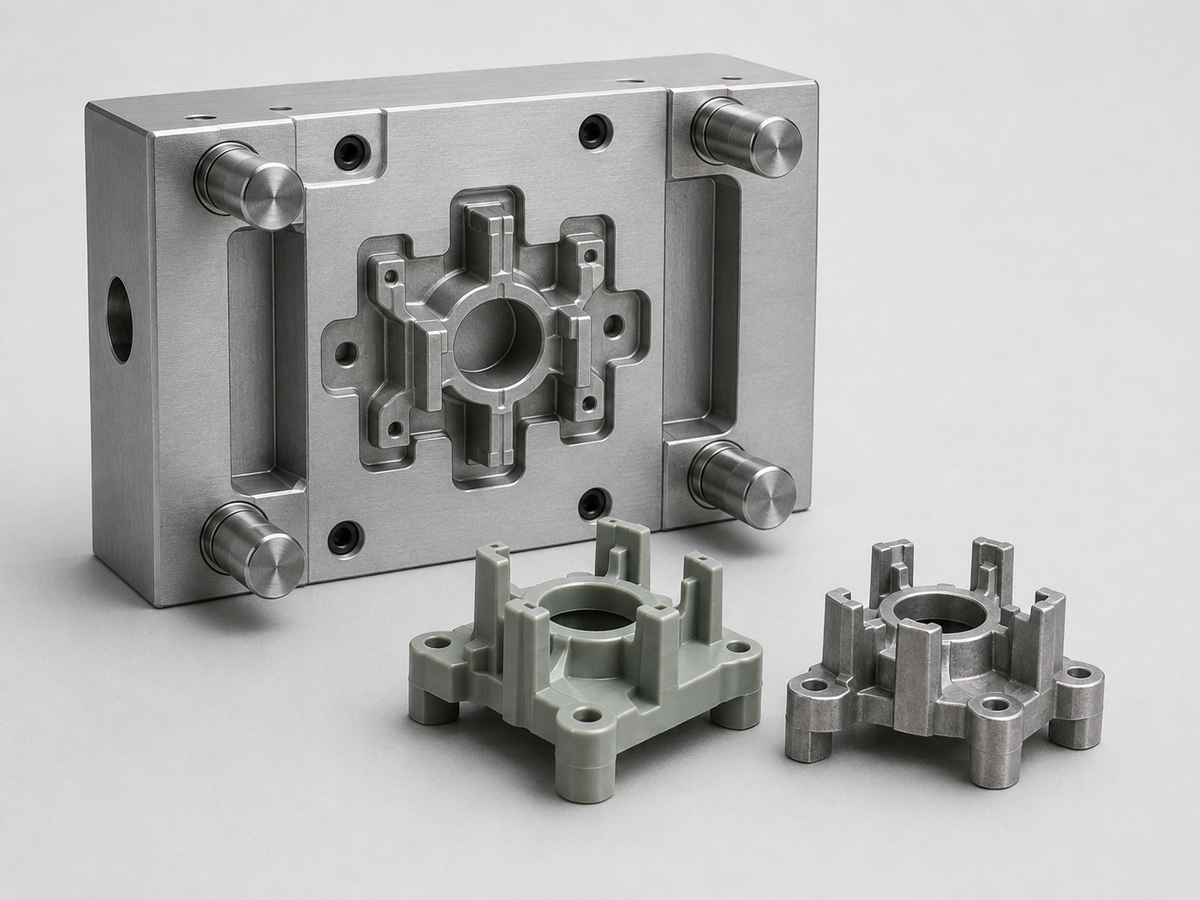
Per quanto riguarda i costi e i potenziali risparmi, esistono tre metodi comuni per produrre stampi per lo stampaggio a iniezione dei metalli:
1. Lavorazione CNC
2. Stampa 3D
3. Lavorazione per elettroerosione (EDM)
Tecniche di stampaggio a iniezione dei metalli
1. Lavorazione CNC
La lavorazione CNC, o lavorazione a controllo numerico computerizzato, utilizza controlli informatizzati per produrre grandi quantità di pezzi identici con requisiti, misure, dimensioni e pesi molto specifici.
Uno svantaggio della lavorazione CNC è che gli stampi possono richiedere molteplici cambi di utensile, rallentando il processo e aumentando quindi i costi. Inoltre, la lavorazione CNC richiede personale qualificato e uno spazio di lavoro dedicato: per questo molti produttori affidano la produzione a fornitori di servizi esterni.
2. Stampa 3D
La produzione additiva (AM), talvolta chiamata stampa 3D, è sempre più diffusa nelle fabbriche e nei settori manifatturieri grazie alla sua efficienza. L'AM consente un'ampia varietà di specifiche, misure, spessori, profondità e altri dettagli, quindi la libertà di progettazione offerta da questa tecnica è notevole. L'AM consente inoltre di creare stampi con dettagli e finiture superficiali migliori, qualità desiderabili per i componenti metallici.
Gli stampi possono essere stampati e testati rapidamente in 3D prima della produzione di massa, consentendo di risparmiare tempo e costi. Durante il processo di stampa, i lavoratori qualificati possono dedicarsi ad attività di maggior valore. Infine, gli stampi stampati in 3D vengono creati aggiungendo materiale strato dopo strato, anziché rimuoverlo come nelle tecniche sottrattive. Questo comporta meno sprechi e ulteriori risparmi sui costi.
3. Lavorazione per elettroerosione (EDM)
La lavorazione per elettroerosione, o EDM, è una tecnica che rimuove il materiale indesiderato utilizzando scariche elettriche. In questo caso, il materiale indesiderato è il metallo in eccesso, che il processo erode fino a creare la forma e il design desiderati.
A differenza della stampa 3D, il materiale viene rimosso, con conseguente maggiore spreco. Come la lavorazione CNC, l'EDM è un processo industriale spesso affidato a officine meccaniche esterne.
Condividi:
I 10 principali vantaggi e svantaggi dell'utilizzo della produzione additiva
Che cos'è il processo di Metal Binder Jetting