


Изостатическое прессование — это производственный процесс, при котором к материалу со всех сторон прикладывается равномерное гидростатическое давление. Этот метод используется для уплотнения порошков или устранения внутренней пористости в твердых компонентах, что приводит к улучшению плотности и структурной надежности.

В отличие от традиционного одноосного прессования, когда сила прикладывается с одной стороны, изостатическое прессование равномерно распределяет давление по всей поверхности детали. Это устраняет градиенты плотности и снижает внутренние напряжения, что делает этот процесс особенно ценным для высокопроизводительных применений.
В промышленности изостатическое прессование также известно как:
-
Изостатическое прессование
-
Холодное изостатическое прессование (ХИП)
-
Горячее изостатическое прессование (ГИП)
-
Изостатическое уплотнение
Хотя терминология варьируется, основная концепция остается неизменной: равномерное давление приводит к равномерным свойствам материала.
Физический принцип изостатического прессования
Эффективность изостатического прессования обусловлена законом Паскаля, который гласит, что давление, приложенное к замкнутой жидкости, передается одинаково во всех направлениях.
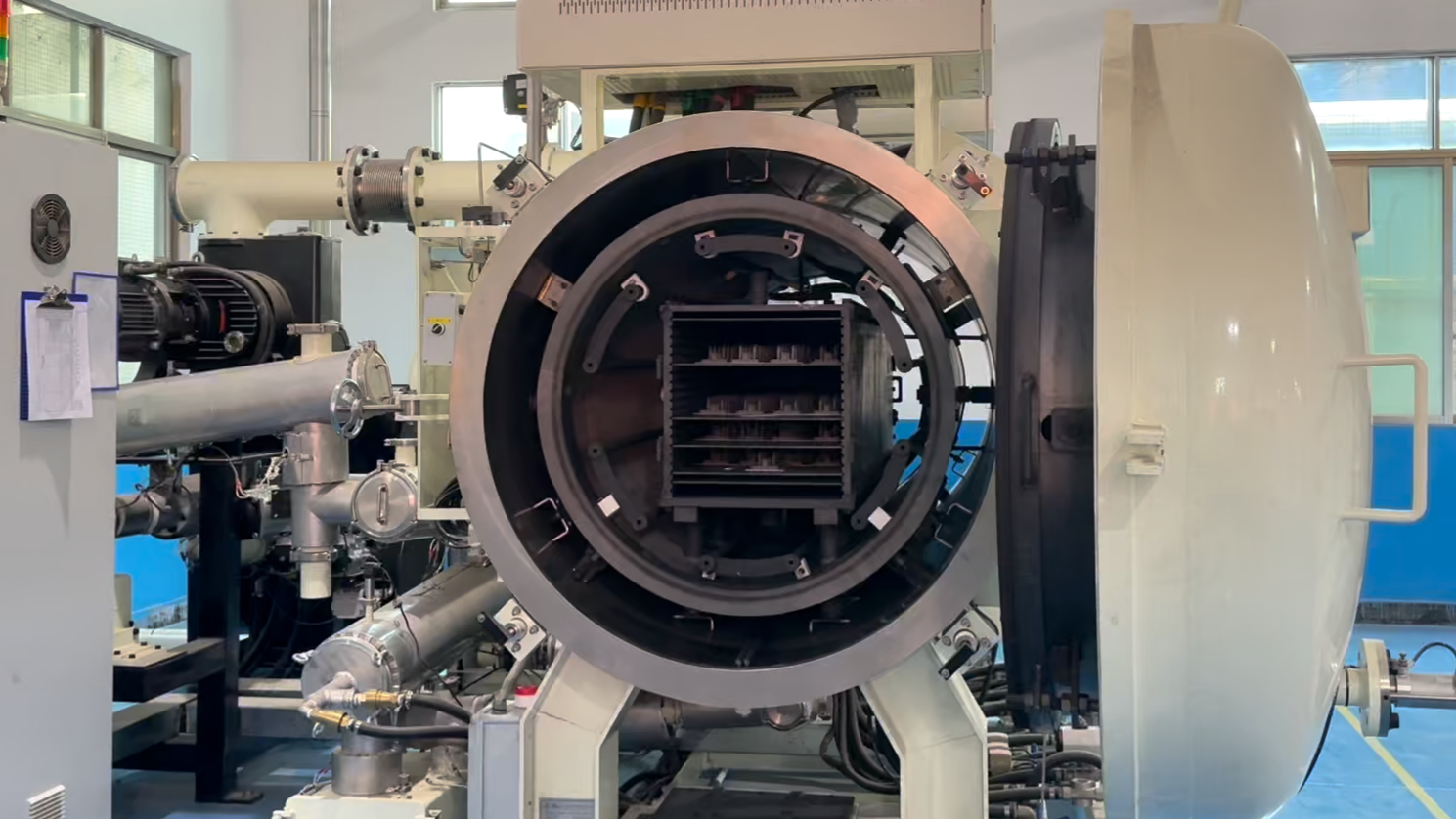
Когда компонент помещается внутрь сосуда высокого давления, заполненного жидкостью (в ХИП) или инертным газом, таким как аргон (в ГИП), среда давления полностью окружает деталь. По мере увеличения давления сила прикладывается изотропно, что означает отсутствие направления, испытывающего большее сжатие, чем другое.
Это принципиально отличается от прессования в штампах, где трение и направленная нагрузка могут создавать градиенты плотности. Устраняя эти градиенты, изостатическое прессование позволяет производить детали с более предсказуемыми характеристиками.
Как работает процесс изостатического прессования
Хотя конкретные настройки различаются, типичный процесс изостатического прессования проходит в четкой последовательности.
Типовой технологический процесс
-
Подготовка материала. Это может быть металлический порошок, керамический порошок, металлическая деталь, изготовленная методом аддитивного производства, или даже литая деталь с внутренней пористостью.
-
Герметизация. При холодном изостатическом прессовании порошки обычно запечатываются внутри гибкой эластомерной формы. При горячем изостатическом прессовании компоненты часто помещаются в герметичный металлический контейнер для предотвращения проникновения газа при высоких температурах.
-
Размещение в сосуде высокого давления. После герметизации гидростатическое давление прикладывается через окружающую среду. При ГИП одновременно вводится повышенная температура, что обеспечивает атомную диффузию и закрытие пор.
-
Гидростатическое прессование. Согласно закону Паскаля, давление равномерно увеличивается по всей поверхности детали. Это приводит к изотропному уплотнению, при котором материал сжимается одинаково во всех направлениях, избегая трения и градиентов плотности, наблюдаемых при традиционном механическом прессовании.
-
Фаза выдержки. Система поддерживает пиковое давление (и нагрев во время ГИП) в течение определенного времени. В течение этого «времени выдержки» внутренние пустоты и микропористость устраняются, поскольку атомы мигрируют, чтобы заполнить пробелы, позволяя материалу достичь почти теоретической максимальной плотности.
-
Контролируемое снижение давления. Давление постепенно снижается для защиты структурной целостности детали. При ГИП скорость охлаждения также тщательно регулируется, чтобы предотвратить термический удар или внутреннее растрескивание, гарантируя, что конечный компонент соответствует высоким механическим стандартам.
Холодное и горячее изостатическое прессование (ХИП и ГИП)
Изостатическое прессование может выполняться при комнатной или повышенной температуре. Выбор зависит от цели — формования или уплотнения.

Холодное изостатическое прессование (ХИП)
Холодное изостатическое прессование в основном используется для уплотнения порошков перед спеканием. Оно улучшает однородность плотности заготовки и снижает риск растрескивания.
| Параметр | Типичный диапазон |
| Давление | 100–400 МПа |
| Температура | Окружающая |
| Среда | Вода или масло |
| Основное назначение | Формование порошка |
ХИП широко применяется в порошковой металлургии, производстве керамики и твердосплавного инструмента.
Горячее изостатическое прессование (ГИП)
Горячее изостатическое прессование сочетает высокую температуру с высоким давлением для устранения внутренней пористости.
| Параметр | Типичный диапазон |
| Давление | 100–200 МПа |
| Температура | 1000–2000°C |
| Атмосфера | Аргон |
| Основное назначение | Уплотнение |
ГИП может увеличить плотность материала примерно с 95–98% до более чем 99,9% в зависимости от системы материалов. Это улучшение напрямую повышает усталостную прочность и сопротивление разрушению.
Изостатическое прессование против одноосного прессования
Понимание этого сравнения помогает прояснить, почему изостатическое прессование используется в критически важных областях.
| Характеристика | Одноосное прессование | Изостатическое прессование |
| Направление давления | Одна ось | Все направления |
| Однородность плотности | Умеренная | Отличная |
| Остаточное напряжение | Выше | Ниже |
| Удаление пористости | Ограничено | Высокоэффективно (ГИП) |
| Возможности геометрии | Ограничено | Сложные формы |
Хотя одноосное прессование является экономически эффективным для массового производства, изостатическое прессование обеспечивает превосходную однородность материала.

Механические и структурные преимущества изостатического прессования
Основное преимущество изостатического прессования заключается в его способности устранять внутренние дефекты и обеспечивать структурную однородность.
Когда внутренняя пористость уменьшается с помощью горячего изостатического прессования, обычно происходит несколько измеримых улучшений:
-
Повышенная прочность на разрыв
-
Повышенный срок службы при усталости (часто в 2–5 раз)
-
Улучшенная вязкость разрушения
-
Большая ползучесть при повышенных температурах
Равномерная плотность также способствует более стабильному поведению при механической обработке и лучшему контролю размеров на последующих этапах производства.
Для деталей, работающих под давлением, или критически важных для безопасности компонентов эти улучшения не являются необязательными — они необходимы.
Промышленные применения изостатического прессования
Благодаря своим возможностям уплотнения изостатическое прессование широко применяется в передовых отраслях промышленности.
| Промышленный сектор | Ключевые компоненты и материалы | Основные преимущества и решения |
| Медицинское производство | Ортопедические имплантаты (суставы), зубные протезы, хирургические инструменты | Повышает усталостную прочность и обеспечивает долгосрочную структурную стабильность имплантатов внутри человеческого тела. |
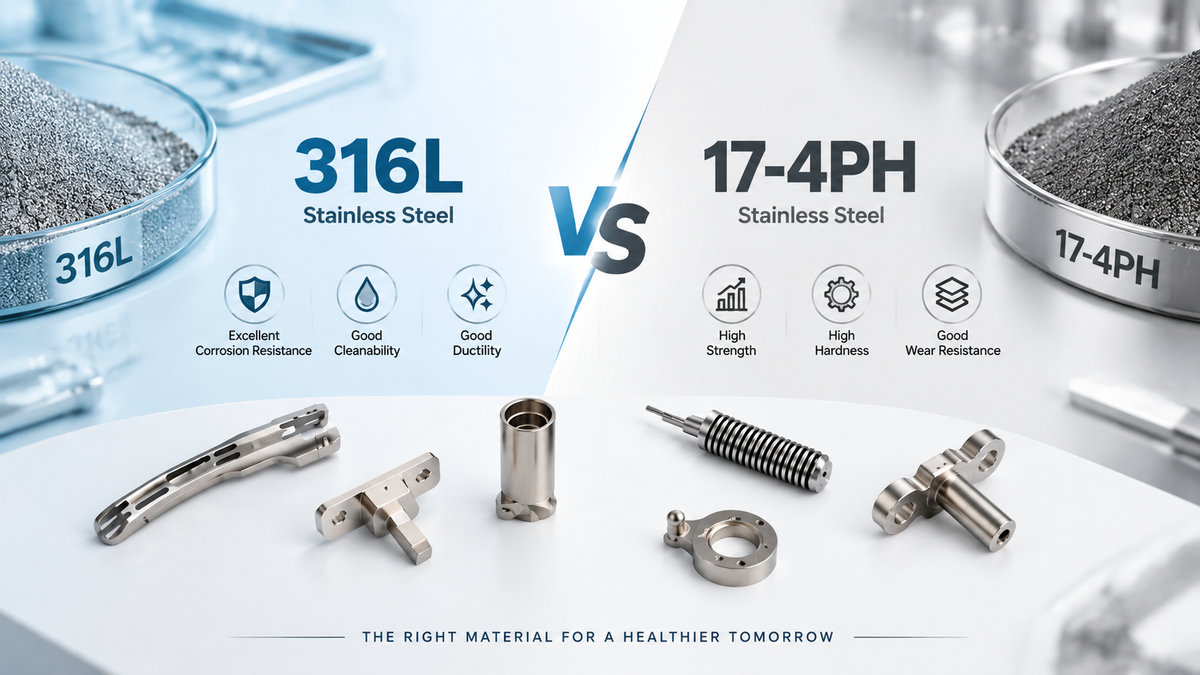
| Аддитивное производство | Металлические детали, напечатанные на 3D-принтере (инконель, титан, нержавеющая сталь) | Действует как стандартный этап пост-обработки для устранения внутренней пористости и улучшения однородности микроструктуры. |
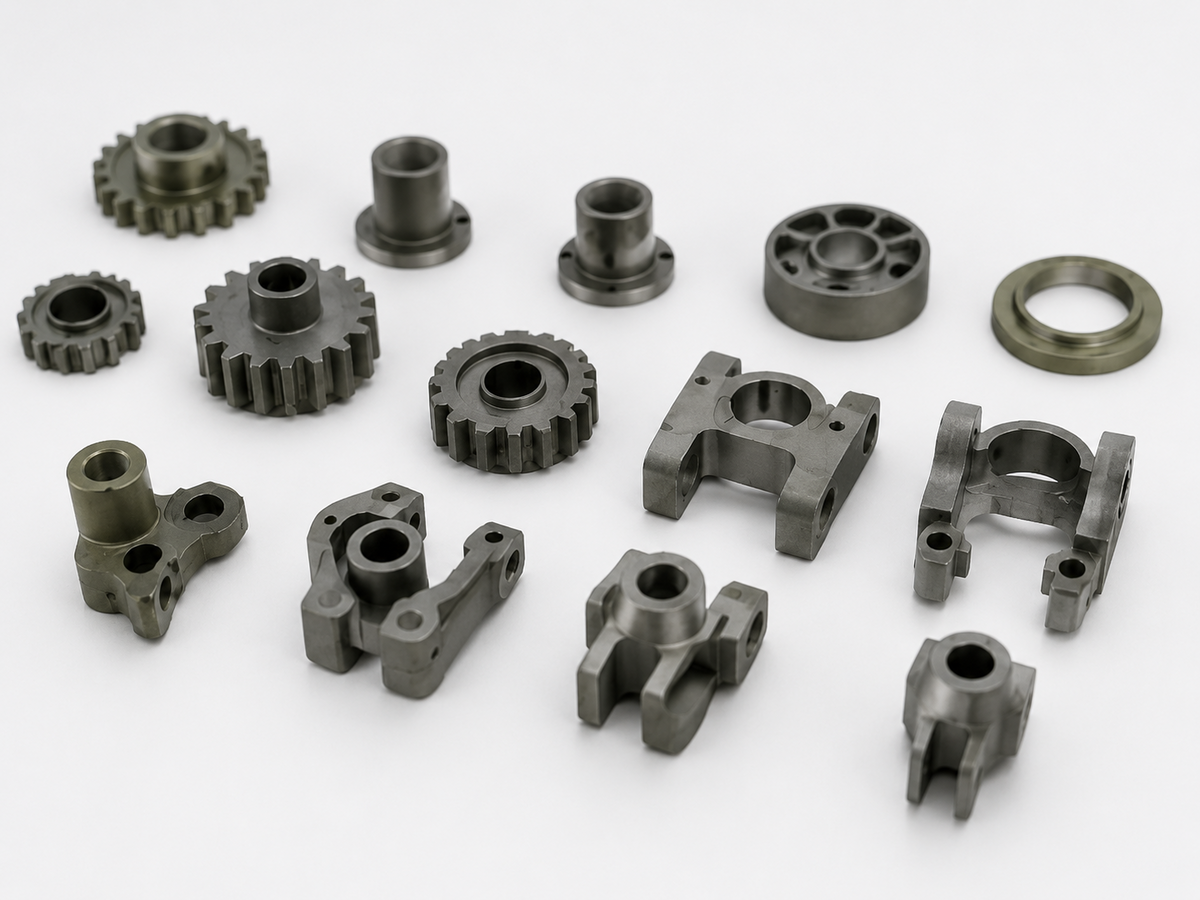
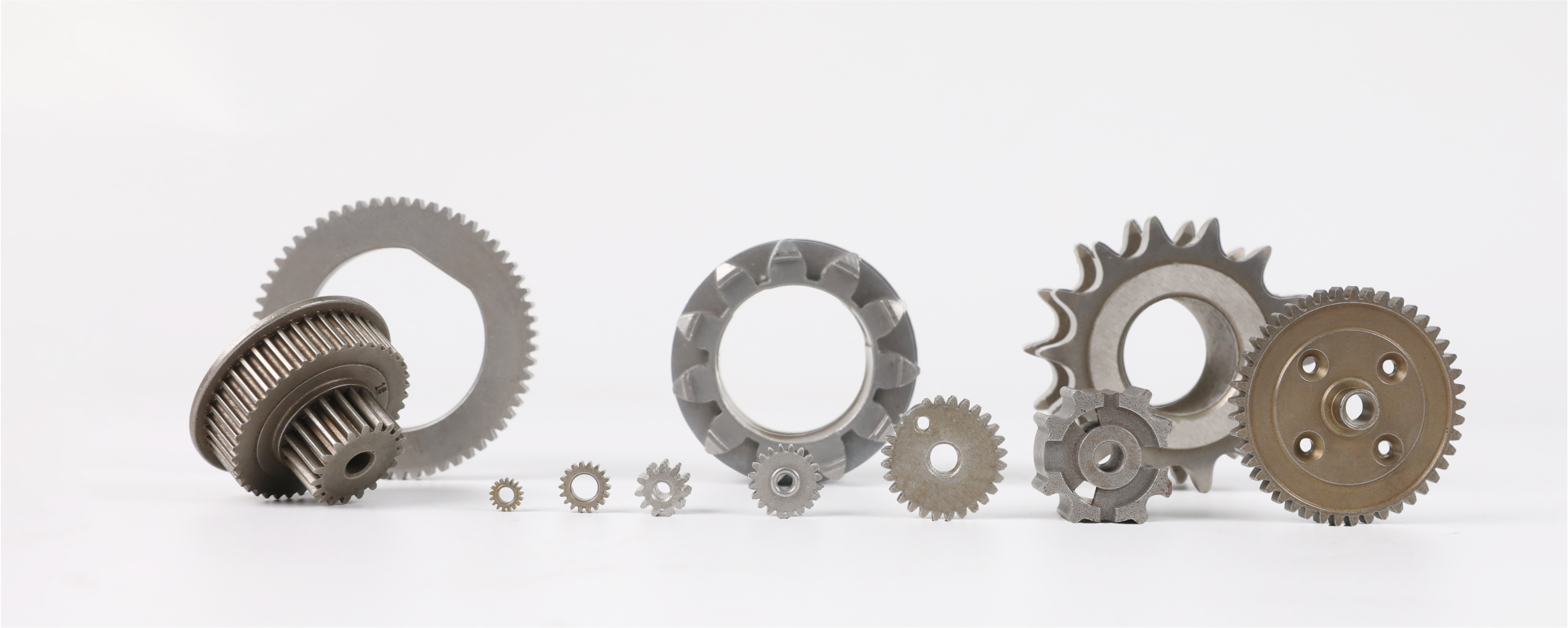
| Порошковая металлургия и литье под давлением | Высококачественные инструментальные стали, детали, изготовленные методом литья под давлением | Увеличивает плотность материала до почти теоретических пределов и уменьшает внутренние дефекты в компонентах сложной формы. |
| Аэрокосмическая и оборонная промышленность | Турбинные диски, титановые корпуса, суперсплавы на основе никеля | Обеспечивает устойчивость деталей к экстремальным циклическим нагрузкам и резким перепадам температур за счет максимальной структурной целостности. |
Ограничения изостатического прессования
Несмотря на свои преимущества, изостатическое прессование подходит не для всех применений.
Инвестиции в оборудование значительны, время цикла дольше, чем при обычном прессовании, а затраты на обработку выше. Во многих случаях процесс оправдан только тогда, когда этого требуют эксплуатационные характеристики.
Поэтому изостатическое прессование обычно применяется для высокоценных или высоконадежных компонентов, а не для недорогих деталей массового производства.
Когда производителям следует выбирать изостатическое прессование?
Производители обычно выбирают изостатическое прессование, когда:
-
Необходимо свести к минимуму внутреннюю пористость
-
Критически важна усталостная прочность
-
Применяются стандарты аэрокосмической или медицинской сертификации
-
Детали, изготовленные аддитивным методом, требуют уплотнения
-
Надежность конструкции перевешивает затраты на обработку
В этих ситуациях прирост производительности, обеспечиваемый изостатическим прессованием, оправдывает дополнительные этапы обработки.
Заключение
Изостатическое прессование — это мощная технология уплотнения, которая применяет равномерное гидростатическое давление для улучшения целостности материала и устранения внутренних дефектов.
Независимо от того, используется ли холодное изостатическое прессование для уплотнения порошка или горячее изостатическое прессование для полного уплотнения, этот процесс играет жизненно важную роль в аэрокосмической, медицинской, аддитивной промышленности и передовой порошковой металлургии.
Понимая, как работает изостатическое прессование — и когда его следует применять — инженеры могут принимать обоснованные решения относительно характеристик материала, его надежности и долговечности.

Делиться:
Производители керамических изделий: Прецизионные керамические компоненты для передовых отраслей промышленности
Литье металлов под давлением или порошковая металлургия: как выбрать подходящий процесс