

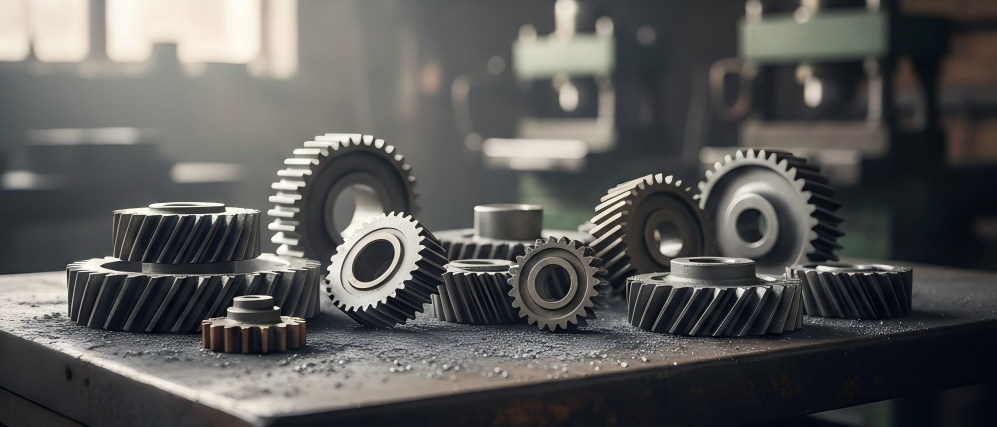

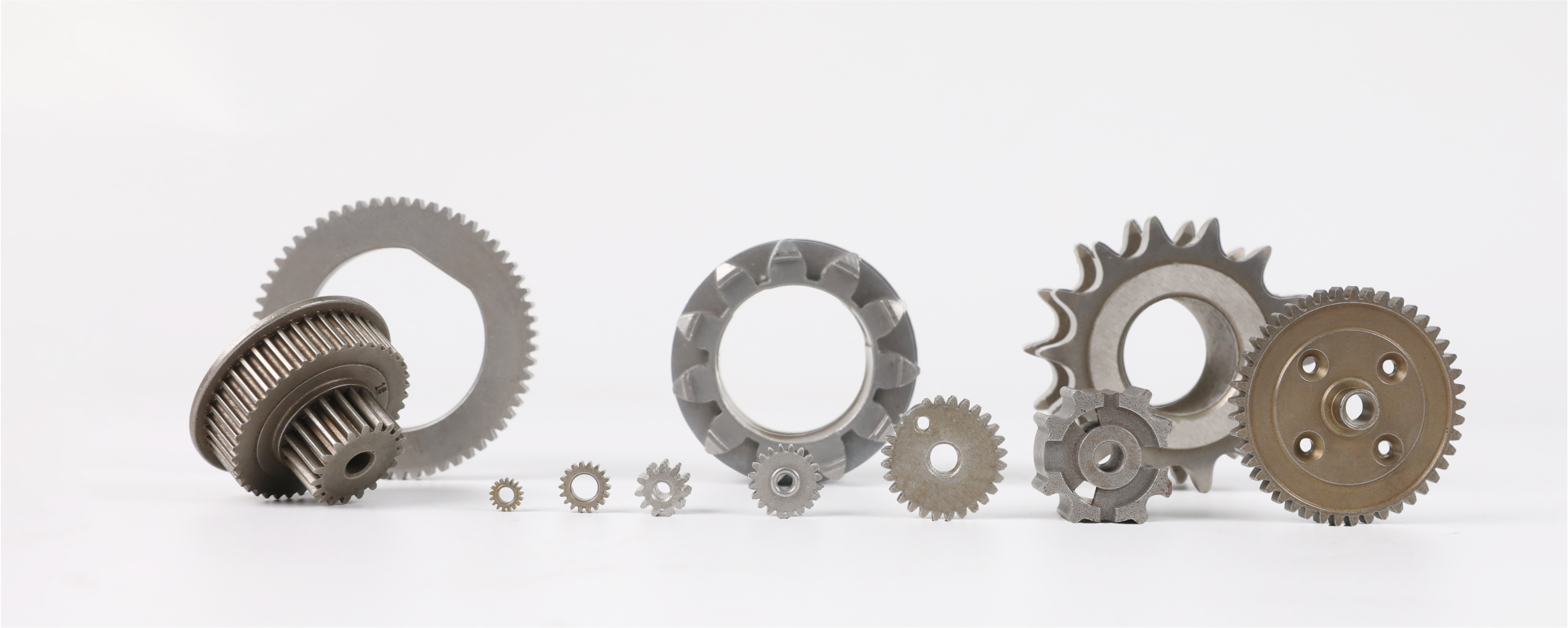
1. Понимание металлокерамических шестерен: наука точности

-
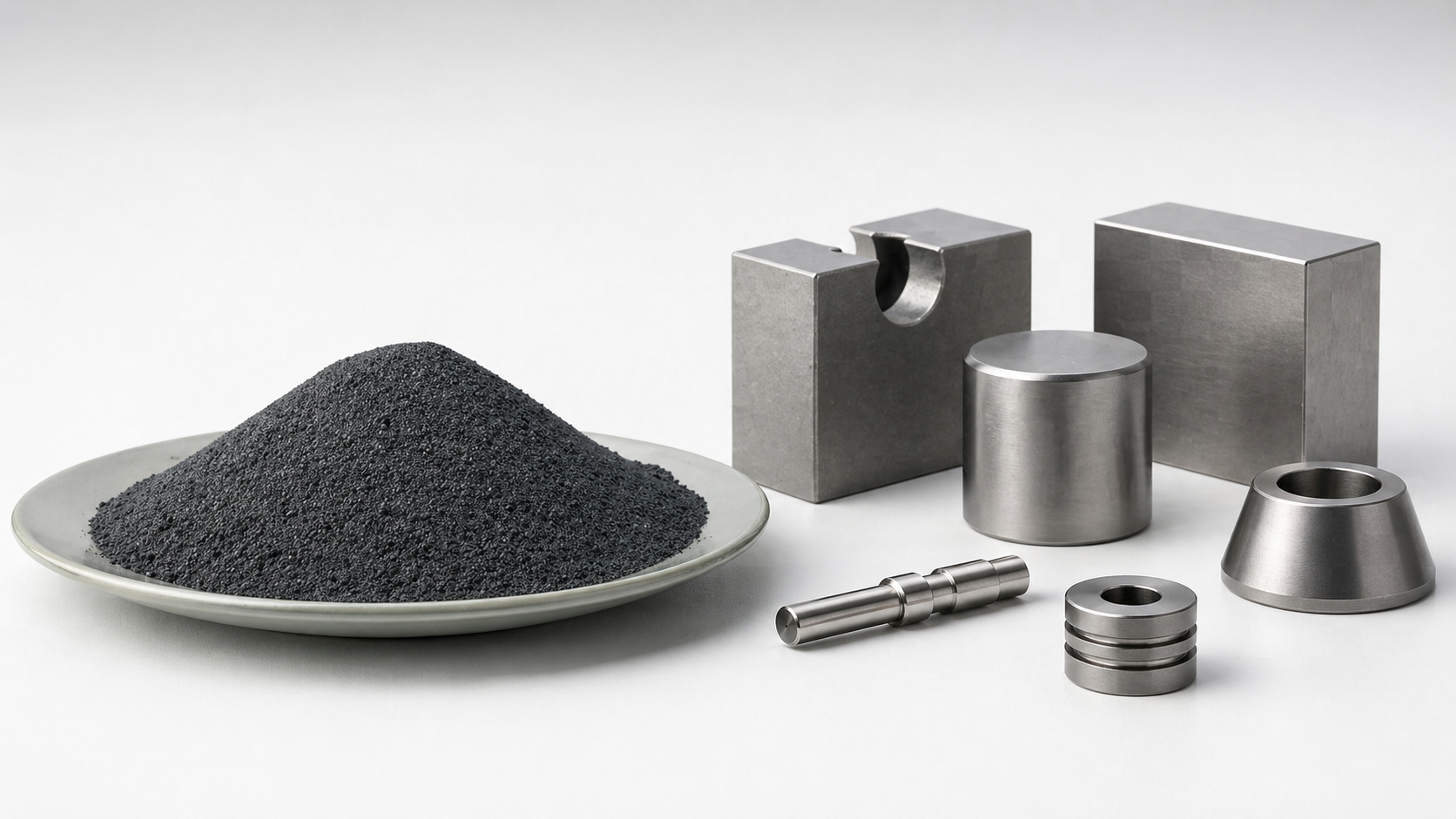
Усовершенствованное смешивание: Мы начинаем с высокочистых железных, стальных или сплавных порошков, смешивая их с точными смазочными материалами для обеспечения плавного течения во время уплотнения.
-
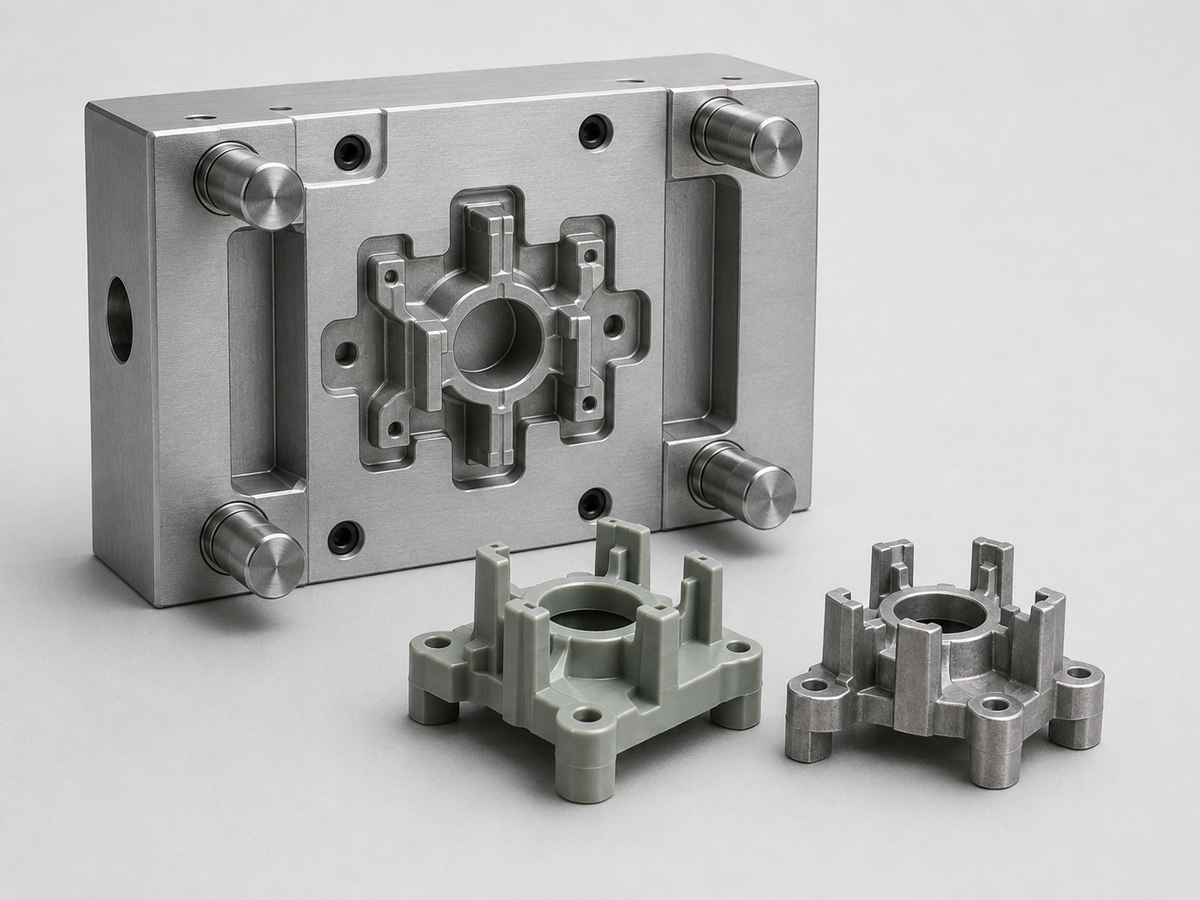
Высокотемпературное уплотнение: Порошок сжимается в специально разработанной матрице. Именно здесь начинается философия "форма — это истина".
-
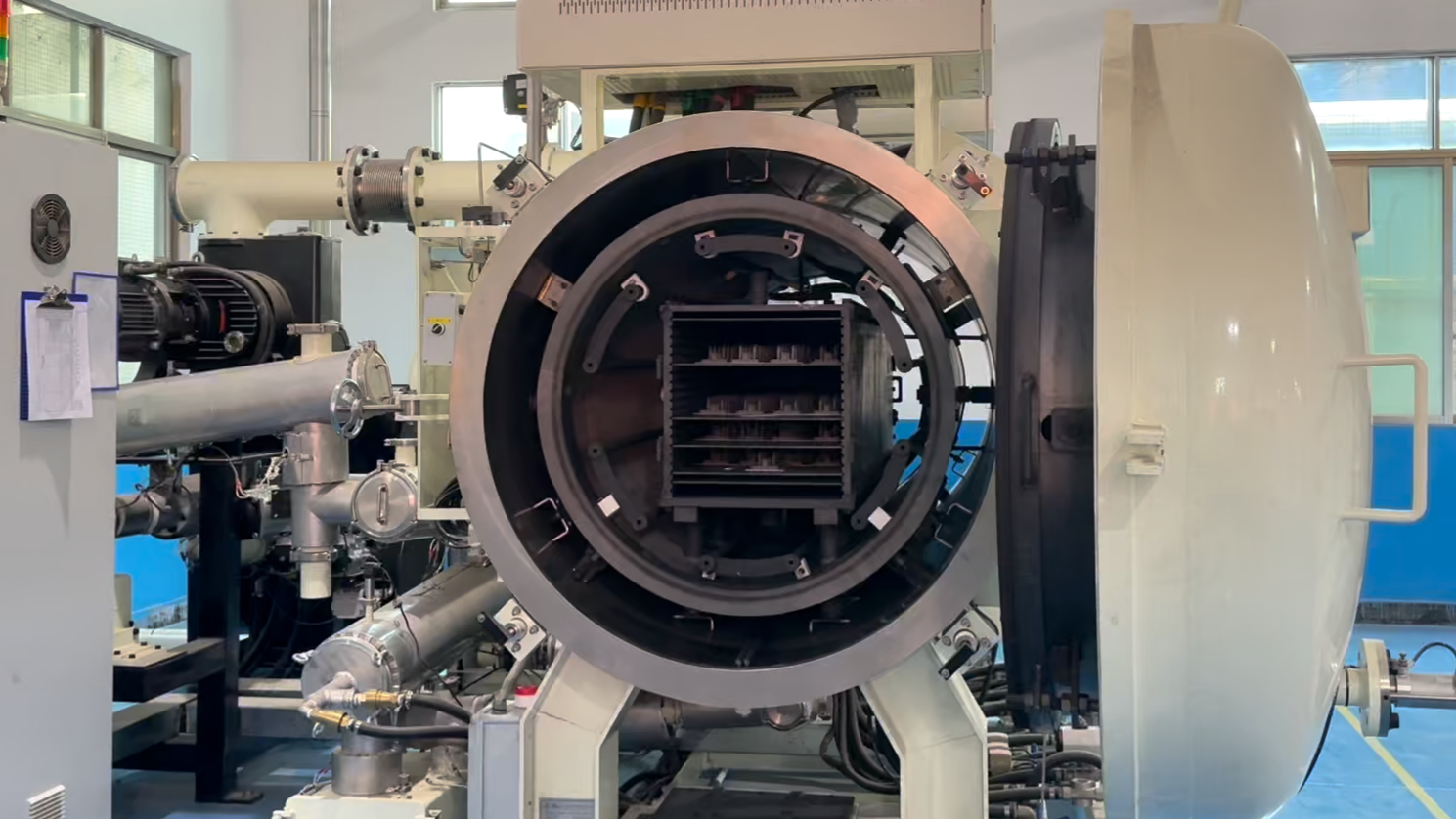
Высокотемпературное спекание: "Зеленые" шестерни (необработанные шестерни после уплотнения, еще не спеченные) нагреваются до температуры чуть ниже их точки плавления. Это связывает металлические частицы вместе, создавая прочную, высокопрочную структуру.
-
Вторичное улучшение: Для удовлетворения экстремальных требований мы предлагаем пропитку маслом для самосмазывания, снятие заусенцев смолой или индукционную поверхностную закалку.
2. Основная философия XY-GLOBAL: качество производится, а не инспектируется
На многих традиционных заводах "контроль качества" означает наем целого штата людей для измерения деталей и отбраковки некачественных. Это реактивный, расточительный и, в конечном итоге, ненадежный метод. В XY-GLOBAL мы рассматриваем качество как переменную производственного процесса, а не как нечто второстепенное.
Эта философия была проверена на практике, когда европейский автомобильный клиент первого уровня столкнулся с непостоянными шумовыми характеристиками в двигателях регулировки сидений электромобилей. Шестерни от их предыдущего поставщика вызывали микровибрации, что приводило к большому количеству гарантийных претензий. Вместо того чтобы просто увеличить количество проверок, мы внедрили наш протокол "встроенного качества" для решения проблемы в ее источнике:
-
Первопричина: Мы установили, что распределение плотности в основании зубьев шестерни колебалось на 3%, что вызывало микровибрации.
-
Исправление процесса: Мы внедрили систему прессования с ЧПУ с замкнутым циклом, которая регулировала давление в режиме реального времени для каждого отдельного хода.
-
Результат: CPK (индекс возможностей процесса, статистическая мера способности процесса производить продукцию в пределах заданных допусков) для плотности увеличился с 1,1 до 1,8. Производя качество на этапе прессования, клиент исключил вторичные акустические испытания, сэкономив 15% от общих производственных затрат.
3. Почему металлокерамические шестерни являются стандартом для "встроенного качества"
I. Принцип "форма — это истина"
-
Точное обслуживание: Мы применяем агрессивный график профилактического обслуживания для всех инструментов. Используя передовые материалы из карбида вольфрама, мы гарантируем, что 500 000-я шестерня сохраняет те же допуски, что и первая.
-
Бездефектный инструмент: Сосредоточившись на совершенстве формы, мы гарантируем "стабильность производства" еще до включения питания.
II. Стабильность плотности и лидерство CPK
-
Статистический контроль процессов (SPC): Мы не просто измеряем в конце; мы отслеживаем вес, высоту и усилие уплотнения для каждой партии.
-
Картирование прочности: Наша инженерная команда картирует плотность зубьев шестерни, чтобы убедиться, что области с высокой нагрузкой (основания) являются самыми прочными. Этот уровень контроля является причиной, по которой шестерни XY-GLOBAL доверяют в критически важных системах передачи энергии.

III. Устойчивость и преимущество ESG
-
95% использование материала: Мы используем почти каждый грамм порошка, по сравнению с огромными отходами, образующимися при традиционной механической обработке.
-
Экологичное производство: Сокращая энергоемкую вторичную механическую обработку, наши металлокерамические шестерни помогают нашим клиентам достигать их целей в области корпоративной социальной ответственности (КСО) и ESG (экологического, социального и корпоративного управления).
4. Преодоление критических инженерных проблем: метод XY-GLOBAL
Задача 1: Достижение высокой нагрузочной способности
Задача 2: Точность геометрии зубьев (стандарты AGMA)
5. Синергия глобальных цепочек поставок: заводы в Малайзии и Европе
-
Завод в Малайзии: Ориентирован на высокообъемную автоматизацию и экономически эффективное масштабирование для рынков Азии и Северной Америки. Он служит нашим центром "стабильности производства" в массовой потребительской электронике.
-
Европейский завод: Расположенный в сердце автомобильных инноваций, этот объект занимается быстрым прототипированием и производством высокосложных металлокерамических шестерен для секторов электромобилей и аэрокосмической промышленности.
6. Как оценить поставщика металлокерамических шестерен
-
Анализ возможностей процесса: Предоставляет ли поставщик данные CPK в реальном времени для таких размеров, как диаметр по роликам (OPD) и суммарная погрешность (TCE)?
-
Картирование плотности: Могут ли они продемонстрировать равномерную плотность по сложным многоуровневым шестерням?
-
Собственный опыт в области оснастки: Проектируют ли они и обслуживают ли свои собственные матрицы? (Критический фактор для "форма — это истина").
-
Контроль атмосферы спекания: Контролируют ли они уровни кислорода и азота в печи для предотвращения внутреннего окисления?
-
Глобальные сертификаты: Имеют ли они IATF 16949 для автомобильной промышленности или ISO 13485 для соответствия медицинским стандартам?
7. Максимизация стоимости: снижение общей стоимости владения (TCO)
-
Исключение вторичной механической обработки: Почти чистая форма означает меньше этапов, что снижает ваш углеродный след и трудозатраты.
-
Сокращение отбраковки на сборочной линии: Стабильные детали означают, что ваши роботы не застревают, а вашим работникам не приходится "силой" устанавливать компоненты.
-
Снижение гарантийных рисков: Высококачественные шестерни не выходят из строя в процессе эксплуатации, защищая репутацию вашего бренда и снижая долгосрочную ответственность.
Делиться:
Литье под давлением металла в сравнении с литьем под давлением: всестороннее сравнение для принятия бизнес-решений
Прецизионное литье под давлением с использованием углеродного волокна: Достижение плоскостности и прочности для высокопроизводительных деталей