

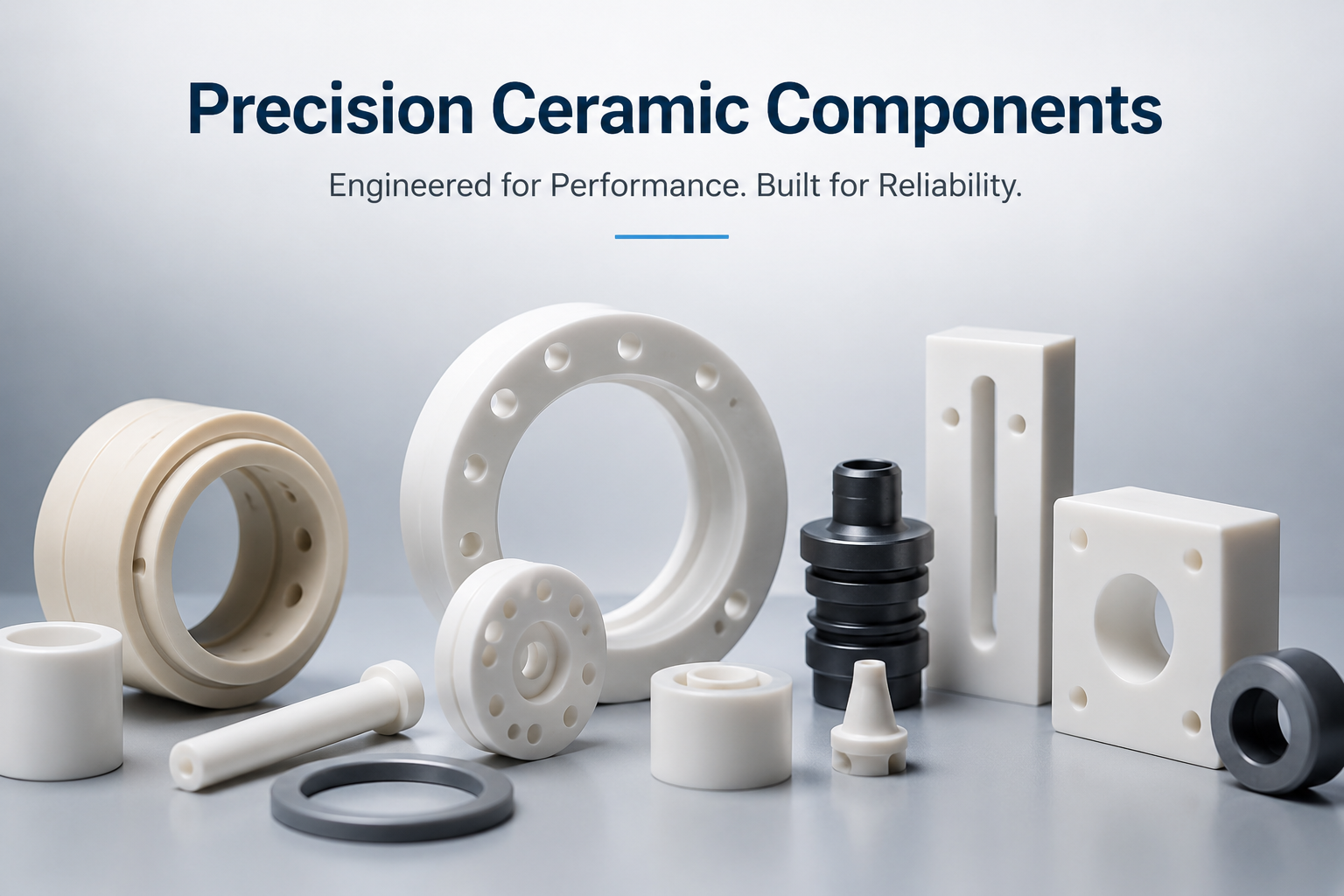
Высокоточные керамические компоненты для промышленного применения
Во многих требовательных промышленных применениях стандартные металлические или пластиковые детали не всегда могут обеспечить стабильную долговременную работу. Компоненты могут работать при высоких температурах, в условиях постоянного износа, химической коррозии, при необходимости электрической изоляции, в условиях теплового режима, строгой размерной стабильности или в средах с высокой степенью чистоты. Если материал выбран неправильно, могут возникнуть такие проблемы, как быстрый износ, деформация, выход из строя изоляции, загрязнение оборудования или сокращение срока службы.

Именно поэтому всё больше инженерных проектов выбирают прецизионные керамические компоненты.
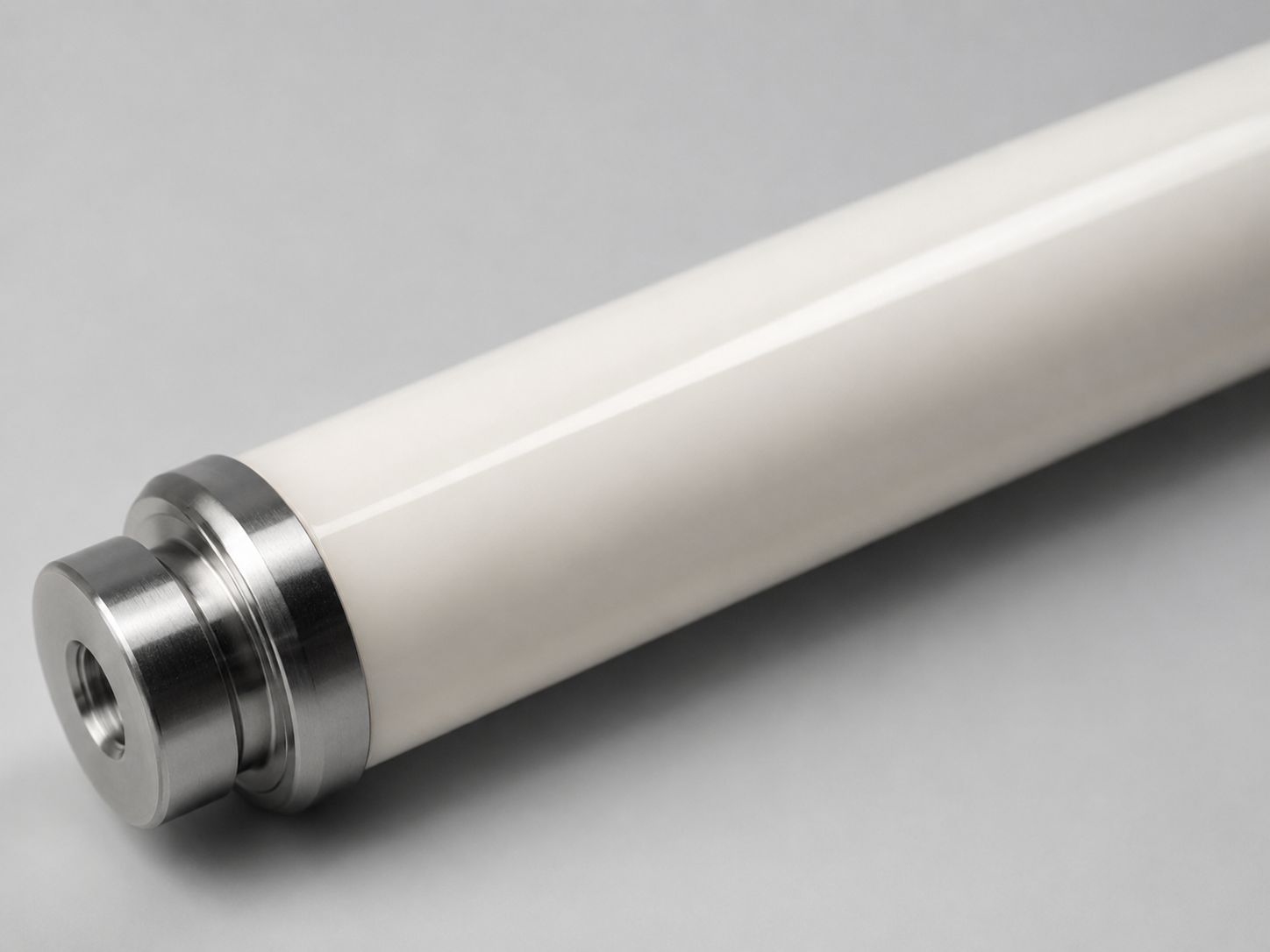
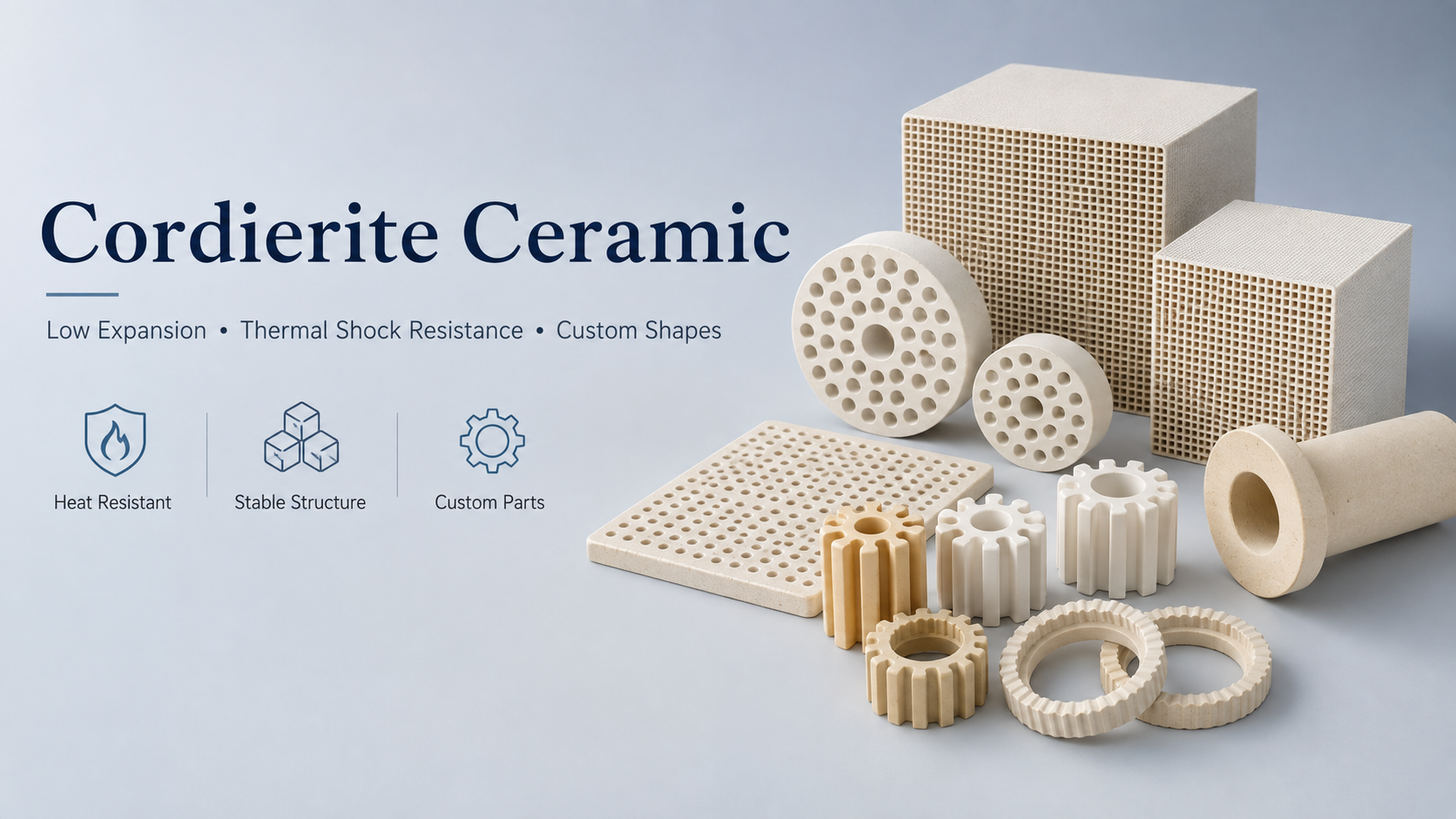
Прецизионные керамические компоненты — это не обычные керамические изделия, используемые в повседневной жизни. Это усовершенствованные керамические детали, разработанные для промышленного оборудования, медицинских устройств, полупроводниковых систем, электроники, автомобильной промышленности, систем управления потоками и точного машиностроения. Эти компоненты обычно изготавливаются из таких материалов, как оксид алюминия, диоксид циркония, нитрид кремния, нитрид алюминия и карбид кремния. Благодаря формовке, спеканию, прецизионной шлифовке, полировке и контролю они могут достигать стабильных размеров и надежных характеристик материала.
Почему выбирают прецизионные керамические компоненты?
Основное преимущество прецизионных керамических компонентов заключается не только в их высокой твердости. Их истинная ценность заключается в способности оставаться стабильными в средах, где многие металлы или пластмассы могут выйти из строя.
Например, при длительном трении металлические детали могут требовать частой смазки или замены. В электронном оборудовании металлические детали не могут обеспечить электрическую изоляцию. В агрессивных средах некоторые материалы могут подвергаться воздействию химикатов. В высокотемпературных условиях пластиковые компоненты могут деформироваться или терять свои функции.
По сравнению с этими традиционными материалами, усовершенствованная керамика может предложить несколько важных преимуществ:
-
Высокая твёрдость, причём некоторые керамические материалы достигают примерно 1200–2800 HV
-
Хорошая устойчивость к высоким температурам, некоторые виды керамики пригодны для использования при температуре выше 1000°C
-
Высокая коррозионная стойкость к кислотам, щелочам, растворителям или специальным средам
-
Высокая теплопроводность у некоторых материалов, таких как нитрид алюминия и карбид кремния
Поэтому прецизионные керамические компоненты не предназначены для замены всех металлических деталей. Вместо этого они часто используются для решения конкретных проблем, когда металлы, пластмассы или обычные материалы не могут обеспечить стабильную работу в течение длительного времени.

Как выбрать распространённые прецизионные керамические материалы
Различные керамические материалы обладают очень разными свойствами. При выборе материала недостаточно просто задать вопрос, должна ли деталь быть керамической. Ключевой вопрос заключается в том, требуется ли для применения износостойкость, электроизоляция, теплопроводность, ударопрочность, коррозионная стойкость или сочетание нескольких свойств.
| Материал | Типичные особенности | Справочная теплопроводность | Подходящие области применения |
|---|---|---|---|
| Оксид алюминия Al₂O₃ | Износостойкий, электроизоляционный, относительно экономичный | Прибл. 25–35 Вт/м·К | Изоляторы, изнашиваемые детали, детали насосов и клапанов, промышленные конструкционные детали |
| Диоксид циркония ZrO₂ | Повышенная прочность, высокая твёрдость, хорошее качество поверхности | Прибл. 2–3 Вт/м·К | Втулки, золотники клапанов, медицинские детали, прецизионные конструкционные элементы |
| Нитрид кремния Si₃N₄ | Высокая прочность, термостойкость, подходит для механических нагрузок | Прибл. 20–30 Вт/м·К | Шарики подшипников, сварочные установочные штифты, высокоскоростные движущиеся компоненты |
| Нитрид алюминия AlN | Высокая теплопроводность с электроизоляцией | Обычно более 170 Вт/м·К | Электронные подложки, элементы рассеивания тепла, силовые модули, полупроводниковые компоненты |
| Карбид кремния SiC | Высокая твёрдость, высокая износостойкость, высокая коррозионная стойкость | Прибл. 120–200 Вт/м·К | Механические уплотнения, сопла, детали насосов и клапанов, высокотемпературные изнашиваемые детали |
Эта таблица помогает объяснить важный момент: выбор керамического материала не является однозначным.
Если проект сосредоточен на контроле затрат и электрической изоляции, оксид алюминия часто является практичным вариантом. Если деталь требует лучшей прочности и тонкой прецизионной поверхности, чаще рассматривается диоксид циркония. Если применение включает отвод тепла и электрическую изоляцию одновременно, нитрид алюминия имеет явные преимущества. Если рабочая среда включает высокую температуру, износ и коррозию, обычно стоит рассмотреть карбид кремния.
Как производятся прецизионные керамические компоненты?
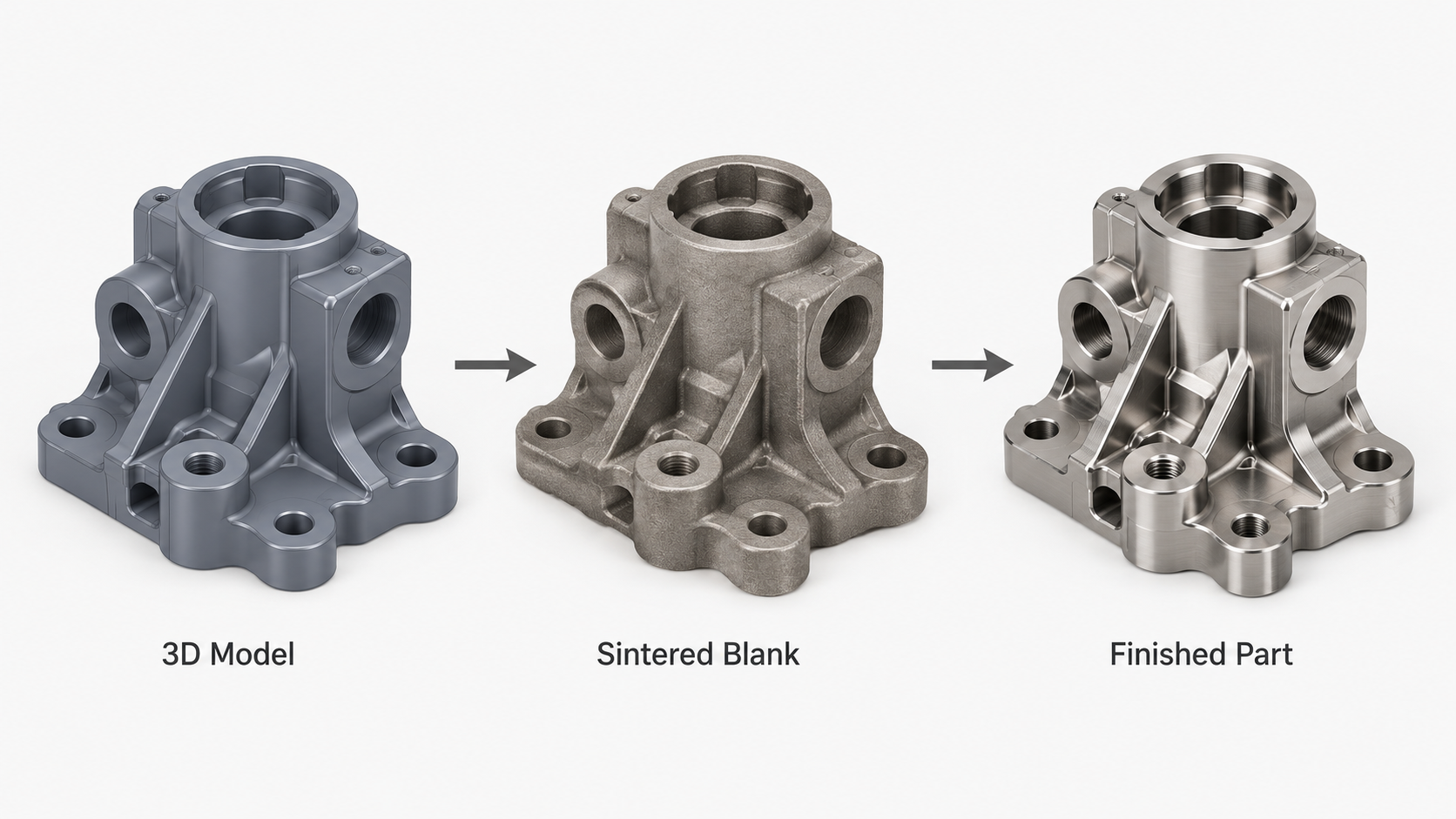
Процесс производства прецизионных керамических компонентов отличается от механической обработки металлов на станках с ЧПУ. Керамические материалы обычно должны пройти подготовку порошка, формование и спекание, прежде чем они будут точно обработаны до конечных размеров.
Типичный производственный процесс включает:

Поскольку керамические материалы сжимаются во время спекания, ранняя проверка конструкции и оценка процесса очень важны. Для отверстий, пазов, плоских поверхностей, уплотнительных поверхностей, сопрягаемых поверхностей и наружных диаметров с жёсткими требованиями к допускам обычно требуется алмазная шлифовка, полировка или другие процессы точной доработки после спекания.
В реальных индивидуальных проектах некоторые прецизионные керамические компоненты могут достигать контроля размеров на уровне ±0,01 мм. Для уплотнительных поверхностей, скользящих поверхностей или позиционирующих поверхностей также может потребоваться контроль шероховатости поверхности, например, Ra 0,8, Ra 0,4 или даже более высокие требования. Фактическая осуществимость зависит от материала, размера, структуры и положения обработки детали.
Что следует учитывать при проектировании прецизионных керамических компонентов?
Хотя усовершенствованная керамика обладает превосходными характеристиками, логика её проектирования не совсем такая же, как у металлических материалов. Керамика твёрдая и износостойкая, но она, как правило, более хрупкая, чем металлы. Поэтому при проектировании прецизионных керамических компонентов следует избегать определённых структур, которые могут вызвать растрескивание или затруднения при обработке.
Например, очень тонкие стенки, острые внутренние углы, резкие изменения сечения, очень маленькие отверстия, глубокие и узкие пазы, а также длинные неукреплённые конструкции могут увеличить риск при производстве или фактическом использовании.
На ранней стадии проекта полезно подтвердить следующую информацию:
-
Фактическая рабочая среда компонента
-
Будет ли деталь подвергаться воздействию высоких температур, агрессивных сред или условий высокой чистоты
-
Будет ли деталь выдерживать удары, трение, давление или вращательную нагрузку
-
Требуется ли электрическая изоляция или теплопроводность
-
Какие размеры являются критическими, а какие нет
-
Влияет ли шероховатость поверхности на герметичность, скольжение или сборку
-
Количество прототипов и объём будущего производства
Если керамическая деталь предназначена для замены существующей металлической или пластиковой детали, не всегда рекомендуется копировать исходную конструкцию напрямую. Лучший подход заключается в пересмотре структуры на основе свойств керамических материалов, сохранении ключевых функций и снижении как производственных, так и эксплуатационных рисков.
Отрасли применения прецизионных керамических компонентов
Высокоточные керамические компоненты широко используются в отраслях, требующих как высокой производительности материалов, так и точности обработки.
В медицинских и стоматологических приложениях керамические компоненты могут использоваться для износостойких, изолирующих, биосовместимых или прецизионных структурных функций. В электронике и полупроводниковом оборудовании керамические детали часто используются для изоляции, рассеивания тепла, в вакуумных средах, для обеспечения коррозионной стойкости и в условиях высокой чистоты.
В промышленном оборудовании керамические компоненты обычно используются в качестве направляющих, втулок, сопел, деталей насосов и клапанов, уплотнений, роликов, изнашиваемых пластин и компонентов управления жидкостью. В автомобильной и аэрокосмической промышленности керамические материалы также могут обеспечивать высокую термостойкость, износостойкость, электрическую изоляцию и требования к лёгким конструкциям.
Различные области применения требуют разных материалов и методов производства. По этой причине прецизионные керамические компоненты обычно представляют собой не просто детали, изготовленные по чертежу. Они требуют комплексной оценки свойств материала, структурного дизайна, производственных возможностей и реальных условий эксплуатации.

Контроль качества прецизионных керамических компонентов
Для прецизионных керамических компонентов контроль качества касается не только внешнего вида. Что более важно, он касается того, остаются ли стабильными размеры, характеристики материала и функциональные поверхности.
Общие пункты проверки включают:
-
Контроль размеров
-
Контроль плоскостности, округлости и соосности
-
Контроль шероховатости поверхности
-
Визуальный контроль на наличие трещин, сколов или повреждений кромок
-
Испытания на плотность, твёрдость или свойства материала
-
Проверка критических сопрягаемых и уплотнительных поверхностей
Для высокоточных керамических деталей контрольное оборудование может включать КИМ, микрометры, высотомеры, оптические измерительные машины, тестеры шероховатости и другие точные измерительные инструменты. Для уплотнительных поверхностей, скользящих поверхностей, электронных керамических деталей и компонентов, связанных с медициной, качество поверхности и чистота также очень важны.
Подходящий поставщик керамических компонентов должен не только уметь производить детали по чертежам, но и понимать применение, стоящее за чертежами. Это помогает избежать таких проблем, как необоснованные требования к допускам, неподходящий выбор материала или чрезмерно идеализированные структурные конструкции.

Какая информация необходима для изготовления прецизионных керамических компонентов на заказ?
Для изготовления прецизионных керамических компонентов на заказ рекомендуется как можно раньше предоставить полную информацию о проекте. Это поможет поставщику более точно оценить реализуемость, стоимость, производственный процесс и сроки.
Обычно полезна следующая информация:
-
2D-чертёж
-
3D-файл
-
Требования к материалам
-
Требования к допускам
-
Требования к шероховатости поверхности
-
Количество
-
Среда применения
-
Существующий образец или текущая деталь, если таковые имеются
-
План будущего производства, если таковой имеется
Если точный материал ещё не подтверждён, можно сначала объяснить среду применения. Например, детали может потребоваться износостойкость, электроизоляция, теплопроводность, химическая стойкость или высокотемпературные характеристики. На основе этой информации поставщик может рекомендовать подходящий керамический материал.
Часто задаваемые вопросы
Могут ли прецизионные керамические компоненты достигать жёстких допусков?
Да. Керамические детали могут достигать высокой точности благодаря шлифованию, полировке, сверлению и другим прецизионным процессам обработки после спекания. Некоторые конструкции могут достигать контроля размеров на уровне ±0,01 мм, но фактический допуск зависит от материала, размера, геометрии и места обработки.
Всегда ли керамические компоненты лучше металлических?
Нет. Керамические компоненты подходят для применений, требующих износостойкости, электрической изоляции, коррозионной стойкости, стабильности при высоких температурах, чистоты или теплопроводности. Для конструкций, требующих высокой ударопрочности, высокой вязкости или сложной деформации, металлические материалы могут быть более подходящими.
Как выбрать между оксидом алюминия и диоксидом циркония?
Если основные требования – это электроизоляция, износостойкость и контроль затрат, то чаще всего используется оксид алюминия. Если же деталь требует лучшей прочности, твёрдости и качества поверхности, то диоксид циркония может быть лучшим вариантом.
Сколько времени занимает изготовление керамических компонентов на заказ?
Срок изготовления зависит от материала, структуры, количества и сложности обработки. Простые детали-прототипы могут быть изготовлены относительно быстро, в то время как сложные высокоточные керамические компоненты требуют больше времени на формование, спекание, точную обработку и контроль.
Можно ли производить мелкосерийные керамические прототипы?
Да. Многие прецизионные керамические компоненты могут быть изготовлены в виде прототипов или небольшими партиями до начала массового производства. Для новых проектов проверка прототипов обычно является более безопасным и практичным подходом.
Вывод
Прецизионные керамические компоненты подходят для высокопроизводительных промышленных применений, где обычные материалы не могут обеспечить требуемые рабочие условия. Они могут обеспечить важные преимущества в износостойкости, термостойкости, коррозионной стойкости, электрической изоляции, теплопроводности и в средах с высокой степенью чистоты.
Однако успех прецизионного керамического компонента зависит не только от самого материала. Важны структурный дизайн, производственный процесс, установка допусков, чистовая обработка поверхности и контроль качества. Для индивидуальных проектов ранняя оценка материала и процесса на основе реального применения может снизить риски разработки и улучшить стабильность и срок службы конечного компонента.

Делиться:
Спеченные металлические детали: свойства, процессы производства и применение
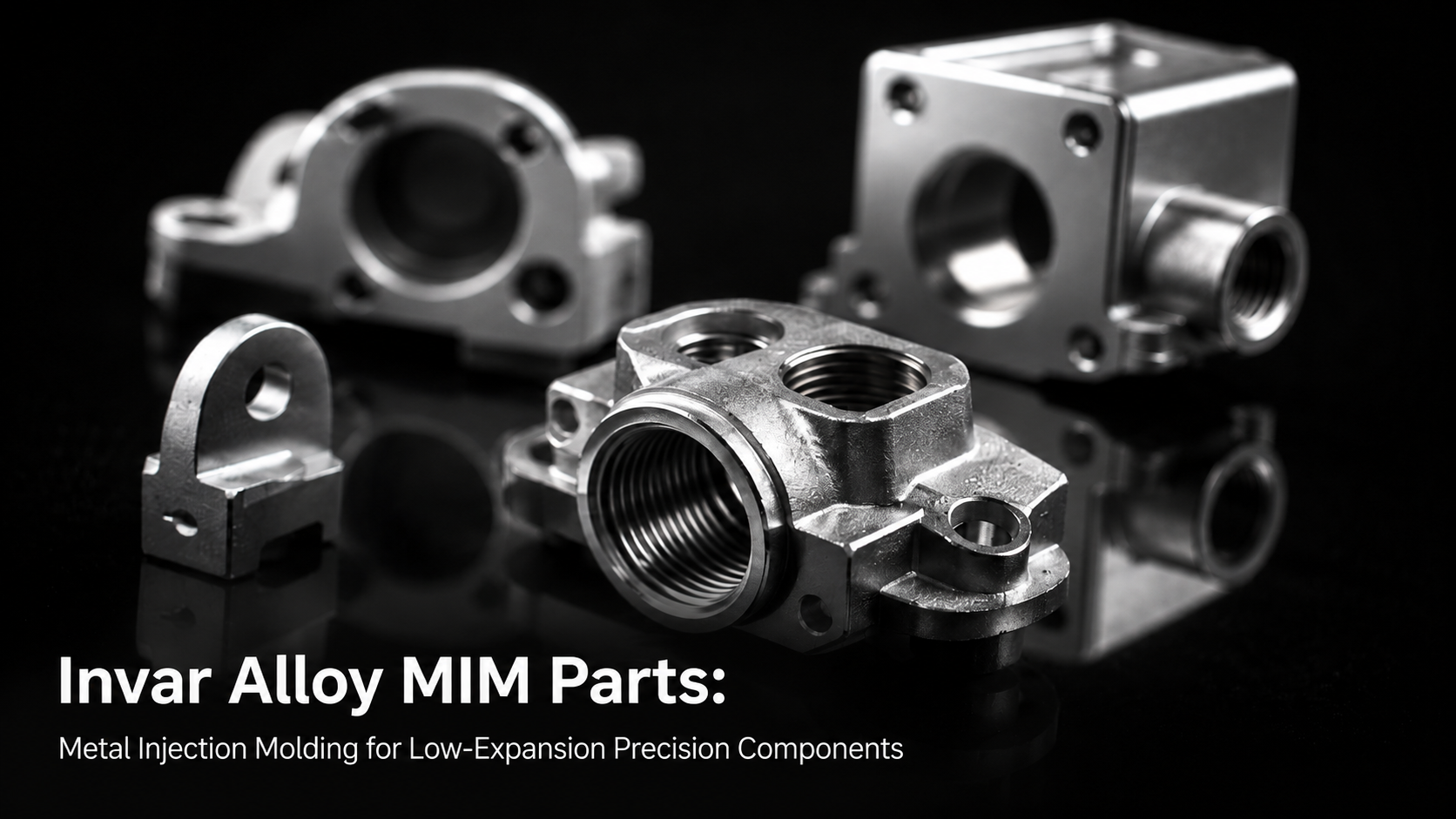
Детали из инвара, изготовленные методом литья под давлением (MIM): литье под давлением металлов для высокоточных компонентов с низким коэффициентом расширения