Ваши керамические детали трескаются, деформируются или теряют точность размеров после многократного нагрева и охлаждения? В печах, выхлопных системах, нагревательном оборудовании и прецизионном оборудовании тепловое расширение может создавать внутреннее напряжение, влиять на выравнивание и сокращать срок службы компонентов.
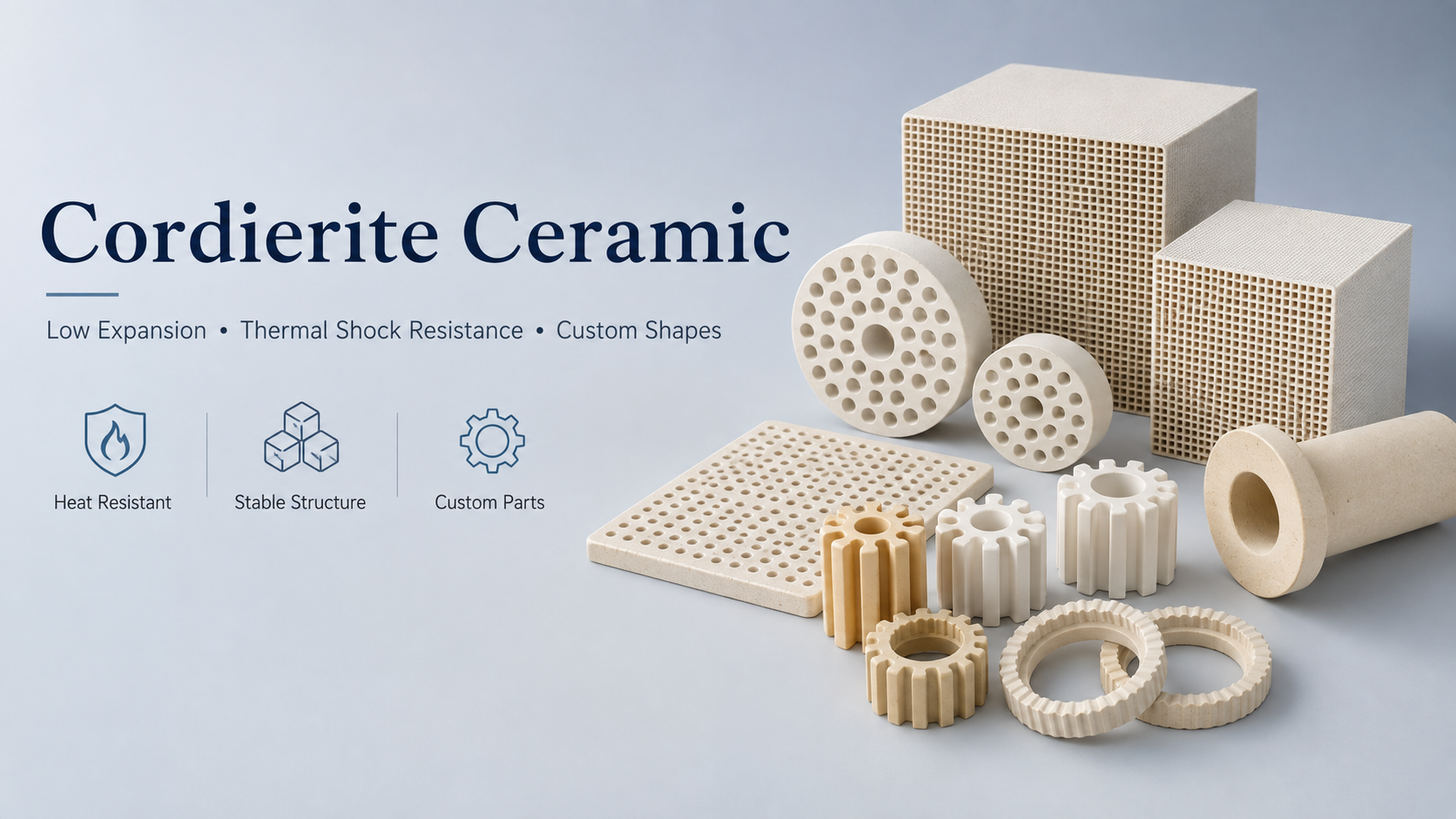
Кордиеритовая керамика является распространенным выбором для этих применений из-за ее низкого теплового расширения, высокой термостойкости, низкой плотности, электрической изоляции и стабильной работы при высоких температурах.
В этой статье вы узнаете о ее ключевых свойствах, преимуществах, ограничениях, распространенных применениях и основных конструктивных соображениях для изготовления индивидуальных кордиеритовых компонентов.
Что такое кордиеритовая керамика?
Кордиерит — это минерал силиката магния и алюминия, названный в 1813 году в честь французского геолога и минералога Луи Кордье. Позже он стал важной керамикой с низким коэффициентом расширения для промышленного применения. Его стандартная химическая формула — Mg₂Al₄Si₅O₁₈, которую также можно записать в оксидной форме как 2MgO·2Al₂O₃·5SiO₂. Его теоретический состав составляет приблизительно 13,7% MgO, 34,9% Al₂O₃ и 51,4% SiO₂.
Хотя кордиерит встречается в природе в некоторых породах, природный материал обычно не подходит для стабильного промышленного производства. Поэтому большинство кордиеритовых керамических изделий изготавливаются из выбранного сырья, такого как тальк, каолин, глина, оксид алюминия и диоксид кремния. Эти материалы смешиваются, формуются и обжигаются в контролируемых условиях для образования требуемой кордиеритовой кристаллической фазы. Соотношение сырья, размер частиц и температура обжига должны тщательно контролироваться, поскольку они могут влиять на тепловое расширение, прочность, плотность и кристаллическую структуру готовой керамики.
Кордиерит является одной из наиболее широко используемых керамик с низким коэффициентом расширения для высокотемпературных применений. Его коэффициент теплового расширения обычно ниже 2 × 10⁻⁶/°C от комнатной температуры до 800°C. Это ограниченное изменение размеров помогает уменьшить внутреннее напряжение при многократном нагреве и охлаждении, придавая кордиериту хорошую термостойкость и делая его пригодным для компонентов печей, носителей катализаторов, фильтров, изоляционных деталей и термостойких опор.

Ключевые свойства кордиеритовой керамики
В таблице ниже приведены общие справочные значения для кордиеритовой керамики.
| Свойство |
Типичное значение |
| Химическая формула |
Mg₂Al₄Si₅O₁₈ |
| Теоретическая плотность |
Прибл. 2,6 г/см³ |
| Насыпная плотность |
≥ 2,0 г/см³ |
| Температура плавления |
Прибл. 1460°C |
| Максимальная рабочая температура |
Прибл. 1000–1350°C, в зависимости от марки |
| Коэффициент теплового расширения |
1,5–2,0 × 10⁻⁶/°C |
| Диапазон испытаний на тепловое расширение |
25–800°C |
| Термостойкость |
260–350°C |
| Термостойкость, ΔT |
До 360°C |
| Прочность на сжатие |
280–500 МПа |
| Прочность на изгиб |
50–60 МПа |
| Твердость по Виккерсу |
800–1600 HV |
| Модуль упругости |
Прибл. 50 ГПа |
| Относительная диэлектрическая проницаемость, εr |
Прибл. 6 |
| Объемное сопротивление |
≥ 10¹³ Ом·см |
| Диэлектрическая прочность |
Прибл. 10 кВ/мм |
| Водопоглощение |
≤ 1% |
| Основные кристаллические фазы |
α-, β- и μ-кордиерит |
| Общая кристаллическая фаза |
α-кордиерит, высокотемпературная стабильная фаза с гексагональной кристаллической структурой |
Эти значения следует использовать в качестве общих ссылок, а не гарантированных спецификаций. Фактические результаты могут меняться в зависимости от марки материала, чистоты, пористости, кристаллической фазы, условий спекания и метода испытаний.
Например, плотный прецизионный кордиерит и пористый сотовый кордиерит не должны иметь одинаковых значений прочности, плотности или водопоглощения. Поставщик должен подтвердить требуемый сорт материала перед производством.
Основные преимущества кордиеритовой керамики
Большинство преимуществ кордиерита обусловлены его кристаллической структурой. Он не расширяется одинаково во всех направлениях, поэтому некоторые изменения размеров компенсируют друг друга. Это обеспечивает очень низкое общее тепловое расширение. На практике детали из кордиерита меньше изменяются в размерах и накапливают меньше внутренних напряжений при повышении и понижении температуры. Вот почему материал обладает хорошей стабильностью размеров и термостойкостью. Он также легкий, электрически изолирующий и стабильный во многих высокотемпературных средах.
Низкое тепловое расширение и стабильность размеров
Низкое тепловое расширение является основной причиной, по которой инженеры выбирают кордиерит.
Деталь из кордиерита может оставаться более стабильной при изменении температуры, чем многие распространенные керамические и металлические изделия. Это полезно для приспособлений, опор, компонентов печей и других деталей, где тепловое движение может повлиять на выравнивание или срок службы.
Это также может уменьшить напряжение, когда кордиерит собирается вблизи материалов с аналогично низким коэффициентом теплового расширения.
Хорошая термостойкость
Материал может иметь высокую максимальную температуру, но все же трескаться, когда температура изменяется слишком быстро.
Кордиерит хорошо работает при тепловых циклах, потому что он генерирует относительно низкое тепловое напряжение. Это делает его подходящим для деталей, которые многократно перемещаются между горячими и более холодными средами.
Общие примеры включают:
-
Полки и опоры для обжига
-
Компоненты горелки
-
Части для печей и нагревательных элементов
-
Носители катализаторов
-
Изоляционные части датчиков
-
Приспособления для спекания
Кордиерит широко используется в печной мебели, электрооборудовании, носителях катализаторов и фильтрах для расплавленного металла благодаря балансу термической стабильности и низкого расширения.
Хорошая электрическая изоляция
Кордиерит имеет относительно низкую диэлектрическую проницаемость и высокое электрическое сопротивление.
Его можно использовать для разделения электропроводящих частей, а также для работы в условиях повышенной температуры. Типичные компоненты включают опоры нагревательных элементов, изоляторы датчиков, детали предохранителей, втулки, прокладки и электрические корпуса.
Его электрические свойства полезны, но кордиерит не является автоматически лучшей изоляционной керамикой для каждого применения. Оксид алюминия может обеспечивать лучшую общую механическую производительность, в то время как нитрид алюминия больше подходит, когда требуется как электрическая изоляция, так и высокая теплопроводность.
Низкая плотность и тепловая масса
Теоретическая плотность кордиерита составляет около 2,6 г/см³, в то время как насыпная плотность промышленных продуктов может быть ниже в зависимости от пористости.
Более низкая плотность может уменьшить:
-
Вес компонента
-
Тепловую массу
-
Время нагрева и охлаждения
-
Нагрузку на движущиеся конструкции
-
Потребление энергии в некоторых печных системах
Это одна из причин, почему кордиерит часто используется для легкой печной мебели и сотовых конструкций.
Хорошая химическая и термическая стабильность
Кордиерит обладает полезной устойчивостью ко многим промышленным средам и не ржавеет, как металл.
Он может поддерживать стабильную работу во многих печах, нагревательных системах и выхлопных системах. Однако его химическую стойкость следует проверять на соответствие фактическому газу, расплавленному материалу, кислоте, щелочи или чистящему средству, используемому в данном применении.
Каковы ограничения кордиеритовой керамики?
Кордиерит имеет явные преимущества, но это не универсальный керамический материал. Понимание его ограничений важно, прежде чем выбирать его для индивидуального компонента.
Умеренная прочность и хрупкость
Кордиерит обычно слабее, чем оксид алюминия, диоксид циркония, нитрид кремния и карбид кремния. Как и большинство керамических материалов, он может трескаться или скалываться под сильным ударом, большими нагрузками, острыми точками напряжения или чрезмерным давлением винта.
Низкая теплопроводность
Его низкая теплопроводность полезна для изоляции, но не для деталей, которым необходимо быстро отводить тепло. Нитрид алюминия или карбид кремния могут быть лучше для применений с теплопередачей.
Важны марка и процесс
Плотный, пористый, пенопластовый и сотовый кордиерит могут иметь очень разные прочностные, плотностные и термические свойства. Исходные материалы, пористость и условия обжига также влияют на конечные характеристики, поэтому марка материала должна быть выбрана для конкретного применения.
Распространенные виды кордиеритовой керамики
Кордиеритовая керамика может быть изготовлена с различной плотностью и структурой. Лучший тип зависит от того, как будет использоваться деталь.
Плотный кордиерит
Плотный кордиерит используется, когда детали требуется улучшенная прочность, контроль размеров, качество поверхности или электрическая изоляция.
Типичные детали включают:
Критические размеры могут быть отшлифованы или обработаны после спекания, когда требуются более жесткие допуски.
Пористый кордиерит
Пористый кордиерит содержит контролируемые открытые или закрытые поры.
Он часто используется для керамических фильтров, носителей катализаторов, деталей для распределения газа и легких тепловых конструкций. Размер пор, пористость, толщина стенок и сопротивление потоку должны быть спроектированы с учетом рабочих условий.
Сотовый кордиерит
Сотовый кордиерит имеет множество небольших каналов, проходящих через тело.
Структура придает ему:
Он широко используется в качестве носителя катализатора в автомобильных и промышленных выхлопных системах.
Кордиерит-муллитовая керамика
Кордиерит иногда комбинируется с муллитом для улучшения баланса между термостойкостью и механической прочностью при высоких температурах.
Кордиерит-муллитовые материалы обычно используются для изготовления полок печей, опорных балок, подин, огнеупорных приспособлений и других частей печей.
Высокочистый низкорасширяющийся кордиерит
Высокочистый и специально разработанный кордиерит может использоваться в областях, где требуется более строгий контроль теплового движения.
Возможные применения включают прецизионные опоры, оптические конструкции, измерительные приспособления и отдельные компоненты полупроводникового оборудования.
Эти марки требуют более строгого контроля чистоты сырья, кристаллической фазы, плотности, теплового расширения, механической обработки и контроля.
Их не следует рассматривать как тот же материал, что и стандартный пористый кордиерит или обычную печную мебель.
Применение кордиеритовой керамики
Полупроводниковое и прецизионное оборудование
Полупроводниковое оборудование часто содержит детали, которые должны сохранять свое положение при изменении температуры окружающей среды.
Керамические материалы с низким коэффициентом расширения могут помочь уменьшить тепловое движение в прецизионных опорах, юстировочных конструкциях, приспособлениях и отдельных компонентах для обработки пластин.
Однако обычный кордиерит не всегда подходит для каждой полупроводниковой детали.
Марка материала должна быть выбрана в соответствии с:
Высокочистый или специально разработанный кордиерит с низким коэффициентом расширения больше подходит для прецизионного оборудования, чем обычный материал печного класса.
Носители автомобильных катализаторов
Температура выхлопных газов может сильно меняться во время работы автомобиля.
Носитель катализатора должен выдерживать многократные циклы нагрева и охлаждения без растрескивания. Он также должен иметь низкую тепловую массу и достаточную площадь поверхности для каталитического покрытия.
Сотовый кордиерит хорошо удовлетворяет этим потребностям. Его низкое расширение снижает тепловое напряжение, а канальная структура обеспечивает большую рабочую поверхность без чрезмерного увеличения веса.
Это одно из наиболее распространенных крупносерийных применений кордиерита.
Печная мебель и огнеупорные детали
Печная мебель поддерживает керамические, металлические или электронные изделия во время обжига.
Эти детали проходят многократные циклы нагрева и охлаждения. Им требуется хорошая термостойкость и достаточная прочность, чтобы удерживать изделия на месте.
Кордиерит и кордиерит-муллитовые материалы могут использоваться для:
-
Полок для печей
-
Подин
-
Опорных колонн
-
Саггаров
-
Подносов
-
Балок
-
Обжиговых приспособлений
Низкое тепловое расширение помогает уменьшить растрескивание и может увеличить срок службы печной мебели.
Фильтры для расплавленного металла
Пористый или пенокордиерит может использоваться для удаления включений из расплавленного металла.
Керамическая структура позволяет жидкому металлу проходить через нее, задерживая при этом некоторые нежелательные частицы. Хорошая термостойкость помогает фильтру выдерживать контакт с горячим металлом.
Точный материал все еще должен быть проверен на соответствие температуре литья и типу металла. Кордиерит подходит не для каждой системы расплавленного металла.
Электрическая и сенсорная изоляция
Кордиерит сочетает электрическую изоляцию с полезными высокотемпературными характеристиками.
Он может использоваться для:
-
Изоляторов датчиков температуры
-
Опор нагревателей
-
Компонентов предохранителей
-
Керамических втулок
-
Электрических проставок
-
Деталей для розжига горелок
-
Компонентов зондов
Его относительно низкая плотность также может уменьшить вес сборки.
Бытовые отопительные приборы
Кордиерит также встречается в камнях для пиццы, противнях, деталях газовых обогревателей, горелках и других изделиях, подверженных многократному нагреву.
Его низкое расширение помогает уменьшить растрескивание при нагреве и охлаждении изделия во время обычного использования.
Сравнение кордиерита с другими керамическими материалами
Кордиерит не лучше любой другой керамики. Он лучше подходит для определенных условий эксплуатации.
| Материал |
Основное преимущество |
Основное ограничение |
Типичное использование |
| Кордиерит |
Очень низкое тепловое расширение |
Умеренная механическая прочность |
Термоциклирование, детали печей и изоляции |
| Оксид алюминия |
Хорошая прочность, износостойкость и изоляция |
Более высокое тепловое расширение, чем у кордиерита |
Общие конструкционные и электрические детали |
| Муллит |
Хорошая высокотемпературная стабильность |
Умеренная прочность и термостойкость |
Компоненты печей и огнеупоров |
| Карбид кремния |
Высокая твердость и теплопроводность |
Более высокая стоимость и сложность обработки |
Износ, теплопередача и агрессивные среды |
| Нитрид алюминия |
Высокая теплопроводность с изоляцией |
Более высокая стоимость материала и обработки |
Управление теплом в электронике и полупроводниках |
| Диоксид циркония |
Высокая прочность и вязкость |
Более высокая плотность и тепловое расширение |
Изнашиваемые детали и механически нагруженные компоненты |
Выбирайте кордиерит, когда основными требованиями являются низкое тепловое расширение и термостойкость.
Выбирайте другую керамику, когда деталь требует большей ударной вязкости, большей износостойкости, более сильной механической нагрузки или более быстрого рассеивания тепла.
В XY-GLOBAL мы работаем с кордиеритом, а также с оксидом алюминия, диоксидом циркония, нитридом кремния, карбидом кремния и нитридом алюминия для изготовления керамических компонентов на заказ.
Советы по проектированию индивидуальных деталей из кордиерита
Детали из кордиерита должны проектироваться с учетом особенностей керамического производства, а не копироваться непосредственно с металлического изделия. Старайтесь избегать острых внутренних углов, резких изменений толщины стенок, очень тонких неподдерживаемых участков и отверстий, расположенных слишком близко к краю.
Большие плоские детали также могут деформироваться во время обжига. Может потребоваться надлежащая поддержка, конструкция стенок и припуск на механическую обработку. Перед расчетом стоимости индивидуальной детали полезно предоставить следующую информацию:
| Информация о проекте |
Почему это важно |
| Непрерывная рабочая температура |
Помогает выбрать подходящую марку материала |
| Максимальная кратковременная температура |
Проверяет верхний температурный предел |
| Скорость нагрева и охлаждения |
Помогает оценить термошок |
| Механическая нагрузка |
Подтверждает, достаточно ли прочен кордиерит |
| Требуемая пористость |
Влияет на плотность, прочность и поток |
| Допуски на чертеже |
Определяет требования к последующей механической обработке |
| Качество поверхности |
Определяет необходимость шлифовки или полировки |
| Рабочая атмосфера |
Помогает оценить химическую стабильность |
| Количество заказа |
Влияет на процесс формовки и план оснастки |
Просмотр чертежа перед производством может выявить особенности, которые могут привести к трещинам, деформации или неоправданно высоким затратам.
Изготовление керамических деталей из кордиерита на заказ в XY-GLOBAL
Рабочие характеристики кордиерита зависят от всего производственного процесса. Марка материала, чистота сырья, пористость, условия обжига, геометрия детали, припуск на механическую обработку и требования к контролю — все это влияет на конечный результат.
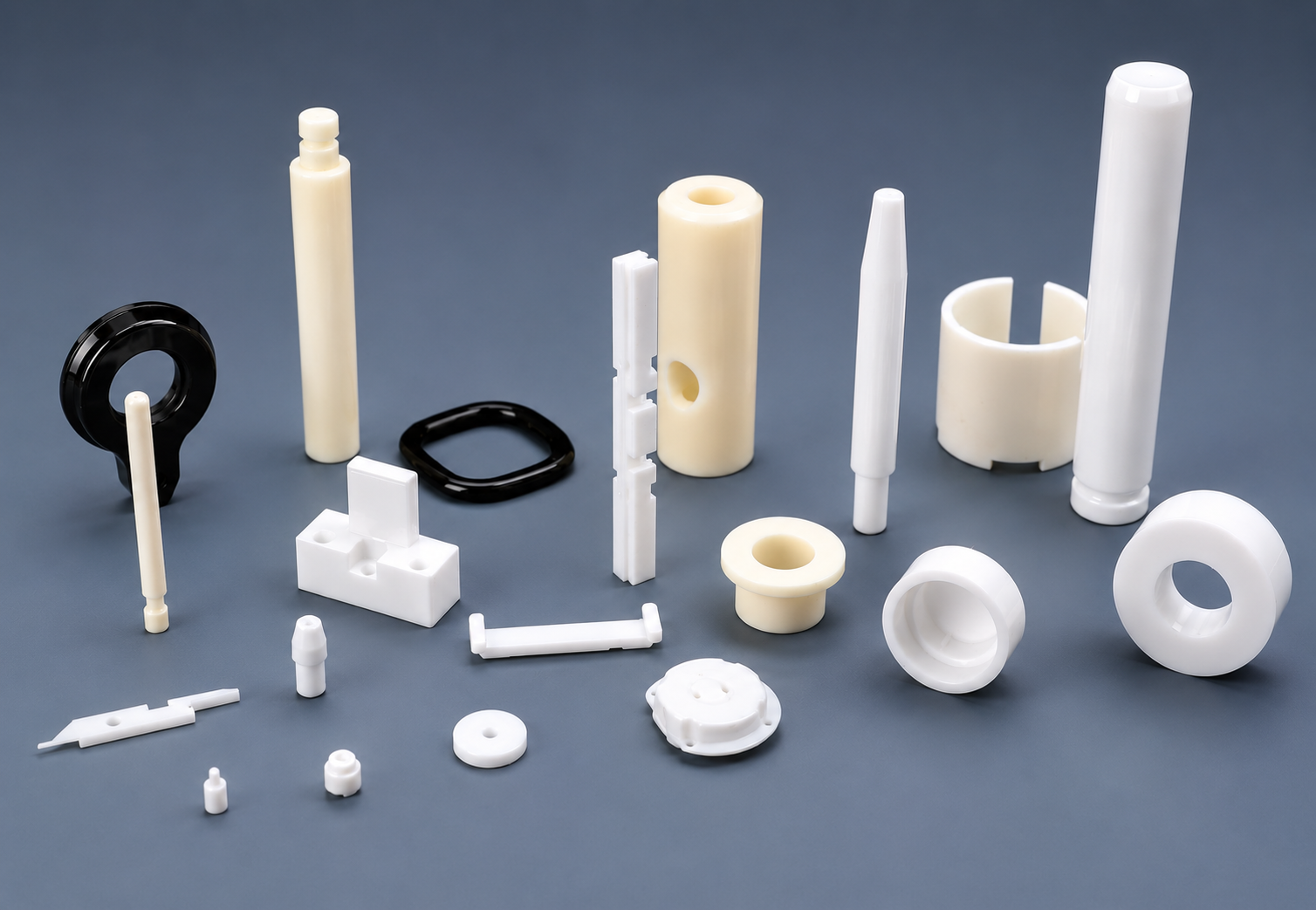
XY-GLOBAL поддерживает индивидуальные керамические компоненты из кордиерита на основе чертежей заказчика, 3D-файлов, образцов и требований к применению. Наши возможности по производству керамики включают:
-
Анализ материалов и процессов
-
Керамическое литье под давлением
-
Прессование и другие подходящие методы формования
-
Спекание
-
ЧПУ обработка
-
Прецизионное шлифование
-
Притирка и полировка
-
Контроль размеров
-
Изготовление прототипов и серийное производство
Если у вас есть индивидуальная деталь из кордиерита, пожалуйста, предоставьте чертеж, количество, рабочую температуру, термический цикл, механическую нагрузку и требования к допускам. Посетите нашу
страницу кордиеритовой керамики для получения дополнительной информации, и наша команда сможет оценить, подходит ли кордиерит, и порекомендовать практичный производственный маршрут.





Делиться:
Уплотнение металлических порошков и производство металлических деталей сложной формы методом литья под давлением
Литье металлов под давлением (MIM) для умных носимых устройств: компактные детали, прочные конструкции