


En XY-GLOBAL, reconocemos que producir un componente de metal sinterizado es solo la mitad de nuestro trabajo. La otra mitad es escuchar. Nuestra filosofía de ingeniería se basa en un circuito de retroalimentación donde la evaluación del cliente impulsa nuestra innovación técnica. No solo suministramos piezas; suministramos una asociación de fabricación que evoluciona en función de sus necesidades y su perspectiva de "nuestro" rendimiento.

1. Comprensión de las piezas de metal sinterizado: la ciencia de la fusión
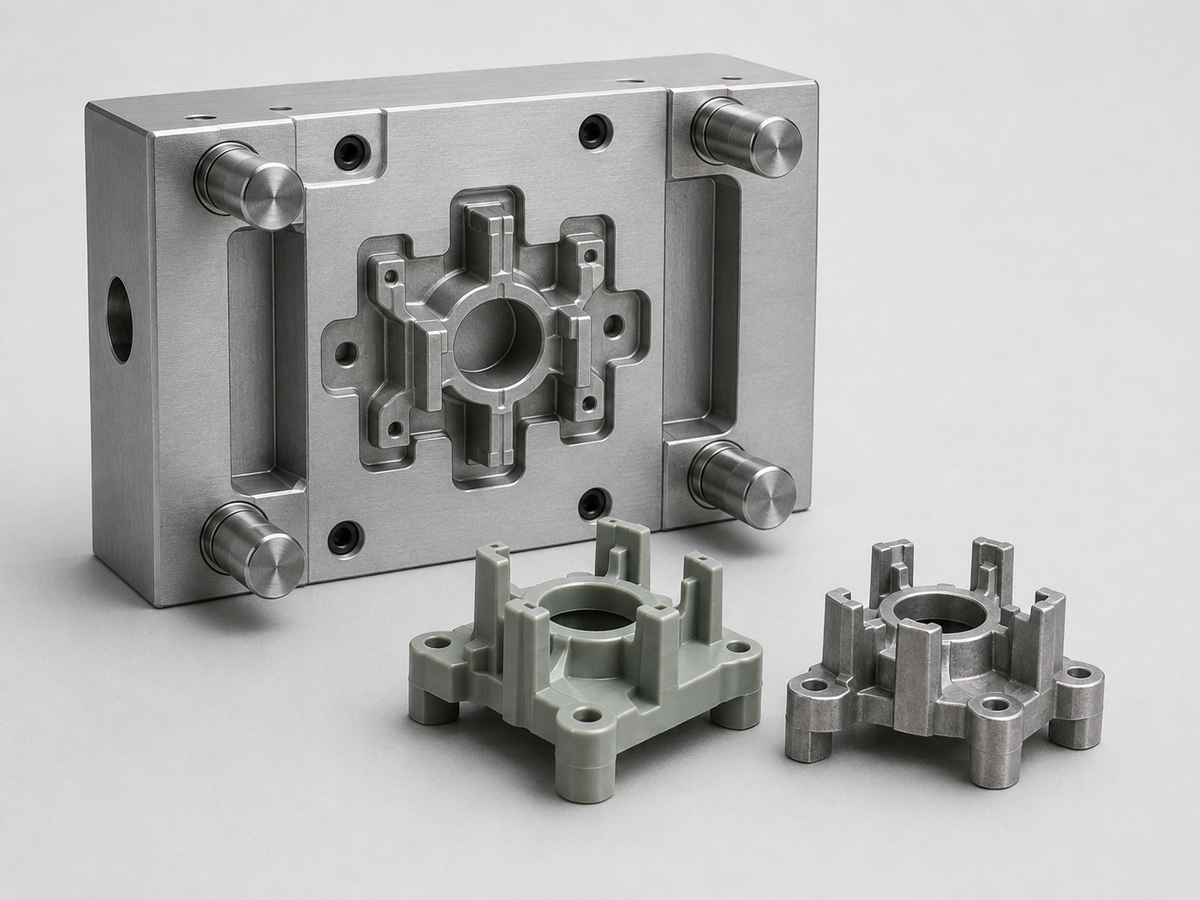
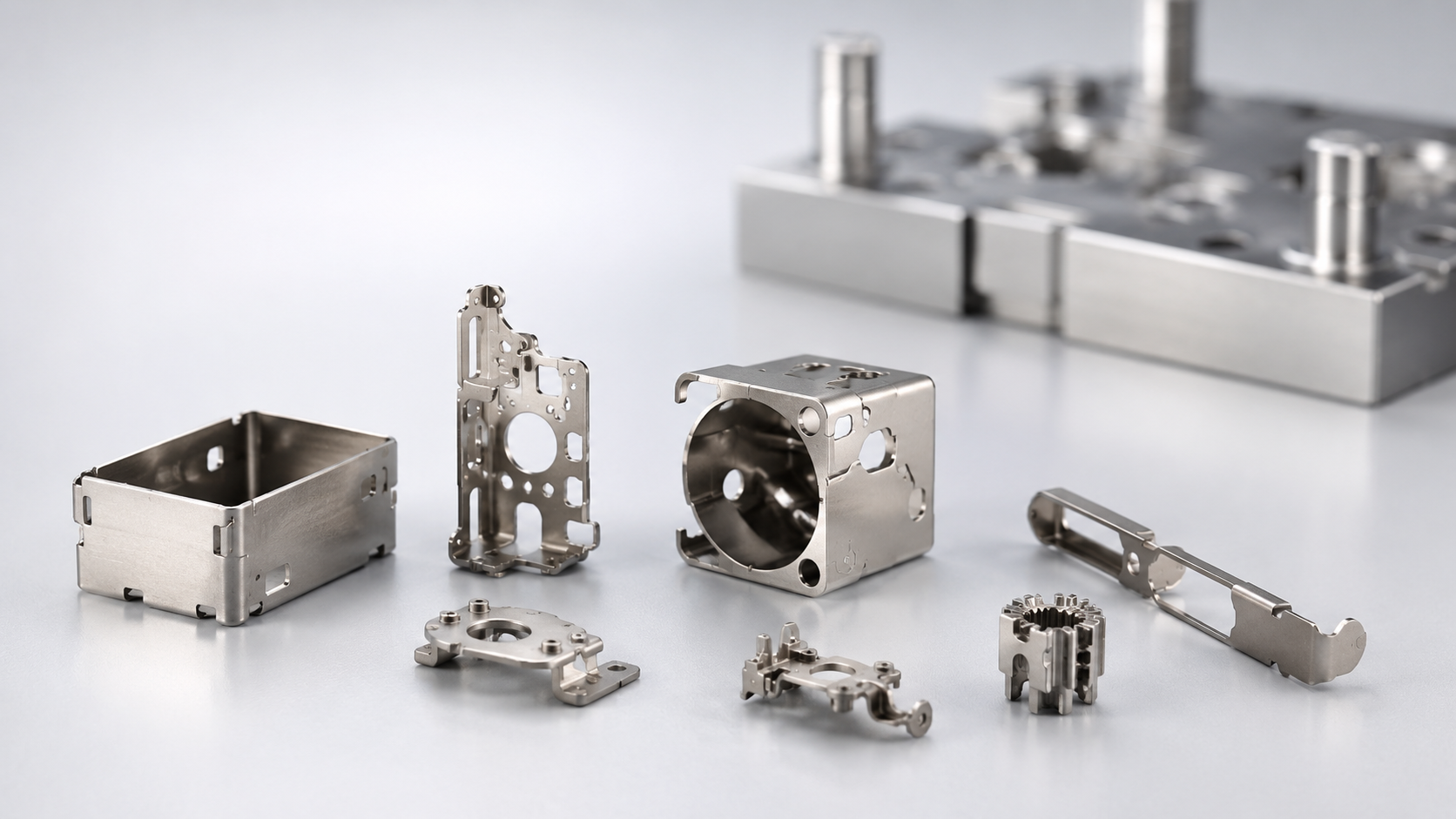
Para comprender por qué las piezas de metal sinterizado son tan vitales, hay que mirar a nivel atómico. A diferencia de la fundición (donde el metal se funde) o el mecanizado CNC (donde el metal se corta), el sinterizado utiliza calor y presión para unir partículas sin fundirlas por completo.
El proceso de PM multietapa
-
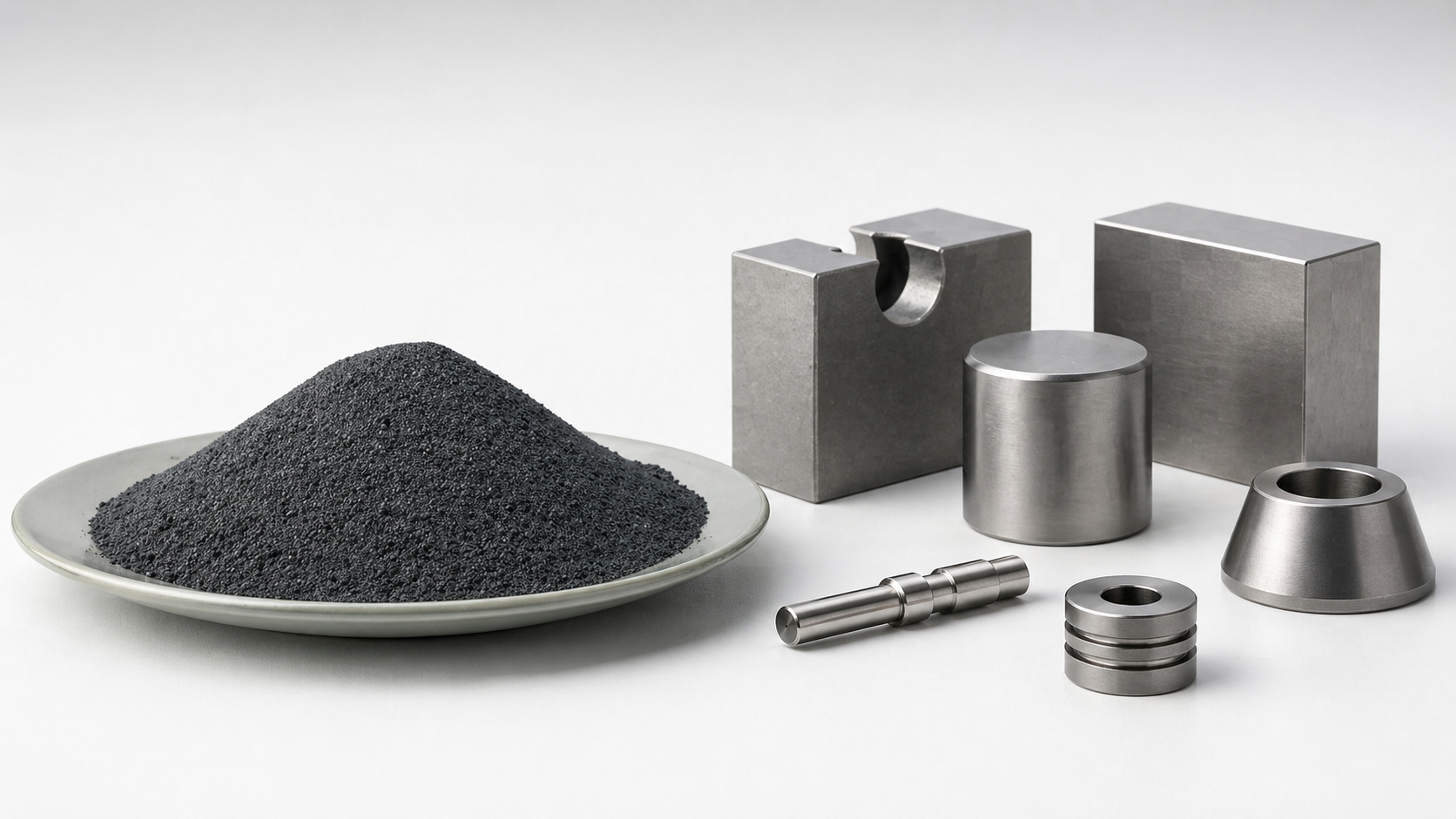
Mezcla de polvos: Mezclamos polvos elementales o prealeados con lubricantes sólidos. Basándonos en los comentarios del cliente sobre la longevidad ambiental, podemos introducir aditivos especializados para mejorar la resistencia a la corrosión.
-
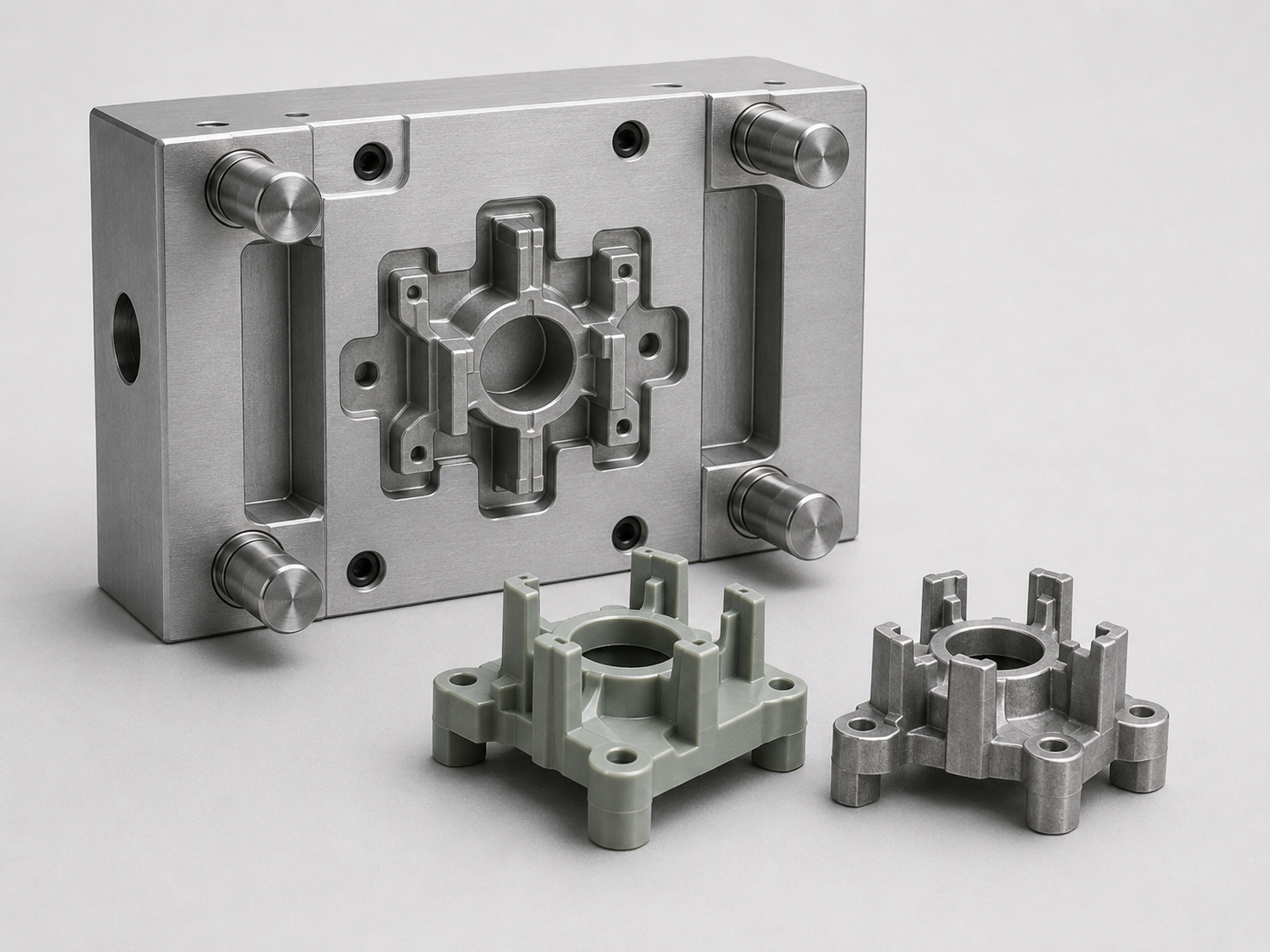
Compactación: Utilizando troqueles de alta precisión, el polvo se prensa en una "pieza verde". Esta etapa define la geometría y la densidad inicial.
-
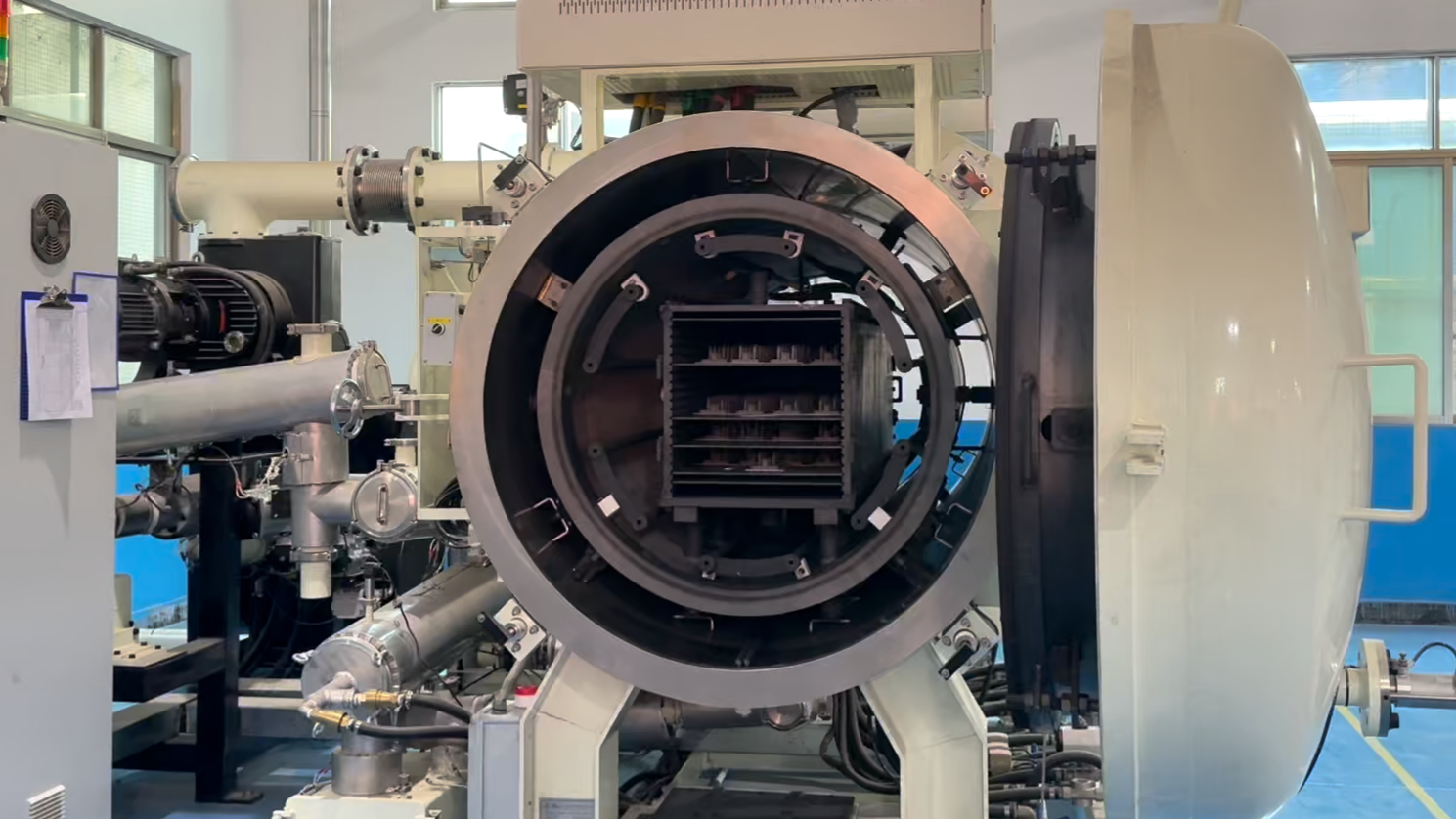
Sinterizado: Las piezas verdes atraviesan un horno de atmósfera controlada. A temperaturas justo por debajo del punto de fusión, se produce la difusión atómica, convirtiendo el frágil compactado de polvo en una pieza de metal sinterizado de alta resistencia.
-
Calibración/Acuñado: Para componentes que requieren tolerancias ultraajustadas, realizamos una operación de prensado secundaria para asegurar que las dimensiones finales sean perfectas.
2. Análisis técnico en profundidad: Lograr la máxima densidad y precisión
Uno de los temas más frecuentes en nuestros informes de evaluación de clientes es el equilibrio entre densidad y costo. En el mundo de las piezas de metal sinterizado, la densidad es el predictor más importante del rendimiento mecánico.
A. La correlación densidad-resistencia
Las propiedades mecánicas (resistencia a la tracción, energía de impacto y vida a la fatiga) de un componente de metal sinterizado son directamente proporcionales a su densidad.
-
Baja densidad (6,2 - 6,8 g/cm³): Ideal para cojinetes autolubricados y filtros.
-
Densidad media (6,8 - 7,2 g/cm³): El "punto óptimo" para la mayoría de las piezas estructurales de automóviles y electrodomésticos.
-
Alta densidad (>7,2 g/cm³): Se logra mediante doble prensado o sinterizado a alta temperatura, rivalizando con la resistencia del acero forjado.
B. Dominio de la precisión dimensional
Una pregunta común de los ingenieros es: "¿Puede el sinterizado mantener las mismas tolerancias que el CNC?". La respuesta es un rotundo "Sí", cuando es gestionado por el socio adecuado.
En XY-GLOBAL, logramos ±0,05 mm en muchas dimensiones lineales directamente desde el horno. Si su proyecto requiere una precisión a nivel de micras, integramos nuestra capacidad interna de mecanizado CNC para refinar las características críticas, asegurando que la pieza sinterizada encaje perfectamente en su conjunto.
3. Por qué los clientes eligen XY-GLOBAL: el poder de la retroalimentación
¿Cuál es la opinión del cliente sobre "nosotros"? A lo largo de años de recopilación de comentarios de los clientes, hemos aprendido que se esperan las especificaciones técnicas, pero se valora la comunicación.
"Una asociación, no solo una orden de compra"
Uno de nuestros clientes de nivel 1 del sector automotriz señaló recientemente en su revisión anual: "Lo que distingue a XY-GLOBAL no son solo sus piezas de metal sinterizado; es su voluntad de adaptar el proceso basándose en nuestros datos de campo".
Cómo utilizamos sus comentarios
-
Resolución proactiva de problemas: Si un cliente informa un desafío con el ajuste del ensamblaje, no solo verificamos nuestros registros de control de calidad. Enviamos a nuestro equipo de ingeniería para revisar el DFM (Diseño para la Fabricación) y sugerir modificaciones en el molde.
-
Datos de calidad transparentes: Cada lote de componentes de metal sinterizado va acompañado de una certificación de material y un perfil de densidad. Creemos que la transparencia es la forma más rápida de construir la "confianza" que nuestros clientes más valoran.
4. Selección y comparación de materiales
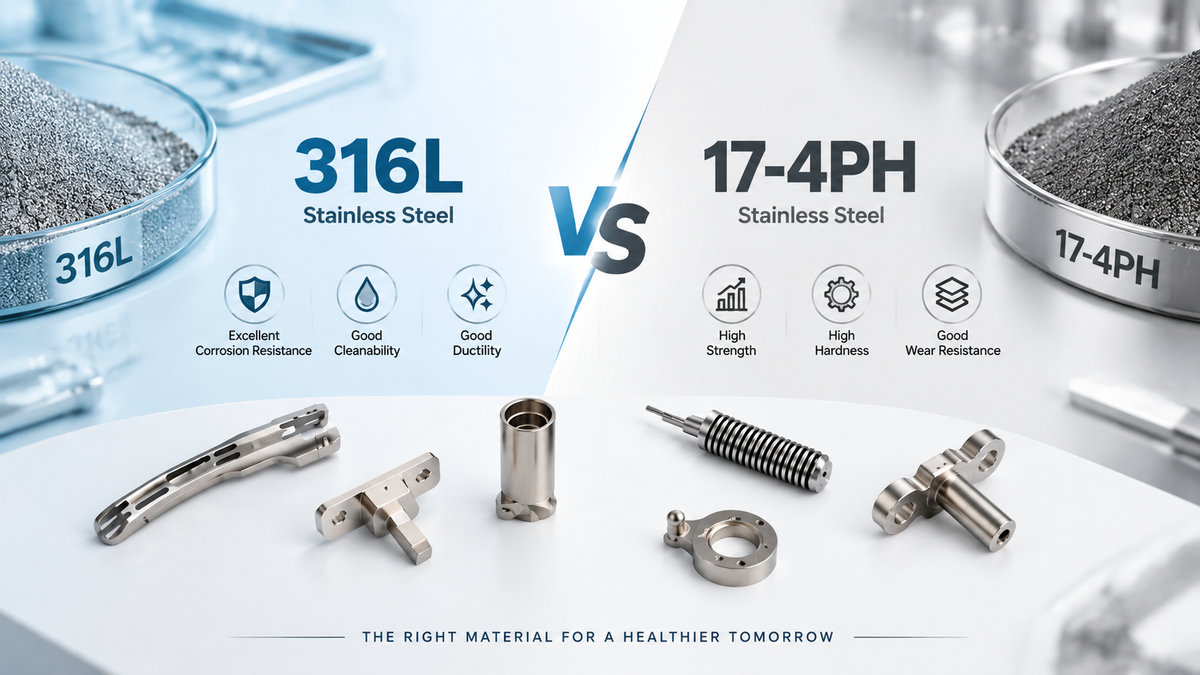
Elegir la aleación correcta para sus piezas de metal sinterizado es fundamental. Utilice la siguiente tabla como guía preliminar para su proceso de selección:
| Grado del material | Densidad (g/cm³) | Resistencia a la tracción (MPa) | Mejor caso de uso |
| Hierro sinterizado (puro) | 6,6 - 7,0 | 150 - 200 | Núcleos magnéticos, espaciadores de baja carga |
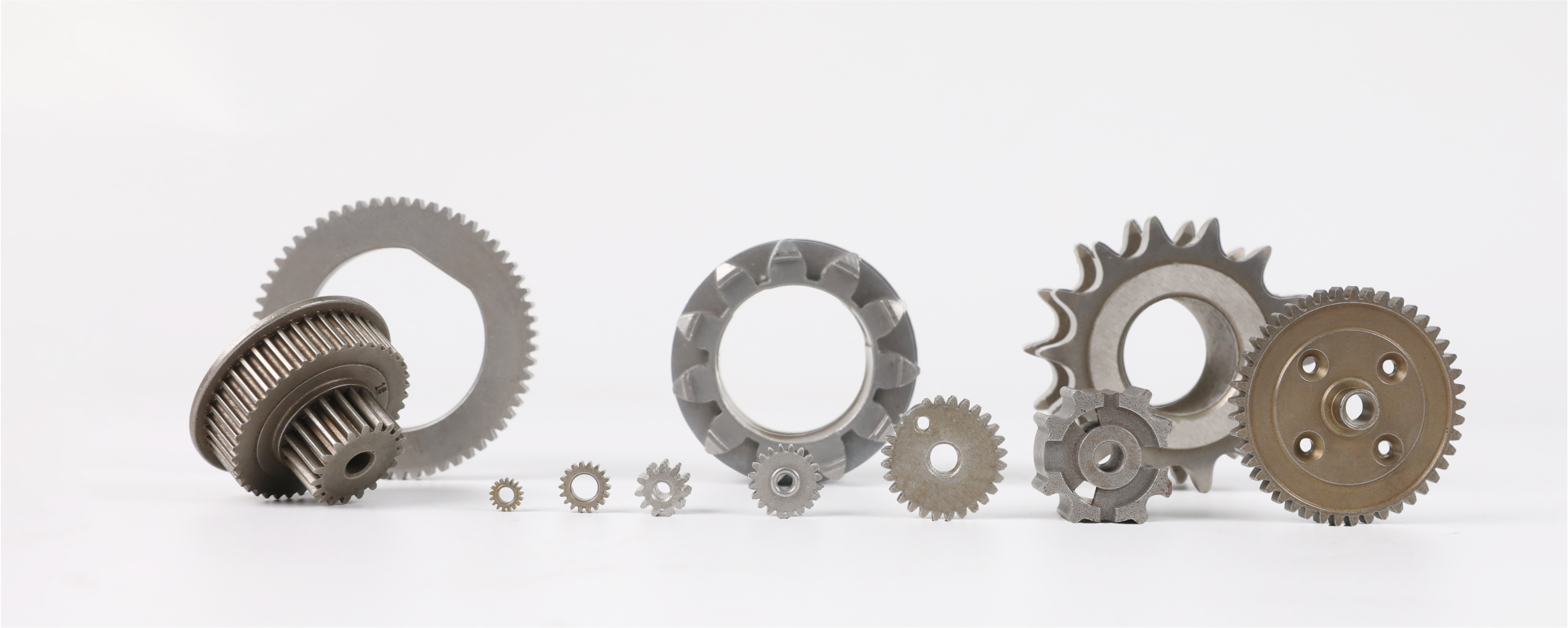
| Acero sinterizado (Fe-Cu-C) | 6,8 - 7,2 | 400 - 550 | Más común: Engranajes, piñones, levas |
| Acero inoxidable (316L) | 6,5 - 6,9 | 450 - 520 | Herramientas médicas, herrajes marinos |
| Bronce sinterizado | 6,4 - 6,8 | 100 - 150 | Casquillos/cojinetes autolubricados |
5. Superar los desafíos de diseño complejos
Diseñar piezas de metal sinterizado requiere una mentalidad única. Las reglas de mecanizado estándar no siempre se aplican.
-
Evitar las esquinas afiladas: Los bordes afilados provocan concentraciones de tensión y un flujo deficiente del polvo. Recomendamos un radio mínimo de 0,25 mm para garantizar la integridad estructural.
-
Grosor de la pared: Para evitar deformaciones durante el ciclo del horno de sinterizado, recomendamos mantener los grosores de pared por encima de 1,5 mm.
-
Ángulos de desmoldeo: A diferencia de la fundición, los troqueles de sinterizado suelen requerir muy poco ángulo de desmoldeo, pero una ligera conicidad puede prolongar significativamente la vida útil de la herramienta y mejorar la consistencia de la pieza.
Estudio de caso: Reducción de ruido en trenes de engranajes
Un cliente del sector de electrodomésticos de alta gama proporcionó comentarios de que sus engranajes metálicos eran demasiado ruidosos. Los ingenieros de XY-GLOBAL propusieron una solución de metal sinterizado con microporosidad controlada para la impregnación de aceite. ¿El resultado? Una reducción del 30% en decibelios y un cliente que nos vio como un innovador estratégico en lugar de un mero proveedor.
6. La ventaja económica: Ahorro de costes con el sinterizado
Para la producción de alto volumen, las piezas de metal sinterizado ofrecen un ROI inigualable.
-
Residuos casi nulos: A diferencia del mecanizado CNC, donde hasta el 60% de la materia prima puede acabar como "virutas" de desecho, el sinterizado utiliza el 98% del polvo metálico.
-
Ensamblajes consolidados: A menudo podemos combinar tres piezas mecanizadas en un único componente sinterizado, lo que reduce su lista de materiales (BOM) y la mano de obra de ensamblaje.
-
Eficiencia energética: El sinterizado es una opción sostenible. La energía utilizada por kilogramo de pieza acabada es significativamente menor que la de la fundición y la fundición tradicionales.
7. Garantía de calidad: Midiendo la excelencia
En XY-GLOBAL, "Calidad" no es un departamento; es una cultura. Nuestros altos puntajes en la evaluación de clientes se deben a que invertimos en metrología avanzada:
-
Máquinas de medición de coordenadas digitales (CMM): Para verificar perfiles 3D complejos.
-
Pruebas de densidad (método de Arquímedes): Para garantizar que cada pieza cumpla los requisitos estructurales.
-
Pruebas de dureza (Rockwell y Vickers): Para confirmar que el tratamiento térmico fue exitoso.
-
Pruebas de niebla salina: Para piezas de acero inoxidable sinterizado destinadas a uso marítimo o médico.
8. Conclusión: Su visión, nuestra precisión
La fabricación de piezas de metal sinterizado es una intrincada danza de calor, presión y química. Pero en el corazón de este proceso técnico hay un objetivo humano simple: la satisfacción del cliente.
Al integrar los comentarios de los clientes en cada etapa de nuestra producción, desde el primer boceto DFM hasta la verificación final de control de calidad, XY-GLOBAL garantiza que "su" perspectiva sea siempre nuestra máxima prioridad. Estamos orgullosos de nuestra Puntuación neta del promotor (NPS) de 85, que creemos que es la evaluación definitiva de nuestro compromiso con la excelencia.
¿Listo para optimizar su cadena de suministro?
No se conforme con un fabricante que solo habla. Asóciese con uno que escuche. Póngase en contacto con XY-GLOBAL hoy mismo para analizar sus requisitos de piezas de metal sinterizado y experimentar un nivel de precisión y colaboración que nuestros clientes elogian.
Compartir:
Moldeo por inyección de fibra de carbono de precisión: Dominando la planitud y la resistencia para piezas de alto rendimiento
Servicios de micromecanizado: La guía definitiva y completa de 2026 sobre precisión, colaboración e innovación