

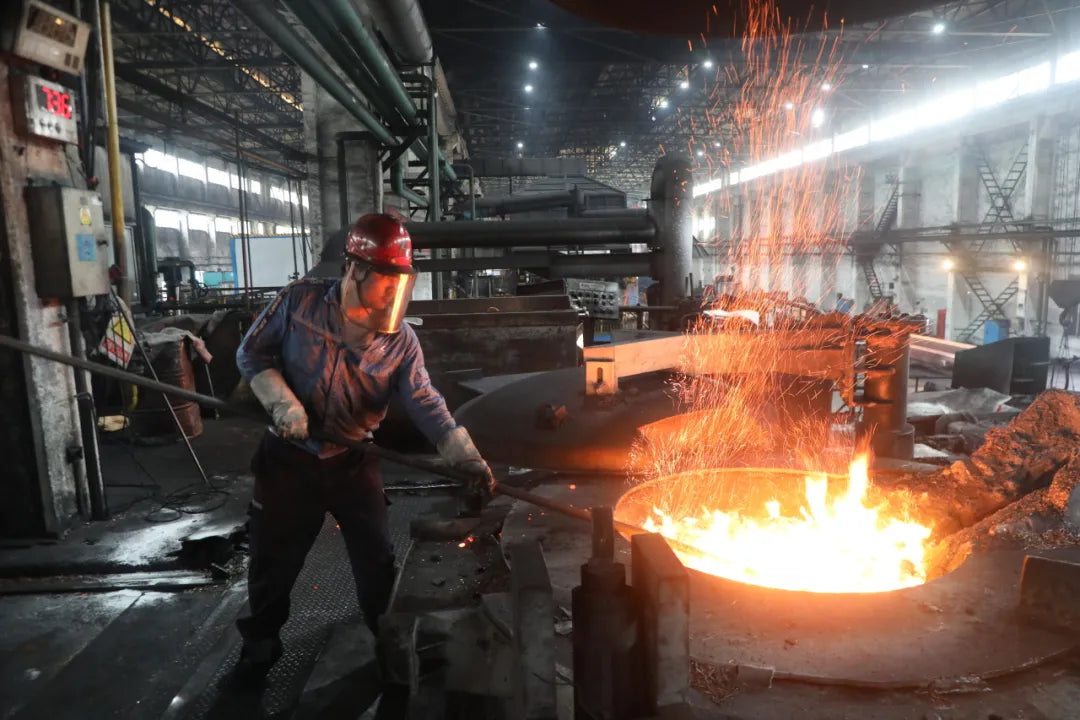
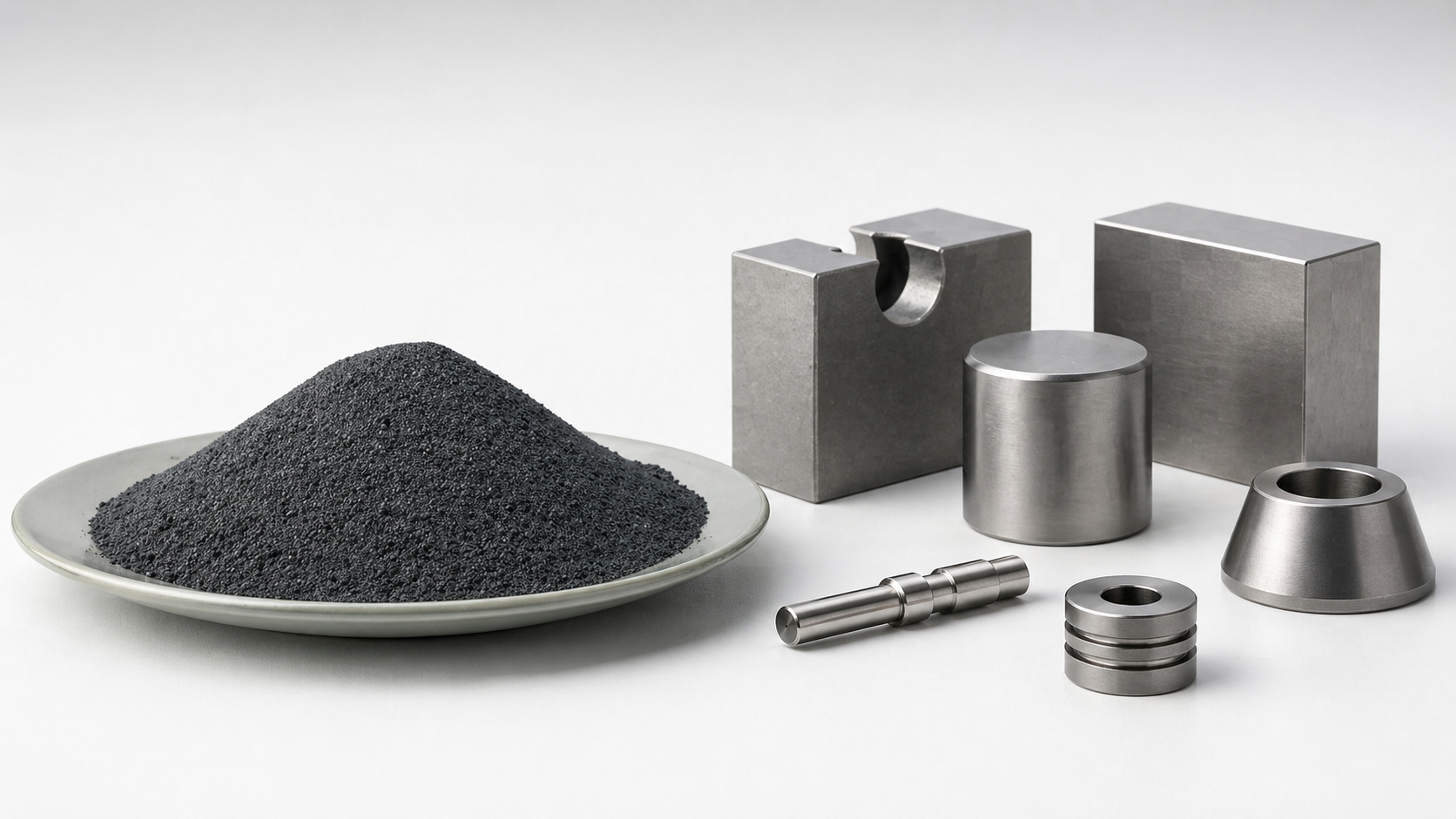
L'atomizzazione nella metallurgia delle polveri è un processo importante che consiste nel convertire il metallo fuso in particelle fini utilizzando un getto ad alta velocità di liquido o gas. Questo metodo è ampiamente utilizzato grazie alla sua capacità di produrre polveri con dimensioni e forme delle particelle controllate, essenziale per una varietà di applicazioni nell'industria manifatturiera. L'atomizzazione garantisce che la polvere metallica risultante abbia proprietà uniformi, rendendola adatta alle fasi successive di lavorazione, come la compattazione e la sinterizzazione.
Metodi di atomizzazione nella metallurgia delle polveri:
Atomizzazione ad acqua: un flusso d'acqua ad alta velocità viene utilizzato per frantumare il metallo fuso in particelle. Questo metodo può produrre grandi quantità di polvere, da 10 kg a 10.000 kg per lotto.
Atomizzazione a gas: gas inerti come azoto, elio o argon vengono utilizzati per disperdere il metallo fuso in particelle fini. Questo metodo è particolarmente efficace per produrre polveri con dimensioni delle particelle precise.
Fasi del processo successive all'atomizzazione nella metallurgia delle polveri:
Miscelazione e agitazione: la polvere viene miscelata con altri ingredienti, come leganti e lubrificanti, per migliorarne le proprietà e soddisfare i requisiti di applicazioni specifiche. Si possono utilizzare tecniche come miscelatori a tamburo rotante, a doppio cono e a pale.
Compattazione: la polvere miscelata viene pressata nella forma desiderata utilizzando una pressa meccanica, idraulica o isostatica.
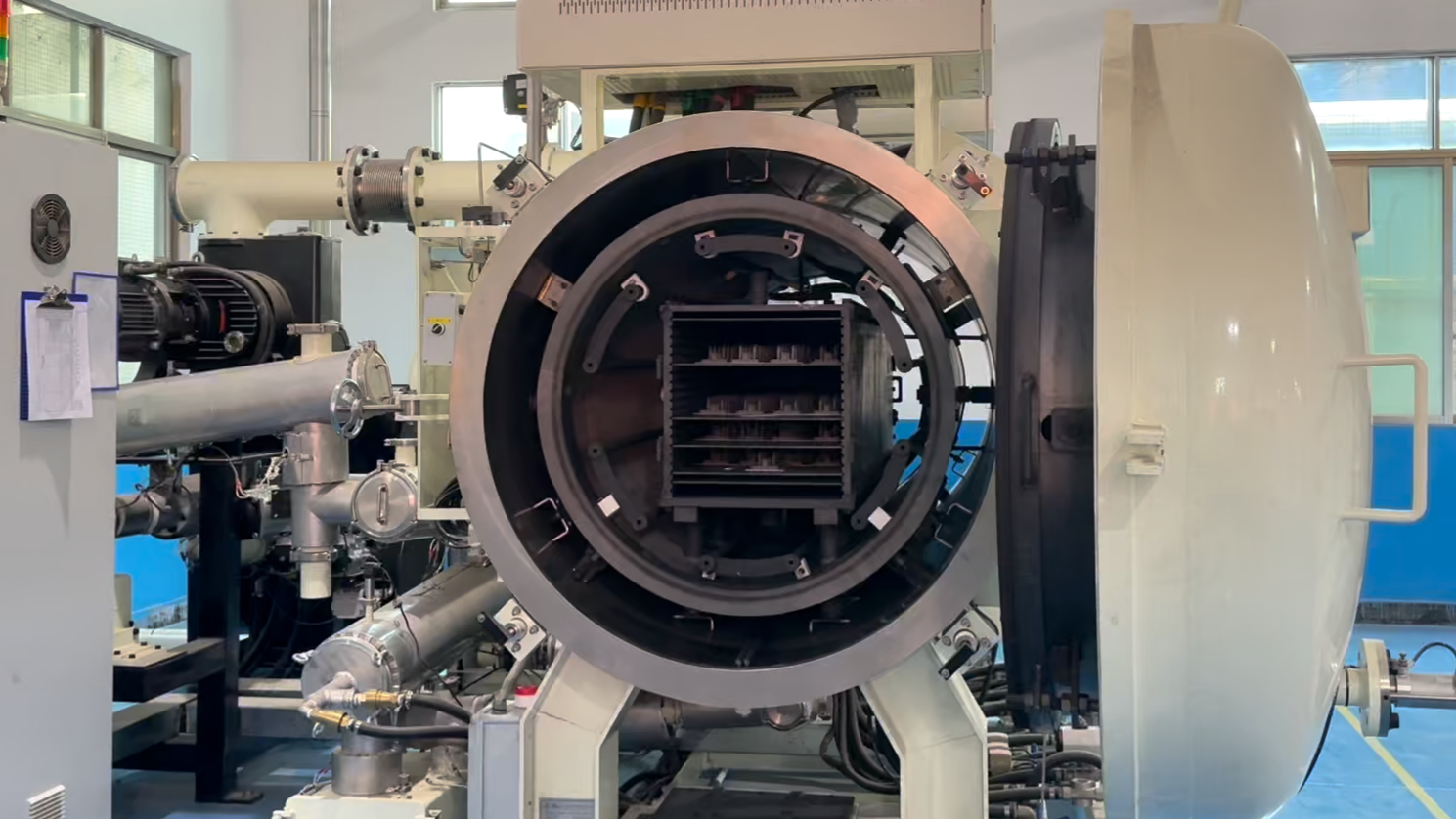
Sinterizzazione: la polvere compattata viene riscaldata, generalmente in condizioni atmosferiche controllate, per legare insieme le particelle senza fonderle. Questa fase aumenta la resistenza e l'integrità del componente.
Applicazioni e vantaggi dell'atomizzazione nella metallurgia delle polveri:
La tecnologia di atomizzazione è versatile e può essere applicata a un'ampia gamma di metalli e leghe, rendendola un processo essenziale per le industrie che richiedono componenti metallici di precisione.
L'atomizzazione è particolarmente utile per produrre componenti piccoli e complessi, per i quali la colata convenzionale è inefficiente o impraticabile.
Il processo può inoltre produrre materiali porosi e leghe difficili da ottenere con altri metodi.
In sintesi, l'atomizzazione svolge un ruolo chiave nella metallurgia delle polveri, producendo polveri metalliche di alta qualità con proprietà personalizzate. Questo processo è essenziale per la produzione efficiente di un'ampia gamma di componenti metallici e ha promosso notevolmente lo sviluppo della tecnologia e delle applicazioni dei metalli.

Condividi:
Processo di atomizzazione nella metallurgia delle polveri basato sulla tecnologia delle polveri satelliti
Applicazione pratica della miscelazione nella metallurgia delle polveri