



Processo di produzione:
L'elettrolisi occupa una posizione importante nella produzione di polveri e, in termini di scala produttiva, è seconda solo alla riduzione tra i metodi fisici e chimici. Tuttavia, il metodo elettrolitico consuma più elettricità e, in generale, ha un costo superiore a quello delle polveri ottenute per riduzione e delle polveri atomizzate. Il metodo elettrolitico è più comunemente utilizzato nell'elettrolisi in soluzione acquosa e nell'elettrolisi di sali fusi. L'elettrolisi di sali fusi viene utilizzata principalmente per produrre alcune polveri di metalli rari e difficili da ottenere. L'elettrolisi in soluzione acquosa può produrre polveri metalliche come rame, nichel, ferro, argento, stagno, piombo, cromo e manganese. In determinate condizioni, diversi elementi possono depositarsi simultaneamente per produrre polveri di leghe Fe-Ni, Fe-Cr e altre. Per quanto riguarda le caratteristiche della polvere ottenuta, il metodo elettrolitico comprende un processo di purificazione, quindi la polvere ottenuta è relativamente pura. Allo stesso tempo, poiché la forma della polvere cristallizzata elettroliticamente è generalmente dendritica, gli effetti di compattazione e sinterizzazione sono migliori rispetto a quelli della polvere di ferro ridotta. L'elettrolisi consente inoltre di controllare la granulometria della polvere, permettendo così di produrre polveri ultrafini.

Caratteristiche del prodotto:
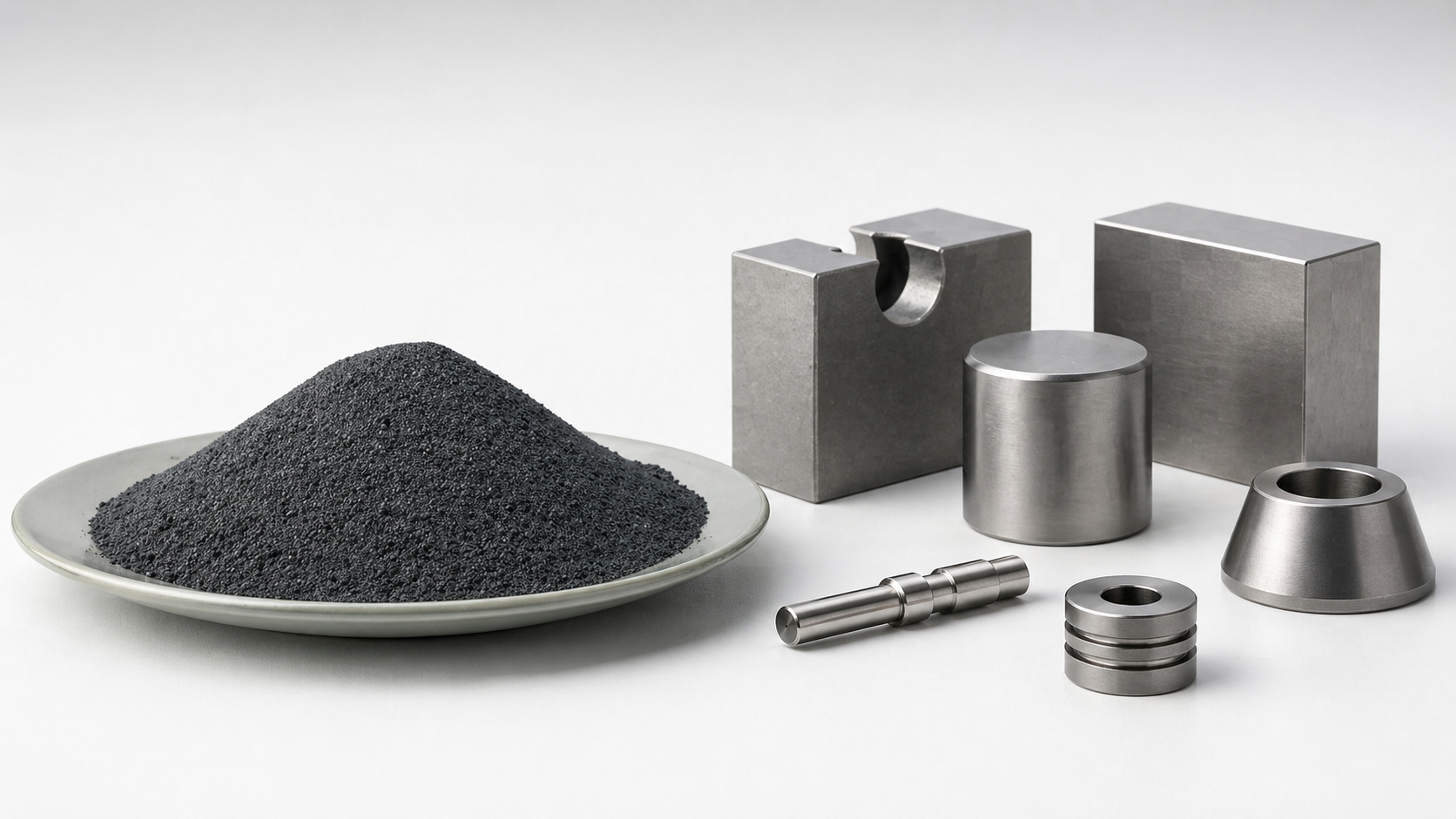
La polvere di ferro elettrolitica è grigia, sottile e di forma irregolare, con elevata stabilità, buona ripetibilità, alto contenuto di ferro, basso contenuto di impurità nocive come zolfo e fosforo, buona comprimibilità, granulometria uniforme delle particelle e proprietà fisiche stabili.
Principali utilizzi:
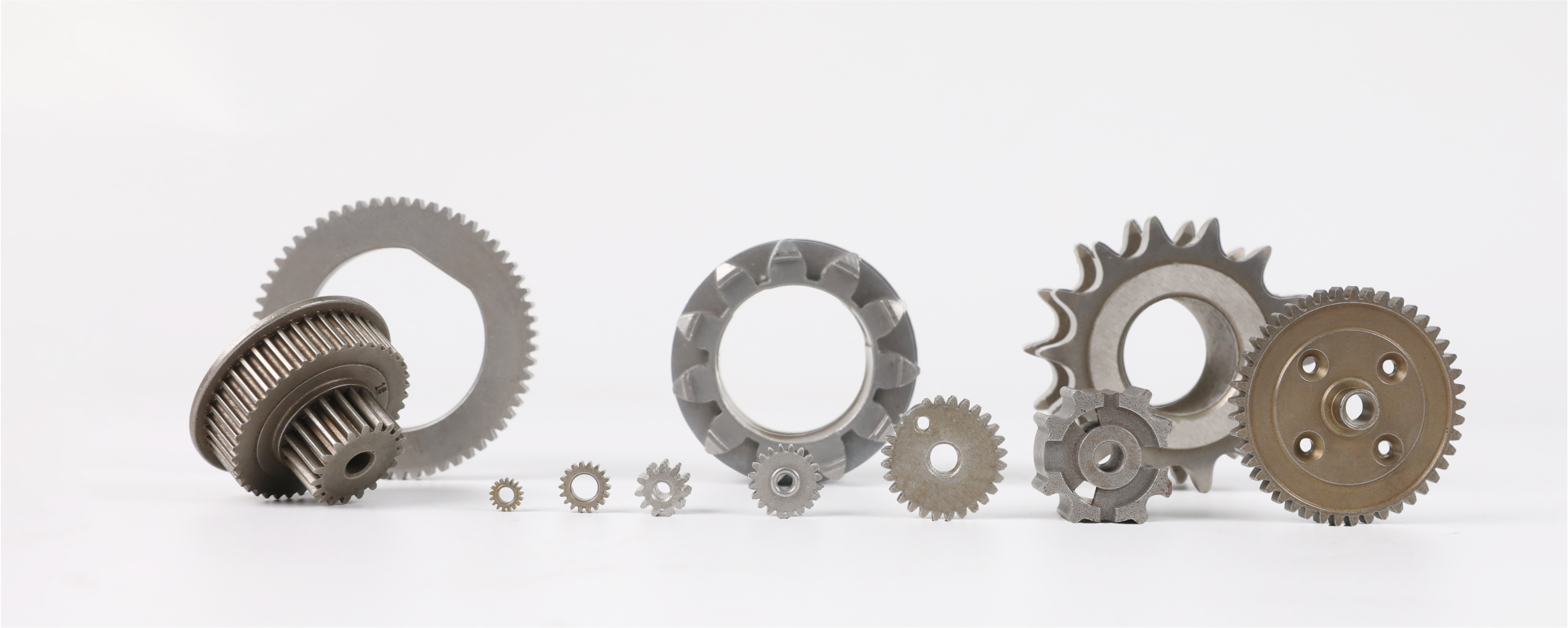
Metallurgia delle polveri, utensili diamantati, metallo duro, industria degli utensili, ecc.

Quindi, che tipo di merce è la polvere di ferro e quali sono le sue caratteristiche di pericolosità? Quali precauzioni devono essere adottate durante il trasporto marittimo?
La polvere di ferro ridotto per merci pericolose è un tipo di polvere grigia o nera contenente principalmente ferro elementare, con una granulometria generalmente inferiore a 1 mm, comunemente nota come «doppio assorbente», prodotta generalmente riducendo gli ossidi di ferro (ossido ferroso-ferrico, concentrato di ferro, ecc.) mediante agenti riducenti solidi o gassosi (coke, carbone di legna, antracite, gas d'acqua, gas naturale convertito, ammoniaca decomposta, idrogeno, ecc.). In base alla granulometria, si divide in cinque gradi: polvere grossolana, polvere media, polvere fine, polvere microfine e polvere ultrafine. La polvere di ferro composta da particelle con granulometria di 150-500 μm è polvere grossolana, quella di 44-150 μm è polvere media, quella di 10-44 μm è polvere fine, quella di 0,5-10 μm è polvere ultrafine e quella inferiore a 0,5 μm è polvere ultrafine.


Condividi:
L'importanza della promozione della tecnologia della forgiatura delle polveri
Materiali per la metallurgia delle polveri - polvere di ferro