

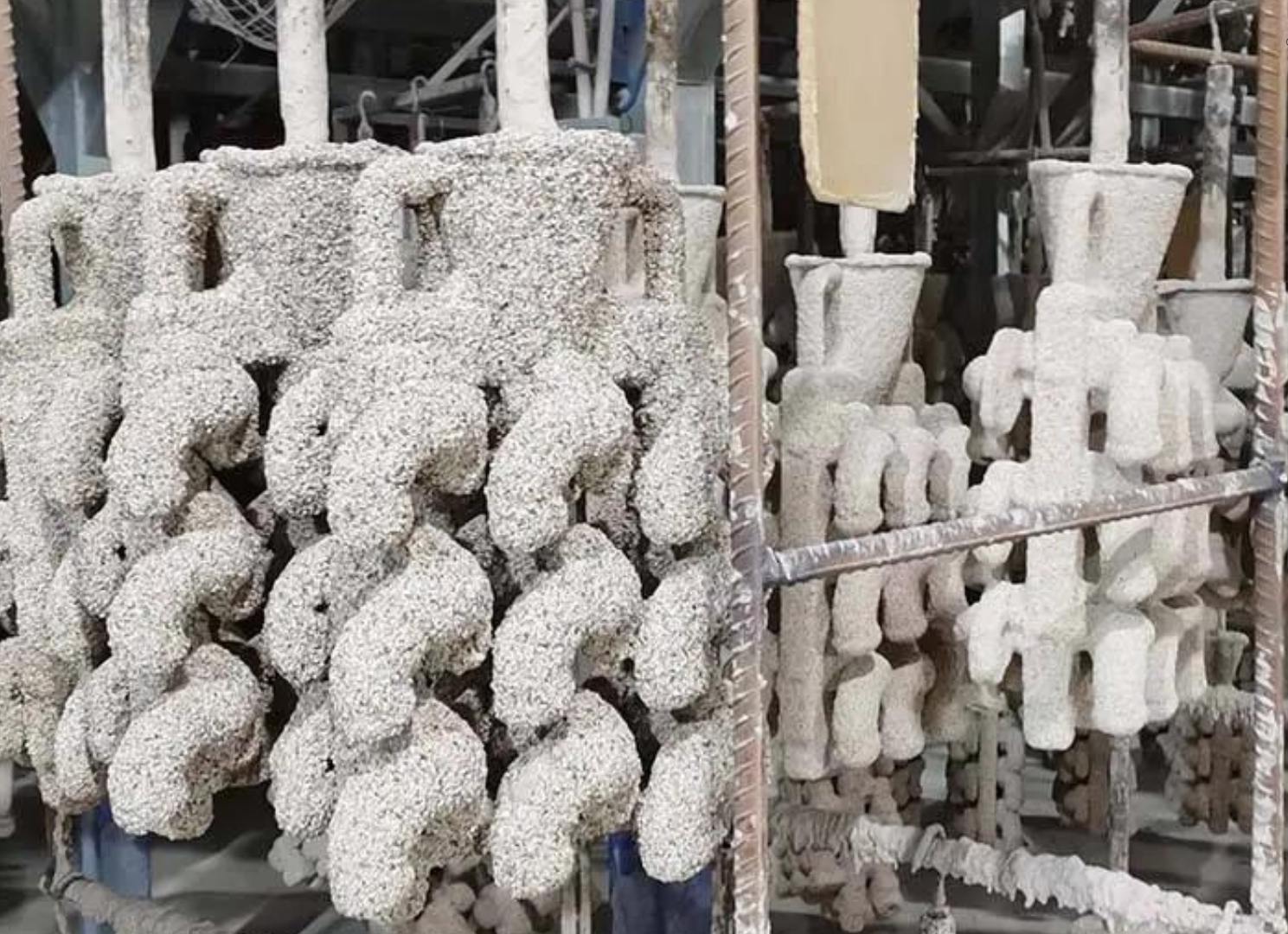
Confronto tra fusione a cera persa e stampaggio a iniezione di metallo: confronto dei processi
Nel campo della produzione di precisione dei metalli, Fusione a cera persa (IC) e Stampaggio a iniezione di metallo (MIM) sono due processi comunemente utilizzati. Entrambi possono produrre componenti metallici dalla forma complessa, ma i metodi di produzione, le applicazioni e i vantaggi differiscono. In questo articolo confronteremo questi due processi in termini di flusso di lavoro, adattabilità ai materiali, precisione del prodotto, costi e scenari applicativi.
1. Flusso di lavoro

Fusione a cera persa (IC) è un processo di fusione a cera persa che comprende le seguenti fasi:
-
Progettazione di un modello in cera
-
Creazione di un guscio ceramico
-
Fusione della cera e colata del metallo
-
Rimozione del guscio ceramico dopo il raffreddamento
-
Esecuzione dei successivi processi di finitura
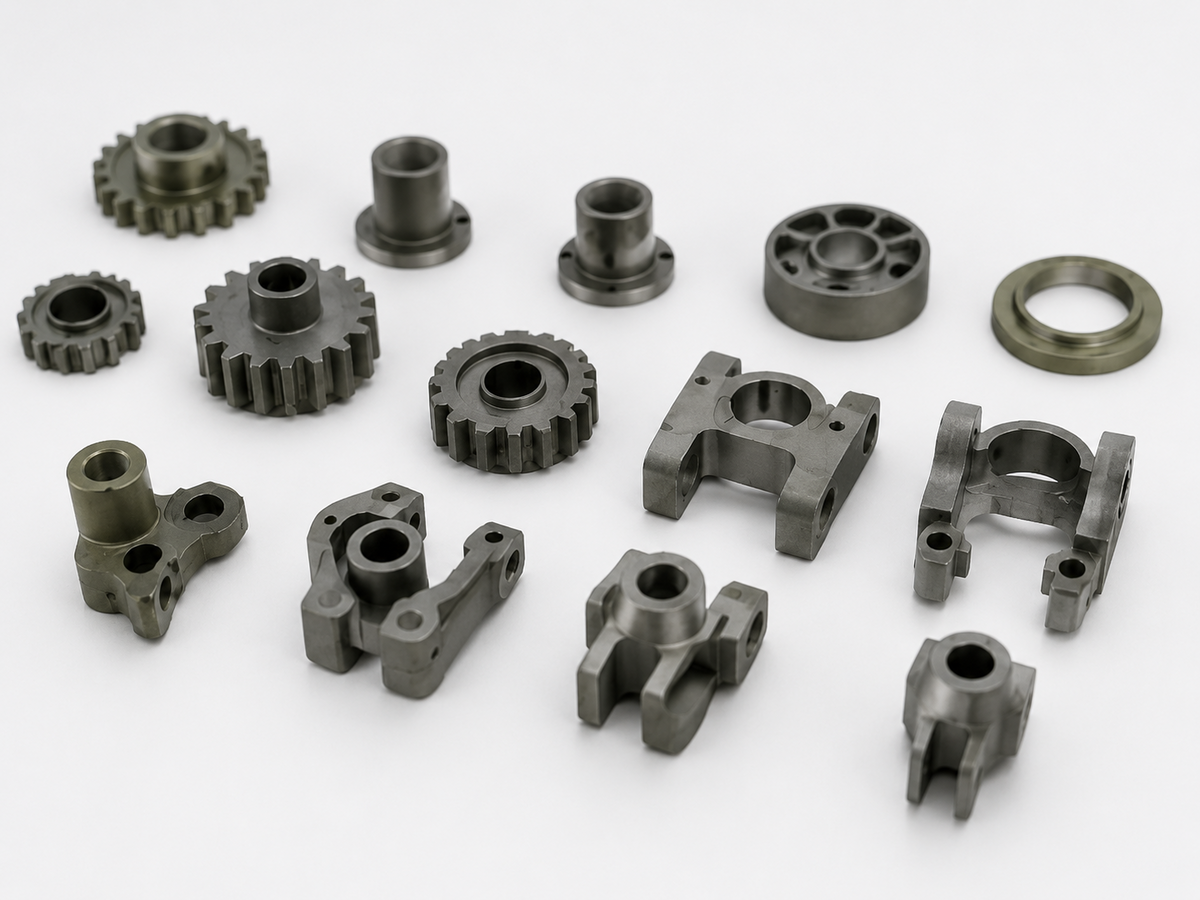
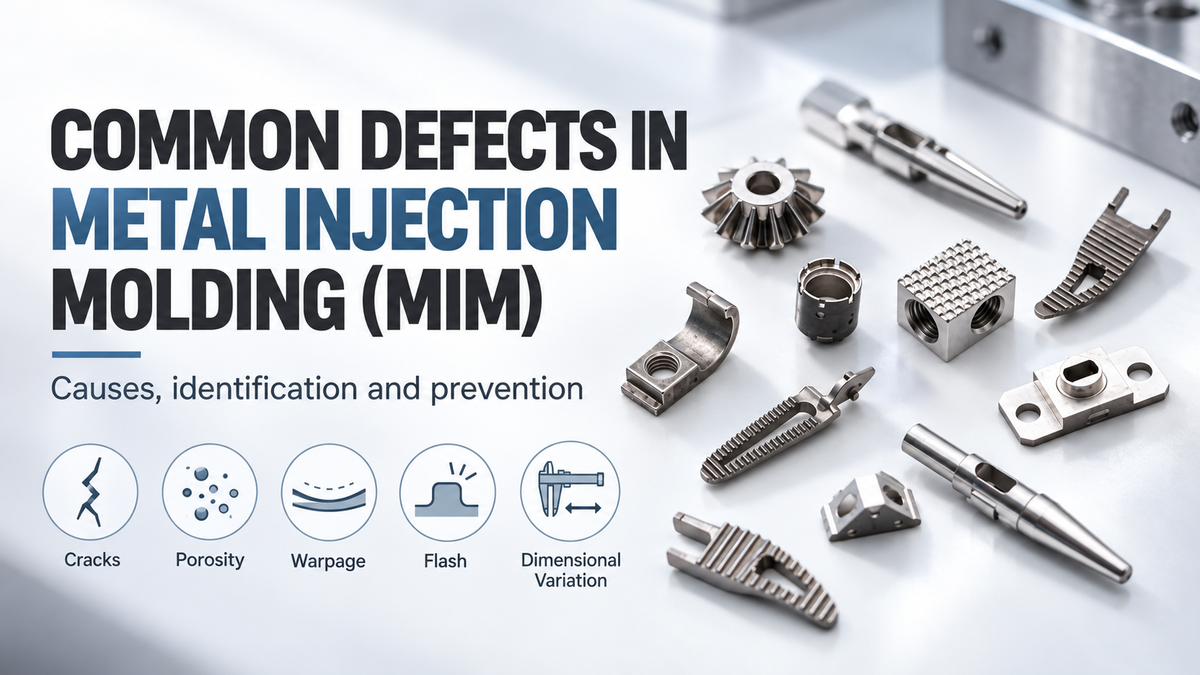
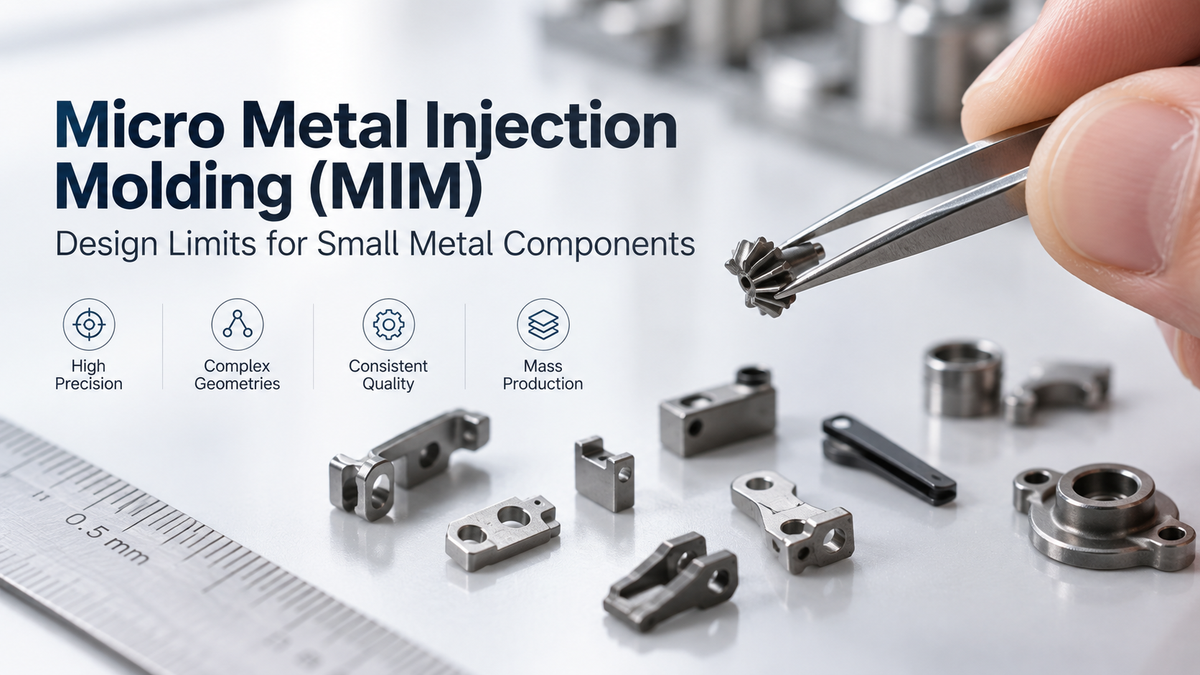
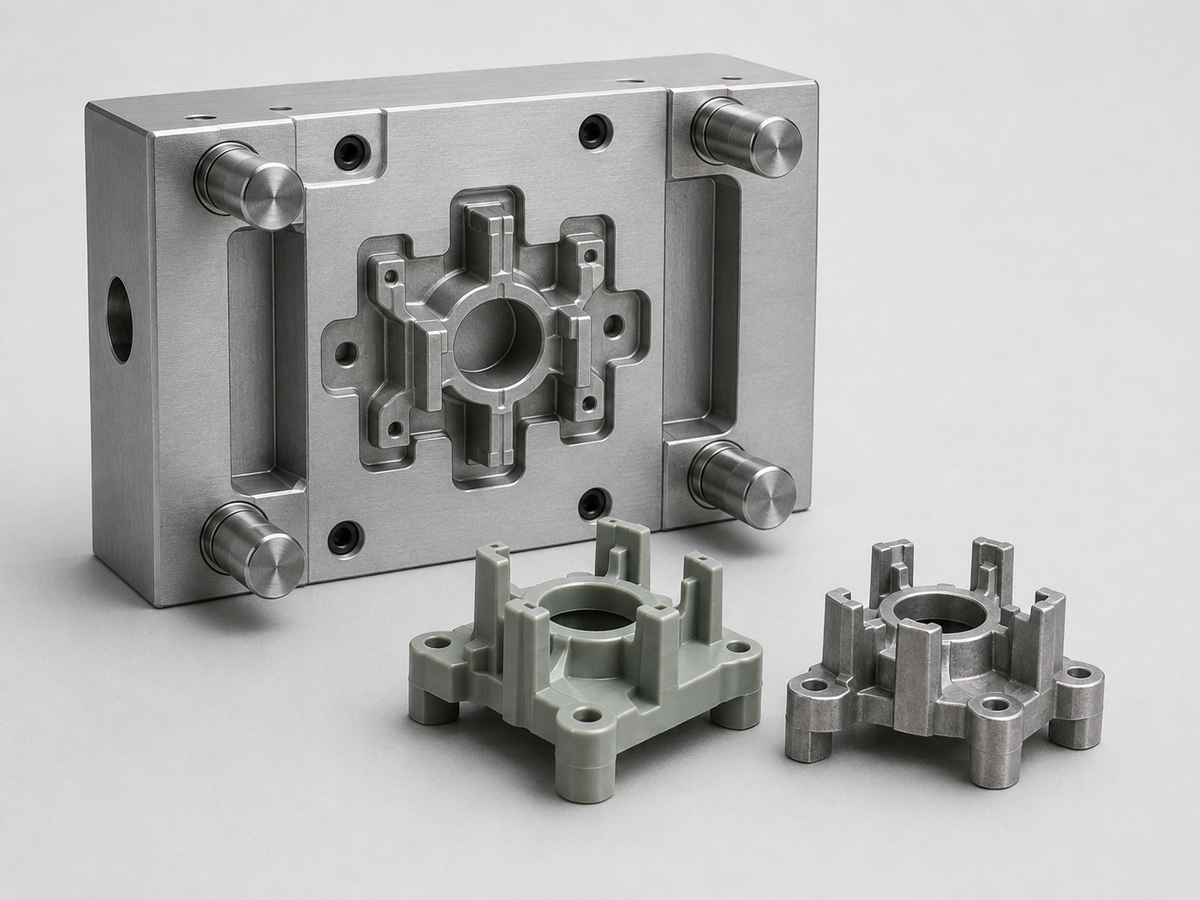
Stampaggio a iniezione di metallo (MIM) è simile allo stampaggio a iniezione della plastica e comprende:
-
Miscelazione della polvere metallica con un legante per formare il feedstock
-
Stampaggio a iniezione
-
Rimozione del legante
-
Sinterizzazione ad alta temperatura per ottenere componenti metallici ad alta densità
-
Ulteriori lavorazioni successive (come trattamento termico, lavorazione meccanica, ecc.)

2. Adattabilità ai materiali
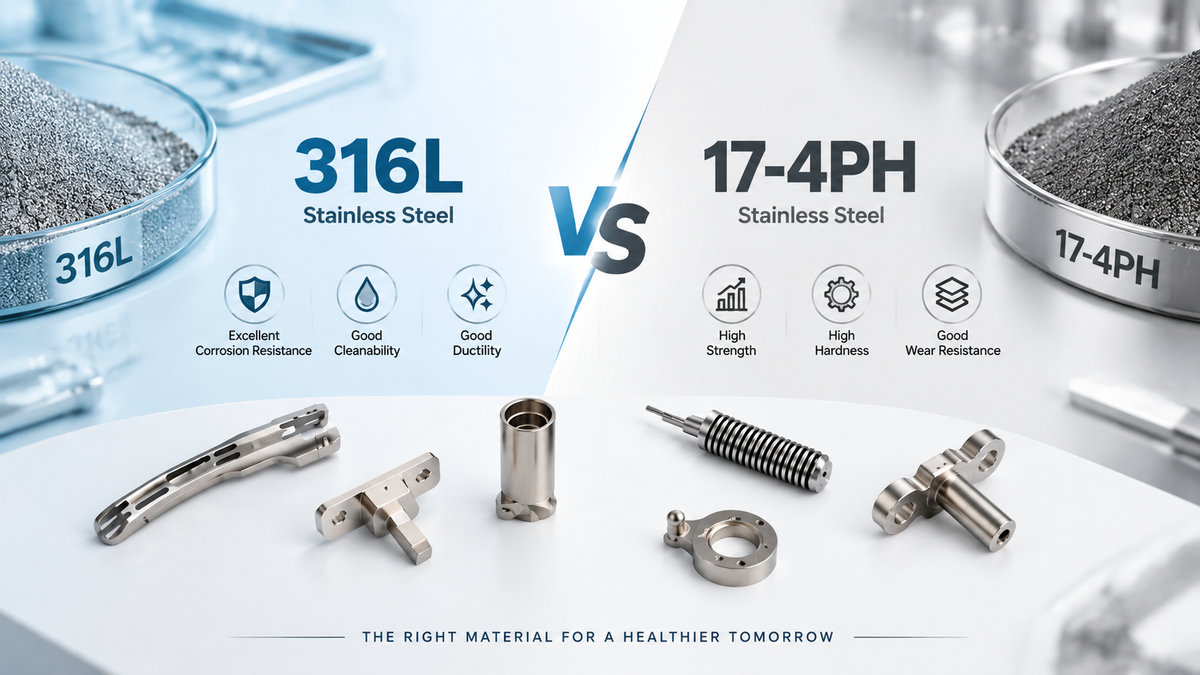
L'IC può lavorare un'ampia gamma di leghe metalliche, come acciaio inossidabile, leghe di alluminio, leghe di titanio e leghe di rame, risultando adatta a componenti che richiedono resistenza alle alte temperature e alla corrosione. Il MIM utilizza principalmente polveri metalliche ad alte prestazioni, come acciaio inossidabile, acciaio basso-legato, leghe di titanio e leghe di tungsteno. Il suo vantaggio consiste nella produzione di componenti complessi ad alta densità e alta resistenza.
3. Precisione e complessità del prodotto
-
Precisione: il MIM raggiunge generalmente una precisione dimensionale compresa tra ±0,3% e ±0,5%, mentre l'IC, a causa del processo di fusione, raggiunge tipicamente una precisione compresa tra ±0,5% e ±1,0%.
-
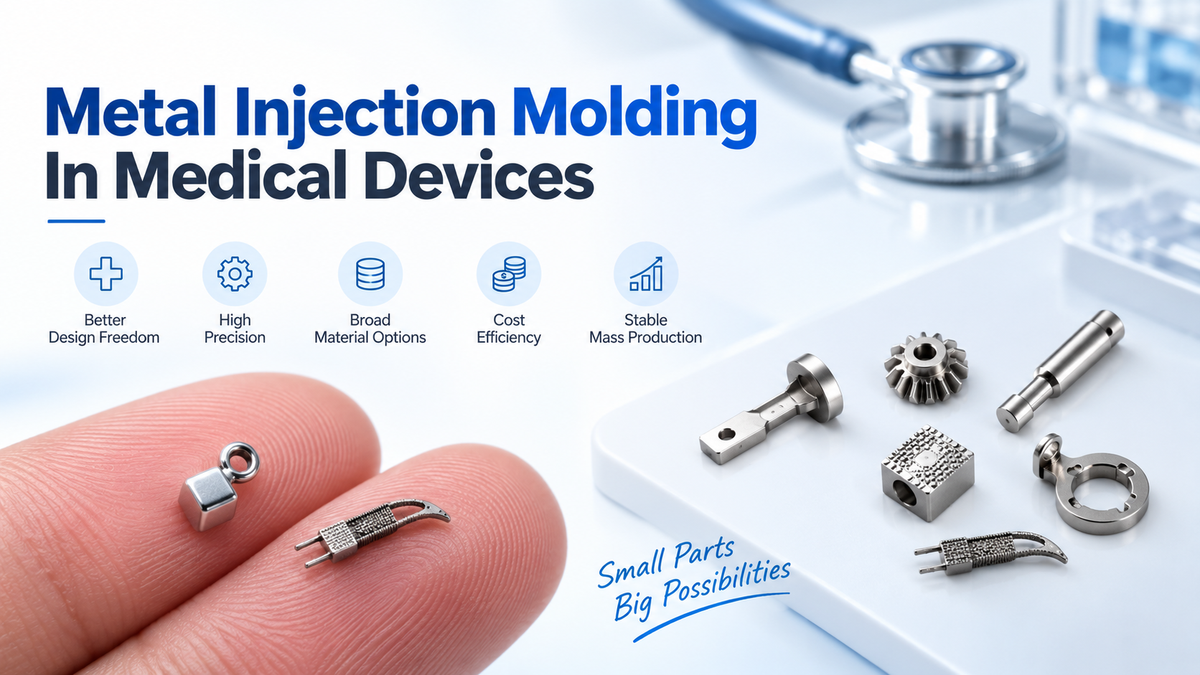
Complessità: il MIM è adatto alla produzione di componenti piccoli, a parete sottile e altamente complessi, come strumenti medicali e componenti elettronici. L'IC, invece, è più adatta a componenti più grandi o con pareti di spessore irregolare, come quelli destinati ai settori aerospaziale ed energetico.
4. Analisi dei costi

-
L'IC è ideale per volumi di produzione medio-bassi, con costi iniziali dello stampo inferiori ma costi unitari più elevati, soprattutto nelle fasi di post-lavorazione.
-
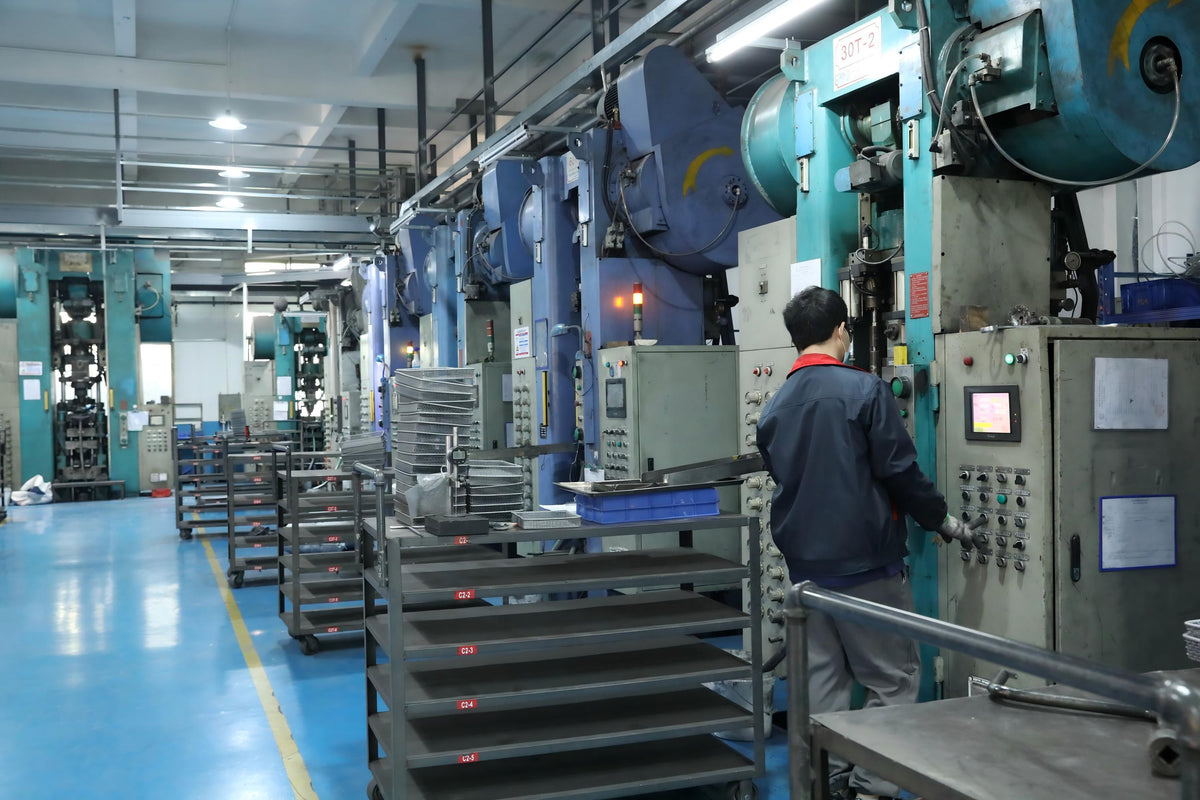
Il MIM è particolarmente adatto alla produzione in serie, con un investimento iniziale più elevato per lo stampo ma costi unitari inferiori, soprattutto per volumi annui superiori a 10.000 componenti.
5. Settori applicativi
| Processo | Applicazioni tipiche |
|---|---|
| IC | Aerospaziale, apparecchiature industriali, energia, componenti strutturali automobilistici |
| MIM | Dispositivi medici, elettronica di consumo, strumenti di precisione, piccoli componenti complessi |
Conclusione
Se l'obiettivo è resistenza alle alte temperature, dimensioni maggiori ed elevate prestazioni meccaniche, la fusione a cera persa (IC) è la scelta ideale. Tuttavia, per componenti di precisione piccoli, dalla forma complessa e ad alto volume, lo stampaggio a iniezione di metallo (MIM) offre vantaggi significativi. La scelta del processo giusto richiede una valutazione completa dei requisiti prestazionali del componente, del volume di produzione e del controllo dei costi, per ottenere la migliore soluzione produttiva.
Condividi:
Il processo di stampaggio a iniezione dei metalli (MIM)
Come viene prodotto il metallo in polvere