

Una tolleranza è la deviazione consentita di una misurazione rispetto a una misurazione di riferimento. L'utilizzo delle tolleranze contribuisce a garantire che il prodotto finale sia facile da usare,

Le tolleranze possono applicarsi a molte unità di misura diverse. Nella produzione industriale, si parla principalmente di tolleranze applicate a dimensioni lineari, angolari e ad altre dimensioni fisiche.
Tuttavia, indipendentemente dalle unità utilizzate, la tolleranza sul disegno rappresenta l'intervallo accettabile delle misurazioni rispetto a un punto di riferimento (nominale).
In assenza di una tolleranza ammissibile specificata, il produttore cercherà di mantenersi vicino a tale valore, che chiamiamo tolleranza standard, ma si verificheranno alcune deviazioni a causa delle capacità della macchina, della configurazione, delle capacità dell'operatore, ecc. Le deviazioni sono generalmente suddivise in deviazioni superiori e inferiori

Ad esempio, il disegno specifica 9.75 come dimensione minima accettabile e 10.25mm come dimensione massima accettabile. Pertanto, il margine di “errore” totale rimane lo stesso - 0.5mm - ma la dimensione può discostarsi dal valore nominale di 0.25mm.
Pertanto, è accettabile produrre un componente con dimensioni comprese tra 9.75 e 10.25mm.
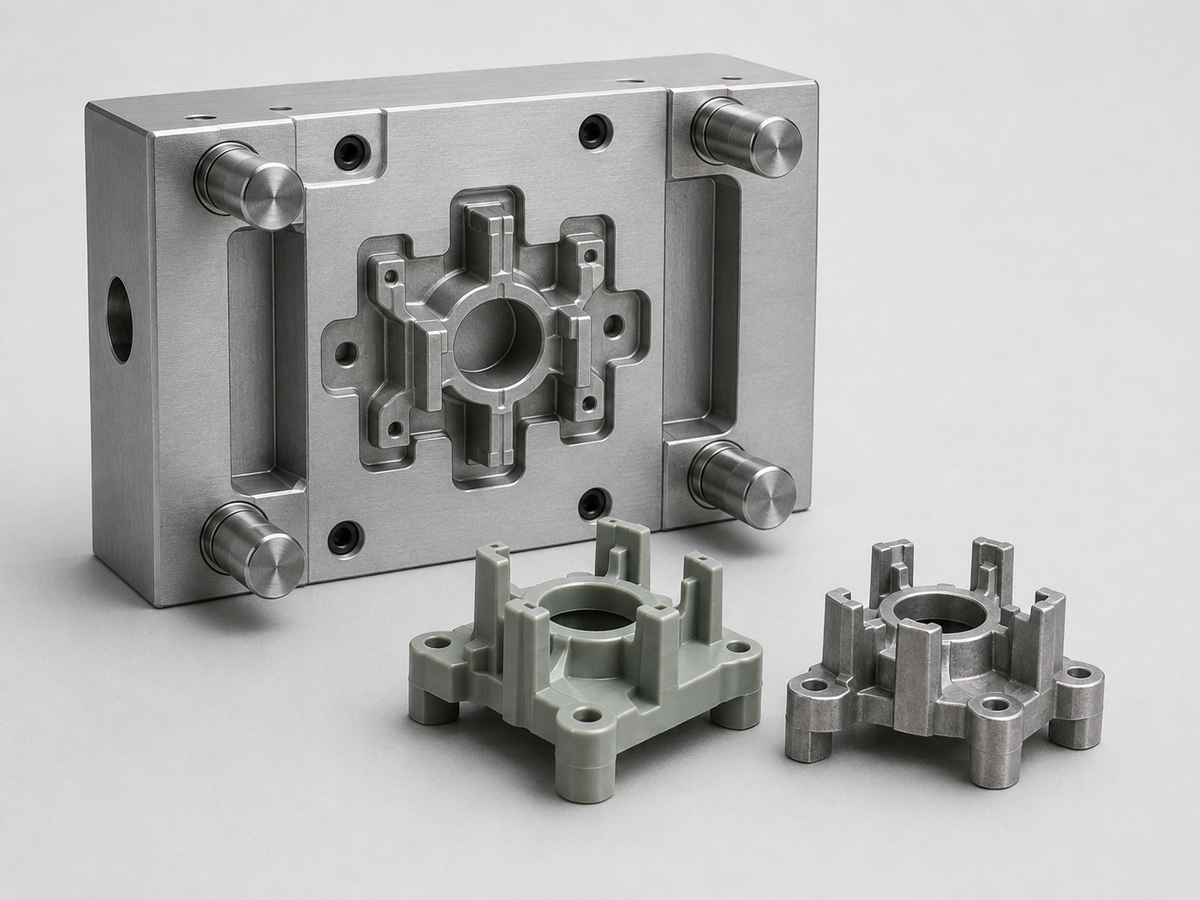
La tolleranza MIM è il valore di tolleranza ottenibile mediante lo stampaggio a iniezione dei metalli dopo il processo di iniezione e sinterizzazione. La tolleranza MIM comunemente ottenuta è di +/-0,3% (ovvero 1.000" +/-.003").
Intervallo di tolleranza: la tolleranza dimensionale è generalmente pari allo 0,3%~0,5% della dimensione. Ad esempio, se la dimensione del componente è di 25mm, la tolleranza può essere di circa ±0,75mm.
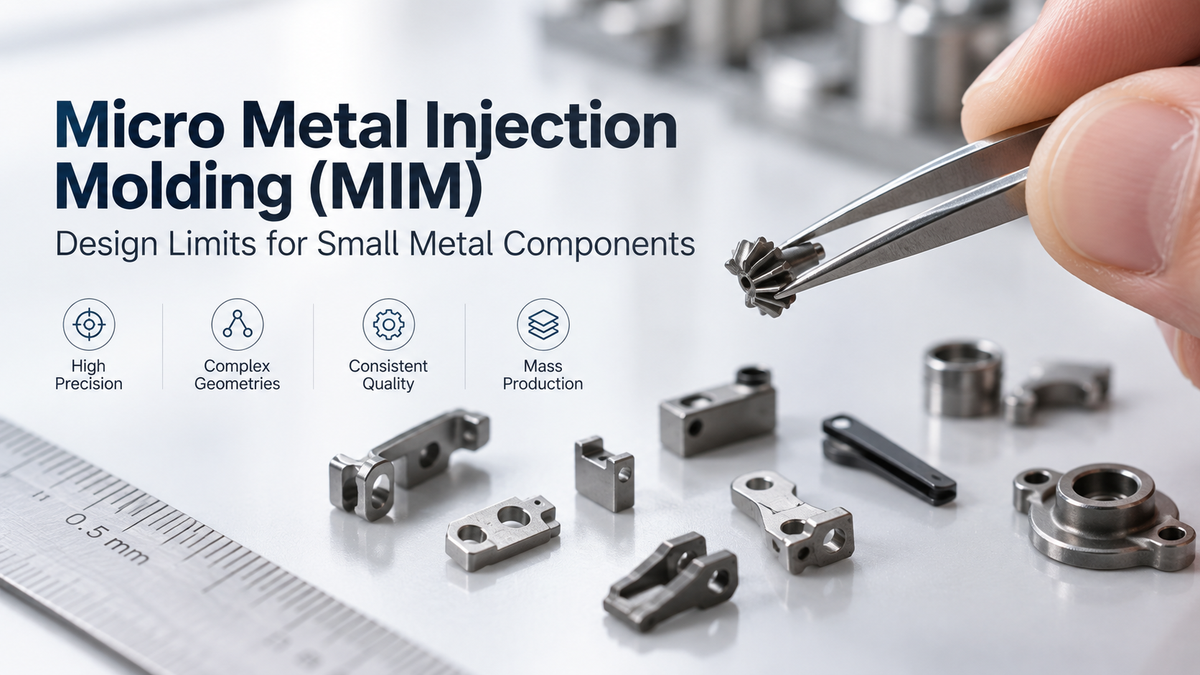
Ambito di applicazione: il processo MIM è adatto alla produzione di componenti di piccole dimensioni e ad alta precisione. La dimensione massima non supera i 150mm; il peso tipico dei componenti è di 10~15g, il peso più vantaggioso è inferiore a 50g e il peso massimo non supera i 300g.
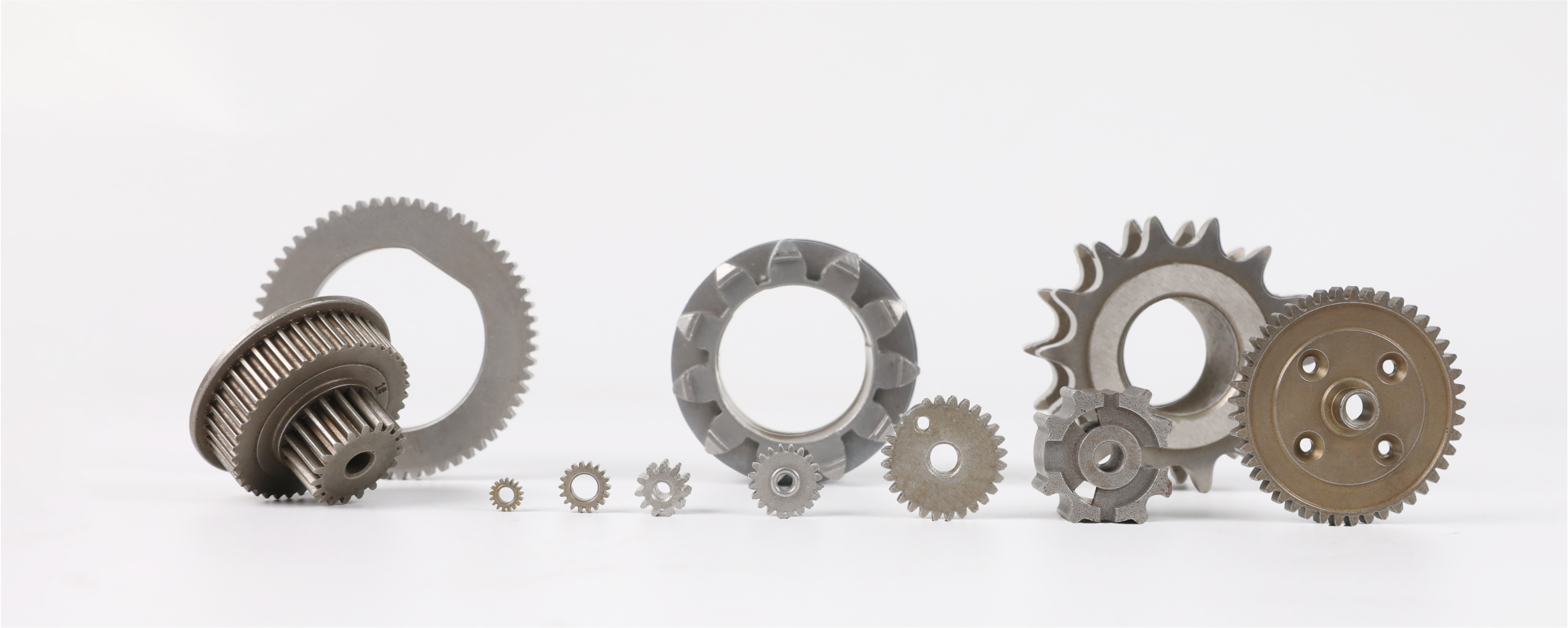
Questo intervallo di tolleranza rende il processo MIM particolarmente adatto alla produzione di parti metalliche tridimensionali piccole, precise e complesse, soprattutto per l'elettronica di consumo, i componenti automobilistici, i dispositivi medici, gli utensili elettrici, le apparecchiature industriali e gli articoli di uso quotidiano.
È importante notare che, se le dimensioni del pezzo sono eccessive, la tolleranza aumenta e potrebbe non soddisfare i requisiti progettuali, oppure potrebbe essere necessaria un'ulteriore lavorazione secondaria, come la lavorazione meccanica, con conseguente aumento dei costi.
Tuttavia, a causa di vari fattori quali materiali diversi, design, strutture dei componenti MIM, strutture degli stampi, posizioni delle linee di separazione, posizioni dei punti di iniezione, ecc., la tolleranza nel processo di produzione effettivo può essere inferiore o superiore all'intervallo di +/-0,3%.
XY MIM può essere lavorato successivamente mediante CNC per garantire la tolleranza progettuale del disegno e soddisfare le vostre esigenze personalizzate.

Condividi:
Materiali refrattari in carburo - Dalla sintesi ai prodotti finiti
Lavorazione meccanica di precisione di componenti in ceramica