

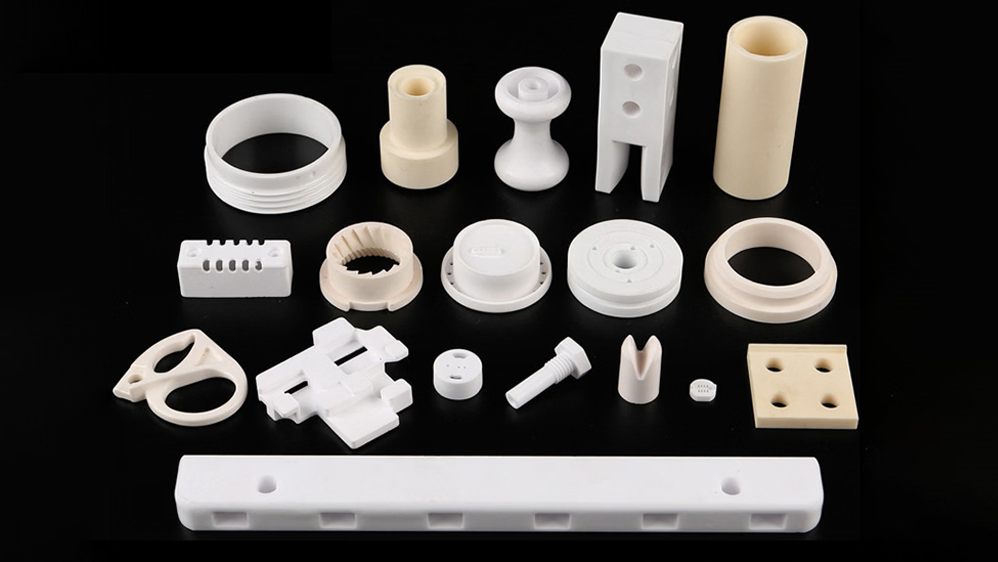
Se stai progettando o producendo dispositivi medici e hai bisogno di un componente ceramico affidabile e di precisione, siamo specializzati nella realizzazione di componenti piccoli ma fondamentali che mantengono operative le apparecchiature.
Siamo esperti in Stampaggio a iniezione della ceramica (CIM), un processo di produzione ideale per realizzare componenti ceramici dalle forme complesse e in grandi volumi, con una qualità costante. Ci concentriamo sulla creazione dei componenti interni essenziali, fondamentali per il funzionamento di strumenti medicali più grandi.
Cosa produciamo: componenti medicali CIM essenziali
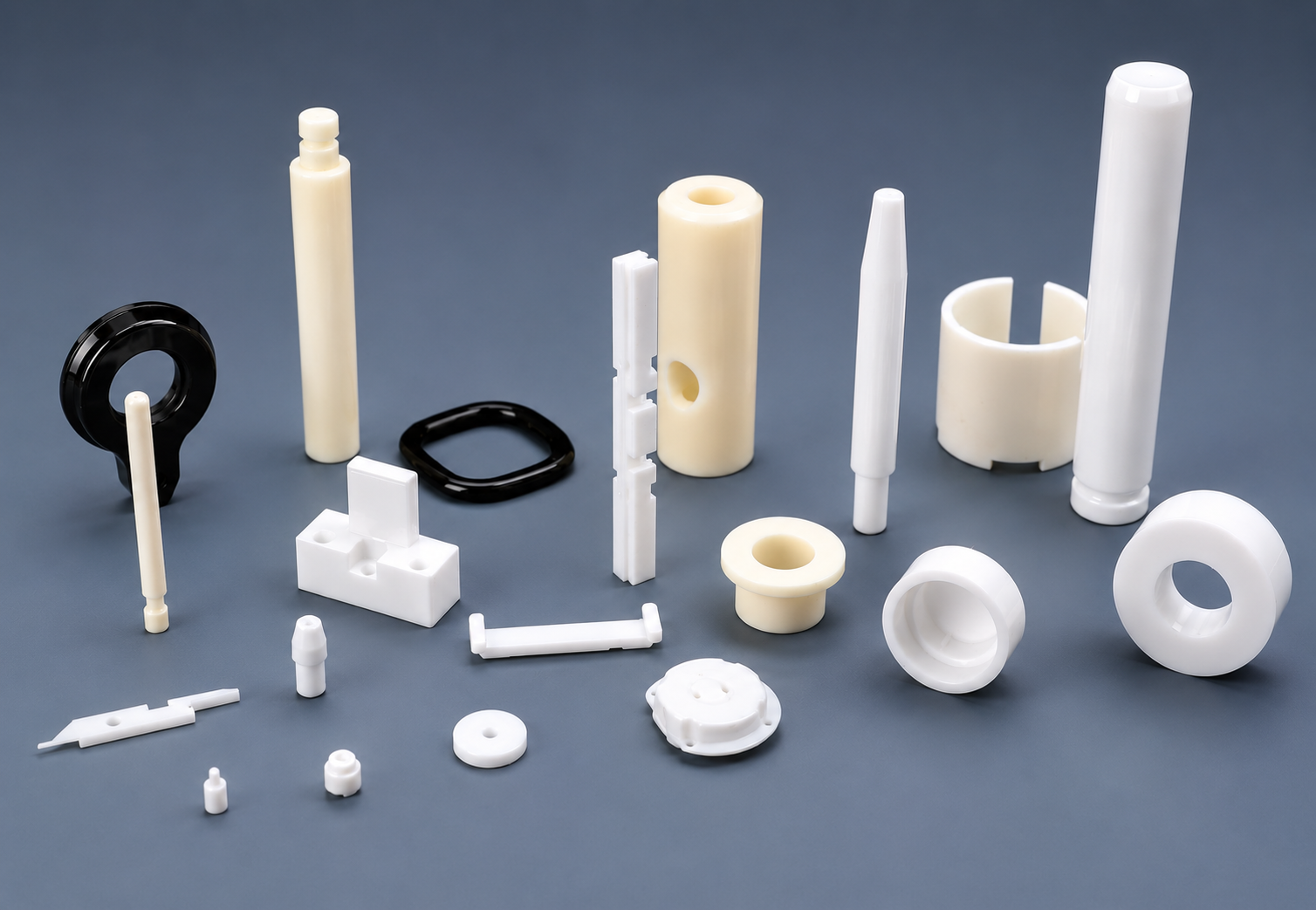
Non produciamo il dispositivo finale che vedi in ospedale. Fabbrichiamo i componenti ceramici precisi, spesso invisibili, al suo interno. Ecco alcuni dei componenti che produciamo:
-
Lame e utensili da taglio ceramici: Per attività di taglio precise. La ceramica rimane più affilata dell'acciaio più a lungo ed è inerte, eliminando il rischio di contaminazione metallica.

-
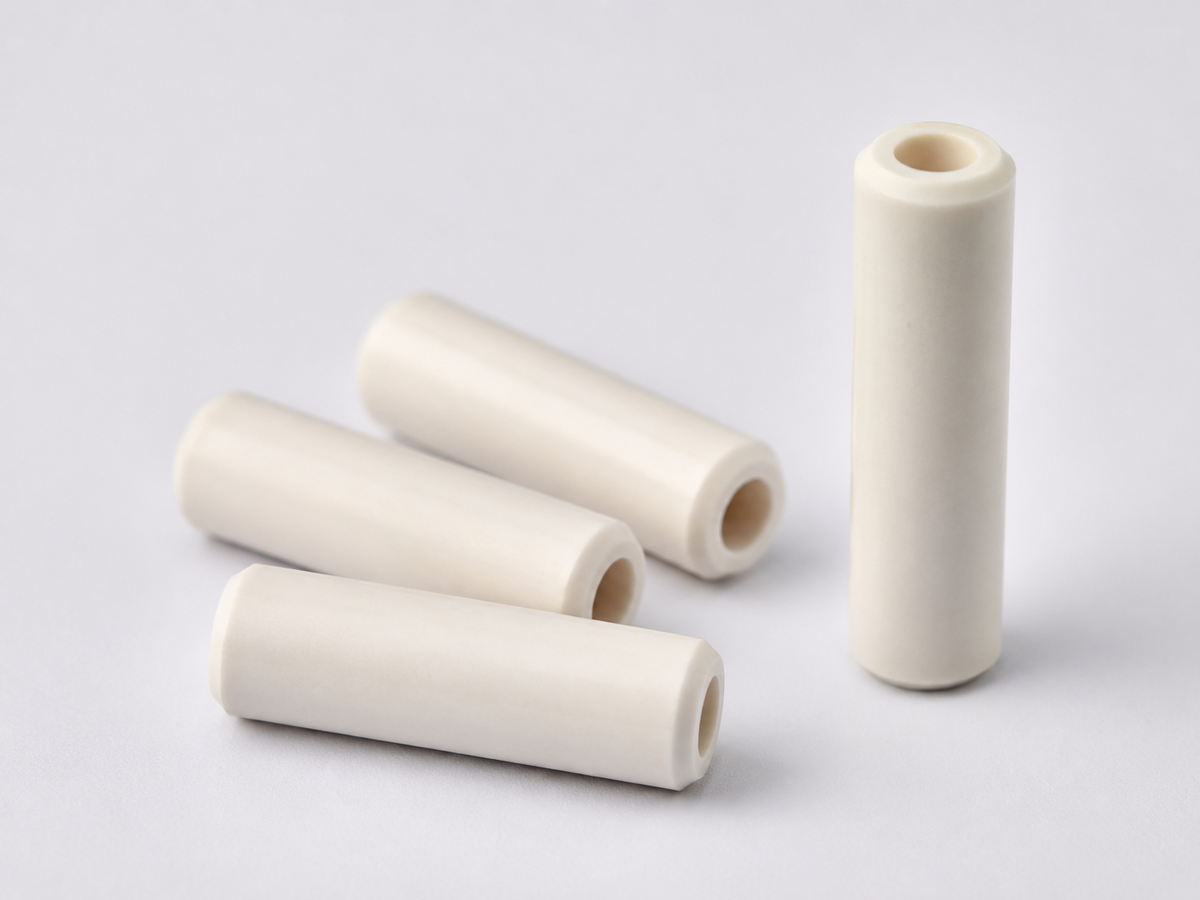
Perni di espulsione e aste di spinta ceramici: Utilizzati per l'attuazione e il movimento all'interno dei dispositivi. Sono altamente resistenti all'usura e non si corrodono.
-
Perni di posizionamento e spine cilindriche ceramici: Per un allineamento e un assemblaggio accurati. Offrono un'eccezionale stabilità dimensionale per mantenere la precisione del dispositivo nel tempo.
-
Ghieri e boccole ceramiche: Utilizzati come guide isolanti o cuscinetti. Offrono un eccellente isolamento elettrico e resistenza agli agenti chimici.
-
Ugelli e alloggiamenti ceramici: Per la gestione dei fluidi o la protezione dei sensori. Sono biocompatibili e possono essere stampati in forme complesse con canali interni.
Questi componenti sono generalmente piccoli, ma le loro prestazioni sono fondamentali. La precisione, la durata e le proprietà dei materiali sono ciò che il nostro processo CIM offre.

Perché scegliere il CIM per i componenti medicali?
Quando hai bisogno di un componente ceramico complesso in grandi quantità, il CIM offre vantaggi distinti rispetto ad altri metodi di produzione, come la lavorazione meccanica.
-
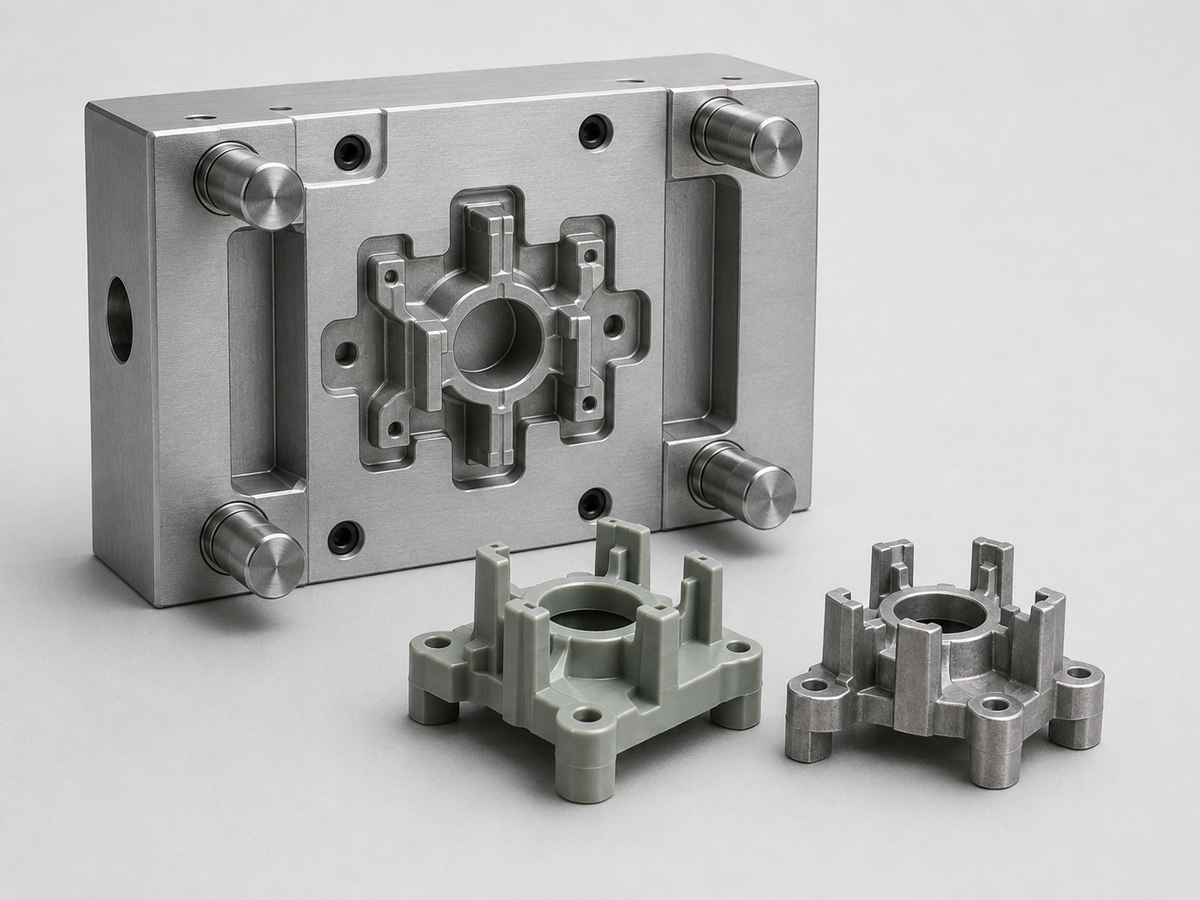
Geometrie complesse: Il CIM può creare forme difficili o troppo costose da rettificare a partire da un blocco ceramico pieno.
-
Elevata precisione: Possiamo mantenere tolleranze ristrette adatte all'assemblaggio di dispositivi medici.
-
Conveniente per grandi volumi: Dopo la creazione dello stampo, i componenti possono essere prodotti in modo efficiente in grandi lotti, riducendo significativamente il costo per componente.
-
Prestazioni del materiale: Il CIM produce componenti ad alta densità e struttura uniforme, garantendo prestazioni e affidabilità costanti.

Se hai in mente un componente, parliamone
Potresti essere alle prese con un componente che si guasta a causa dell'usura o della corrosione.
Forse stai cercando un fornitore più affidabile per un componente ceramico esistente.
Oppure potresti avere un nuovo progetto e voler verificare se il CIM ceramico sia un'opzione praticabile.
Siamo qui per aiutarti. Ci concentriamo nel trasformare le tue specifiche in prodotti reali di alta qualità, fabbricati in serie.
Tu ti concentri sul dispositivo. Noi forniamo il componente.
Condividi:
Come scegliere un produttore di ceramiche tecniche: 5 fattori chiave per il successo ingegneristico
Stampaggio a iniezione di polveri - PIM