

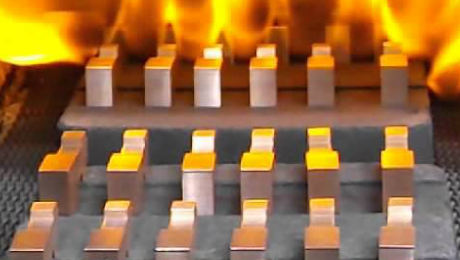
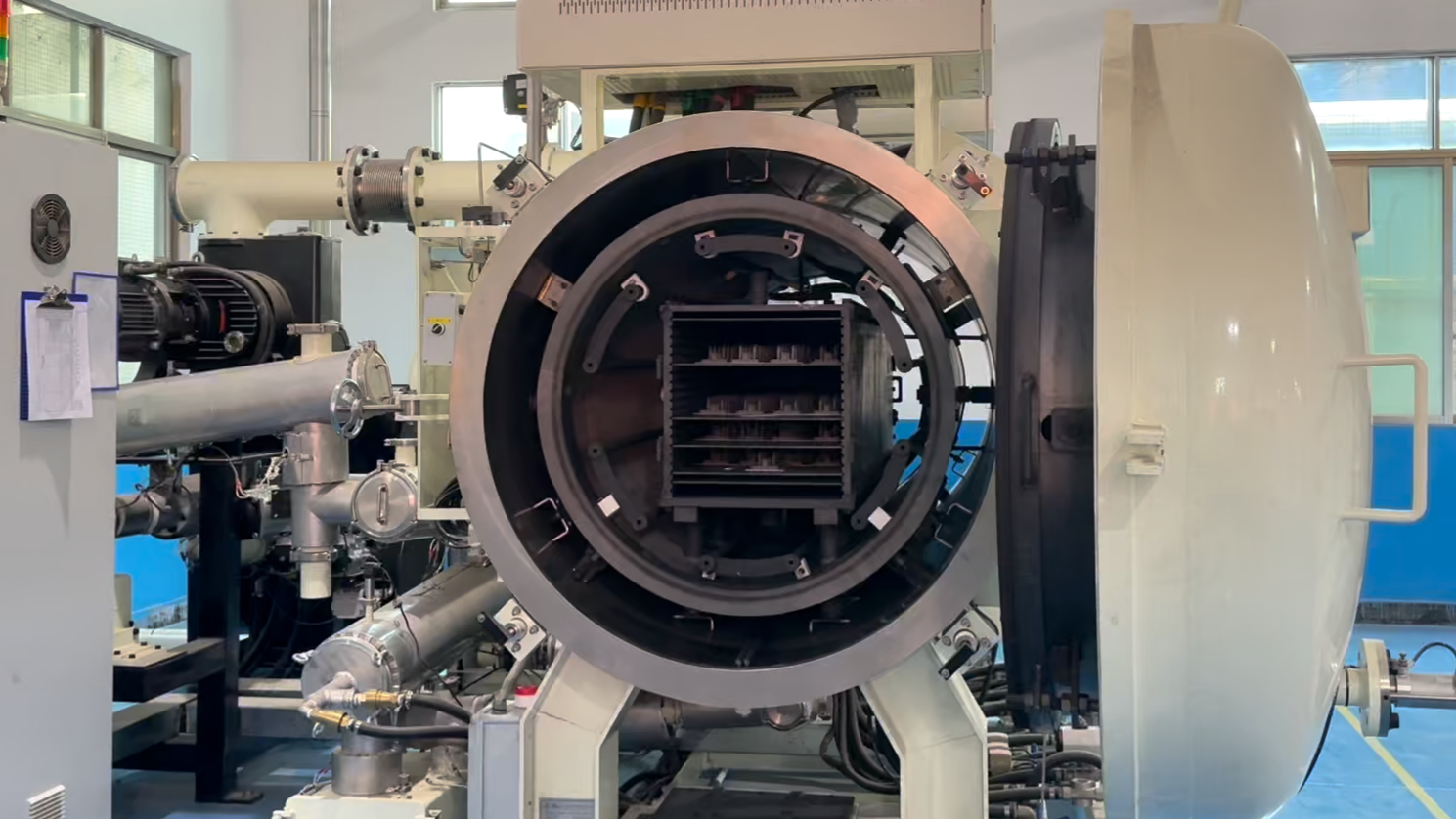
La sinterizzazione è il processo di riscaldamento di un materiale portandolo vicino al suo punto di fusione senza consentirne la liquefazione, generalmente allo scopo di legare le particelle metalliche per ottenere le proprietà meccaniche desiderate. Parte comune del processo di stampaggio a iniezione dei metalli (MIM), la sinterizzazione consente agli atomi di un materiale di diffondersi oltre i suoi confini, facendoli fondere insieme e creando un pezzo unico. È particolarmente comune per la lavorazione di metalli con punti di fusione elevati, come il molibdeno e il tungsteno, poiché non richiede che il materiale fonda effettivamente.
Qui esamineremo la sinterizzazione nel processo di stampaggio a iniezione dei metalli (MIM), insieme alle differenze rispetto alla sinterizzazione nei processi metallurgici tradizionali
Panoramica della sinterizzazione nel MIM
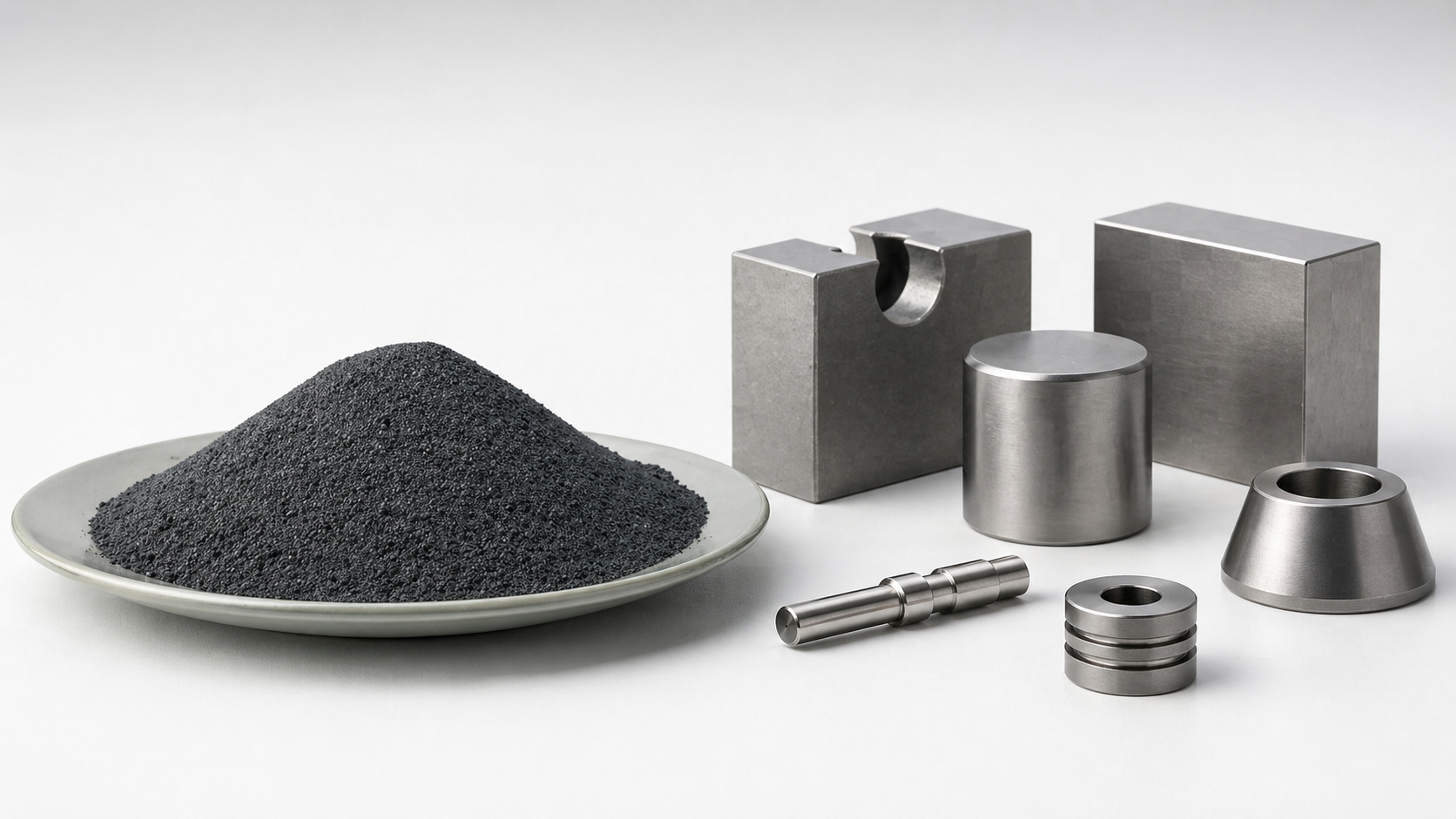
I leganti utilizzati nella sinterizzazione sono generalmente polimeri come cera e polipropilene, che si miscelano con il metallo in polvere per formare la materia prima.
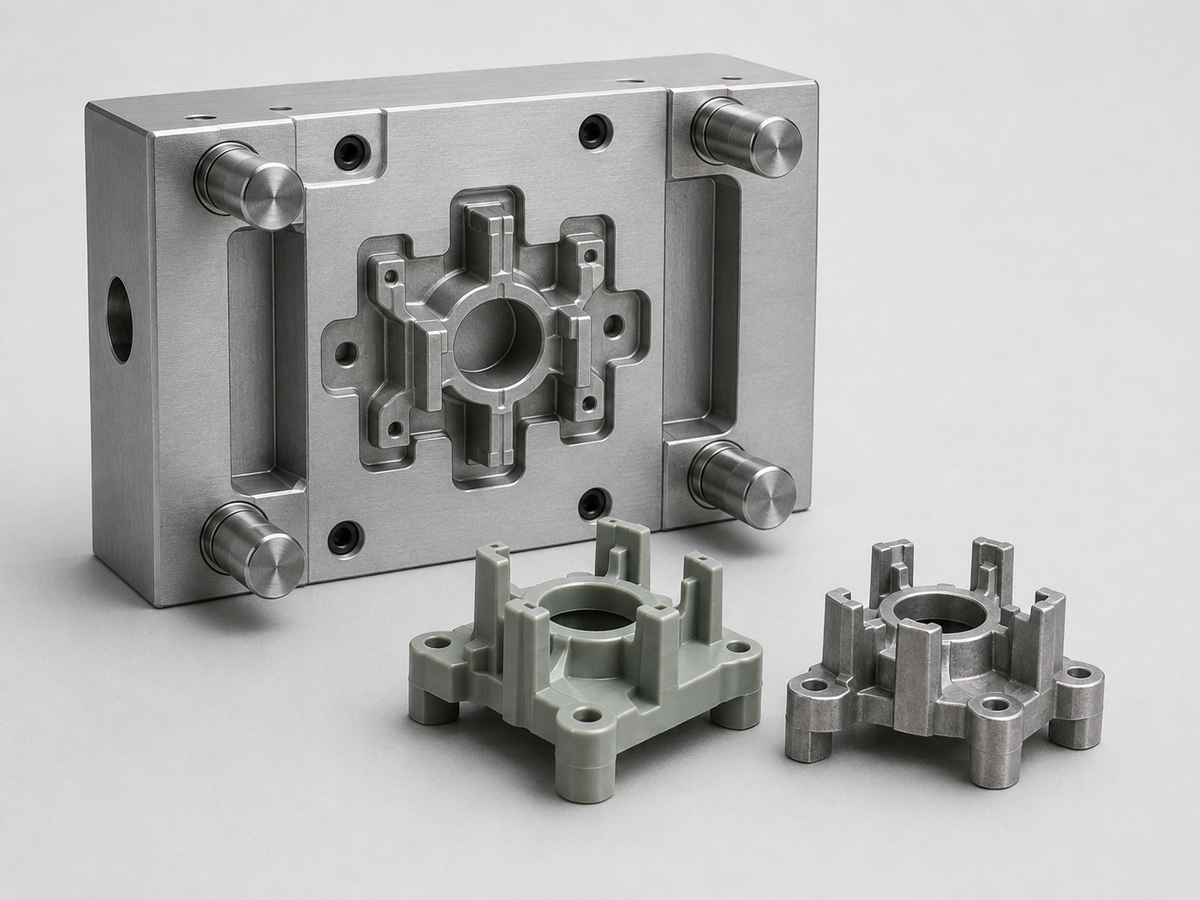
Durante il processo MIM, la materia prima viene riscaldata, liquefacendo il legante, che trasporta il materiale metallico in polvere all'interno dello stampo. Una volta riempita la cavità con il materiale, lo stampo viene raffreddato per solidificare il legante e il materiale metallico in polvere. Lo stampo si apre quindi e rilascia il componente - a questo punto, il pezzo è considerato un “pezzo verde”.
Metodi come i processi catalitici, i solventi e il riscaldamento rimuovono i leganti, producendo un materiale poroso e fragile, ora noto come pezzo marrone. I pezzi vengono quindi sinterizzati in un'atmosfera protettiva per prevenire reazioni chimiche indesiderate.
Il MIM utilizza spesso la sinterizzazione in fase liquida, che induce la fusione parziale del metallo. Una volta solidificato, il prodotto finale presenta proprietà meccaniche e fisiche comparabili a quelle dei pezzi realizzati con tecniche tradizionali di lavorazione dei metalli.
In che modo la sinterizzazione migliora il pezzo?
I metalli lavorati possono presentare proprietà meccaniche diverse a seconda che vengano testati nella direzione di laminazione o trasversalmente a essa. Il MIM non prevede questo processo, quindi i suoi pezzi presentano generalmente proprietà uniformi in tutte le direzioni. Questa mancanza di direzionalità delle proprietà è dovuta anche all'uniformità della microstruttura del metallo.
Potenzia la tua produzione con lo stampaggio a iniezione dei metalli
Come puoi vedere, i pezzi MIM sinterizzati sono altamente ripetibili e presentano proprietà simili a quelle delle loro controparti prodotte con metodi tradizionali.
Pensi che il MIM possa essere una buona opzione per la tua produzione e vuoi saperne di più? Consulta la nostra pagina delle risorse.
Condividi:
Qual è la tecnologia migliore per la produzione di componenti metallici: MIM o microfusione?
I vantaggi del MIM per la fabbricazione di metalli personalizzata