

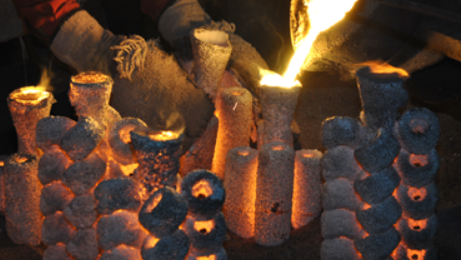
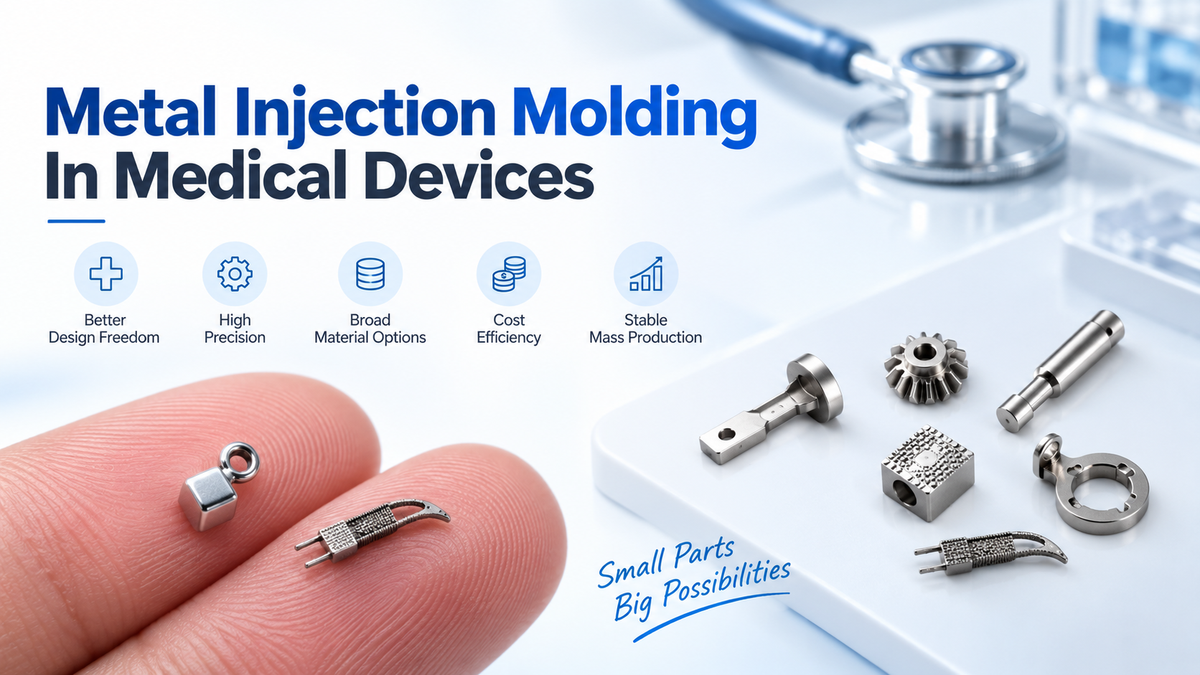
Rispetto alla microfusione, che rappresenta uno dei più antichi processi applicati di stampaggio dei metalli, il Metal Injection Moulding, o MIM, è una tecnologia relativamente nuova. La tecnologia MIM è diventata nota negli anni ’80; tuttavia, ancora negli anni ’90, molte aziende coinvolte nella produzione di parti metalliche utilizzavano ancora la microfusione. Soprattutto negli anni ’80, persistevano dubbi sull’integrità metallica dei componenti prodotti con il MIM, una tecnologia applicata principalmente nella produzione di materie plastiche. Ancora oggi, la microfusione è considerata la principale tecnologia di precisione, mentre il MIM è considerato una tecnologia complementare, utilizzata soprattutto per la produzione di componenti di piccole dimensioni.
Somiglianze e differenze tra microfusione e MIM
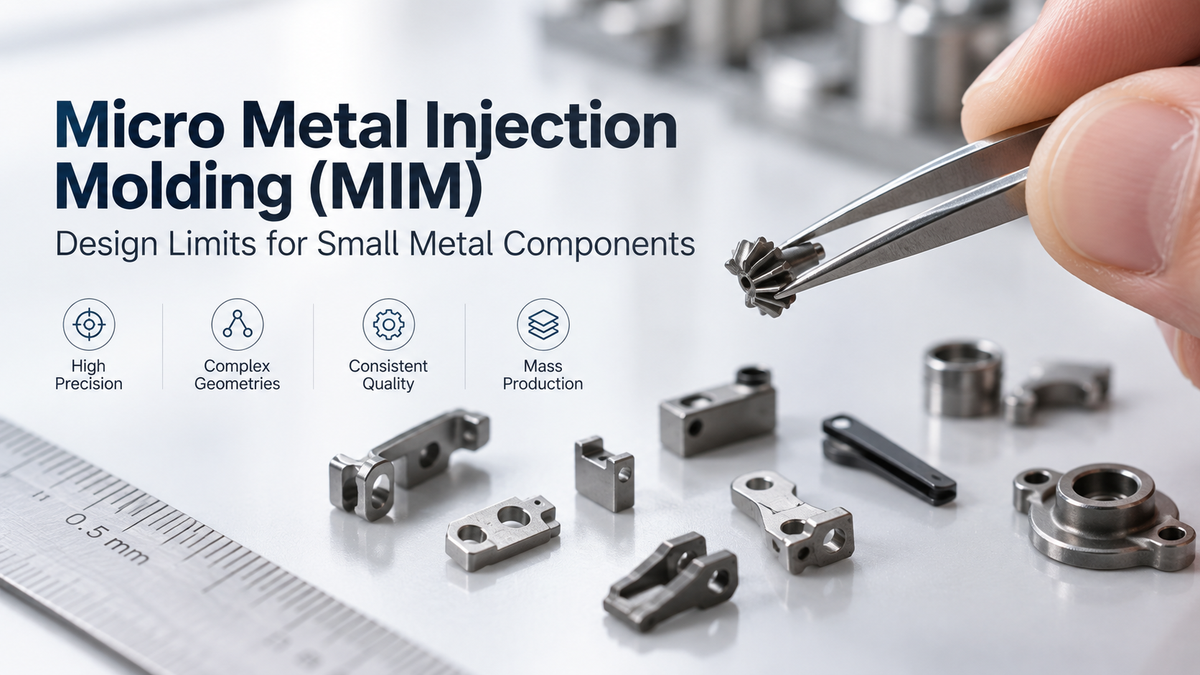
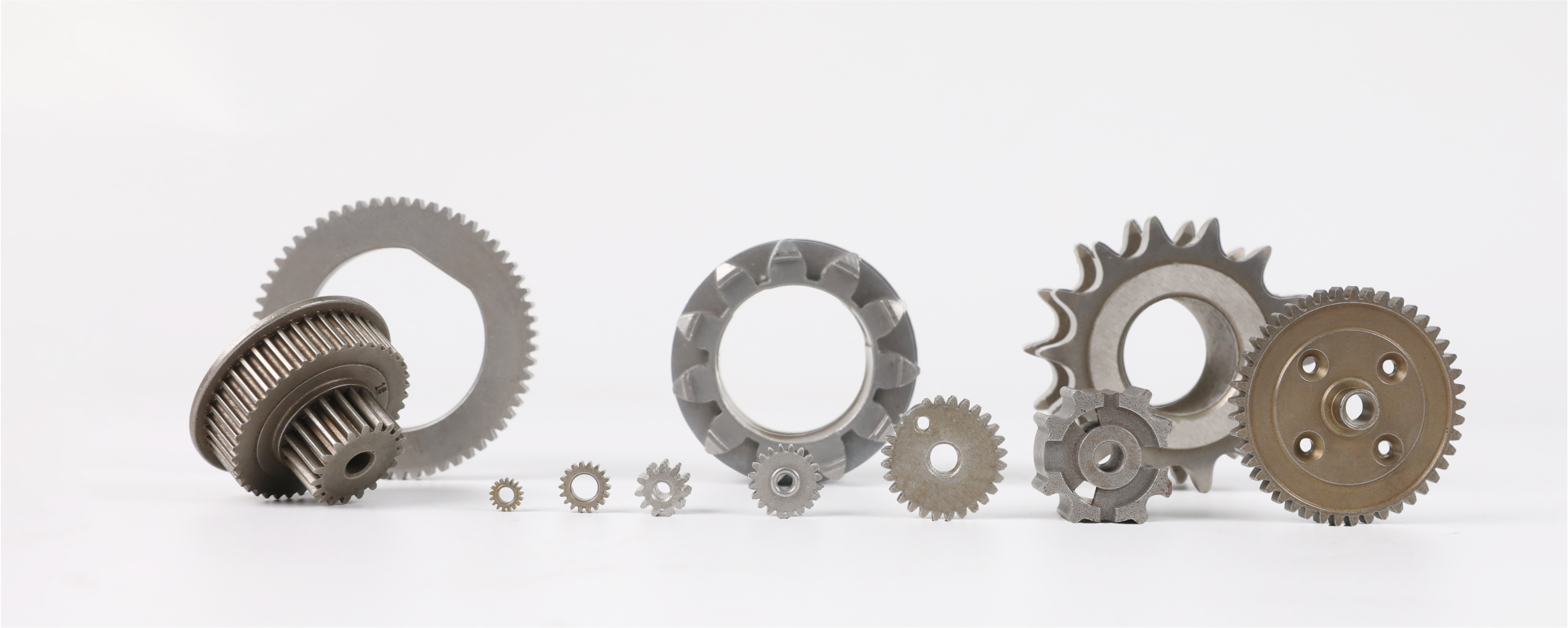
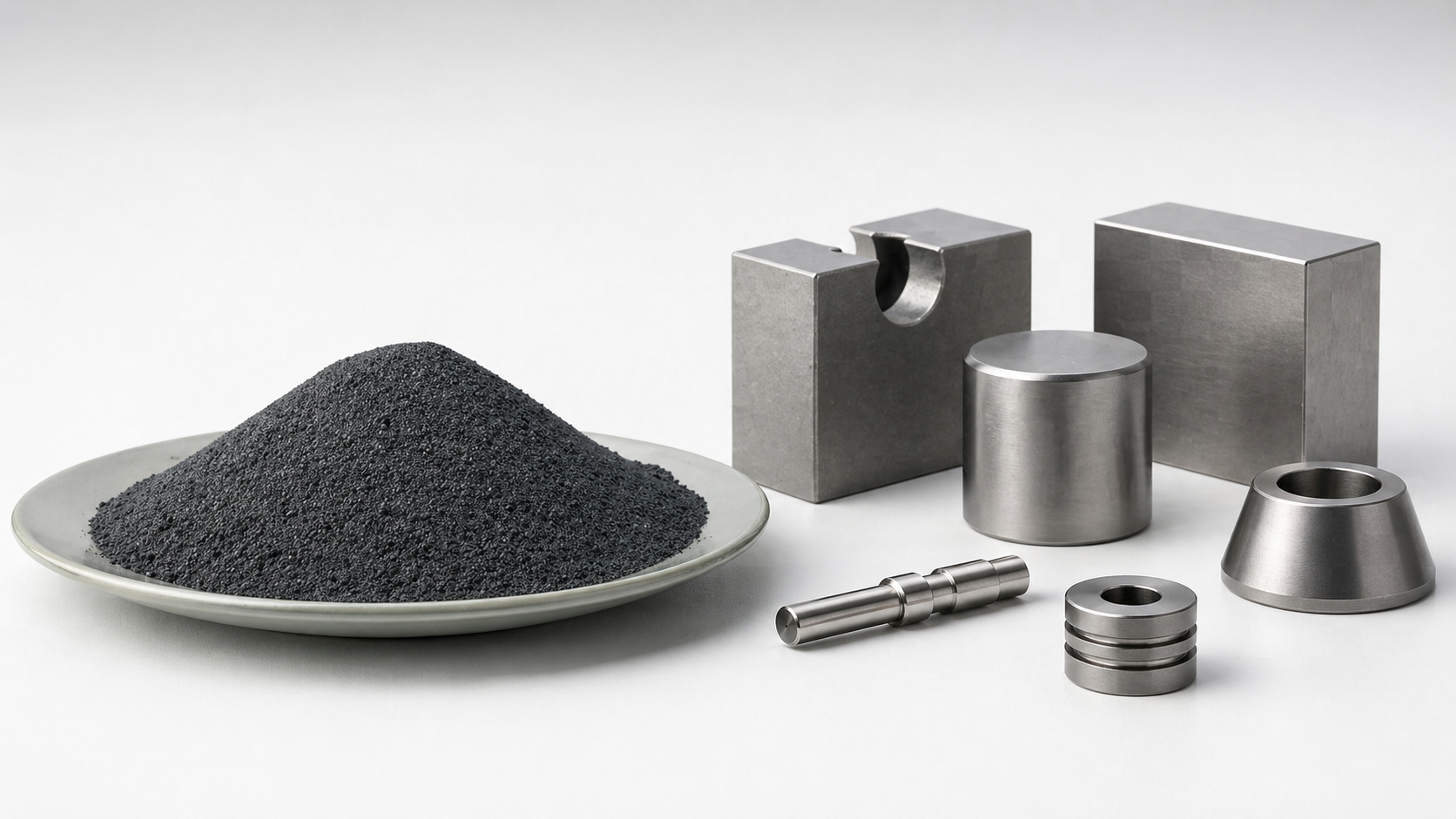
Entrambe le tecnologie vengono utilizzate per produrre componenti di piccole dimensioni, caratterizzati da una struttura o un design più complessi, per i quali non è quindi possibile utilizzare tecnologie industriali tradizionali come la forgiatura. Esistono persino componenti che richiedono entrambe le tecnologie, la microfusione e il MIM, per essere prodotti correttamente.
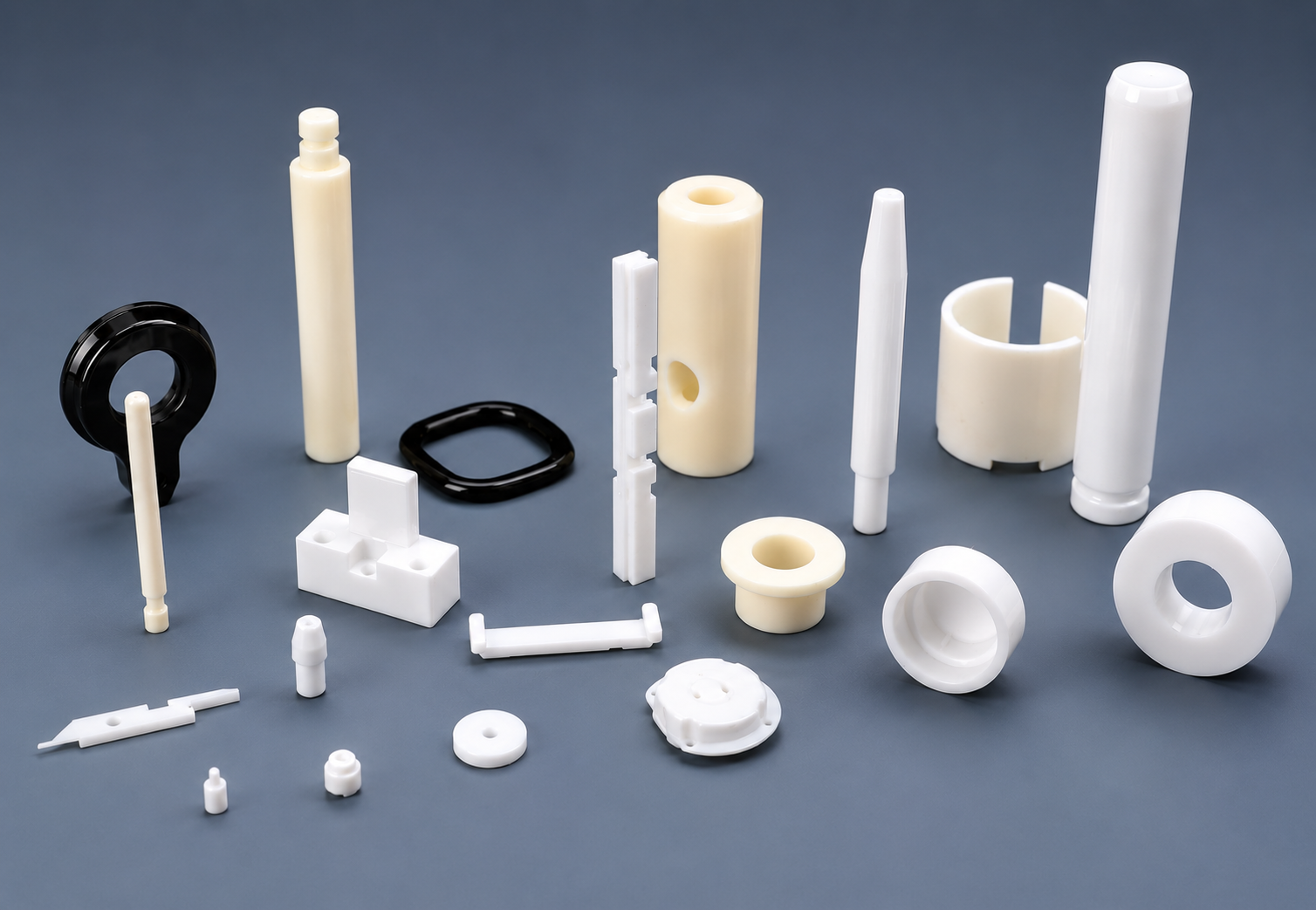
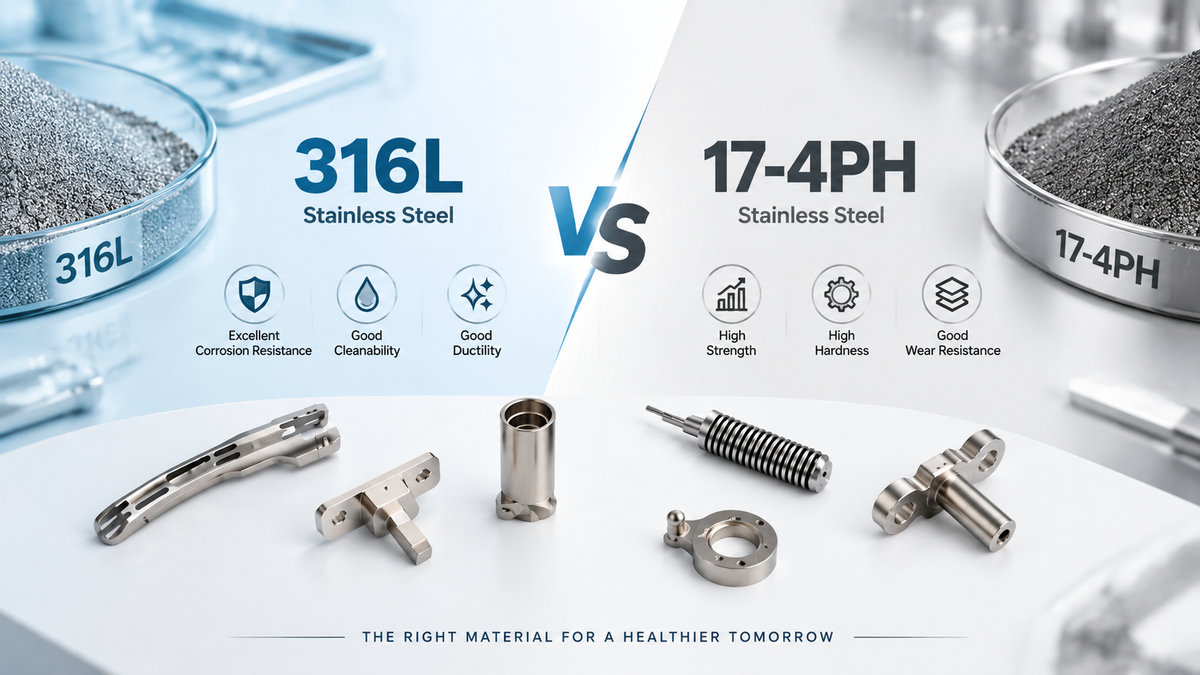
Una delle principali differenze tra la microfusione e il MIM riguarda i materiali ai quali possono essere applicati. In generale, il processo di microfusione consente di utilizzare una maggiore varietà di materiali, poiché il processo MIM può essere eseguito solo con leghe caratterizzate da una temperatura di fusione più elevata. Materiali come l’alluminio, ad esempio, non sono compatibili in modo efficiente con il MIM.
Condividi:
Come utilizzare il MIM nella produzione di componenti metallici
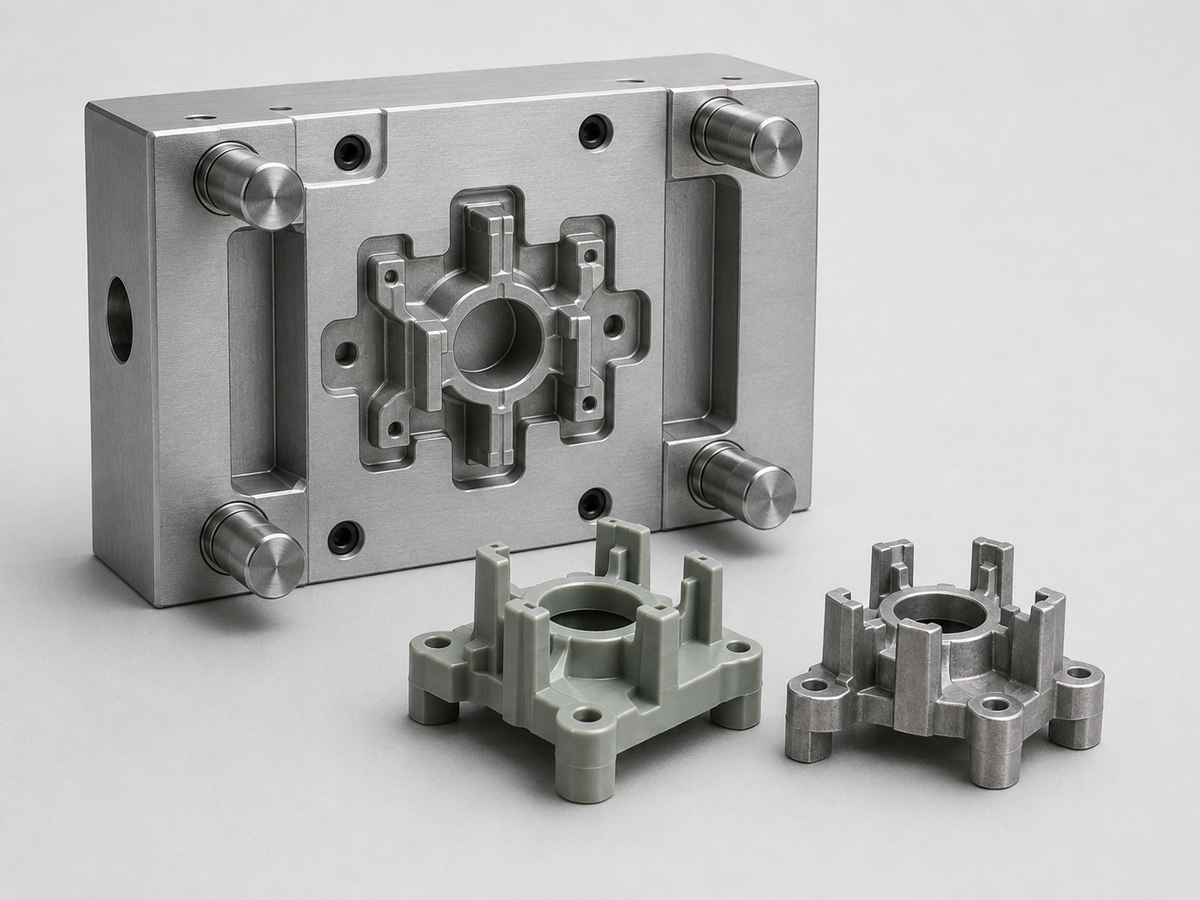
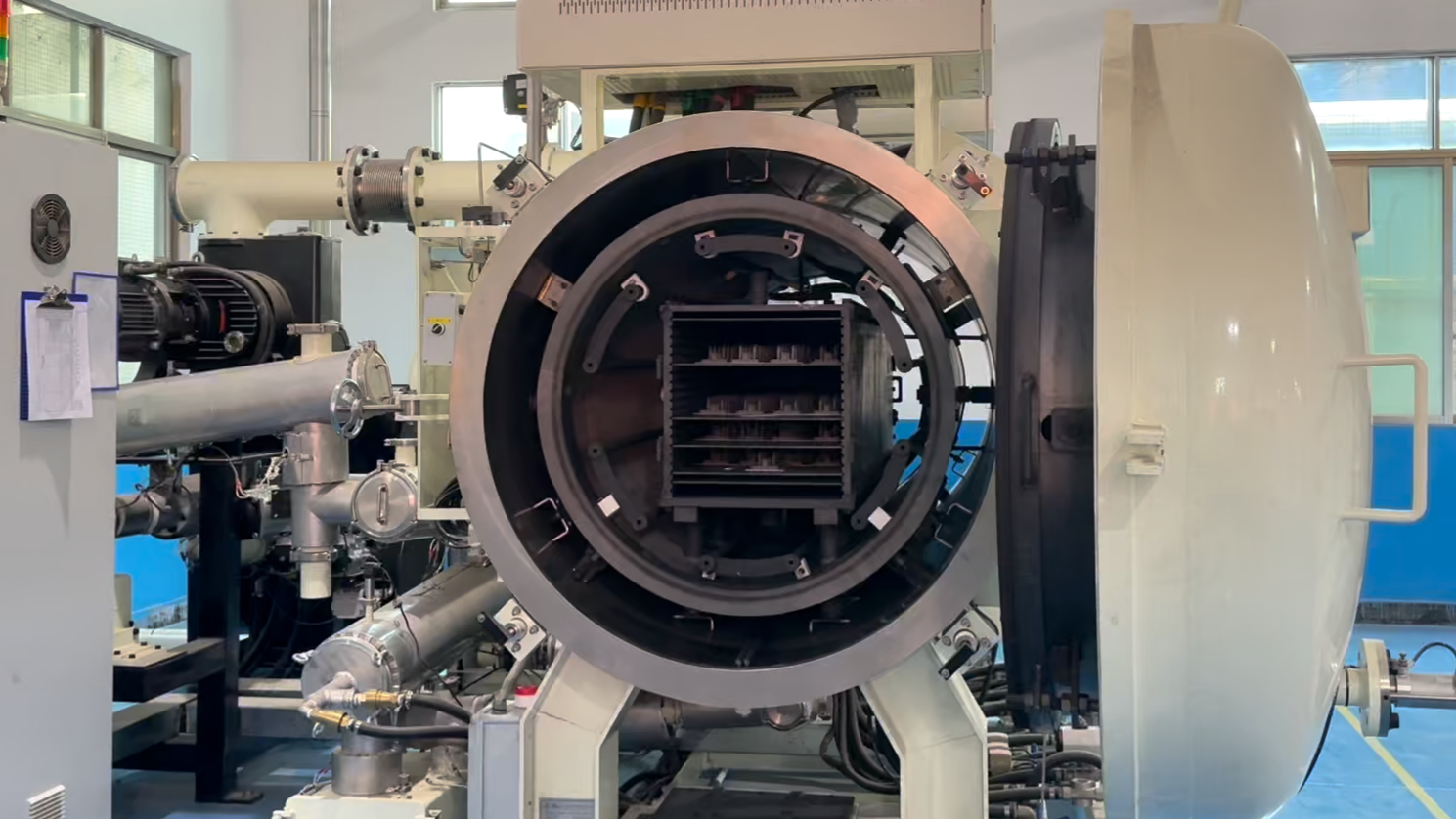
Sinterizzazione e processo di stampaggio a iniezione dei metalli