

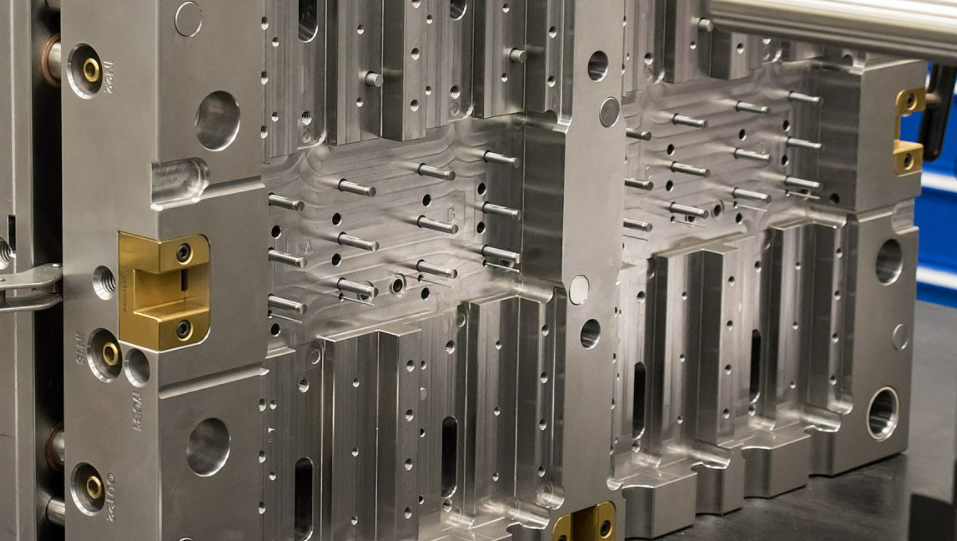
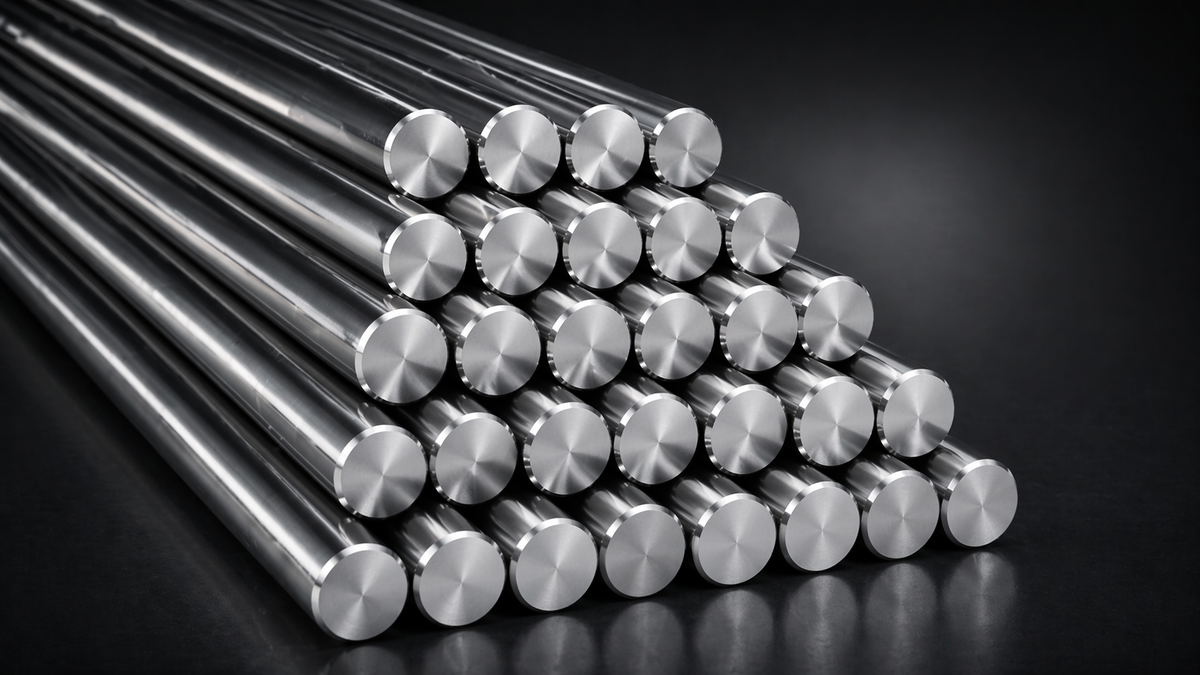
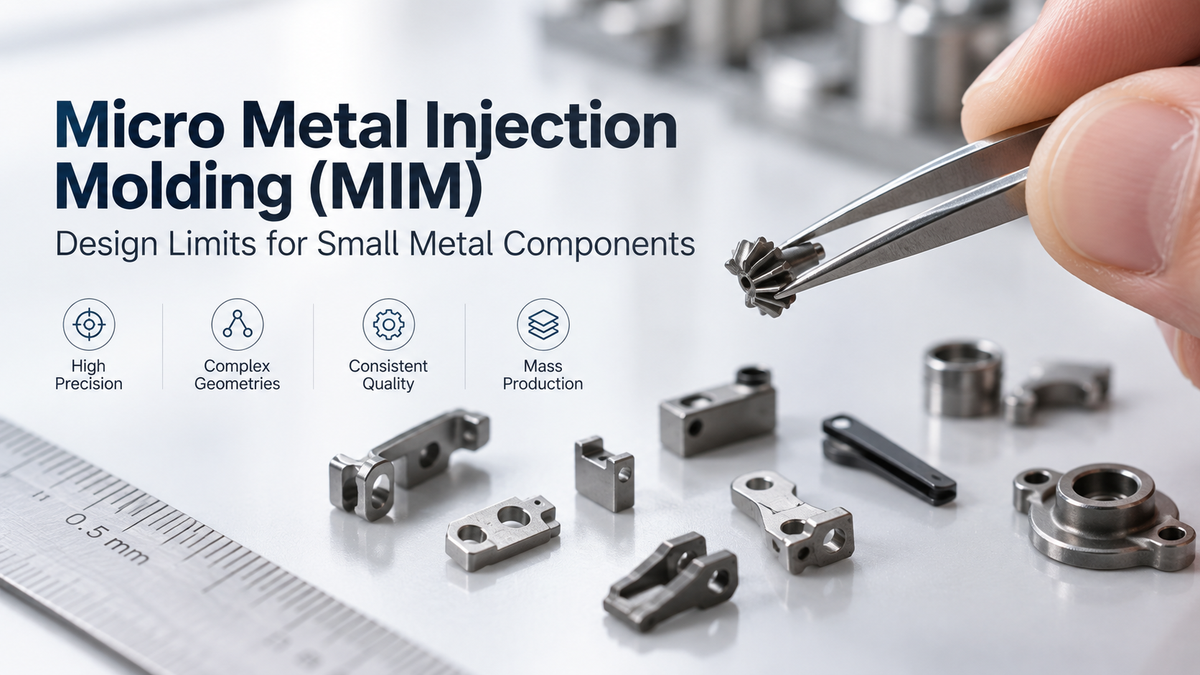
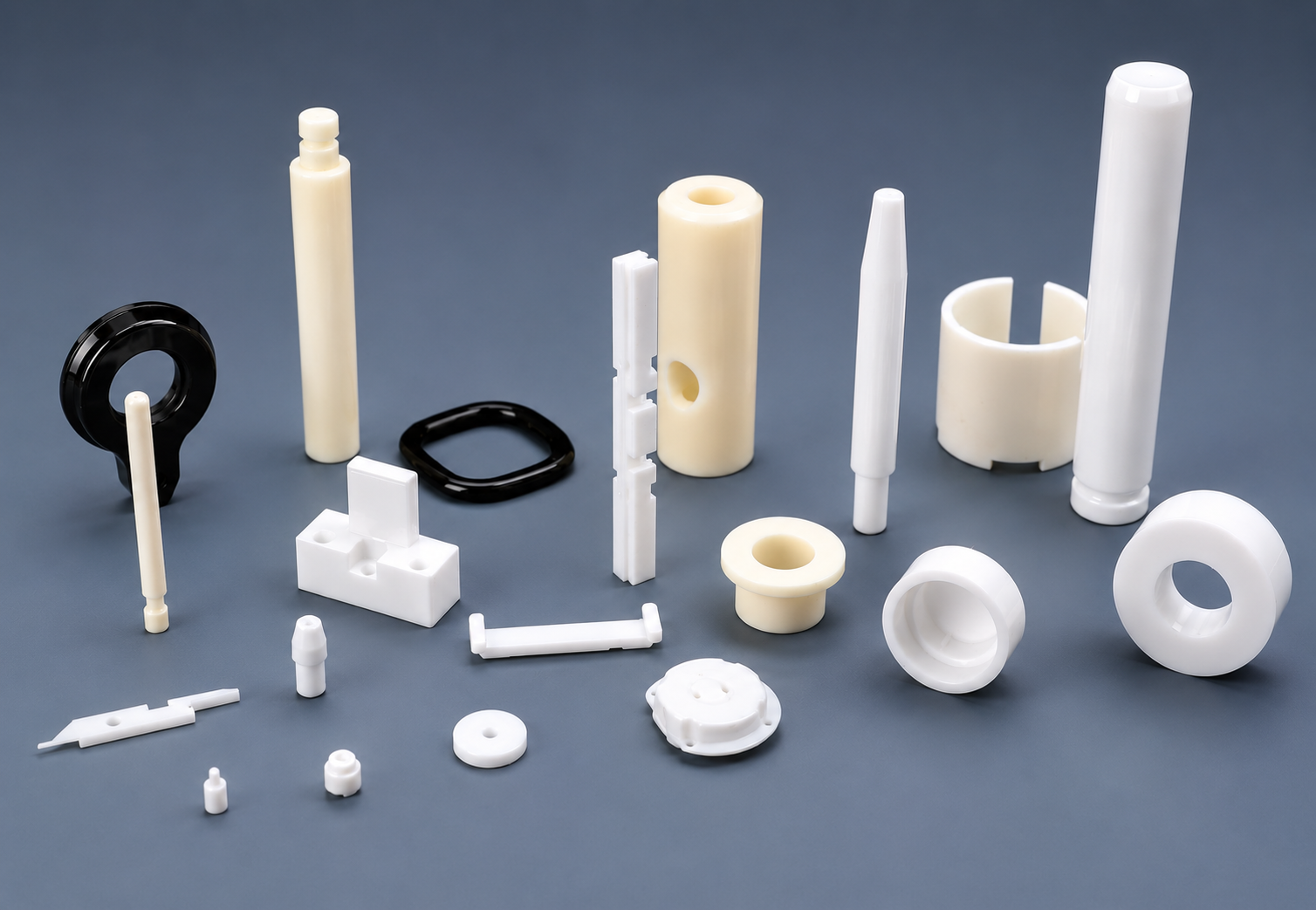
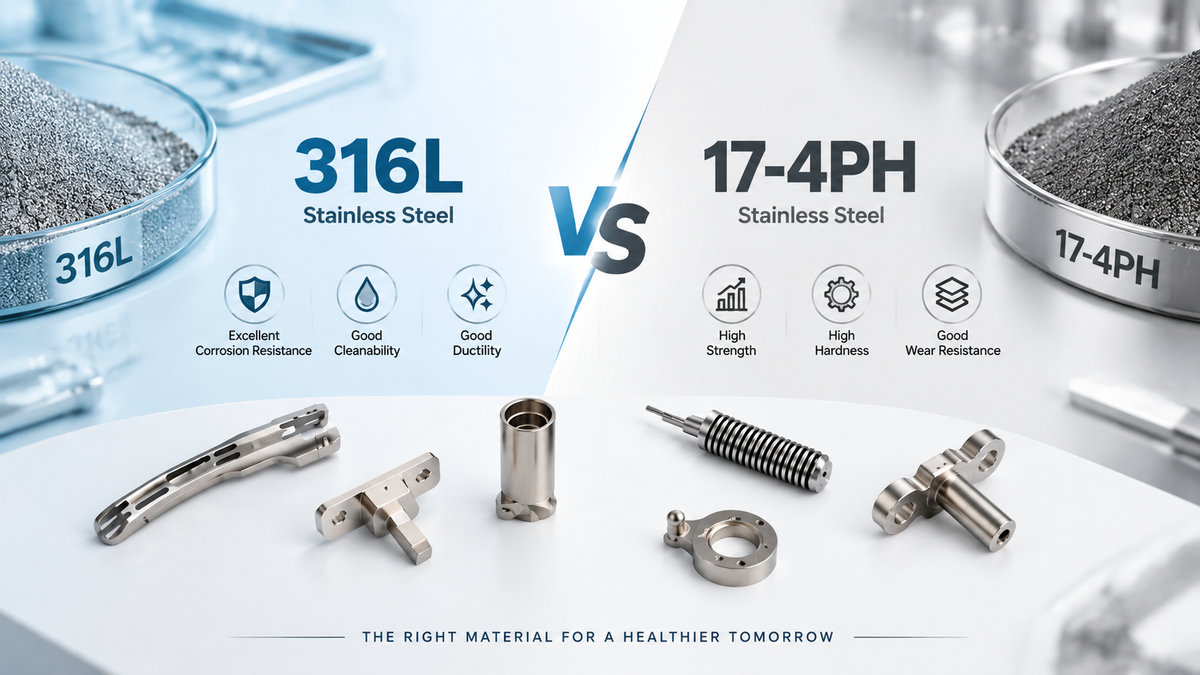
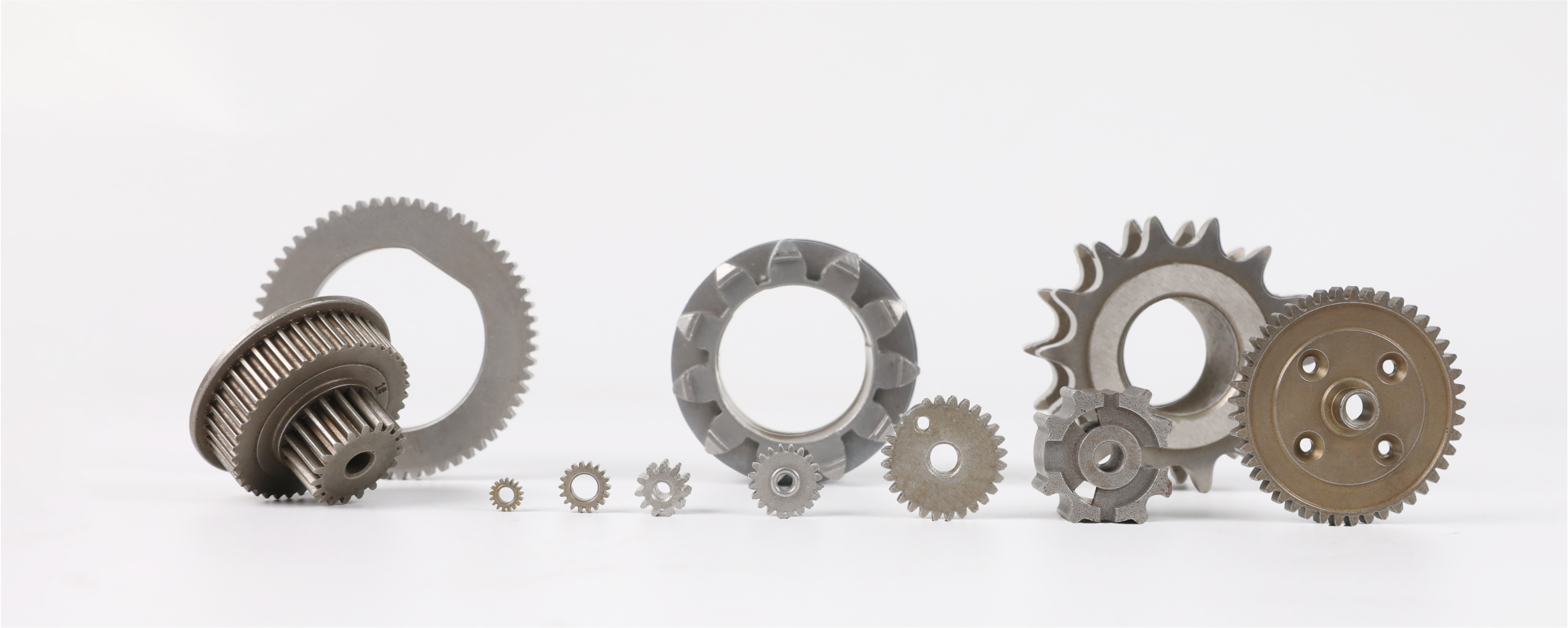
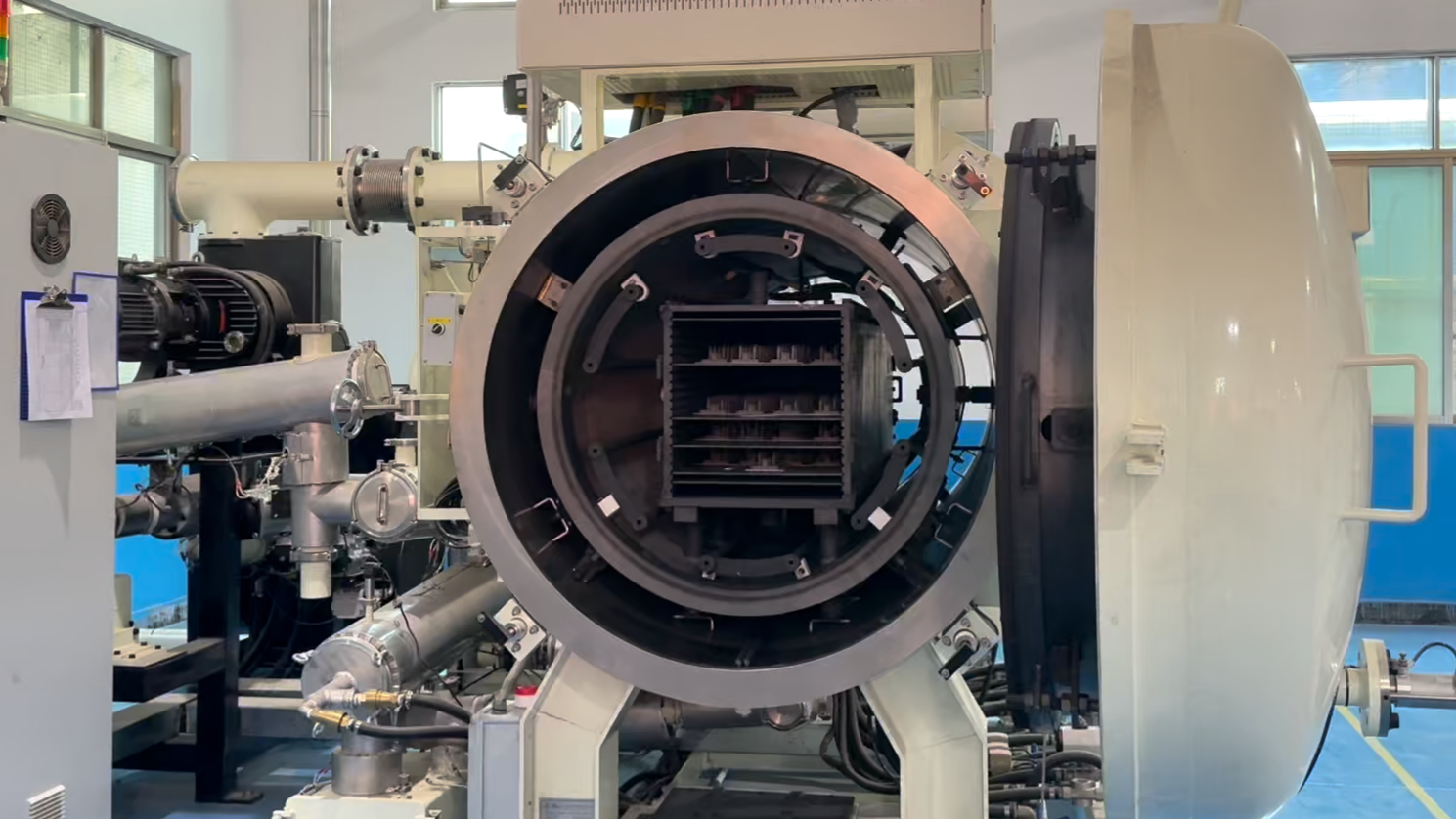
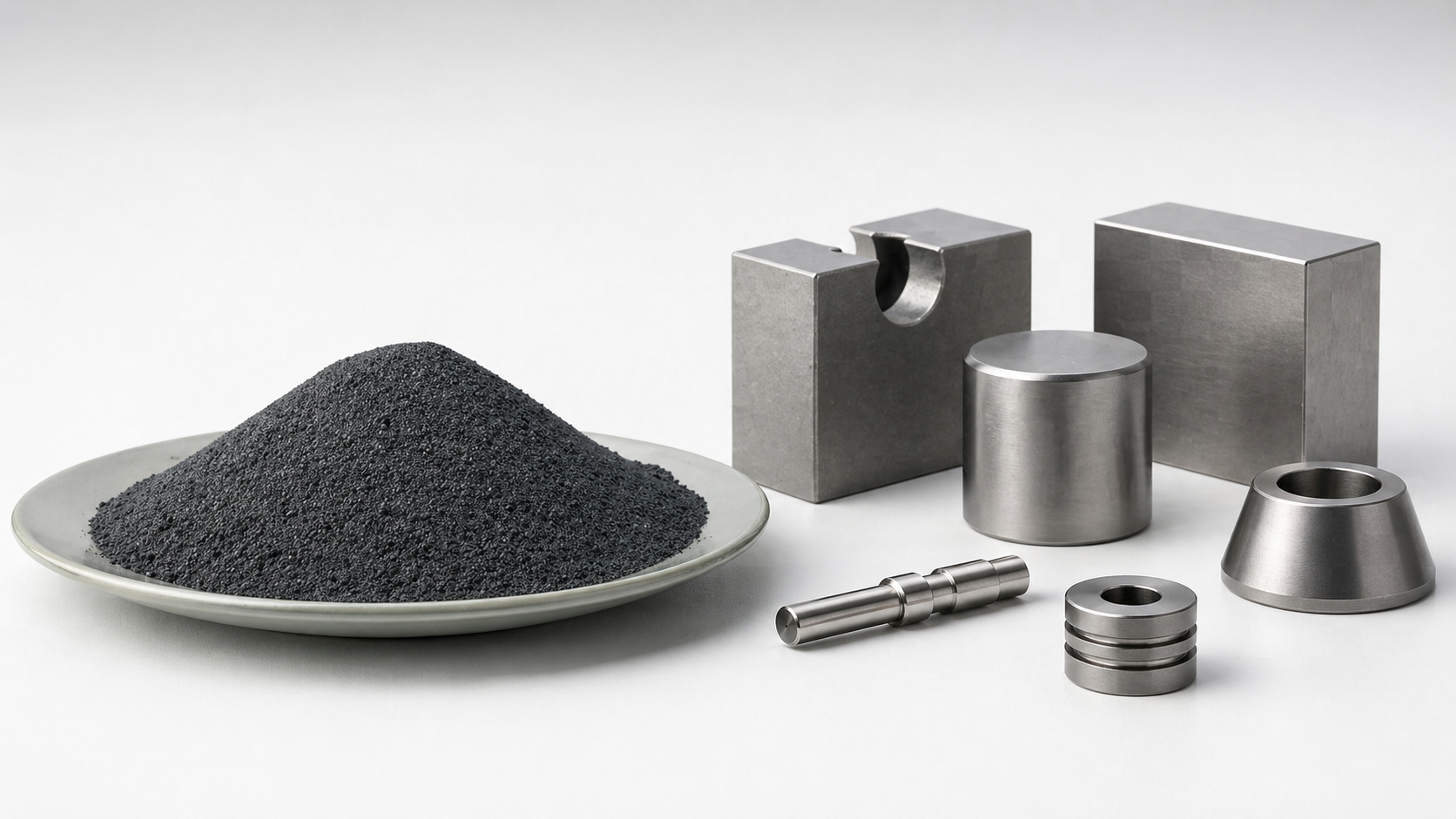
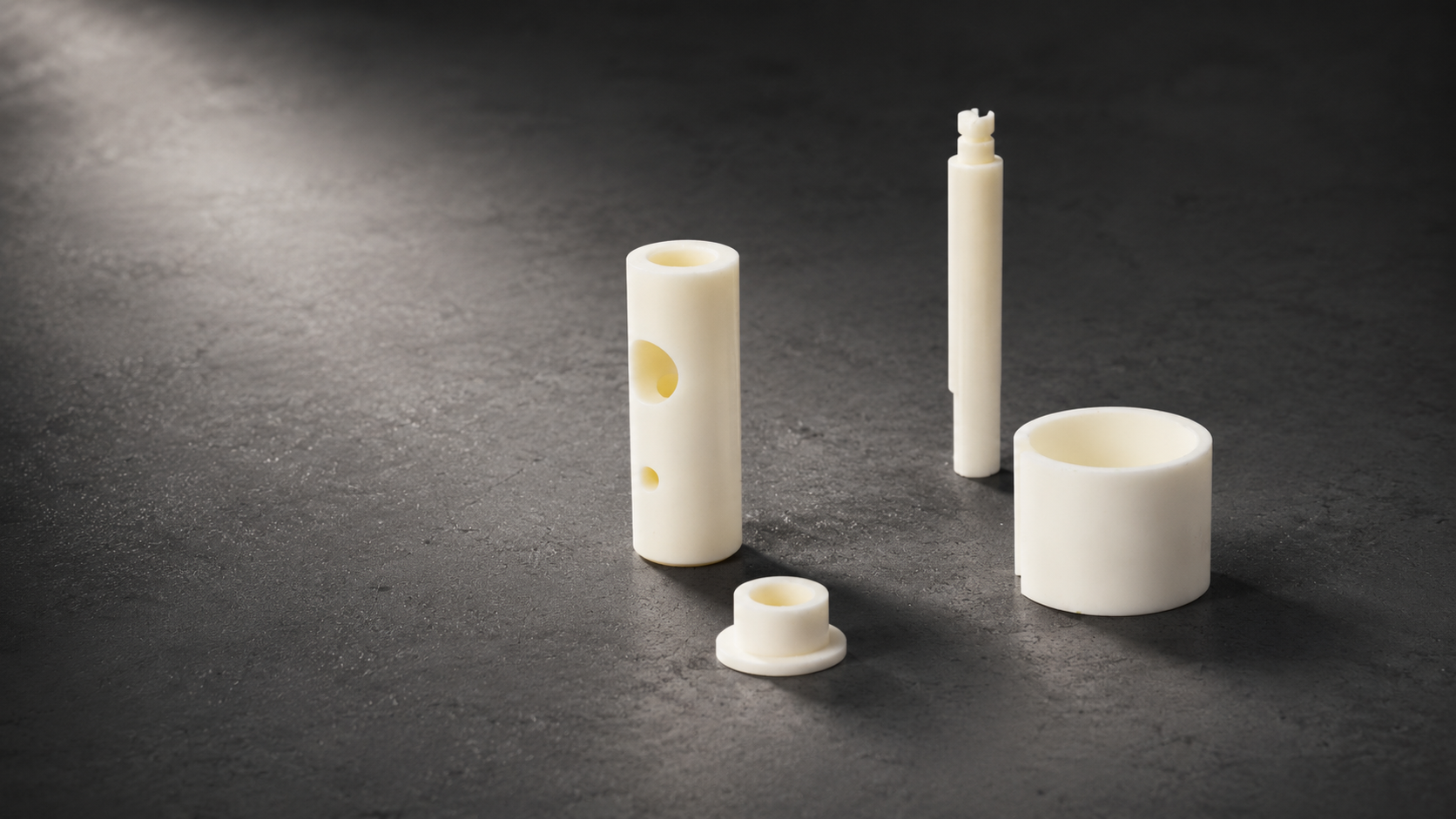
Il MIM produce un'ampia gamma di componenti complessi e ad alte prestazioni che richiedono poche o nessuna lavorazione meccanica. Grazie all'elevata densità finale, i prodotti MIM presentano proprietà equivalenti a quelle ottenute con altri processi di fabbricazione. La flessibilità dei materiali è eccezionale: le stesse apparecchiature possono essere utilizzate per produrre metalli (acciai, acciai inossidabili, compositi di tungsteno, titanio), ceramiche (in particolare allumina e zirconia, ma anche alcuni materiali in nitruro di silicio) e cermet (carburo di tungsteno e altri materiali antiusura).
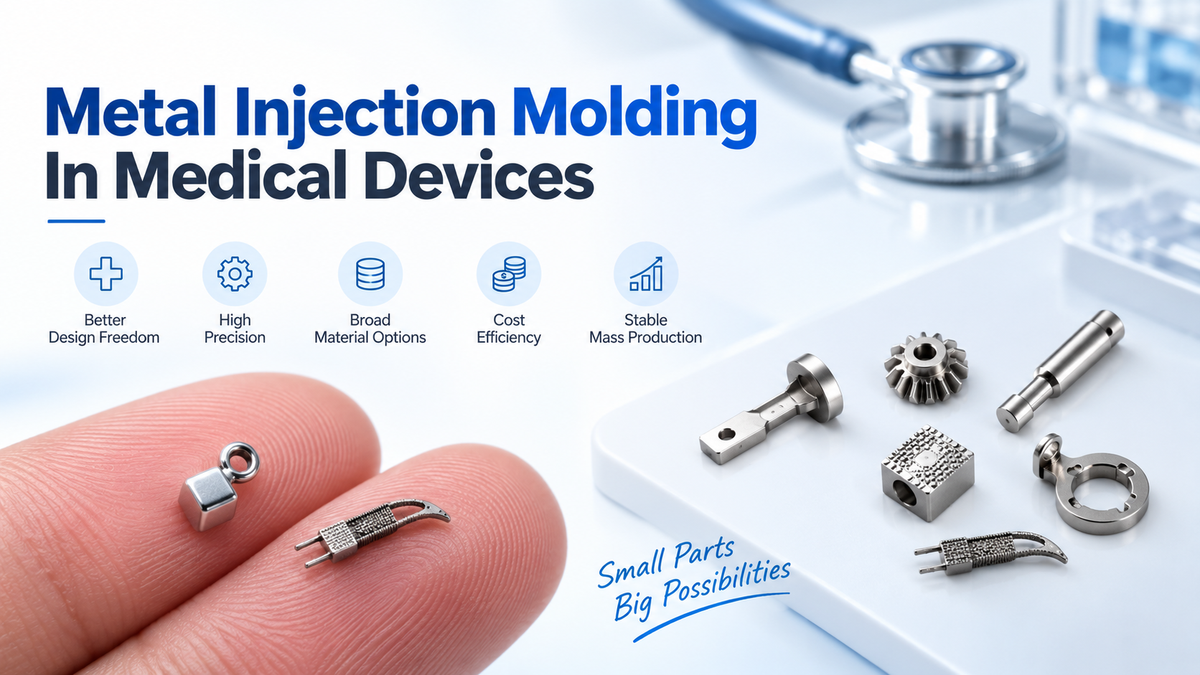
Tra i vantaggi secondari figurano l'elevata produttività delle apparecchiature, l'elevato utilizzo del materiale, una buona finitura superficiale e buone tolleranze. Ad esempio, è possibile realizzare sia filettature interne sia esterne direttamente nel componente stampato, evitando così la lavorazione meccanica. Inoltre, zigrinature, motivi a nido d'ape, numeri identificativi del pezzo ed emblemi possono essere stampati direttamente nel componente. È mostrato un esempio in cui le zigrinature per la presa sono stampate direttamente nel componente. Sono possibili pori controllati e persino pori o fasi stratificati, per offrire funzionalità personalizzate.

Il MIM consente di produrre grandi quantità. Alcuni componenti vengono prodotti a ritmi superiori a 200.000 unità al giorno. D'altra parte, sono possibili anche piccole serie, con appena 5.000 pezzi all'anno. Tuttavia, come per tutte le tecnologie, l'aspetto fondamentale è l'economia del processo.
Il MIM è economicamente vantaggioso per le forme complesse rispetto a opzioni quali lavorazione meccanica, fusione o forgiatura. Questo vantaggio deriva dall'eliminazione delle fasi di produzione. Inoltre, il processo comporta una minima perdita di materiale, un aspetto particolarmente importante per materie prime costose come metalli refrattari, titanio e superleghe.
Il MIM ha acquisito grande credibilità e ottenuto un'ampia accettazione industriale.
Condividi:
I vantaggi del MIM per la fabbricazione di metalli personalizzata
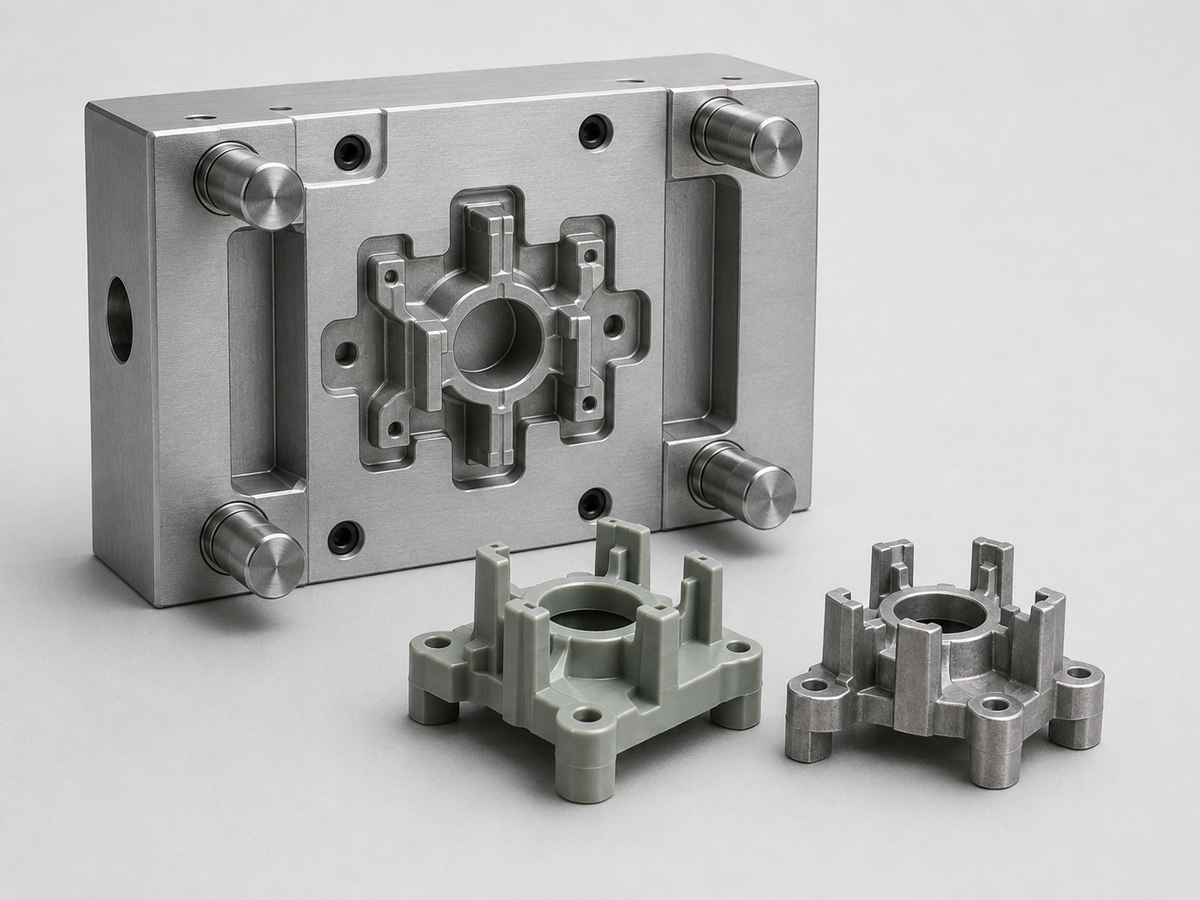
Progettazione degli utensili MIM