

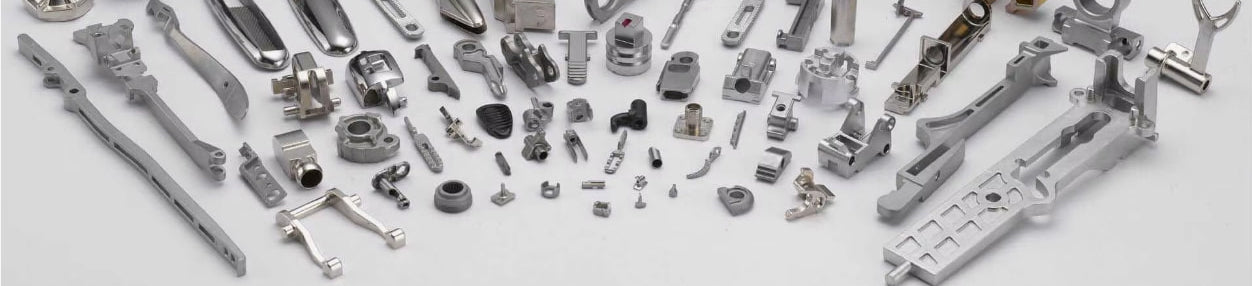
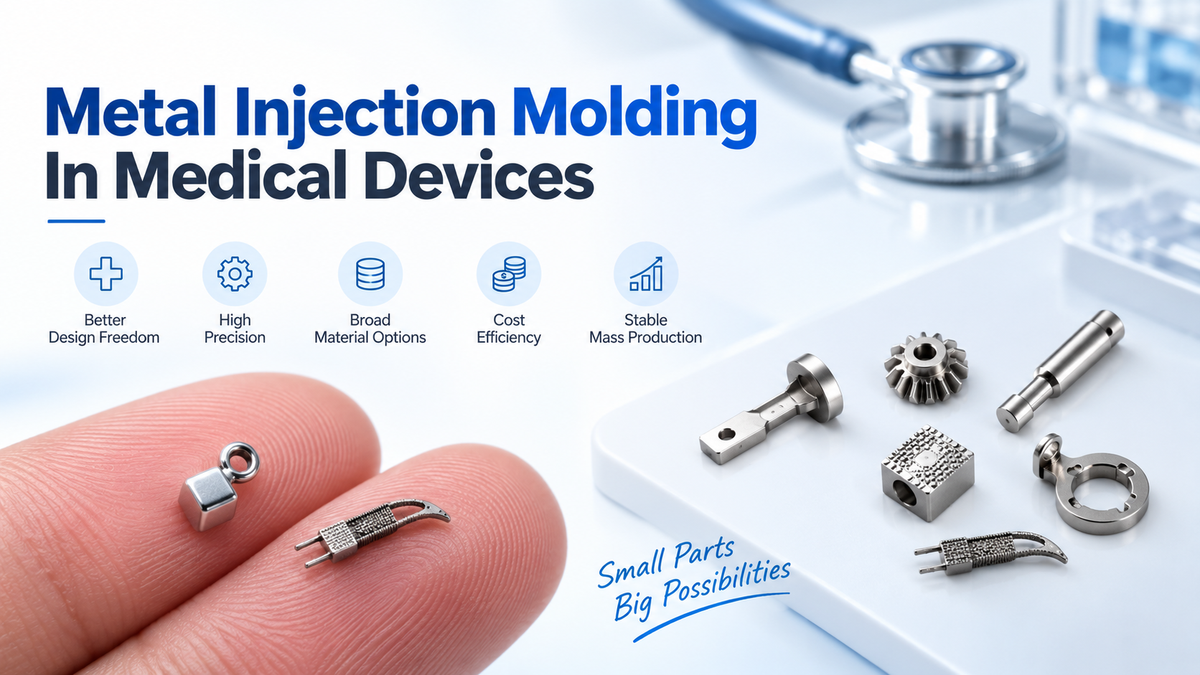
Sebbene il MIM sia definito la quinta generazione della tecnologia di formatura dei metalli, non tutti i componenti metallici sono adatti al MIM o hanno un valore economico se prodotti con il MIM. Solo i componenti metallici di piccole dimensioni, precisi, con forme geometriche tridimensionali complesse e requisiti speciali, prodotti in grandi quantità, sono adatti al MIM e hanno un valore economico.


| Caratteristiche | Minimo | Tipico | Massimo |
| Peso del componente (g) | 0.03 | 10~15 | 300 |
| Dimensioni (mm) | 2 | 25 | 150 |
| Spessore della parete (mm) | 0.025 | 1~3 | 15 |
| Tolleranza | 0.20% | 0.50% | 1% |
| Quantità di produzione (all'anno) | 1000 | 100,000 | 1,000,000,000 |
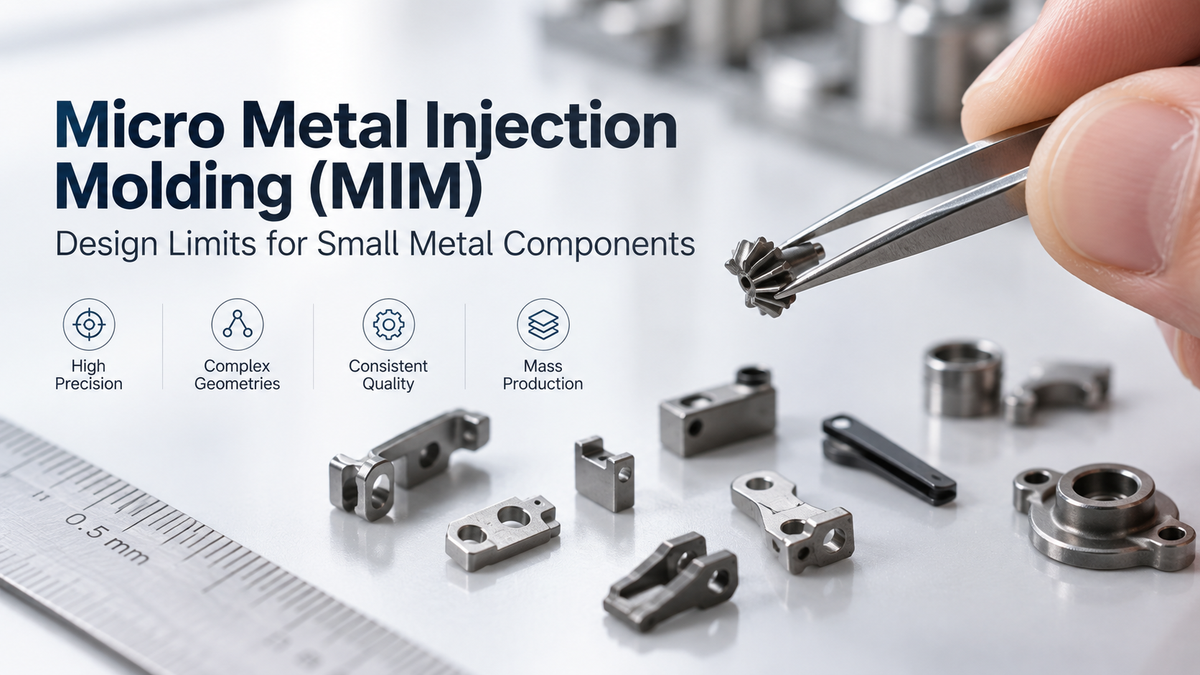
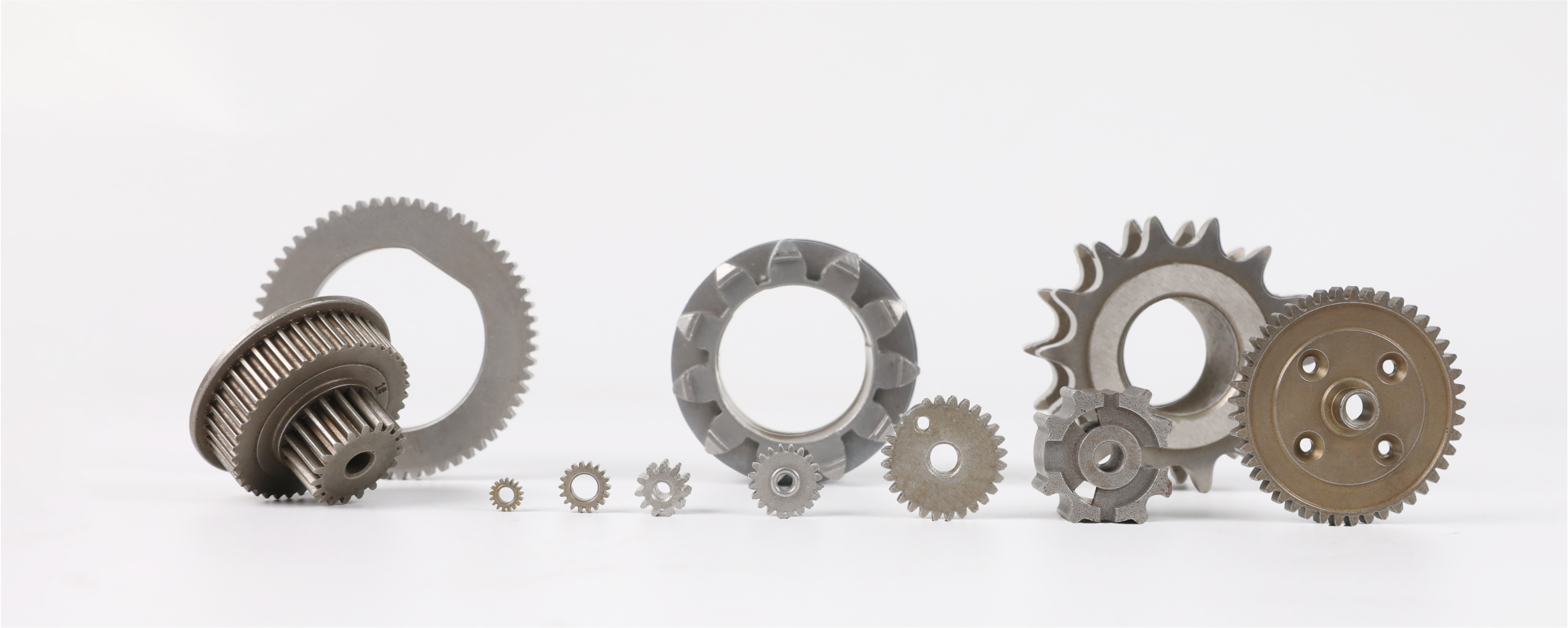
Più adatto per componenti metallici di peso ridotto. Il peso più comune dei componenti MIM è generalmente di circa 10~15 g; al di sotto di 50 g è la soluzione più economica, mentre il peso massimo non supera i 300 g.
Dimensioni Il MIM è più adatto per piccoli componenti metallici. La dimensione più comune dei componenti MIM è di circa 25 mm, mentre la dimensione massima non supera i 150 mm.
Perché il processo MIM non è adatto ai componenti di grandi dimensioni? Principalmente perché la tolleranza dei componenti MIM è generalmente pari allo 0,3%~0,5% della dimensione. Se la dimensione è eccessiva, la tolleranza del componente aumenta. Se la tolleranza è troppo elevata, potrebbe non soddisfare i requisiti di progettazione oppure potrebbe essere necessaria una lavorazione secondaria aggiuntiva, come la lavorazione meccanica, con conseguente aumento dei costi. Spessore Lo spessore tipico dei componenti MIM è di 1,0~3,0 mm.
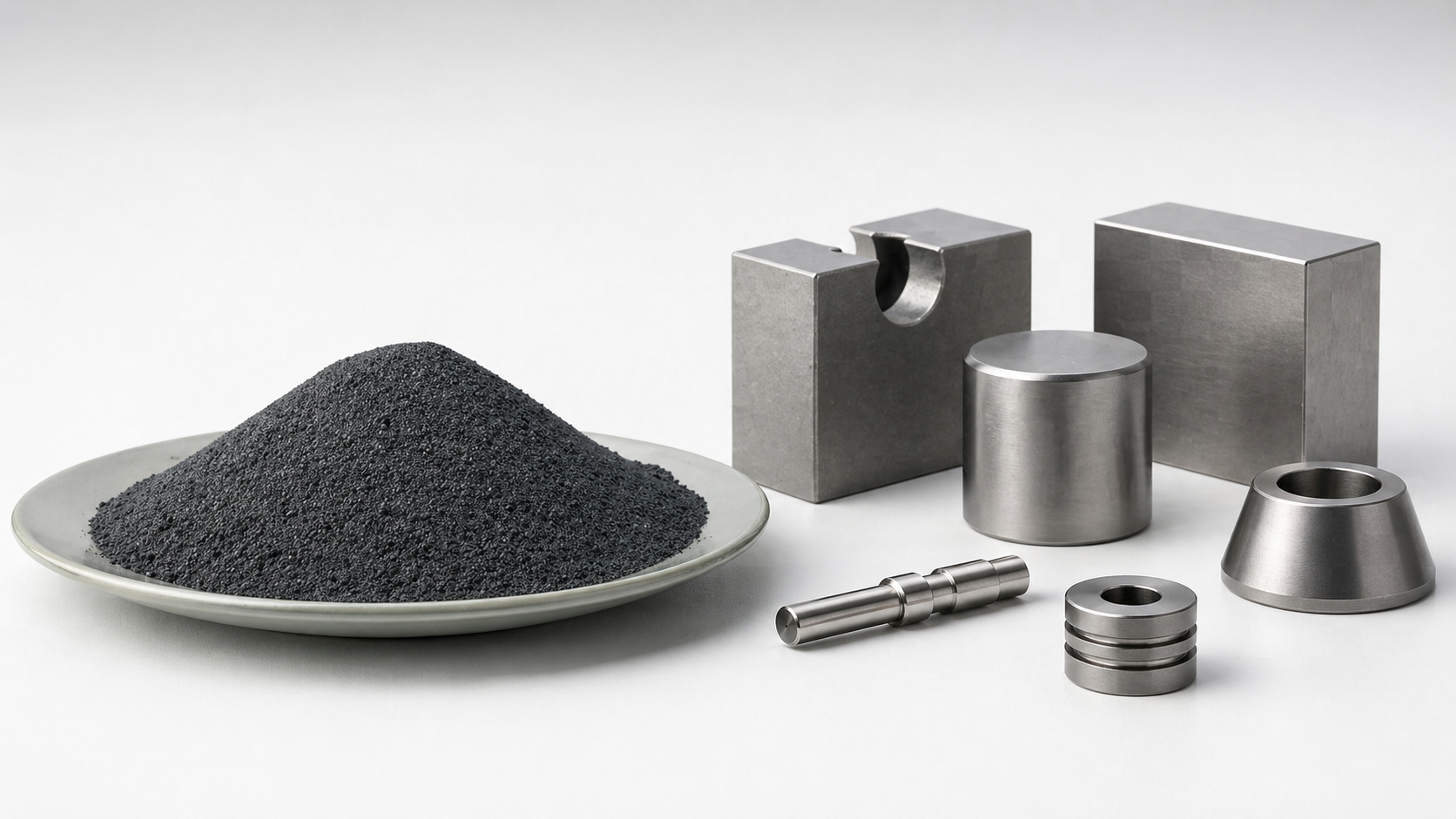
Presenta forme geometriche tridimensionali complesse, come scanalature esterne, filettature esterne, superfici esterne coniche, fori trasversali, fori ciechi, piattaforme concave, perni di riferimento, nervature di rinforzo, zigrinature superficiali, ecc. Se la forma è semplice, può essere più conveniente utilizzare processi come lo stampaggio della lamiera, la forgiatura e la formatura delle polveri.
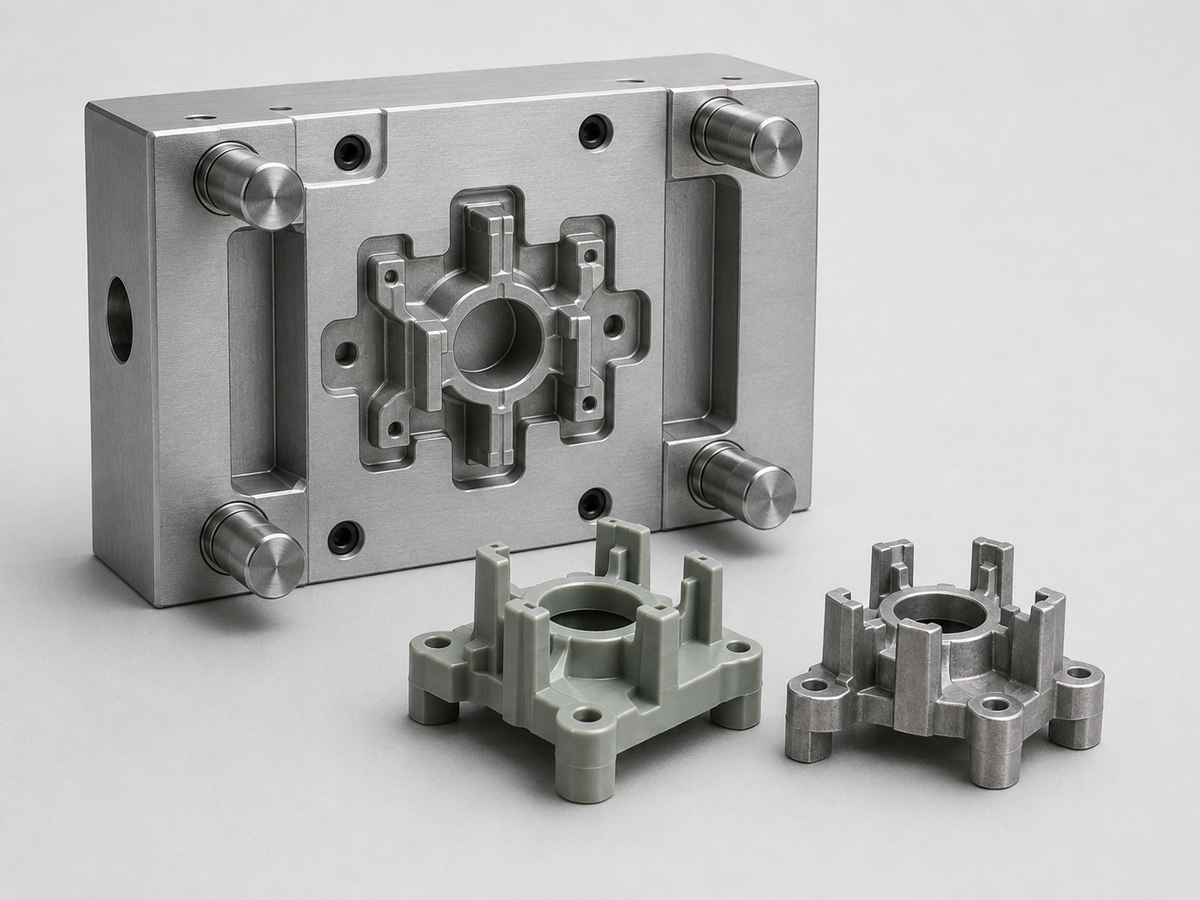
Deve essere realizzato mediante stampi, e gli stampi hanno dei costi; pertanto, il processo MIM richiede che i componenti metallici abbiano un valore economico a partire da una determinata quantità di produzione. In generale, il requisito di produzione annua adatto al processo MIM è superiore a 100.000 pezzi.
Scegli noi: possiamo offrirti servizi di personalizzazione per piccoli lotti, inviarti campioni gratuiti, garantirti una garanzia a vita e mettere a tua disposizione ingegneri professionisti online in qualsiasi momento per fornirti assistenza tecnica gratuita.
Condividi:
Vantaggi dello stampaggio a iniezione dei metalli (MIM)
Stampaggio a iniezione di polveri metalliche MIM: applicazione nell'elettronica 3C