

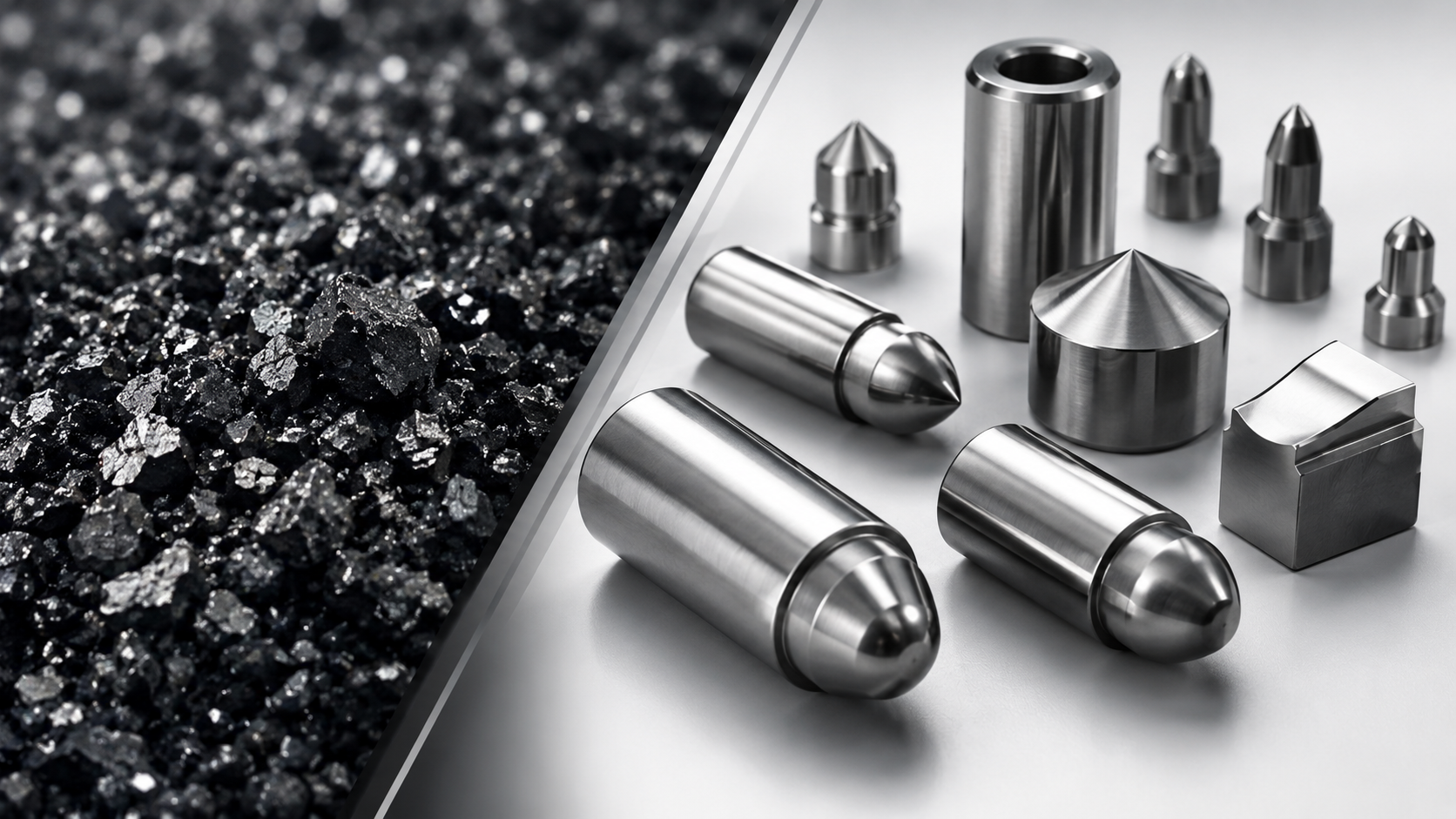
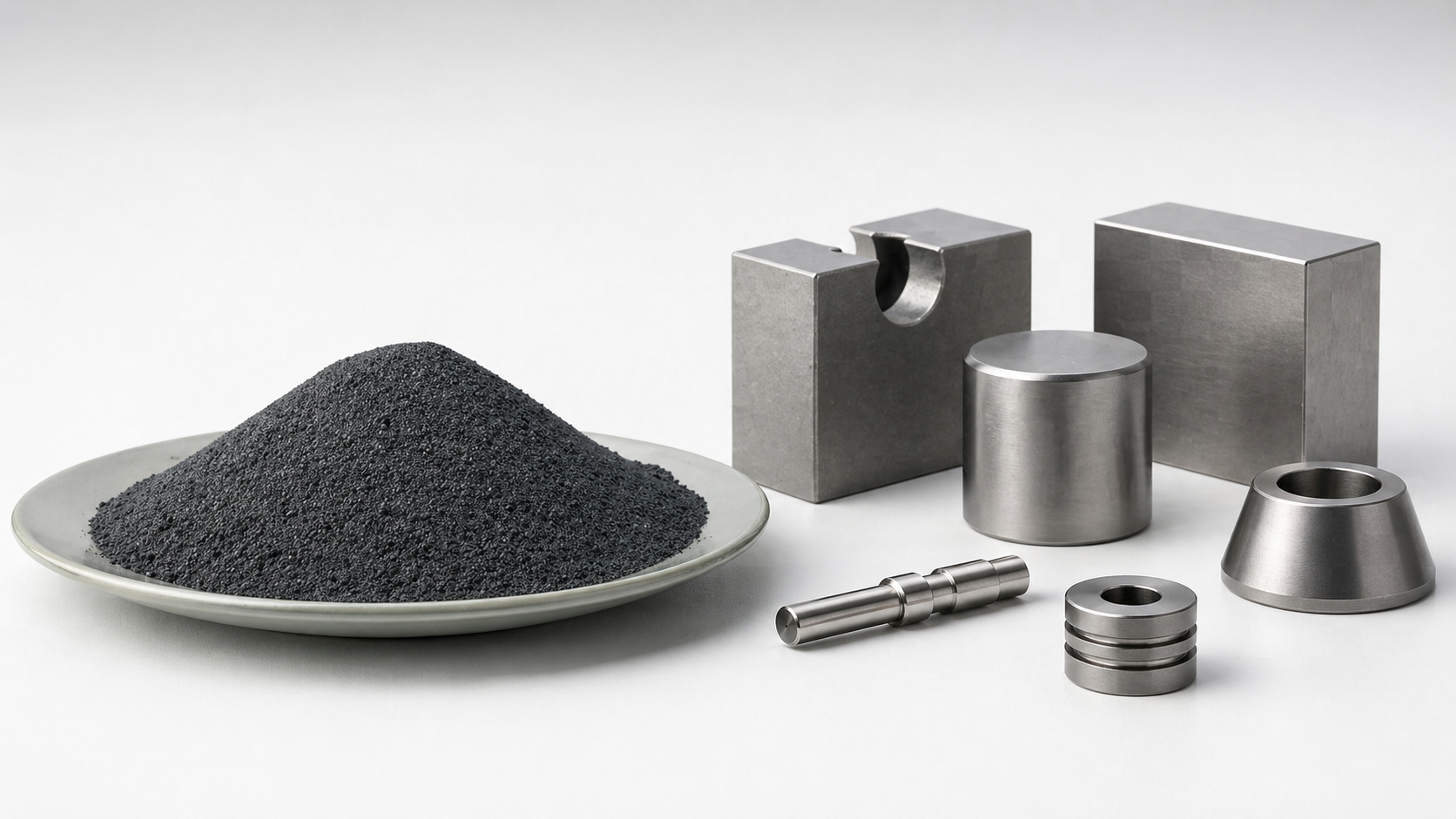
С тех пор как вольфрам был впервые открыт Карлом Вильгельмом Шееле в 1781 году, он проложил путь для создания идеального промышленного сплава: карбида вольфрама. Карбид вольфрама, также известный как WC, представляет собой твердое соединение, изготовленное из вольфрама и углерода. Благодаря сверхтвердости, прочности (примерно в два раза превышающей плотность стали), высокой износостойкости и коррозионной стойкости, карбид вольфрама широко используется в режущих инструментах, лезвиях, штампах, соплах, втулках и других износостойких деталях, подвергающихся абразивному воздействию или сильному контакту.
В большинстве промышленных применений карбид вольфрама изготавливается методом порошковой металлургии, а не литьем. Порошок карбида вольфрама формуется и спекается в плотные твердосплавные детали, в результате чего получается спеченный карбид вольфрама с высокой твердостью, износостойкостью и длительным сроком службы. В этом блоге мы более подробно обсудим спекание карбида вольфрама, включая процесс, свойства, области применения и услуги по индивидуальному заказу, которые мы поддерживаем.

Как работает процесс спекания карбида вольфрама
Процесс спекания карбида вольфрама начинается с подготовки порошка. Порошок карбида вольфрама обычно смешивается со связующим металлом, таким как кобальт или никель. Связующее вещество помогает частицам порошка склеиваться во время спекания, а также влияет на окончательный баланс между твердостью и ударной вязкостью.
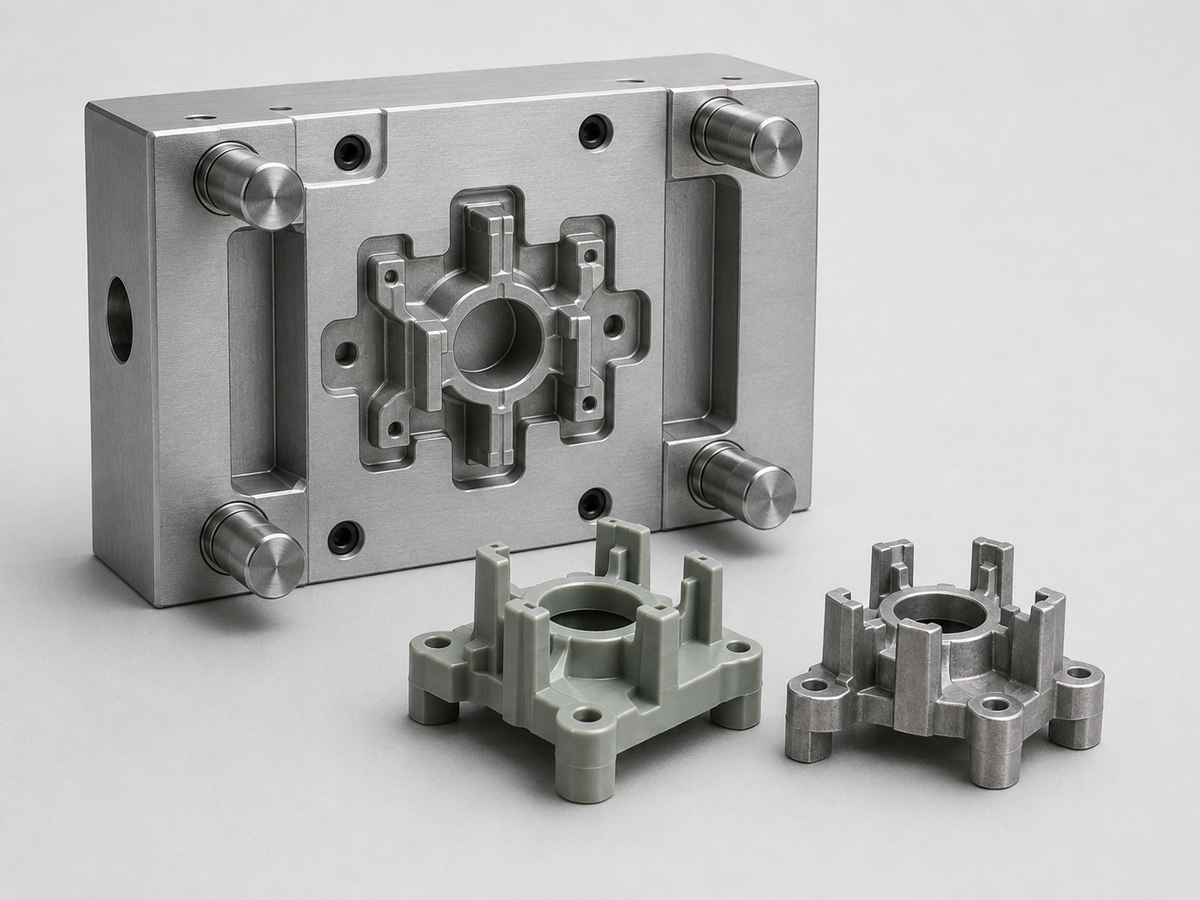
После смешивания порошка материал формуется в деталь с почти окончательными размерами. В зависимости от конструкции детали и метода производства, это может включать прессование, литье под давлением или другой процесс формования порошковой металлургии. На этом этапе деталь имеет базовую форму, но она все еще хрупка и не полностью плотна.
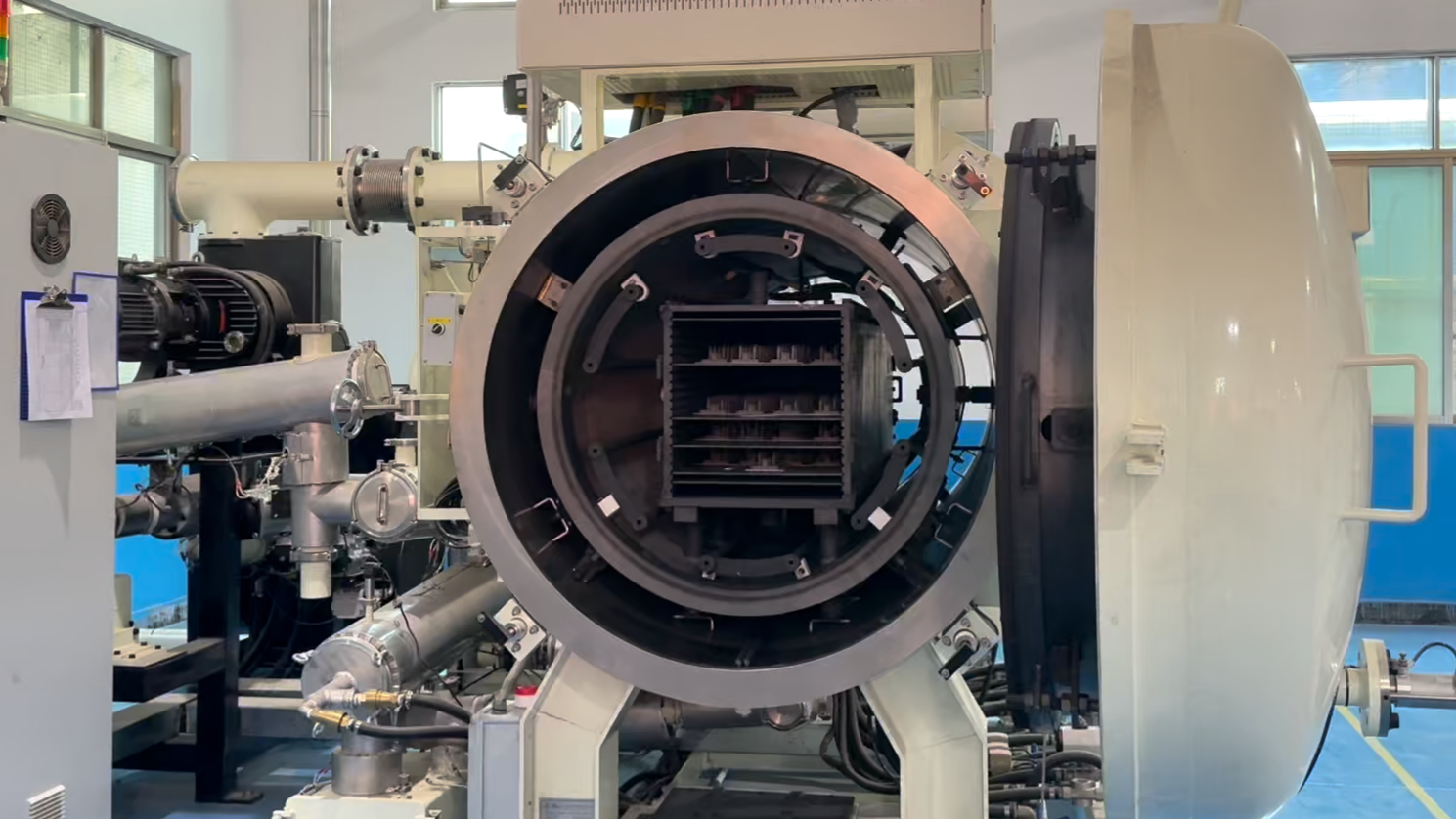
Перед окончательным спеканием временное связующее или формовочные добавки должны быть тщательно удалены. Этот шаг важен, потому что плохое удаление связующего может вызвать поры, трещины или внутренние дефекты. После завершения удаления связующего деталь нагревается в контролируемой печи. Во время спекания уплотненный порошок сжимается, уплотняется и становится твердым, износостойким компонентом из карбида вольфрама.
Проще говоря, процесс можно понять как: Подготовка порошка → формование → удаление связующего → спекание → чистовая обработка и контроль
Это может выглядеть просто, но каждый шаг влияет на конечную деталь. Например, неравномерное смешивание порошка может привести к непостоянной твердости. Плохой контроль усадки может вызвать проблемы с размерами. Неподходящий профиль спекания может повлиять на плотность, рост зерен и износостойкость.

Основные свойства спеченного карбида вольфрама
Спеченный карбид вольфрама в основном выбирается для применений, где обычная сталь, нержавеющая сталь или более мягкие сплавы изнашиваются слишком быстро. Его ценность обусловлена несколькими ключевыми свойствами.
Высокая твердость
Карбид вольфрама известен своей высокой твердостью, поэтому он подходит для деталей, которые должны противостоять абразивному износу, скользящему контакту или повторяющемуся трению. Типичные примеры включают пуансоны, матрицы, сопла, направляющие детали и износостойкие вставки.
Однако одной твердости недостаточно. Деталь, которая очень тверда, но слишком хрупка, может выйти из строя при ударе или вибрации. Вот почему содержание связующего и размер зерна должны быть выбраны в соответствии с реальными условиями работы.
Высокая износостойкость
Износостойкость является одной из главных причин выбора спеченного карбида вольфрама. В абразивных средах он может обеспечить гораздо более длительный срок службы, чем многие обычные металлы. Это особенно полезно для деталей, подвергающихся воздействию порошков, частиц, жидкостей под высоким давлением или повторяющегося контакта металла с металлом.
Для промышленных компонентов, изготовленных на заказ, лучшая износостойкость может снизить частоту замены, время обслуживания и незапланированные простои машин.
Хорошая ударная вязкость для твердосплавных применений
Хотя карбид вольфрама очень тверд, для многих практических применений ему также требуется достаточная ударная вязкость. Ударная вязкость часто регулируется содержанием связующего и размером зерна карбида. Более высокое содержание связующего может улучшить ударопрочность, в то время как более низкое содержание связующего может улучшить твердость и износостойкость.
Правильный выбор зависит от назначения детали. Режущая кромка, износостойкая втулка и ударопрочная инструментальная вставка могут требовать различного баланса материалов.
Стабильность размеров
Спеченный карбид вольфрама может обеспечить хорошую стабильность размеров, но процесс должен тщательно контролироваться. Во время спекания деталь значительно сжимается. Эту усадку необходимо учитывать при проектировании оснастки, проектировании заготовки и окончательном припуске на обработку.
Для прецизионных компонентов критические размеры могут по-прежнему требовать шлифовки, электроэрозионной обработки, полировки или других процессов финишной обработки после спекания.

Факторы, влияющие на конечную производительность
Производительность спеченного карбида вольфрама не определяется одним фактором. Это результат выбора материала, контроля процесса и качества отделки.
Содержание связующего вещества
Кобальт и никель обычно используются в качестве связующих металлов. Связующее помогает удерживать зерна карбида вольфрама вместе и влияет на ударную вязкость, прочность и коррозионную стойкость.
В общем, более высокое содержание связующего может улучшить ударную вязкость, но может снизить твердость и износостойкость. Более низкое содержание связующего может увеличить твердость, но деталь может стать менее ударопрочной. Вот почему выбор марки материала всегда должен соответствовать применению.
Размер зерна
Размер зерна является еще одним важным фактором. Мелкозернистый карбид вольфрама часто используется, когда требуется высокая твердость, стабильность кромки и износостойкость. Более грубые зернистые структуры могут быть выбраны, когда детали требуется лучшая ударная вязкость или ударопрочность.
Для мелких прецизионных деталей размер зерна также влияет на чистоту поверхности, качество кромки и окончательный контроль размеров.
Контроль спекания
При спекании карбида вольфрама необходимо одновременно контролировать температуру, атмосферу и время выдержки. Температура спекания карбида вольфрама влияет на уплотнение, усадку, рост зерна, твердость и окончательную стабильность размеров.
Если температура слишком низкая, деталь может не достичь полной плотности. Если температура слишком высокая, может произойти рост зерна или деформация. Время выдержки также имеет значение. Недостаточное время может привести к порам, в то время как чрезмерное время может повлиять на структуру зерна.
Для деталей, изготовленных на заказ, профиль спекания должен быть скорректирован в соответствии с маркой материала, размером детали, геометрией и требованиями к конечной производительности.
Усадка и деформация
Поскольку детали из карбида вольфрама сжимаются во время спекания, первоначально сформированная деталь должна быть спроектирована больше, чем конечная деталь. Эта усадка является нормальной, но она должна быть предсказуемой.
Сложные формы, неравномерная толщина стенки, острые углы или незакрепленные элементы могут увеличить риск деформации. Хороший обзор конструкции перед оснасткой может уменьшить эти проблемы.
Финишная обработка после спекания
После спекания карбид вольфрама становится чрезвычайно твердым. Это затрудняет обычную механическую обработку. Для жестких допусков, гладких уплотнительных поверхностей, прецизионных отверстий или функциональных кромок могут потребоваться вторичные операции.
Общие методы финишной обработки включают шлифовку, электроэрозионную обработку, притирку, полировку и обработку поверхности. Эти шаги могут улучшить точность размеров и качество поверхности, но они также влияют на стоимость и время выполнения.
Распространенные применения спеченных деталей из карбида вольфрама
Спеченный карбид вольфрама часто используется, когда рабочая среда включает абразивный износ, эрозию, давление или повторяющийся контакт. Это не всегда самый дешевый материал, но он может быть лучшим выбором, когда длительный срок службы важнее первоначальной стоимости материала.
Распространенные применения включают:
-
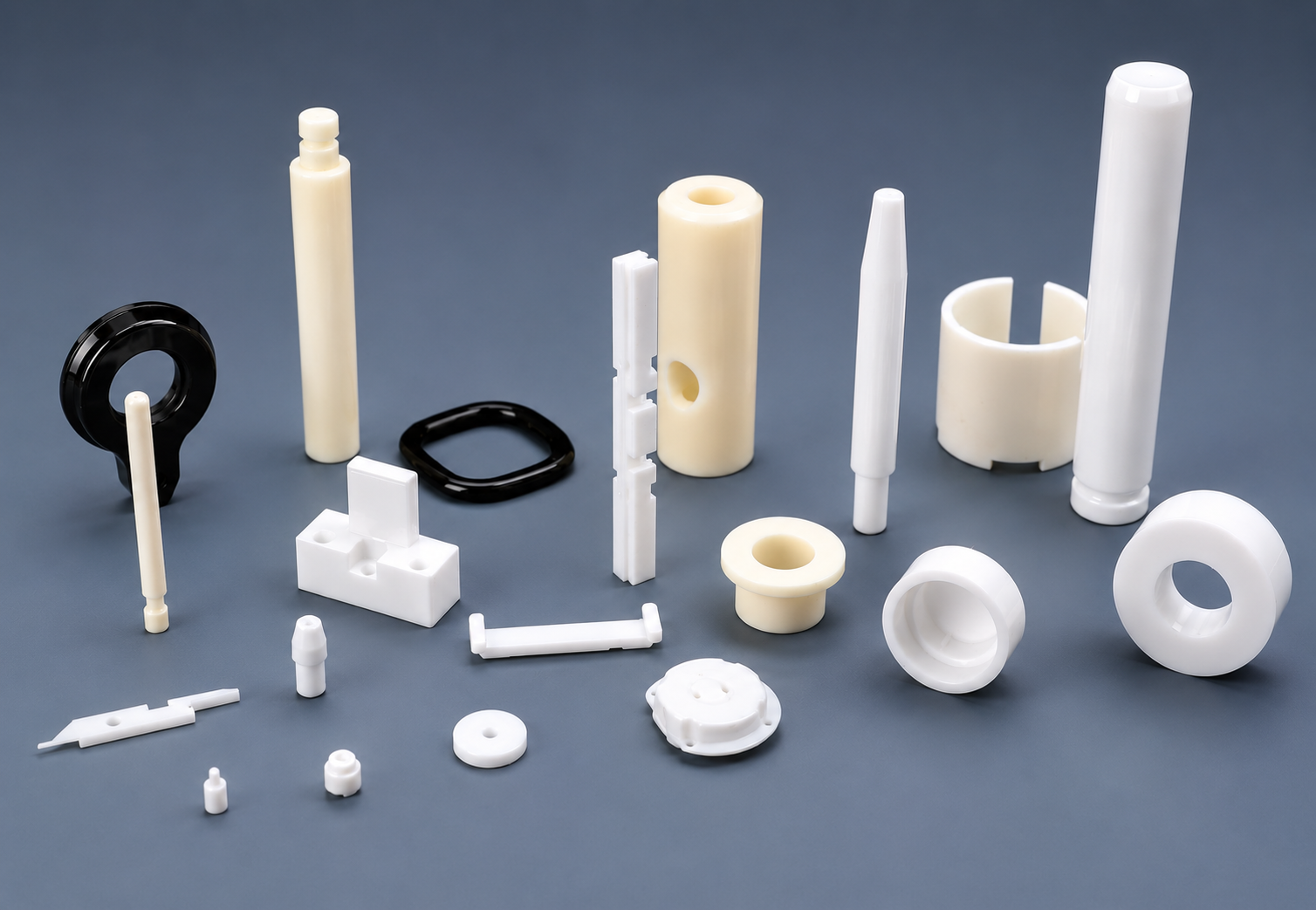
Износостойкие втулки и гильзы
-
Пуансоны и матрицы
-
Сопла и распылители
-
Режущие и формовочные вставки
-
Клапанные и уплотнительные компоненты
-
Направляющие штифты и контактные детали
-
Волочильные матрицы
-
Компоненты для горнодобывающей и буровой промышленности
-
Прецизионный инструмент
-
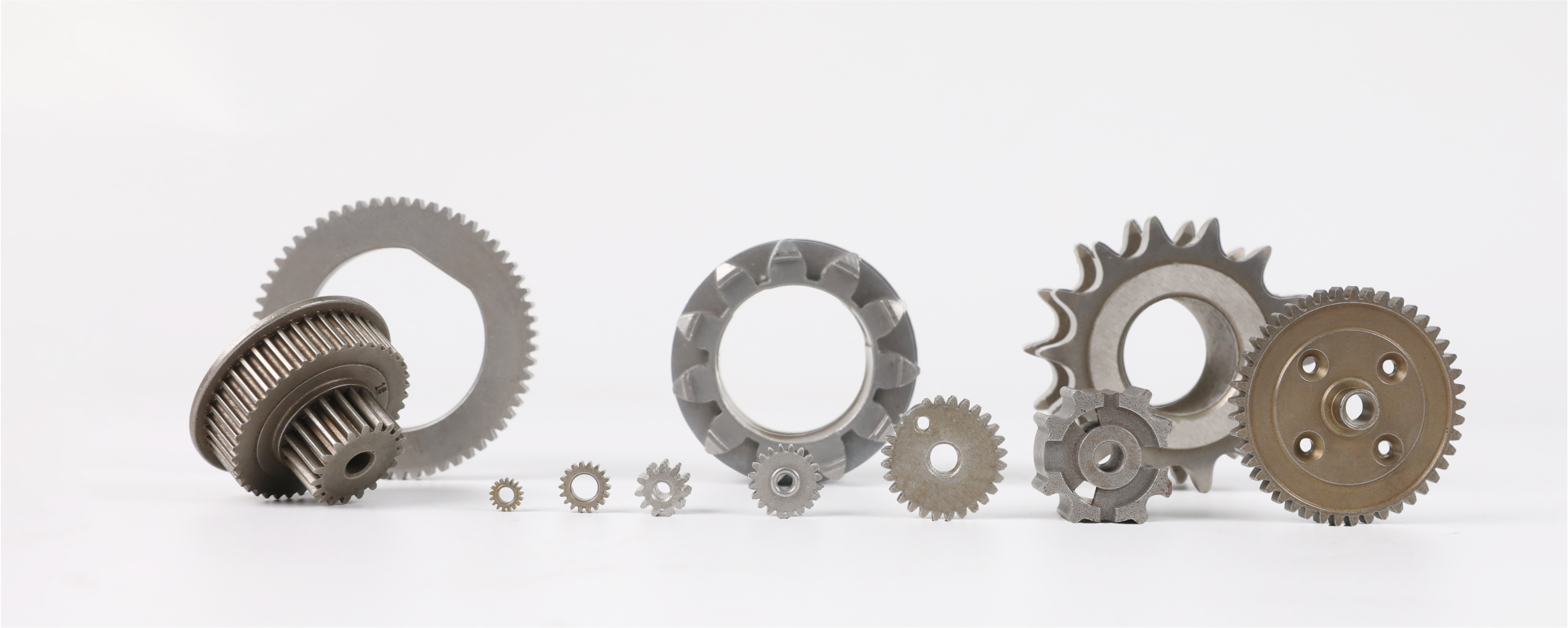
Мелкие изнашиваемые детали для промышленного оборудования
Для некоторых проектов может быть достаточно стандартных твердосплавных заготовок или вставок. Для других проектов, особенно небольших, сложных или специфичных для применения компонентов, детали из спеченного карбида вольфрама, изготовленные на заказ, могут обеспечить лучшее решение.
Когда следует выбирать спеченные детали из карбида вольфрама, изготовленные на заказ?
Детали из спеченного карбида вольфрама, изготовленные на заказ, стоит рассмотреть, когда стандартный материал не может удовлетворить требования к сроку службы, геометрии или производительности детали.
Они особенно подходят, когда:
-
Деталь подвергается абразивному износу или эрозионному потоку
-
Обычная сталь изнашивается слишком быстро
-
Детали требуется высокая твердость и длительный срок службы
-
Геометрия слишком сложна для экономичной обработки из цельного твердого сплава
-
Компонент должен сохранять стабильные размеры при многократном использовании
-
Средне- или крупносерийное производство может оправдать разработку оснастки и процесса
Однако карбид вольфрама не является лучшим решением для каждой детали. Если деталь очень большая, очень простая или требуется только в одном или двух прототипах, ЧПУ-обработка, электроэрозионная обработка или обычная шлифовка твердого сплава могут быть более практичными. Лучший путь зависит от геометрии, объема, допуска и условий применения.
Изготовленные на заказ спеченные детали из карбида вольфрама от XY-GLOBAL
В XY-GLOBAL мы поддерживаем изготовление металлических и порошковых металлургических компонентов на заказ от проектирования до производства. Для спеченных деталей из карбида вольфрама ключ заключается не только в выборе твердого материала. Более важная задача - сопоставить марку материала, метод формования, контроль спекания и маршрут последующей обработки с реальным применением.
Мы можем помочь проанализировать ваш чертеж и оценить, подходит ли карбид вольфрама для вашей детали. Если конструкция слишком острая, слишком тонкая или ее трудно спекать равномерно, мы можем предложить практические корректировки до начала оснастки или производства.
Для индивидуальных проектов мы можем предоставить поддержку в:
-
Выборе материала и марки
-
Анализе DFM для порошковой металлургии или MIM-производства
-
Оценке порошка карбида вольфрама и связующего
-
Планировании процесса спекания
-
Обсуждении усадки и допусков
-
Шлифовке, электроэрозионной обработке, полировке или других вариантах финишной обработки
-
Поддержке прототипирования и производства
-
Контроле критических размеров и функциональных поверхностей
Нужны нестандартные детали из карбида вольфрама? Поделитесь с нами своим чертежом, 3D-файлом или образцом. Вы также можете нажмите здесь, чтобы узнать о нас больше. Мы можем помочь оценить ваш дизайн, выбор материала и производственный процесс.
Заключение
Спеченный карбид вольфрама — это высокоэффективный материал для деталей, которым требуется твердость, износостойкость и длительный срок службы. Его конечное качество зависит не только от порошка карбида вольфрама, но и от содержания связующего, размера зерна, контроля спекания, поведения при усадке и финишной обработки после спекания.
Для промышленных деталей, изготовленных на заказ, лучший результат достигается путем сопоставления материала и процесса с реальными условиями работы. При правильном анализе конструкции и планировании производства спеченный карбид вольфрама может быть использован для изготовления долговечных, точных и специфичных для применения компонентов для сложных условий эксплуатации.

Делиться:
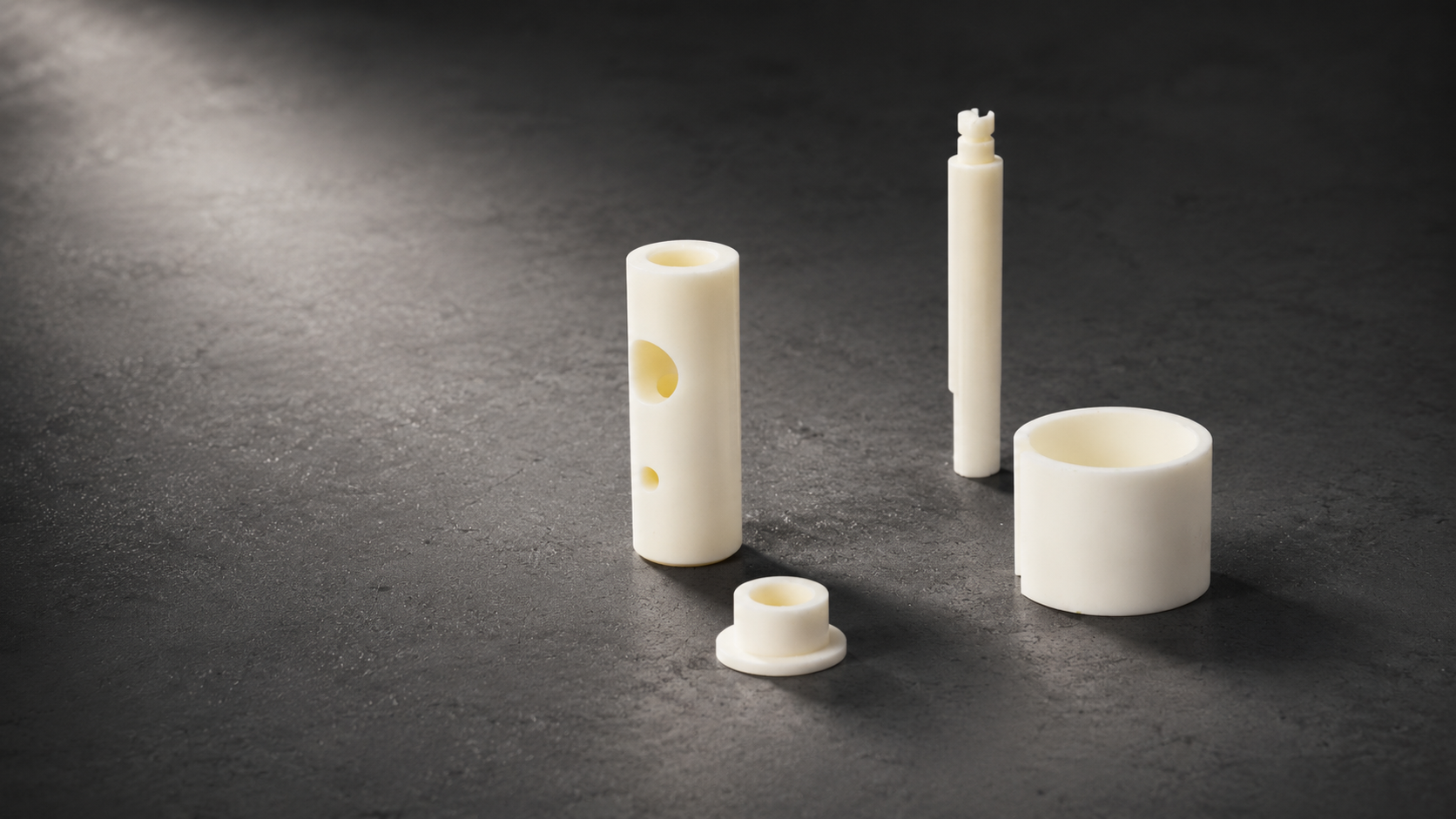
Циркониевые керамические детали: Изготовленные на заказ компоненты из ZrO2 методом литья под давлением
Литьевое формование из диоксида циркония: процесс, проблемы и руководство по проектированию деталей из ZrO2, изготовленных методом литья под давлением