

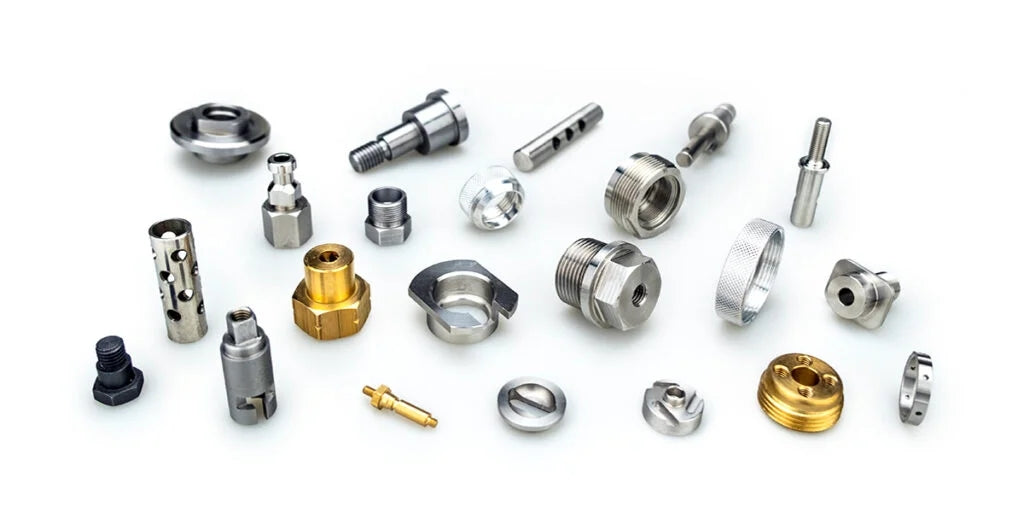
Современное производство все чаще требует создания небольших, сложных и чрезвычайно точных металлических деталей. Хотя традиционные методы производства, такие как обработка на станках с ЧПУ или литье, могут изготавливать долговечные детали, они часто сталкиваются с трудностями, когда конструкции требуют сложной геометрии или жестких допусков.

Именно здесь литье под давлением нержавеющей стали становится мощным решением.
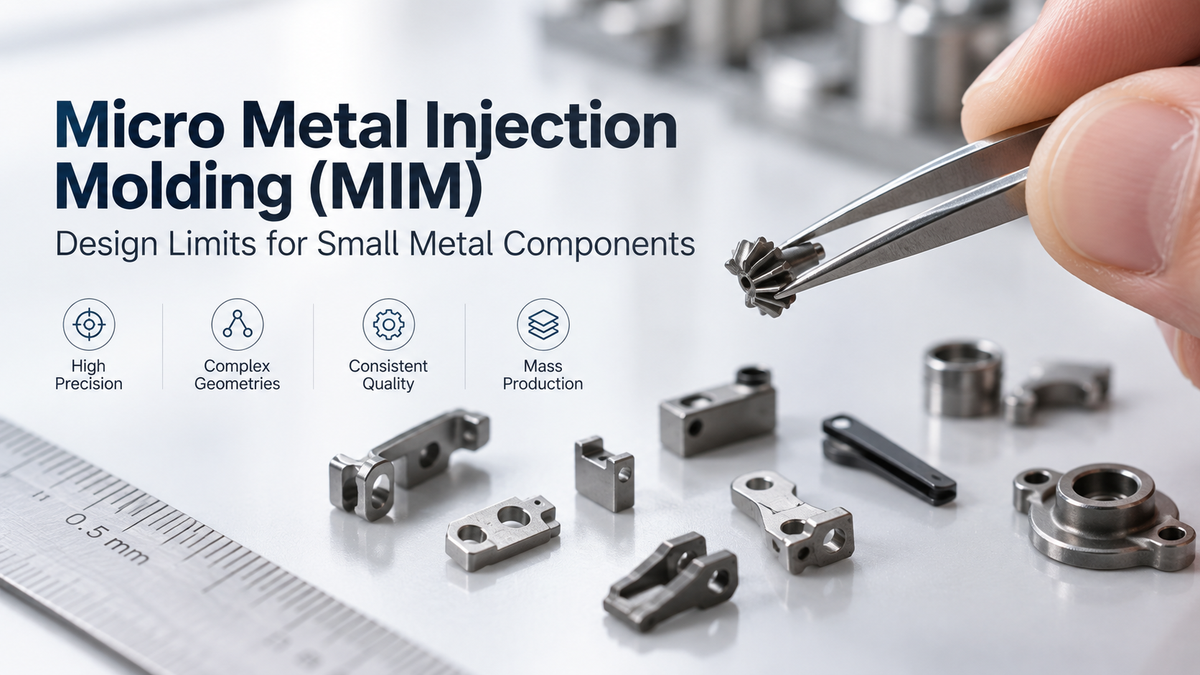
Литье нержавеющей стали под давлением относится к использованию технологии литья металлов под давлением (MIM) для изготовления компонентов из нержавеющей стали с высокой точностью и стабильными механическими характеристиками. Объединяя гибкость дизайна литья пластмасс под давлением с прочностью металлических материалов, этот процесс позволяет производителям производить сложные детали в больших объемах, сохраняя при этом превосходную точность размеров.
Обладая более чем 15-летним опытом в области технологии MIM, компания XY-GLOBAL специализируется на производстве высокоточных компонентов из нержавеющей стали для таких отраслей, как:
-
оптика
-
медицинские приборы
-
полупроводники
-
телекоммуникации
Благодаря стабильным производственным процессам, современному оборудованию и различным материалам из нержавеющей стали, XY-GLOBAL может превращать сложные конструкции изделий в надежные производственные компоненты. Типичные детали включают функциональные компоненты размером 2–30 мм с микроотверстиями, тонкими стенками около 0,3–0,5 мм и интегрированными элементами, для которых раньше требовалось две или три отдельные механически обработанные детали.
Что такое литье нержавеющей стали под давлением?
Литье нержавеющей стали под давлением по сути является применением технологии литья металлов под давлением (MIM) с использованием порошков нержавеющей стали.
Этот процесс позволяет производителям производить небольшие, сложные металлические детали, которые в противном случае было бы трудно или дорого обрабатывать.
В отличие от традиционных методов производства металлов, литье нержавеющей стали под давлением использует мелкодисперсные металлические порошки в процессе MIM для производства плотной детали из нержавеющей стали с типичными характеристиками, такими как:
-
высокая механическая прочность
-
отличная точность размеров
-
возможность создания сложной геометрии
-
эффективное массовое производство
Благодаря этим преимуществам детали из нержавеющей стали, изготовленные по технологии MIM, широко используются в высокоточных отраслях промышленности.
Можно ли лить нержавеющую сталь под давлением?
Если вы новичок в литье металлов под давлением (MIM), вы можете спросить, действительно ли нержавеющую сталь можно «формовать как пластик». Короткий ответ — да, но механизм совершенно иной, чем плавление и охлаждение полимера.
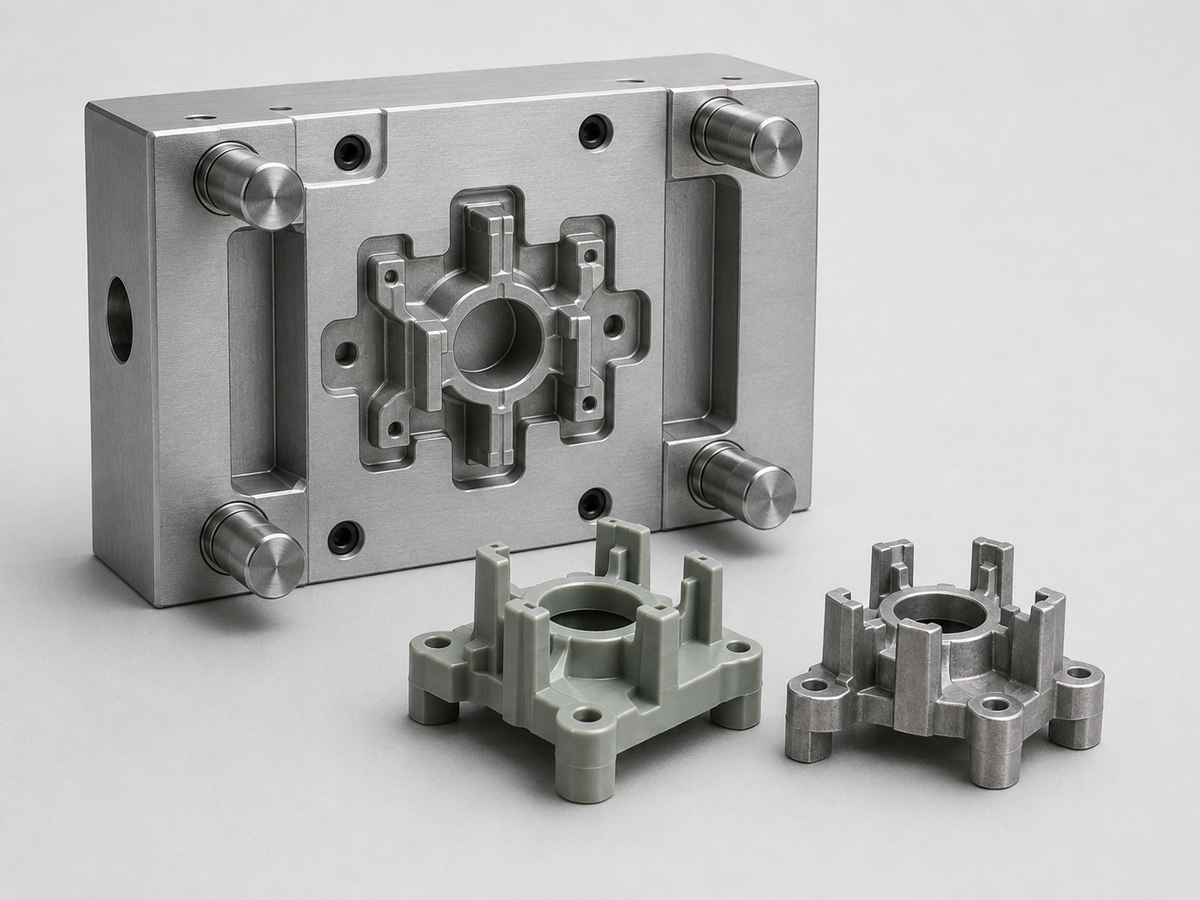
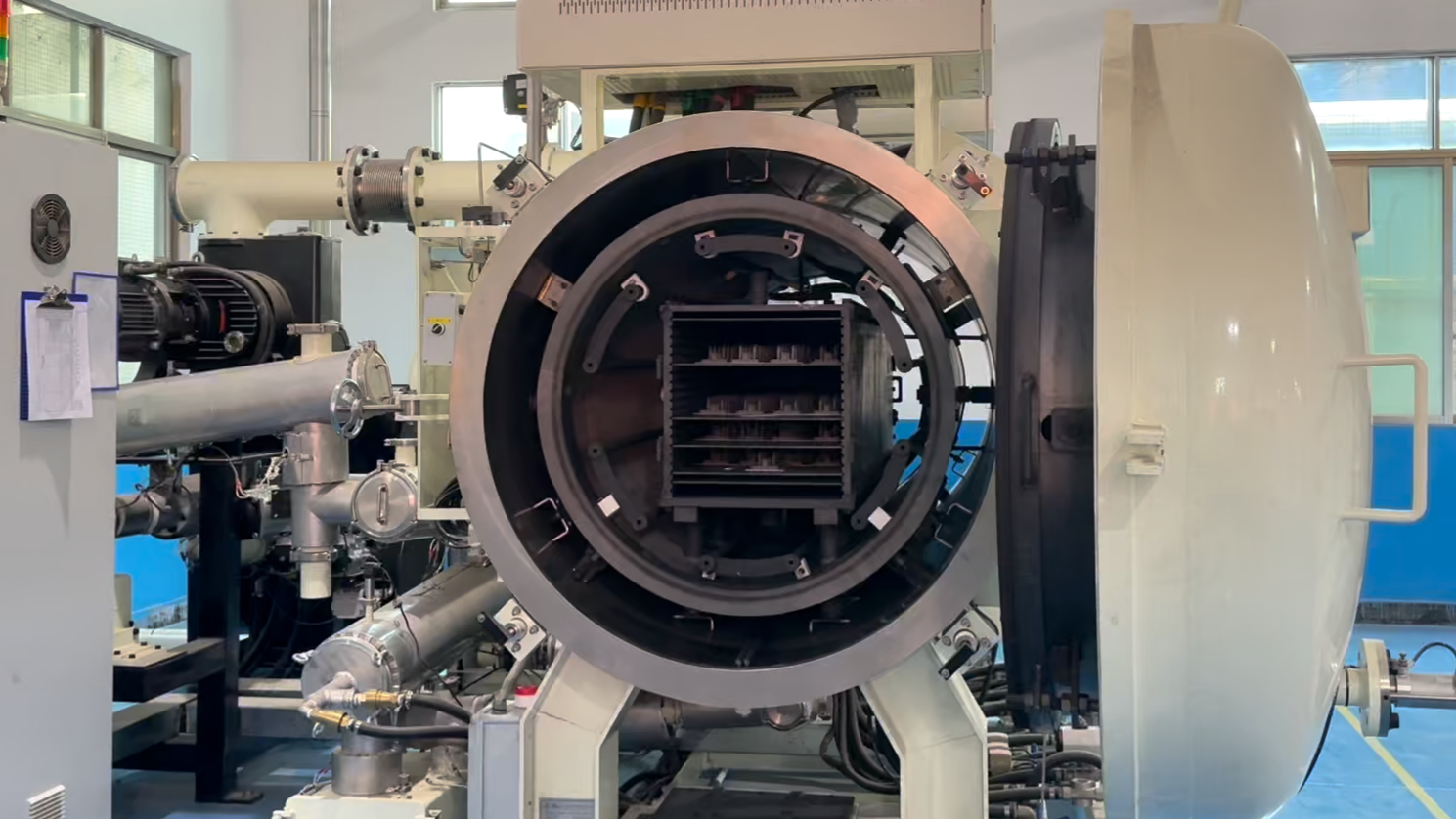
Вместо плавления твердой нержавеющей стали, MIM использует смесь порошка нержавеющей стали и связующего в качестве временно формуемой среды. После формования детали связующее тщательно удаляется, оставляя пористую «коричневую деталь», состоящую в основном из металла. Во время спекания при температурах, обычно от 1200°C до 1400°C, частицы металла связываются, поры закрываются, и деталь уплотняется и сжимается до своих окончательных размеров.

Например, деталь из нержавеющей стали 316L, изготовленная по технологии MIM со спеченной плотностью 7,85–7,95 г/см³, будет иметь механические свойства, очень близкие к кованой 316L: предел прочности около 450–550 МПа, предел текучести около 140–250 МПа и относительное удлинение в диапазоне 40–50%. Этот уровень пластичности важен для компонентов медицинских и промышленных устройств, которые подвергаются циклической нагрузке или случайным перегрузкам.
Процесс MIM из нержавеющей стали
| Этап процесса | Описание |
| Подготовка исходного сырья | Сверхтонкие порошки нержавеющей стали (обычно 5–20 мкм) смешиваются с термопластичными связующими для образования гранул с примерно 60 об.% металла и 40 об.% связующего, оптимизированных для обеспечения текучести и конечной плотности. |
| Литье под давлением | Исходный материал нагревается и впрыскивается в прецизионные формы для образования «зеленых деталей», которые уже включают все функциональные элементы, такие как резьба, поднутрения, микроотверстия, где это возможно. |
| Дебиндинг | Связующее удаляется термическими, растворительными или каталитическими методами в зависимости от системы исходного сырья, оставляя хрупкую «коричневую деталь», состоящую в основном из металлического порошка. |
| Спекание | Коричневые детали спекаются при высокой температуре (около 1200–1400°C) в контролируемой атмосфере, достигая 96–99% теоретической плотности и сжимаясь до окончательного размера. |
Распространенные материалы из нержавеющей стали, используемые в MIM
Несколько сплавов нержавеющей стали широко используются в литье нержавеющей стали под давлением. Ниже приведены наиболее распространенные марки.
| Материал | Ключевые характеристики | Типичные области применения |
| Нержавеющая сталь 304 | Универсальная аустенитная нержавеющая сталь; хорошая коррозионная стойкость, прочность на растяжение обычно ≥480 МПа в MIM; удлинение ≥40% при высокой плотности. | Потребительская электроника, промышленные корпуса, кронштейны, ручки. |
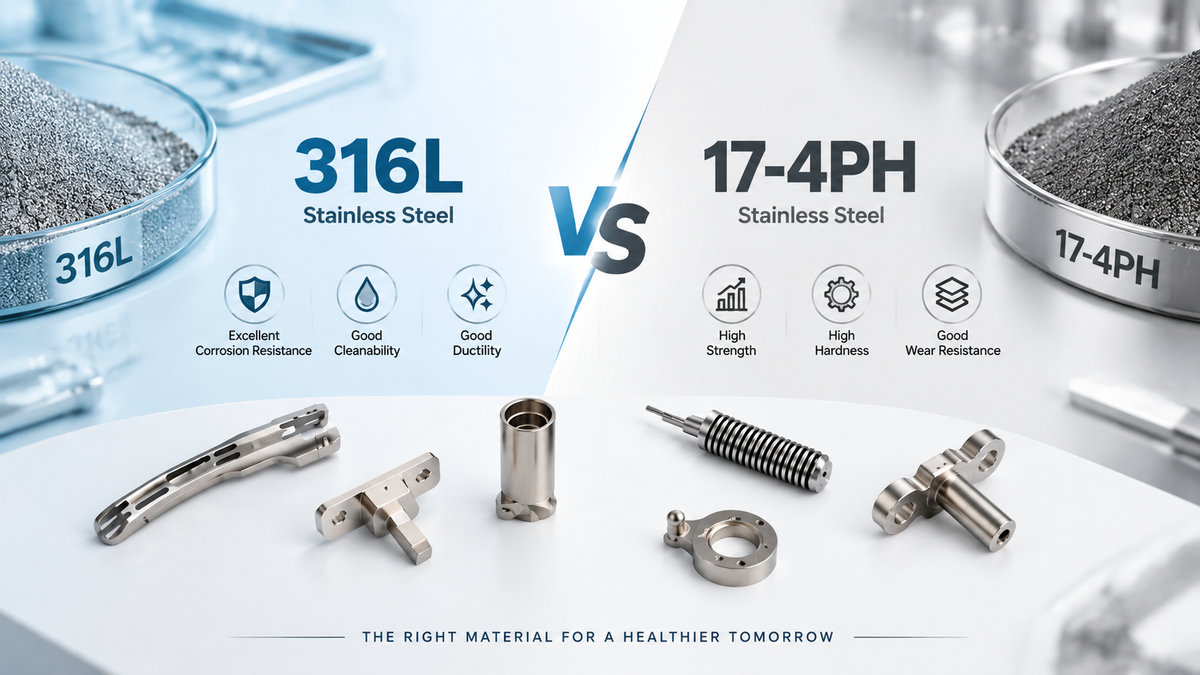
| Нержавеющая сталь 316L | Низкоуглеродистая аустенитная нержавеющая сталь; отличная коррозионная стойкость и биосовместимость; MIM 316L обычно достигает плотности 7,85–7,95 г/см³, прочности на растяжение 450–550 МПа и относительного удлинения 40–50%. | Медицинские инструменты, детали для работы с жидкостями, компоненты, подвергающиеся воздействию агрессивных сред. |
| Нержавеющая сталь 17-4PH | Мартенситная нержавеющая сталь с дисперсионным твердением; прочность на растяжение примерно 1000–1300 МПа после термообработки, твердость до примерно 40–43 HRC, с удлинением 8–14% во многих наборах данных MIM. | Хирургические инструменты, запорные механизмы, компоненты огнестрельного оружия, высоконагруженные прецизионные детали. |
Среди этих материалов нержавеющая сталь 316L является одним из наиболее часто используемых сплавов благодаря своей превосходной коррозионной стойкости и стабильности в медицинских условиях.
Механические свойства деталей из нержавеющей стали, изготовленных по технологии MIM
Один из вопросов, который может у вас возникнуть, заключается в том, могут ли детали из нержавеющей стали, изготовленные методом литья под давлением, соответствовать прочности деталей, произведенных ковкой или механической обработкой.
Во многих случаях ответ — да.
После спекания детали из нержавеющей стали, изготовленные по технологии MIM, могут достигать превосходных механических характеристик.
Типичные свойства включают:
| Свойство | Типичные характеристики |
| Плотность | 96–99% от теоретической плотности |
| Предел прочности | Сравнимо с кованой нержавеющей сталью |
| Твердость | Высокая износостойкость |
| Коррозионная стойкость | Отличная в зависимости от сплава |
Кроме того, компоненты MIM часто обеспечивают:
-
более гладкую поверхность, чем литые детали
-
более высокую точность размеров
Такое сочетание делает литье нержавеющей стали под давлением подходящим для требовательных инженерных применений.
Преимущества литья нержавеющей стали под давлением
Возможность создания сложной геометрии
MIM позволяет за один цикл формировать резьбу, внутренние каналы, сквозные отверстия, боковые отверстия, защелкивающиеся конструкции и аналогичные элементы. Во многих проектах узлы, которые ранее требовали 2–3 отдельных механически обработанных деталей, а также сварки или крепления, могут быть объединены в один компонент MIM, что значительно сокращает трудозатраты на сборку.
Это особенно актуально для деталей размером 2–30 мм с тонкими стенками до 0,3–0,5 мм или микроэлементами.
Высокое использование материала
Традиционная обработка из прутка или листа часто обеспечивает коэффициент использования материала всего 30–60%, что приводит к значительному количеству отходов.
MIM, напротив, в основном расходует порошок, соответствующий конечному объему детали, регулярно достигая >95% использования. Это делает его идеальным для дорогостоящих материалов, таких как высоколегированные нержавеющие стали или специальные сплавы.

Стабильность размеров при массовом производстве
Для геометрий, хорошо подходящих для MIM, стандартные допуски составляют ±0,3–0,5% от размеров детали; критические мелкие элементы могут достигать ~±0,1% при корректировке процесса и целенаправленной оптимизации.
Для годовых объемов от десятков тысяч до сотен тысяч, повторяемость на основе форм значительно превосходит изменчивость при многосменных, многостаночных операциях ЧПУ.
Экономическая эффективность при средних и больших объемах
Инструменты имеют высокую первоначальную стоимость, но при совокупных партиях в десятки тысяч единиц цена за деталь часто оказывается ниже, чем у ЧПУ, — еще ниже для очень сложных мелких деталей, где объем безубыточности сокращается.
В медицинских, оптических и полупроводниковых приложениях замена отдельных механически обработанных компонентов на MIM на этапах стабильного производства высвобождает мощности ЧПУ для более ценной работы.
Несколько преимуществ объясняют, почему литье нержавеющей стали под давлением широко применяется в современном производстве.
Литье нержавеющей стали под давлением против других производственных процессов
Понимание того, как литье нержавеющей стали под давлением сравнивается с другими методами производства, поможет вам выбрать правильный процесс.
| Производственный процесс | Наилучшее применение | Типичный диапазон размеров | Рекомендуемый объем | Основные компромиссы |
| Обработка на ЧПУ | Сверхточные прототипы, малосерийные детали на заказ с экстремальными допусками (±0,005 мм) | 1–150 мм | <5000 штук/год | Высочайшая точность, но плохая экономичность при больших объемах; большие потери материала (30–60%) |
| Прецизионное литье | Детали средней сложности с умеренными допусками (±0,2 мм) | 10–200 мм | 1000–50000/год | Хорошо подходит для крупных деталей, но плохо справляется с микроэлементами; для обработки поверхности требуется механическая обработка |
| Штамповка металла | Простые 2D/2.5D геометрии из листового металла, тонкие поперечные сечения | толщина <5 мм, вид сверху 5–100 мм | >100 000/год | Самый быстрый для плоских/простых изгибов; не может обрабатывать истинную 3D-сложность или толстые сечения |
| MIM из нержавеющей стали | Сложные 3D-детали небольшого размера с микроэлементами, тонкими стенками, интегрированными узлами | 2–50 мм (оптимально 5–30 мм) | 10 000–500 000+/год | Превосходно справляется со сложной геометрией; высокая стоимость оснастки, но стоимость за деталь быстро снижается при больших объемах |
Краткое руководство по принятию решений:
-
Выбирайте MIM, когда: Вес детали <50 г, имеет поднутрения/внутренние элементы/внутреннюю резьбу, годовая потребность >10 тыс. штук, и вас устраивают допуски ±0,3–0,5%
-
Оставайтесь с ЧПУ, когда: <1 тыс. штук, допуски жестче ±0,01 мм, или материал очень трудно поддается механической обработке
-
Расчет безубыточности: Для сложной детали размером 10x10x5 мм оснастка MIM может стоить 15–25 тыс. долл. США, но снижает стоимость за деталь до 0,50–2,00 долл. США при 50 тыс. штук по сравнению с ЧПУ по 5–15 долл. США за штуку
Литье нержавеющей стали под давлением эффективно заполняет пробел между механической обработкой и штамповкой.
Применение: где MIM из нержавеющей стали имеет смысл?
Вот практические примеры из ключевых отраслей XY-GLOBAL, показывающие, где MIM обеспечивает явную ценность благодаря конкретным типам деталей и соответствию материалов:
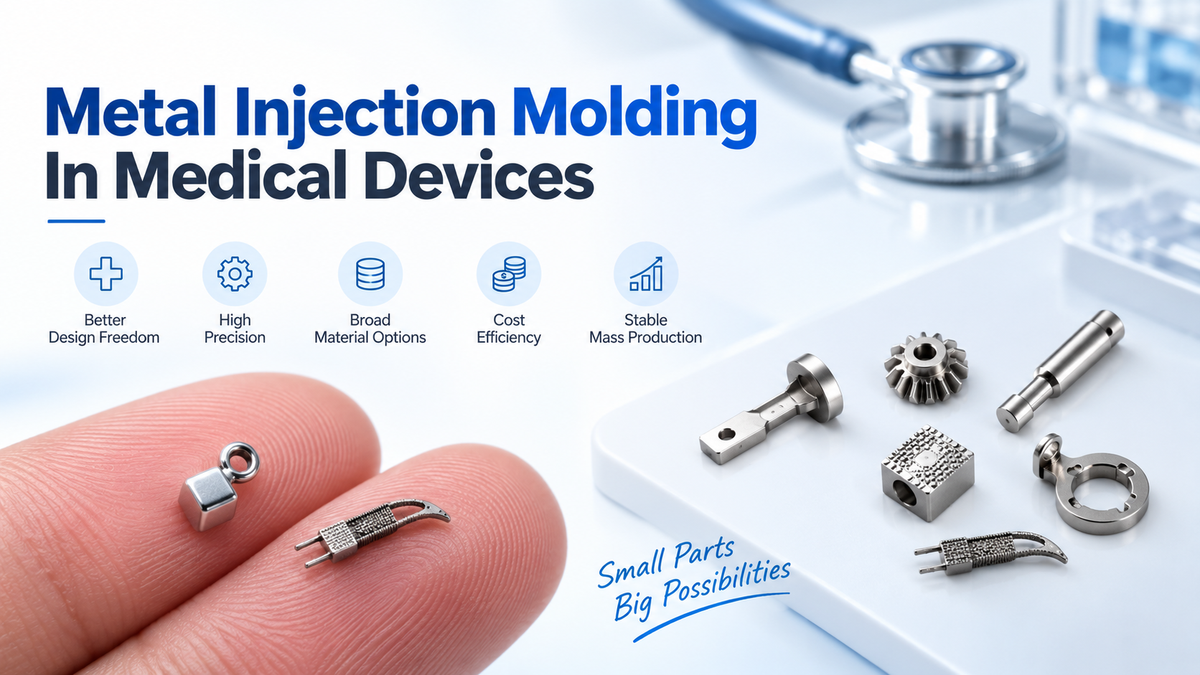
Медицинские приборы
Типичные компоненты включают:
- захватные губки
- запорные зажимы
- корпуса валов в хирургических инструментах
- небольшие механические детали для стоматологических инструментов
- конструктивные элементы в эндоскопах или ультразвуковых датчиках
316L MIM обеспечивает превосходную коррозионную стойкость и хорошую пластичность для деталей, требующих многократной очистки и стерилизации, а 17-4PH подходит для более прочных, износостойких запорных и приводных механизмов.
Оптические системы
Прецизионная оптика использует механизмы фокусировки, микрослайдеры и позиционирующие кронштейны, которые требуют стабильных размеров и жесткости для поддержания оптического выравнивания с течением времени.
MIM интегрирует установочные поверхности, резьбовые отверстия и защелки в одну деталь, превосходя многокомпонентные узлы по долгосрочной стабильности.
Полупроводниковое оборудование
Многие полупроводниковые детали работают в вакууме, чистых помещениях или агрессивных условиях — это зажимы, установочные штифты, рычажные механизмы и корпуса клапанов.
Нержавеющая сталь MIM соответствует прочности кованого материала и коррозионной стойкости, одновременно позволяя создавать более компактные конструкции за счет сложной внутренней геометрии.
Телекоммуникации и электроника
Используется для
- ВЧ-разъемы
- маленькие корпуса
- экранирующие конструкции
- механические защелки
- прецизионные кронштейны.
Для них MIM обычно лучше балансирует точность размеров, стоимость и объем, чем прецизионное литье или многоступенчатая механическая обработка.
Благодаря своей точности и масштабируемости литье нержавеющей стали под давлением широко используется во многих передовых отраслях промышленности.
Имея многолетний опыт в производстве MIM, XY-GLOBAL поддержала многочисленные проекты в этих отраслях, поставляя надежные компоненты из нержавеющей стали со стабильным качеством.
Почему стоит выбрать XY-GLOBAL для литья нержавеющей стали под давлением
Выбор правильного производственного партнера имеет решающее значение при внедрении технологии литья нержавеющей стали под давлением. XY-GLOBAL предлагает ряд преимуществ:
Большой опыт
-
более 15 лет в производстве MIM с сертификатами ISO 13485 и ISO 9001.
Инженерная поддержка
-
профессиональный анализ DFM и анализ пресс-форм.
-
оптимизация дизайна для технологичности
Знание материалов
-
широкий ассортимент сплавов нержавеющей стали
-
стабильные поставки материалов
Контроль качества
-
современные системы контроля и контроль качества
-
последовательные производственные процессы
Обслуживая такие отрасли, как оптика, медицинские приборы, полупроводники и телекоммуникации, XY-GLOBAL сосредоточена на поставке высокоточных компонентов из нержавеющей стали, разработанных для требовательных применений.
Заключение
Литье нержавеющей стали под давлением стало важной производственной технологией для изготовления малых, сложных, высокопроизводительных металлических компонентов.
Объединяя гибкость дизайна литья под давлением с прочностью нержавеющей стали, литье металлов под давлением (MIM) позволяет производителям создавать детали, которые в противном случае было бы трудно или дорого производить.
Поскольку отрасли промышленности продолжают требовать все меньших и более точных компонентов, MIM из нержавеющей стали останется критически важной технологией в таких секторах, как медицинские приборы, электроника, оптика и полупроводниковое оборудование.
Для компаний, ищущих надежные производственные решения, опытные партнеры, такие как XY-GLOBAL, предоставляют экспертные знания и производственные возможности, необходимые для преобразования инновационных проектов в высококачественные компоненты из нержавеющей стали.
Часто задаваемые вопросы о литье нержавеющей стали под давлением
1. Можно ли лить нержавеющую сталь под давлением, как пластик?
Да, с помощью литья металлов под давлением (MIM). Мелкий порошок нержавеющей стали (5–20 мкм) смешивается со связующими для получения инжекционного сырья. После формования дебиндация удаляет связующие, а спекание при 1200–1400°C сваривает частицы, уменьшая детали на 14–20% до 97–99% теоретической плотности.
2. Каких допусков можно достичь при MIM из нержавеющей стали?
Стандарт: ±0,3–0,5% от размера детали (например, ±0,1 мм на детали 30 мм). Критические элементы, такие как отверстия или резьба, могут достигать ±0,1–0,2% при оптимизации процесса (равномерные стенки, углы уклона). Постопечное механическое доведение позволяет достичь ±0,01 мм при необходимости, но усадку следует планировать в CAD.
3. Какие марки нержавеющей стали лучше всего подходят для MIM?
Лучшие варианты:
-
316L: Медицинский сорт, прочность на растяжение 450–550 МПа, отличная коррозионная стойкость для стерилизации
-
17-4PH: Высокопрочный (1000–1300 МПа после термообработки), идеально подходит для несущих деталей
-
304: Экономичный для общего промышленного использования. Все они достигают ковких свойств при высокой плотности. Подтвердите спецификации исходного сырья у поставщика.
4. Каков наилучший размер и сложность для MIM?
Идеальный диапазон: 2–50 мм по наибольшему измерению, вес <50 г. Превосходно подходит для тонких стенок (мин. 0,3–0,5 мм), поднутрений, сквозных отверстий, резьбы, интегрированных узлов. Избегайте простых стержней, очень крупных деталей (>100 мм) или стенок <0,3 мм.
5. Когда выбрать MIM вместо механической обработки на ЧПУ?
MIM выигрывает для сложных мелких деталей при годовом объеме от 10 тыс. штук (например, хирургические зажимы с резьбой). ЧПУ лучше для прототипов (<1 тыс. штук) или точности ±0,005 мм. Использование материала в MIM >95% против 30–60% у ЧПУ; стоимость за деталь снижается быстрее при больших объемах.
6. Какую чистоту поверхности может обеспечить MIM из нержавеющей стали?
После спекания: Ra 1,6–3,2 мкм (гладче, чем при литье). Можно добавить пассивацию (для повышения коррозионной стойкости), электрополировку (Ra <0,8 мкм для медицинских изделий), струйную обработку или галтовку. Возможны PVD/TiN покрытия после спекания.
Делиться:
Механическая обработка мелких деталей: от быстрого прототипирования до масштабируемого производства медицинских изделий
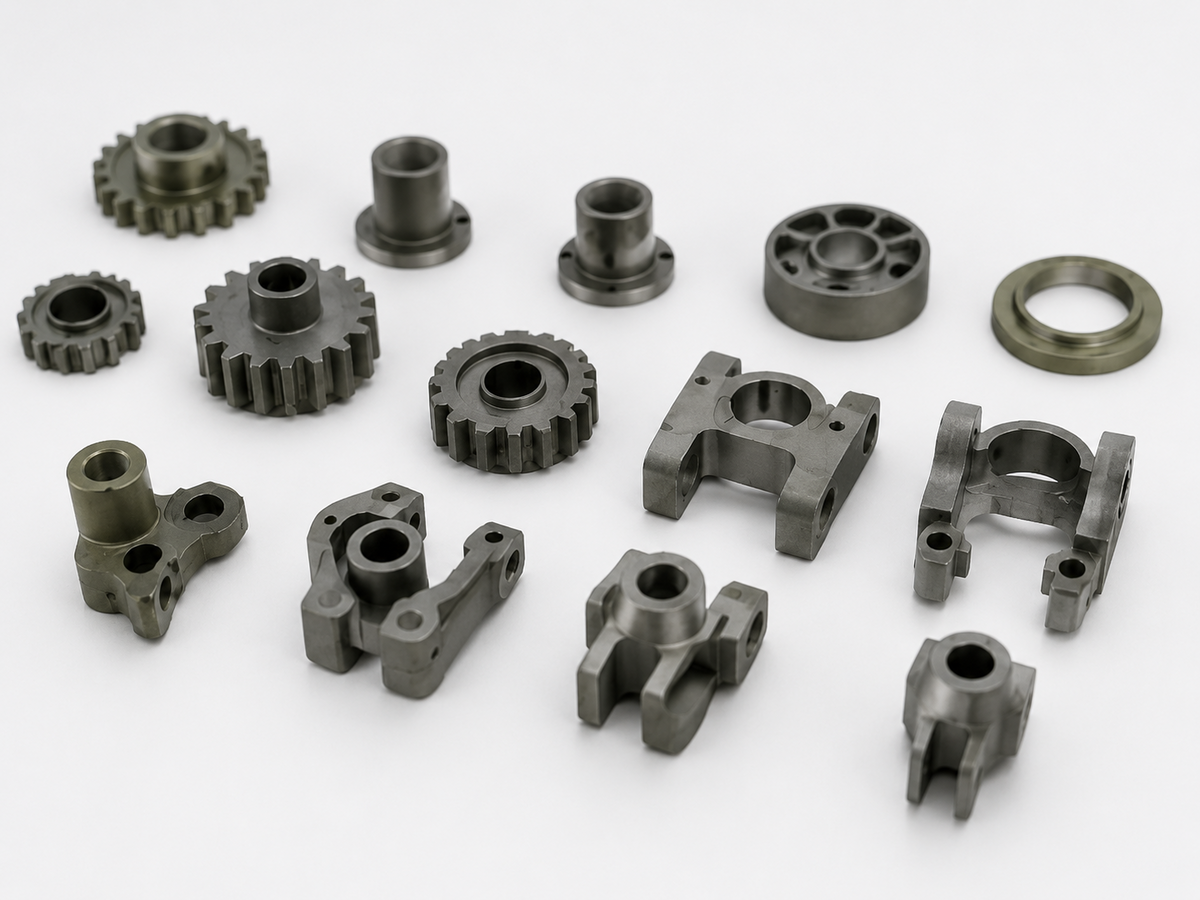
Порошковая металлургия: не лучший процесс для каждой детали, но сильный для правильных деталей