

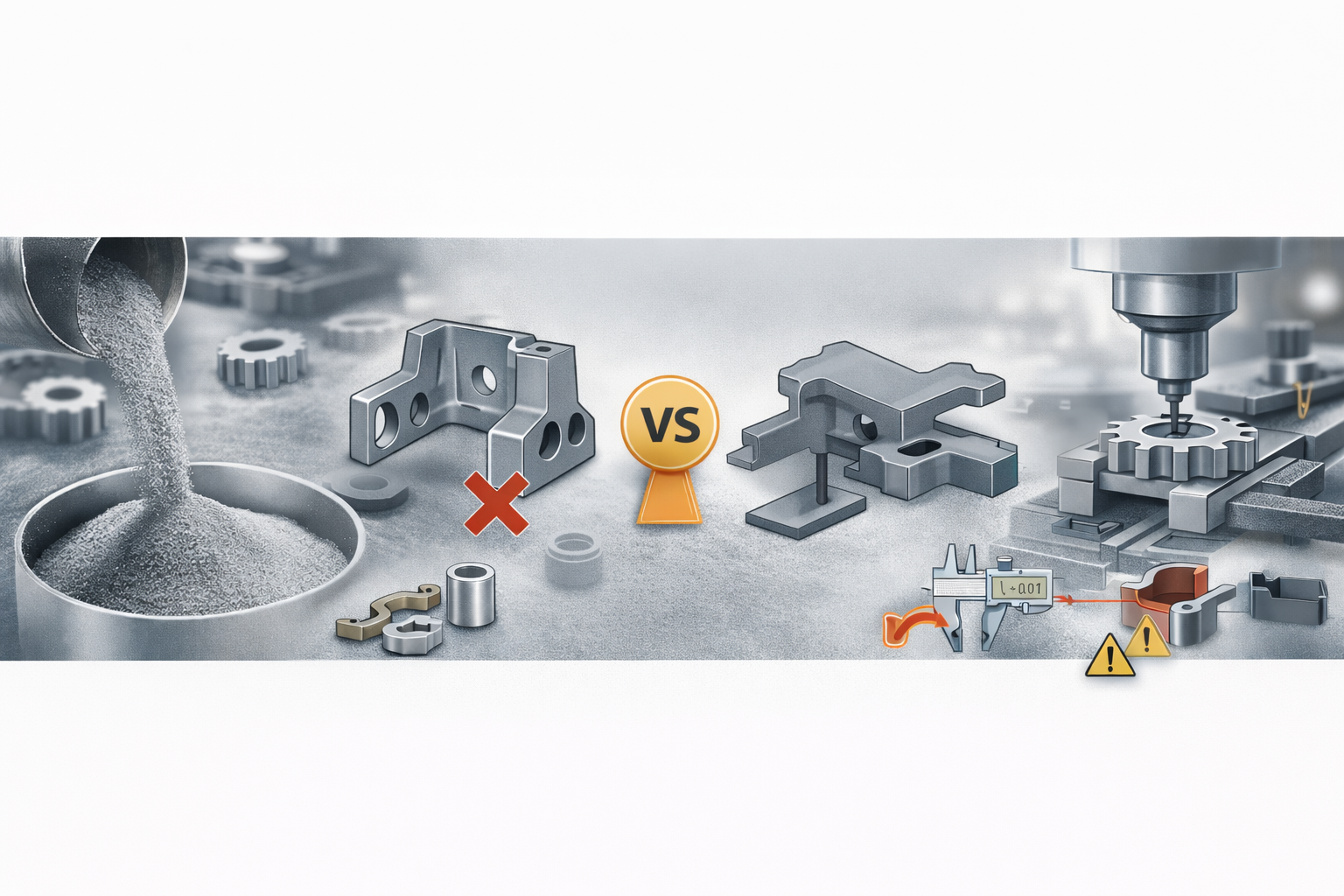
Настоящий вопрос, стоящий за порошковой металлургией
Когда люди ищут порошковую металлургию металлов, они часто ожидают стандартного объяснения процесса: смешивание металлического порошка, прессование, спекание, калибровка и финишная обработка. Такой контент распространен и полезен на базовом уровне. Но при принятии реальных производственных решений это редко является первым вопросом, на который должны ответить покупатели или инженеры.
«Более практичный вопрос заключается в следующем: когда порошковая металлургия действительно имеет смысл для детали, а когда нет?
»
Это различие важно, потому что деталь может быть технически пригодной для изготовления, но при этом не подходить для порошковой металлургии. При производстве стоимость формируется не только заявленной ценой за единицу, но также использованием материала, повторяемостью, окупаемостью оснастки, вторичной механической обработкой и тем, насколько хорошо конструкция соответствует процессу с самого начала. По этой причине порошковую металлургию не следует рассматривать как универсальный недорогой метод формования металлов. Это процесс с четкими сильными сторонами, четкими ограничениями и очень специфическим местом в планировании производства.
Настоящая ценность порошковой металлургии заключается не в том, что она может производить металлические детали. А в том, что она может производить правильные металлические детали более эффективно и стабильно в масштабе.

Почему порошковая металлургия по-прежнему важна в производстве
Порошковая металлургия остается важной, потому что многие металлические детали не выходят из строя на этапе прототипирования. Они выходят из строя позже, когда компании пытаются масштабировать их экономически. Конструкция может хорошо работать при фрезеровании с ЧПУ во время отбора проб, но как только годовой спрос возрастает, стоимость времени обработки, отходов материала и повторной обработки может стать труднее оправдать.
Вот здесь-то порошковая металлургия часто становится достойной оценки. Она особенно актуальна для небольших металлических конструкционных деталей со стабильной геометрией, повторяющимся спросом и производственной целью, которая ставит во главу угла стабильность так же, как и цену.
В отличие от субтрактивной обработки, при которой материал удаляется из прутка или плиты, порошковая металлургия работает ближе к логике производства с почти готовой формой. Это не означает, что каждая деталь выходит полностью без постобработки. Это означает, что процесс может сократить объем ненужного удаления материала, необходимого позже. Для правильной категории деталей это существенно меняет экономику массового производства.
Краткая проверка соответствия: когда порошковая металлургия заслуживает серьезного рассмотрения
Прежде чем обсуждать этапы процесса, имеет смысл проверить, является ли деталь вообще подходящим кандидатом.
| Фактор оценки | Больше подходит для порошковой металлургии | Меньше подходит для порошковой металлургии |
|---|---|---|
| Объем производства | Высокий годовой спрос, стабильные повторные заказы | Низкий объем, только прототипы, нестабильный спрос |
| Статус дизайна | Геометрия в значительной степени заморожена | Дизайн часто меняется |
| Геометрия детали | Малая, относительно правильная, направление прессования ясно | Сложные боковые элементы, глубокие полости, неправильная 3D геометрия |
| Цель по стоимости | Сокращение отходов материала и времени цикла | Максимальная гибкость дизайна на ранней стадии |
| Стратегия допуска | Некоторые критические элементы могут быть откалиброваны или обработаны позже | Все критические размеры ожидаются от одноступенчатого формования |
Это одна из важнейших реальностей в порошковой металлургии: процесс не столько о том, выглядит ли деталь простой или сложной. Он о том, подходит ли деталь для повторяемой производственной логики.
Какие детали обычно получают наибольшую выгоду от порошковой металлургии
Распространенное заблуждение состоит в том, что порошковая металлургия привлекательна главным образом для очень сложных деталей. На самом деле, многие успешные детали из порошковой металлургии не являются визуально сложными. Это детали, удобные для производства, которые повторяются в больших объемах и выигрывают от меньшего количества отходов, более коротких циклов и лучшей экономии на единицу продукции с течением времени.
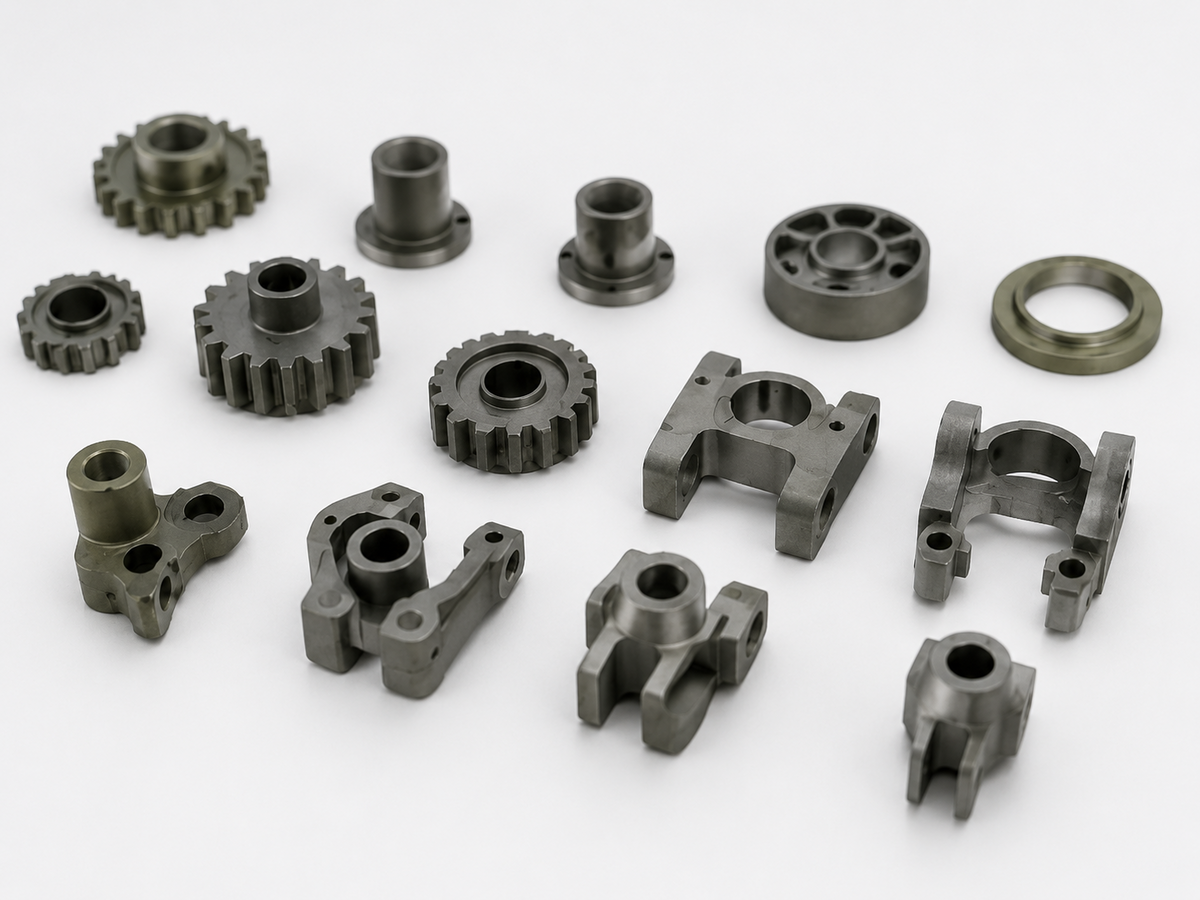
Типичные кандидаты часто включают:
-
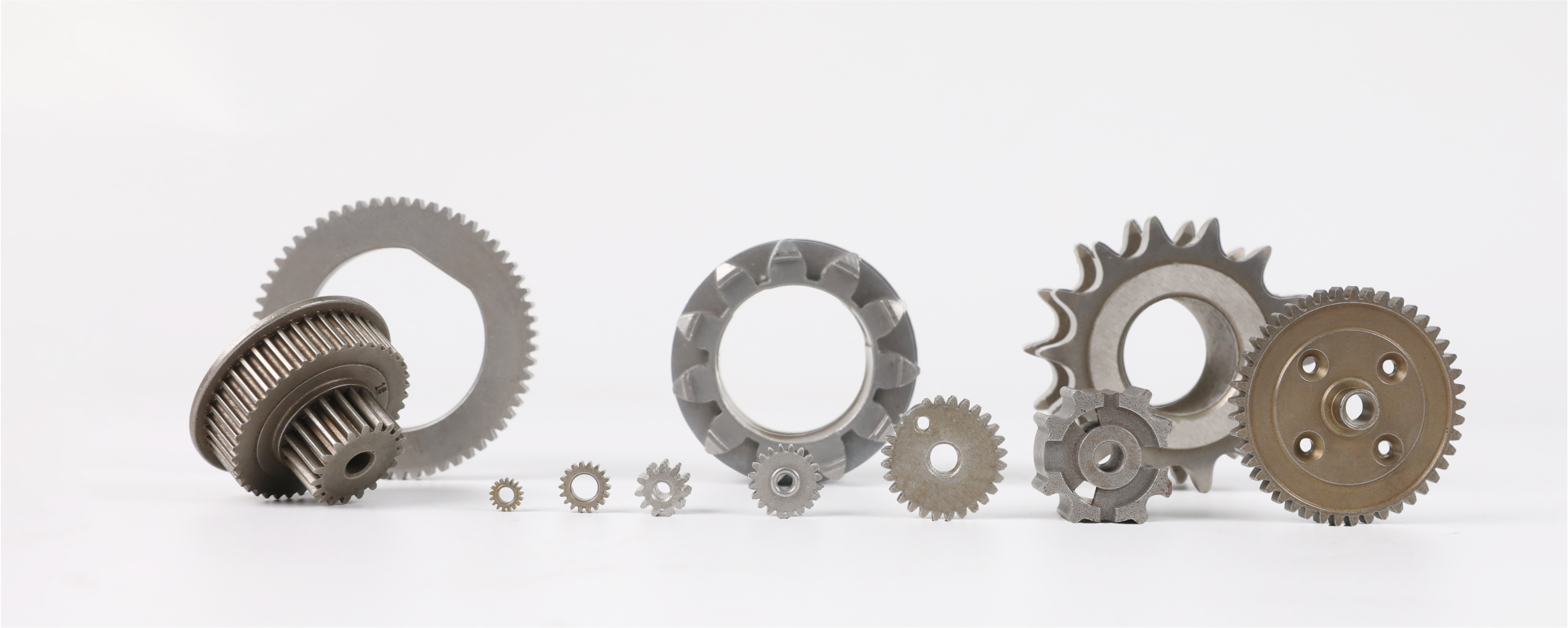
Малые шестерни
-
Втулки
-
Втулки
-
Кулачки
-
Конструкционные соединители
-
Металлические компоненты, связанные с двигателем
-
Повторяющиеся детали трансмиссии
-
Компоненты подшипников с масляной пропиткой
Эти детали обычно имеют несколько общих характеристик:
-
Их геометрия относительно стабильна во времени
-
Их годовой объем достаточно высок, чтобы оправдать затраты на оснастку
-
Их функция не зависит от сильно нерегулярной свободной геометрии
-
На их себестоимость производства влияют многократные этапы механической обработки
-
Их конструкция может работать в рамках производственной логики на основе прессования

Именно поэтому детали порошковой металлургии часто встречаются в автомобильных системах, промышленном оборудовании, электроинструментах, моторных узлах, системах блокировки и других механических приложениях с большим объемом производства.
Порошковая металлургия часто наиболее эффективна не для самых визуально сложных деталей, а для самых часто производимых деталей.
Почему ценность порошковой металлургии выходит за рамки экономии материала
Многие статьи сводят преимущество процесса порошковой металлургии к одной фразе: высокая эффективность использования материала. Это правда, но неполная.
Настоящая ценность шире и обычно проявляется тремя взаимосвязанными способами.
1. Лучшая эффективность материала
Если небольшая деталь обрабатывается из более крупной заготовки, большая часть этого сырья может превратиться в отходы. При крупносерийном производстве эти отходы становятся проблемой стоимости, особенно когда стоимость сплава не низкая.
2. Меньшая нагрузка на обработку при большом объеме
Преимущество заключается не в том, что порошковая металлургия устраняет каждую вторичную операцию. Настоящее преимущество состоит в том, что она может сократить количество повторных операций резки, необходимых для тысяч или миллионов деталей.
3. Более стабильная логика массового производства
Процесс, который работает один раз, не то же самое, что процесс, который работает многократно в масштабе. Для подходящих деталей порошковая металлургия может обеспечить более стабильный производственный путь, где использование материала, форма детали и последующая обработка более предсказуемы.
Эта комбинация объясняет, почему порошковая металлургия по-прежнему конкурентоспособна во многих промышленных применениях, хотя другие процессы часто легче объяснить.
Порошковая металлургия не является универсальной низкозатратной альтернативой
Именно здесь многие общие статьи становятся вводящими в заблуждение. Порошковая металлургия не является автоматически самым дешевым вариантом только потому, что деталь небольшая, металлическая и производится в больших количествах.
Несколько условий могут быстро ослабить ценовое преимущество:
-
Дизайн меняется слишком часто
-
Критические элементы не совпадают с направлением прессования
-
Слишком много жестких допусков ожидается непосредственно от формовки
-
Вторичная обработка оказывается более обширной, чем ожидалось
-
Годовой объем недостаточен для покрытия затрат на оснастку
Деталь может выглядеть привлекательной для PM во время расчета, но стать гораздо менее привлекательной, когда начнется инженерная оценка. Вот почему лучшие PM-проекты обычно не те, которые имеют самые агрессивные предположения. Это те, которые имеют наиболее реалистичное соответствие процесса на ранней стадии.
Возможность изготовления детали методом порошковой металлургии не означает ее экономичность при порошковой металлургии.
Порошковая металлургия против фрезерования на ЧПУ против MIM против литья под давлением
Самый наглядный способ объяснить порошковую металлургию — сопоставить ее с другими производственными маршрутами.
| Процесс | Наилучшее соответствие | Основное преимущество | Основное ограничение |
|---|---|---|---|
| Порошковая металлургия | Высокообъемные, малые, повторяющиеся конструкционные детали | Хорошая эффективность материала и масштабируемая экономика производства | Геометрия должна соответствовать логике прессования |
| Фрезерование на ЧПУ | Низкий объем, прототипирование, сложная геометрия, частые доработки | Высокая гибкость и сильный размерный контроль | Отходы материала и время обработки могут быть высокими при большом объеме |
| MIM | Малые детали с более сложной 3D геометрией | Лучшие возможности по сложности формы | Более длинная технологическая цепочка и другая структура затрат |
| Литье под давлением | Средне- и высокообъемные детали из цветных металлов | Высокая эффективность формования для литых геометрий | Другая логика материала и дизайна по сравнению с порошковой металлургией |
Здесь важны два момента.
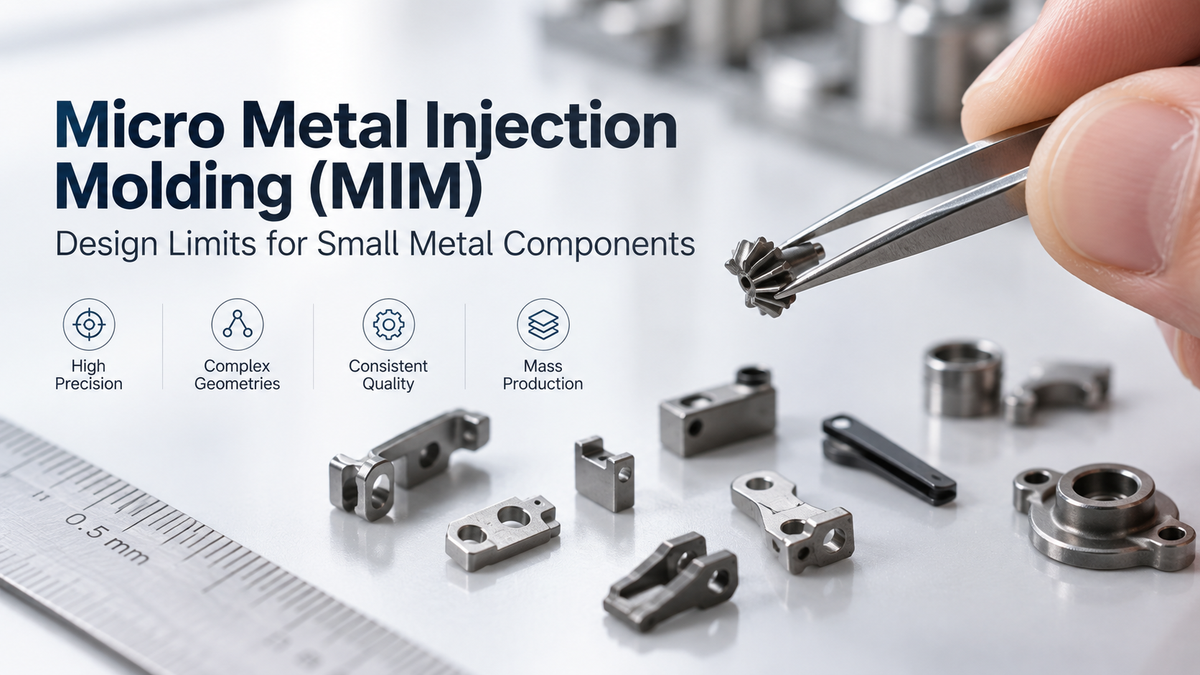
Во-первых, MIM – это не просто усовершенствованная версия PM. Это другой путь для других геометрических условий.
Во-вторых, обработка на ЧПУ не всегда является самым безопасным долгосрочным выбором для производства. Она гибка, да, но как только объем увеличивается, экономика может значительно измениться.
Вот почему порошковая металлургия против механической обработки — это не просто техническое сравнение. Это решение по производственной стратегии.
Где порошковая металлургия имеет явные конструктивные ограничения
Настоящая инженерная ценность заключается в понимании не только того, где процесс работает, но и того, где он начинает давать сбои.
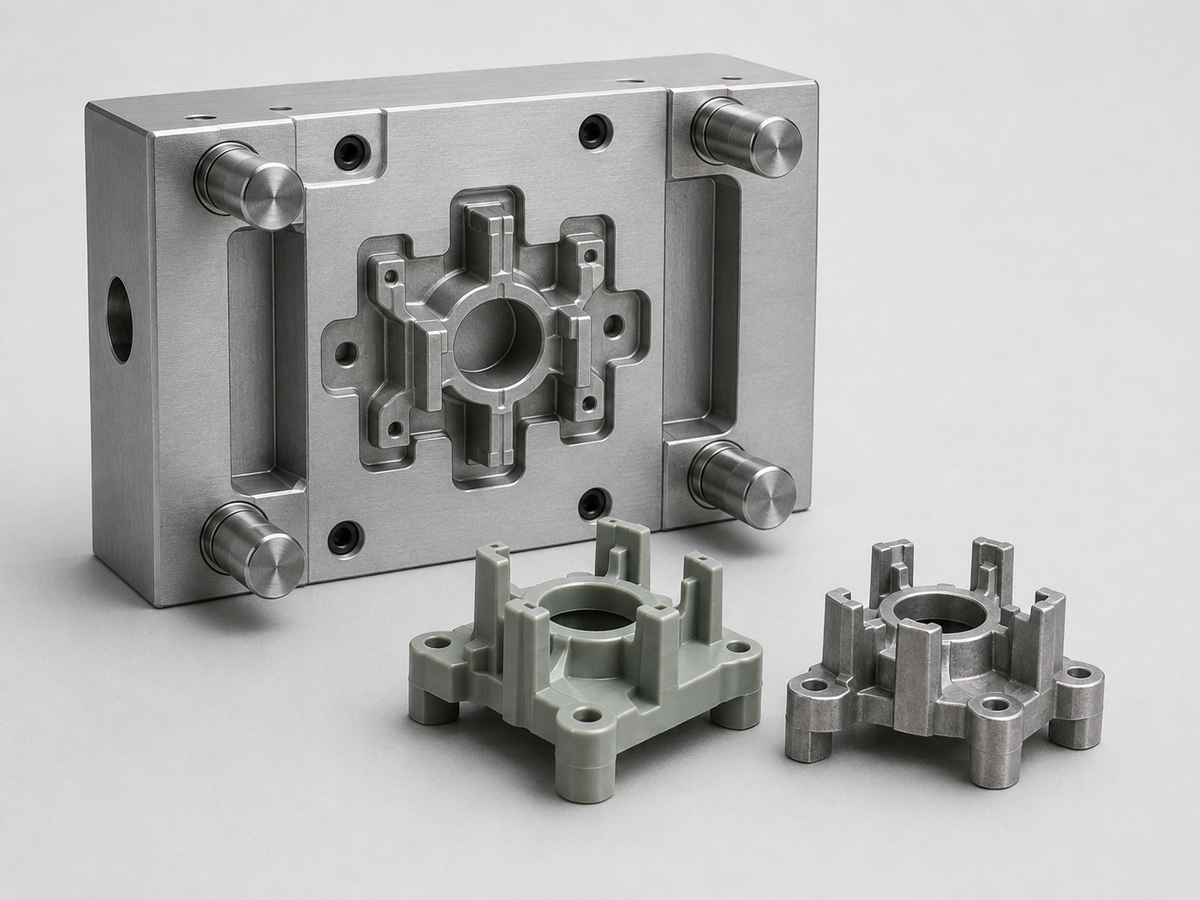
Для традиционной порошковой металлургии с прессованием и спеканием направление прессования является одной из важнейших конструктивных реалий. Если основные элементы не вписываются естественным образом в это направление формования, конструкция может потребовать изменений, вторичных операций или совершенно другого процесса.
Другие распространенные ограничения включают:
-
Большие и резкие изменения толщины стенок
-
Элементы, которые зависят от сложной неподдерживаемой геометрии
-
Слишком много критических зон допусков, распределенных по нескольким поверхностям
-
Чрезмерно оптимистичные ожидания относительно контроля размеров после спекания
-
Функции детали, требующие характеристик материала, выходящих за рамки практического диапазона проектирования PM
Это не означает, что порошковая металлургия неточна или неэффективна. Это означает, что эти результаты должны быть правильно спроектированы. Самые сильные проекты порошковой металлургии обычно те, которые правильно разделяют требования к деталям:
-
Что можно формировать напрямую
-
Что следует калибровать
-
Что необходимо обрабатывать
-
Что следует упростить на стадии проектирования
Порошковая металлургия не является неточной. Это просто процесс, который должен обеспечивать нужную точность в нужных местах.

Почему некоторые предложения по порошковой металлургии выглядят хорошо, но производство — нет
Это один из самых полезных разделов для покупателей, потому что многие ошибки в поиске начинаются именно здесь.
Деталь изначально может показаться подходящим кандидатом для порошковой металлургии, потому что она небольшая, прогнозируемый объем производства высок, а структура не кажется слишком сложной. Но как только проект переходит от стадии коммерческого предложения к инженерной оценке, часто обнаруживаются скрытые факторы затрат.
Типичные примеры включают:
-
Деталь казалась простой, но фактическая геометрия не подходила для направления прессования
-
На чертеже были указаны жесткие допуски для слишком большого количества поверхностей
-
Предполагалось, что вторичная обработка будет минимальной, но она оказалась существенной
-
Ожидания по материалу или плотности не соответствовали применению
-
Окупаемость оснастки выглядела приемлемой на бумаге, но стабильность спроса была переоценена
Эти проблемы не обязательно означают, что поставщик совершил ошибку. Во многих случаях основная проблема заключается в том, что проект был слишком поспешно оценен на этапе запроса предложений.
| Что выглядит привлекательным на этапе запроса предложений | Что часто становится ясным позже |
|---|---|
| Малая металлическая деталь | Малый размер сам по себе не гарантирует пригодности для порошковой металлургии |
| Большой годовой объем | Объем помогает только в том случае, если геометрия также соответствует процессу |
| Конкурентная начальная цена за единицу | Общая стоимость производства может возрасти после добавления постобработки |
| Простой на вид чертеж | Визуальная простота не всегда означает простоту изготовления |
Вот почему опытные поставщики порошковой металлургии часто задают больше вопросов на ранней стадии. Они не усложняют процесс предложения. Они пытаются предотвратить ситуацию, когда проект с плохим соответствием выглядит более привлекательным, чем он есть на самом деле.
Приоритеты проектирования, которые обычно улучшают проект порошковой металлургии
Хорошо подобранный проект порошковой металлургии – это не тот, который заставляет каждое требование вписываться в один этап формования. Это тот, который оставляет место для эффективной работы процесса.
Во многих успешных компонентах порошковой металлургии по индивидуальному заказу конструкция следует нескольким практическим приоритетам:
-
Четкое и реалистичное направление прессования
-
Контролируемые изменения сечения, а не резкие геометрические переходы
-
Определенное разделение между формованными и механически обработанными размерами
-
Фокус на функциональных допусках, а не на равномерно жестких допусках повсюду
-
Выбор материала, соответствующий фактическим условиям эксплуатации
-
Принятие ограниченных вторичных операций там, где они добавляют ценность
Это не делает дизайн слабее. Это делает производственный путь более реалистичным.
Что покупатели должны подготовить перед запросом коммерческого предложения по порошковой металлургии
Для команд по закупкам одной из самых больших ошибок является предположение, что только файл формы рассказывает всю историю. В PM геометрия — это лишь часть решения.
Более сильный запрос на коммерческое предложение обычно включает:
-
2D-чертежи с указанием критических размеров
-
Данные 3D-модели
-
Ориентировочный годовой объем
-
Ожидаемый характер заказа
-
Требования к материалу
-
Ожидания по прочности, твердости или плотности
-
Требования к обработке поверхности, если таковые имеются
-
Критические функциональные или сборочные элементы
-
Приемлема ли вторичная механическая обработка
Предоставление этой информации на ранней стадии ведет к лучшим решениям по процессу и более реалистичным ценам. Это также помогает избежать повторных пересмотров предложений позже.
Лучшие предложения по порошковой металлургии обычно строятся на полной информации о применении, а не только на геометрии детали.
Заключительные мысли
Металлическая порошковая металлургия не должна рассматриваться как универсальный заменитель механической обработки, а также как процесс, выбранный просто потому, что деталь мала и изготовлена из металла. Ее истинная ценность проявляется, когда деталь, объем, логика проектирования и производственная цель совпадают с тем, что процесс делает хорошо.
Для правильной категории деталей порошковая металлургия может предложить:
-
Лучшее использование материала
-
Меньшая нагрузка при повторной механической обработке
-
Более масштабируемая экономика производства
-
Более высокая повторяемость производства
-
Более практичный путь для долгосрочного производства
Но ни одно из этих преимуществ не должно приниматься автоматически. Они зависят от правильного выбора процесса для детали с самого начала.
Это наиболее полезный способ понять металлическую порошковую металлургию: не как общее описание процесса, а как производственный выбор со специфическими сильными сторонами, четкими границами и реальной экономической ценностью при правильном использовании.
SEO FAQ
Подходит ли порошковая металлургия для сложных деталей?
Это зависит от того, что означает «сложный». Порошковая металлургия может обрабатывать многие полезные конструктивные элементы, но если деталь зависит от сильно нерегулярной 3D-геометрии или сложных боковых элементов, может быть более подходящим другой процесс, такой как MIM или фрезерование с ЧПУ.
Дешевле ли порошковая металлургия, чем фрезерование с ЧПУ?
Не всегда. Порошковая металлургия может быть более экономичной для высокообъемных, стабильных конструкций, особенно когда важны отходы материала и время цикла. Для малообъемных или часто пересматриваемых деталей фрезерование с ЧПУ может быть более практичным.
Какие типы деталей обычно изготавливаются методом порошковой металлургии?
Распространенные примеры включают шестерни, втулки, гильзы, кулачки, детали трансмиссии, компоненты, связанные с двигателем, и другие мелкие конструкционные металлические детали, производимые в больших объемах.
Какая самая большая ошибка в проектировании в проектах порошковой металлургии?
Одной из самых больших ошибок является предположение, что все критические размеры должны быть получены непосредственно из одного этапа формования. Успешные проекты порошковой металлургии обычно более реалистично разделяют формованные, калиброванные и механически обработанные элементы.

Делиться:
Литье под давлением нержавеющей стали: Краткое 5-минутное руководство по оценке
Освоение материалов для литья металлов под давлением (MIM): от применения до выбора