


Литье металлов под давлением и порошковая металлургия: как выбрать правильный процесс
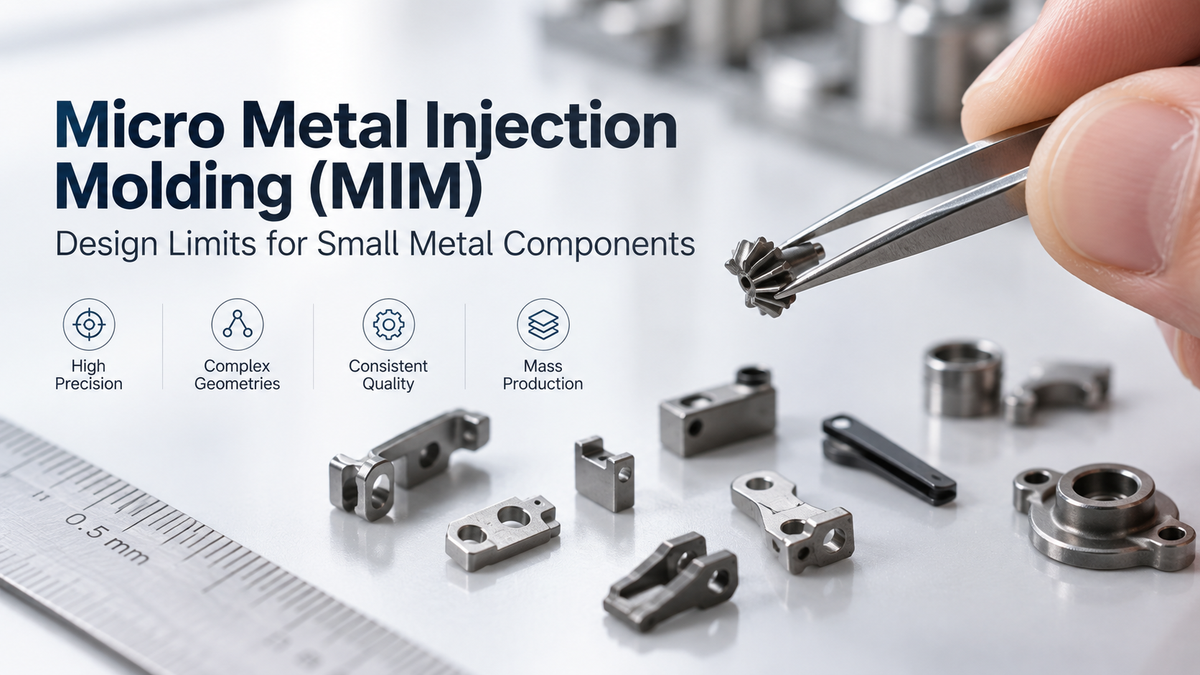
Литье металлов под давлением (MIM) и порошковая металлургия (PM) используют металлический порошок и спекание для производства деталей. Однако метод формования создает существенные различия в возможностях геометрии, прочности, точности и стоимости.
Выбор неправильного процесса может увеличить затраты или снизить производительность. Это руководство объясняет реальные инженерные различия и помогает выбрать правильный процесс.
Метод формования определяет возможности
Основное различие между MIM и PM заключается в том, как порошок формирует деталь.
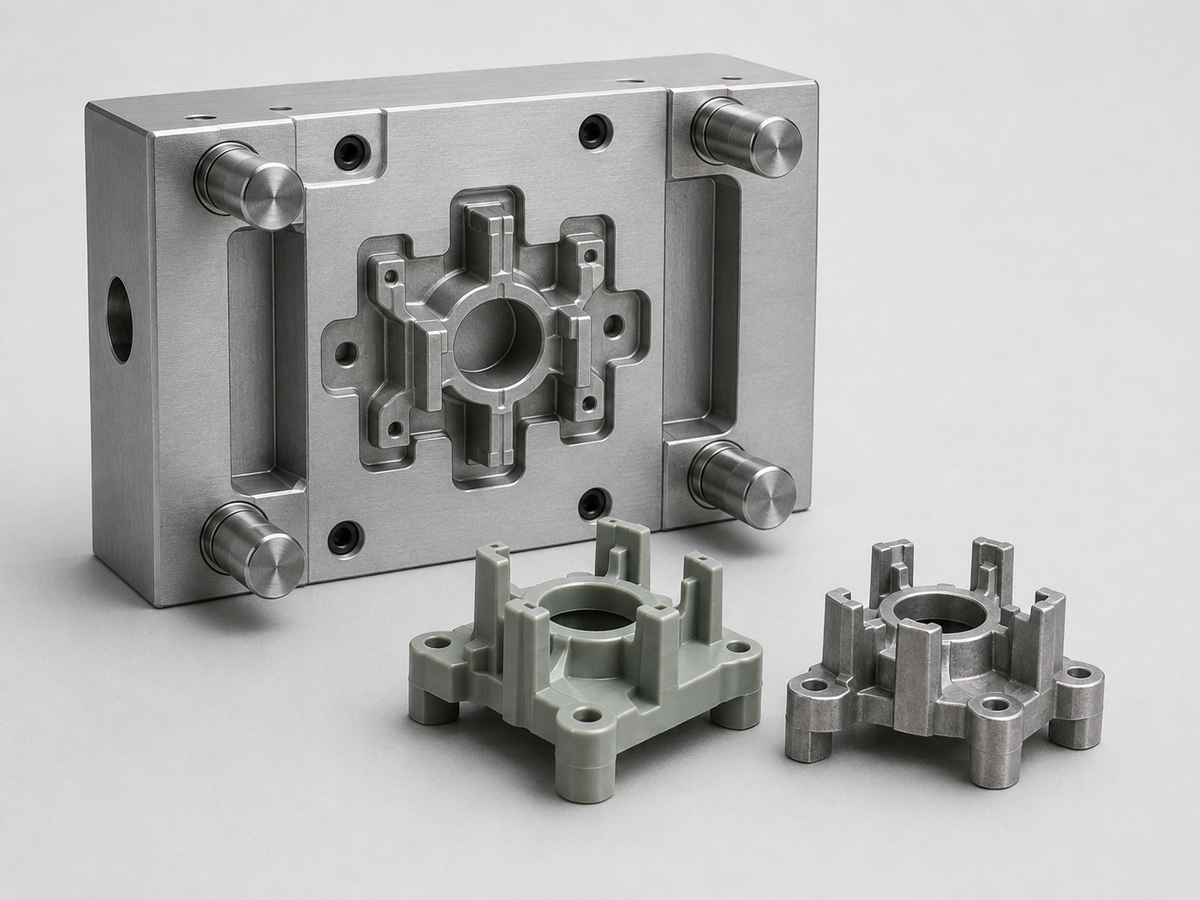
MIM использует смесь металлического порошка и связующего. Исходный материал поступает в полость формы во время инжекции. Этот поток позволяет материалу заполнять сложные формы.
В PM используется механическое прессование. Жесткий пуансон сжимает сухой порошок в форму. Деталь должна выходить прямо из матрицы.
Это ограничение ограничивает геометрию.
Из-за этого различия:
-
MIM поддерживает сложные формы
-
PM поддерживает более простые формы
-
MIM обеспечивает более однородную плотность
-
PM имеет больше геометрических ограничений
Метод формования определяет все остальное.
Сравнение основных возможностей
В таблице ниже показаны основные инженерные различия.
| Параметр | Литье металлов под давлением (MIM) | Порошковая металлургия (PM) |
|---|---|---|
| Метод формования | Литье под давлением | Механическое прессование |
| Плотность | 96–99% | 85–95% |
| Типичный допуск | ±0.3% | ±0.5–1.0% |
| Минимальная толщина стенки | ~0.3 мм | ~1.0–1.5 мм |
| Возможности геометрии | Сложная | Ограниченная |
| Поднутрения | Поддерживаются | Не поддерживаются |
| Механическая прочность | Выше | Умеренная |
| Идеальный размер детали | Малый и средний | Средний и большой |
| Экономичность | Сложные детали | Простые детали |
Эти значения отражают реальные производственные возможности.
Возможности геометрии обычно являются первым фактором выбора
Геометрия является наиболее важным фактором выбора.
PM требует вертикального прессования и выталкивания. Это требование ограничивает свободу дизайна.
PM не может формировать:
-
Поднутрения
-
Боковые отверстия
-
Внутренние каналы, перпендикулярные направлению прессования
-
Сложные 3D-элементы
MIM не имеет этих ограничений. Материал течет и полностью заполняет полость.
Это позволяет:
-
Тонкие стенки
-
Внутренние элементы
-
Сложная внешняя геометрия
-
Многонаправленные элементы

Сравнение возможностей:
| Характеристика | MIM | PM |
|---|---|---|
| Тонкие стенки (<0.5 мм) | Поддерживаются | Не поддерживаются |
| Поднутрения | Поддерживаются | Не поддерживаются |
| Боковые отверстия | Поддерживаются | Ограничены |
| Сложные 3D-формы | Поддерживаются | Ограничены |
| Простые формы | Поддерживаются | Поддерживаются |
Если деталь не может быть извлечена вертикально, PM обычно невозможна.
Плотность напрямую влияет на прочность
Плотность является ключевым фактором производительности.
Повышенная плотность улучшает:
-
Прочность
-
Усталостную прочность
-
Конструкционную надежность
MIM обеспечивает более высокую плотность. Порошок равномерно распределяется перед спеканием.
PM производит меньшую плотность. Механическое прессование создает больше остаточной пористости.
Типичная плотность:
-
MIM: 96–99%
-
PM: 85–95%
Это различие влияет на механические характеристики.
В результате:
-
Детали MIM имеют более высокую прочность
-
Детали MIM лучше сопротивляются усталости
-
Детали PM хорошо подходят для умеренных нагрузок
Пористость PM может быть полезна в самосмазывающихся применениях, таких как втулки. Однако она снижает общую прочность.
Допуск и точность
MIM обеспечивает лучший контроль размеров.
Типичные допуски:
-
MIM: ±0.3%
-
PM: ±0.5–1.0%
MIM подходит для прецизионных компонентов, таких как:
-
Детали медицинских приборов
-
Оптические компоненты
-
Электронные компоненты
PM хорошо подходит для менее критичных допусков.
Экономичность зависит от сложности детали
Стоимость сильно зависит от геометрии.
PM имеет преимущества для простых деталей:
-
Низкая стоимость оснастки
-
Более быстрое время цикла
-
Более низкая стоимость за деталь
PM идеально подходит для:
-
Простых шестерен
-
Втулок
-
Конструкционных компонентов
MIM становится более рентабельным, когда геометрия сложна.
MIM сокращает:
-
ЧПУ-обработку
-
Вторичные операции
-
Этапы сборки
Это снижает общую стоимость производства.
Правило стоимости:
-
Простая геометрия → PM дешевле
-
Сложная прецизионная геометрия → MIM дешевле
Руководство по инженерному выбору
Используйте эту таблицу для быстрого выбора.
| Требование | Рекомендуемый процесс |
|---|---|
| Сложная геометрия | MIM |
| Тонкие стенки | MIM |
| Жесткие допуски | MIM |
| Высокая прочность | MIM |
| Простая геометрия | PM |
| Большой размер детали | PM |
| Наименьшая стоимость для простых деталей | PM |
Это руководство отражает типичную производственную практику.
Типичные применения
Распространенные применения MIM
MIM широко используется для прецизионных компонентов:
-
Компоненты медицинских приборов
-
Компоненты оптических систем
-
Электронные компоненты
-
Прецизионные механические детали
Эти применения требуют:
-
Сложной геометрии
-
Высокой точности
-
Высокой прочности
Распространенные применения PM
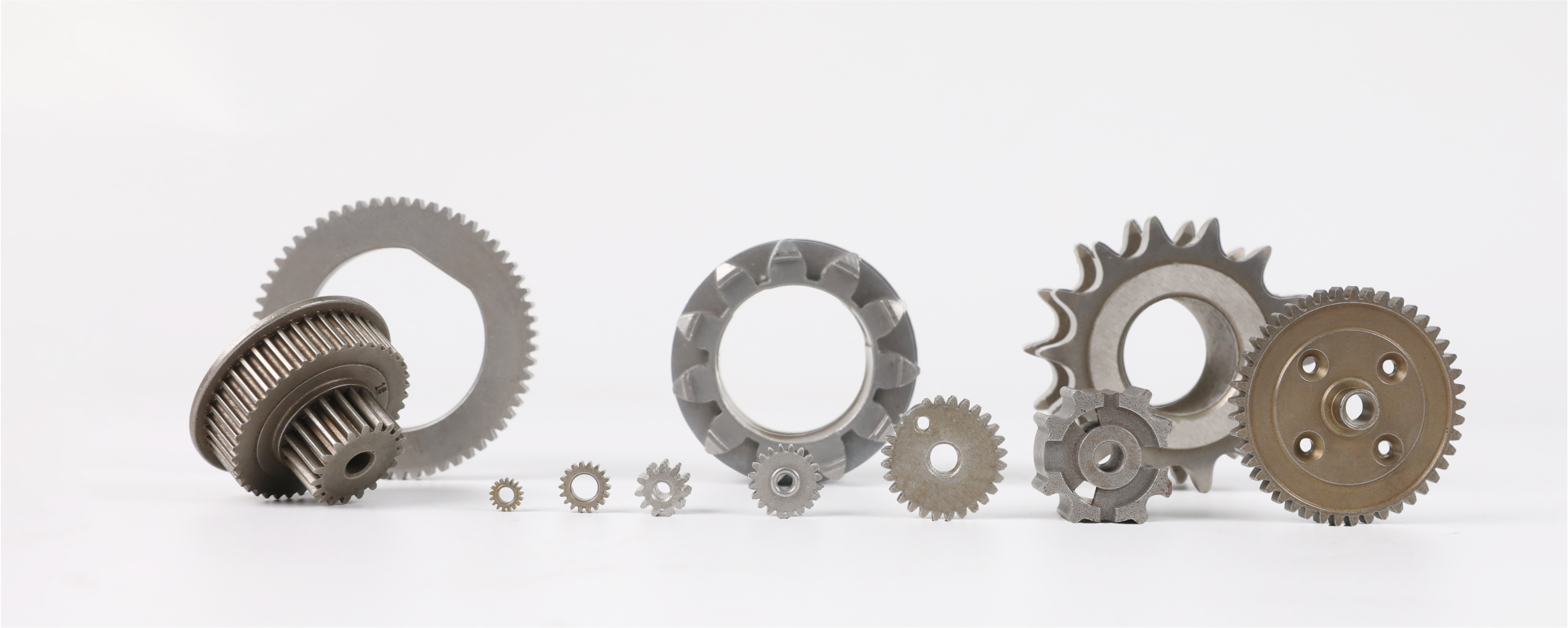
PM широко используется для конструкционных компонентов:
-
Шестерни
-
Втулки
-
Конструкционные детали
-
Автомобильные компоненты
Эти детали обычно имеют более простую геометрию.
Когда выбирать MIM или PM
Выбирайте MIM, когда деталь требует:
-
Сложной геометрии
-
Тонких стенок
-
Высокой точности
-
Высокой прочности
-
Минимальной механической обработки
Выбирайте PM, когда деталь требует:
-
Простой геометрии
-
Большего размера
-
Низкой стоимости
-
Высоких объемов производства
Правильный выбор зависит от инженерных требований, а не от предпочтений в процессе.

Заключение
Литье металлов под давлением и порошковая металлургия обслуживают различные диапазоны возможностей.
MIM обеспечивает:
-
Возможность создания сложной геометрии
-
Более высокую плотность
-
Лучшую прочность
-
Высшую точность
PM обеспечивает:
-
Более низкую стоимость для простых деталей
-
Эффективное крупносерийное производство
-
Хорошую производительность для конструкционных применений
Геометрия, прочность, допуски и стоимость определяют правильный процесс.

Делиться:
Изостатическое прессование: Принципы, различия в процессах и промышленное применение
Выбор правильного производителя керамических подшипников: что вам нужно знать