

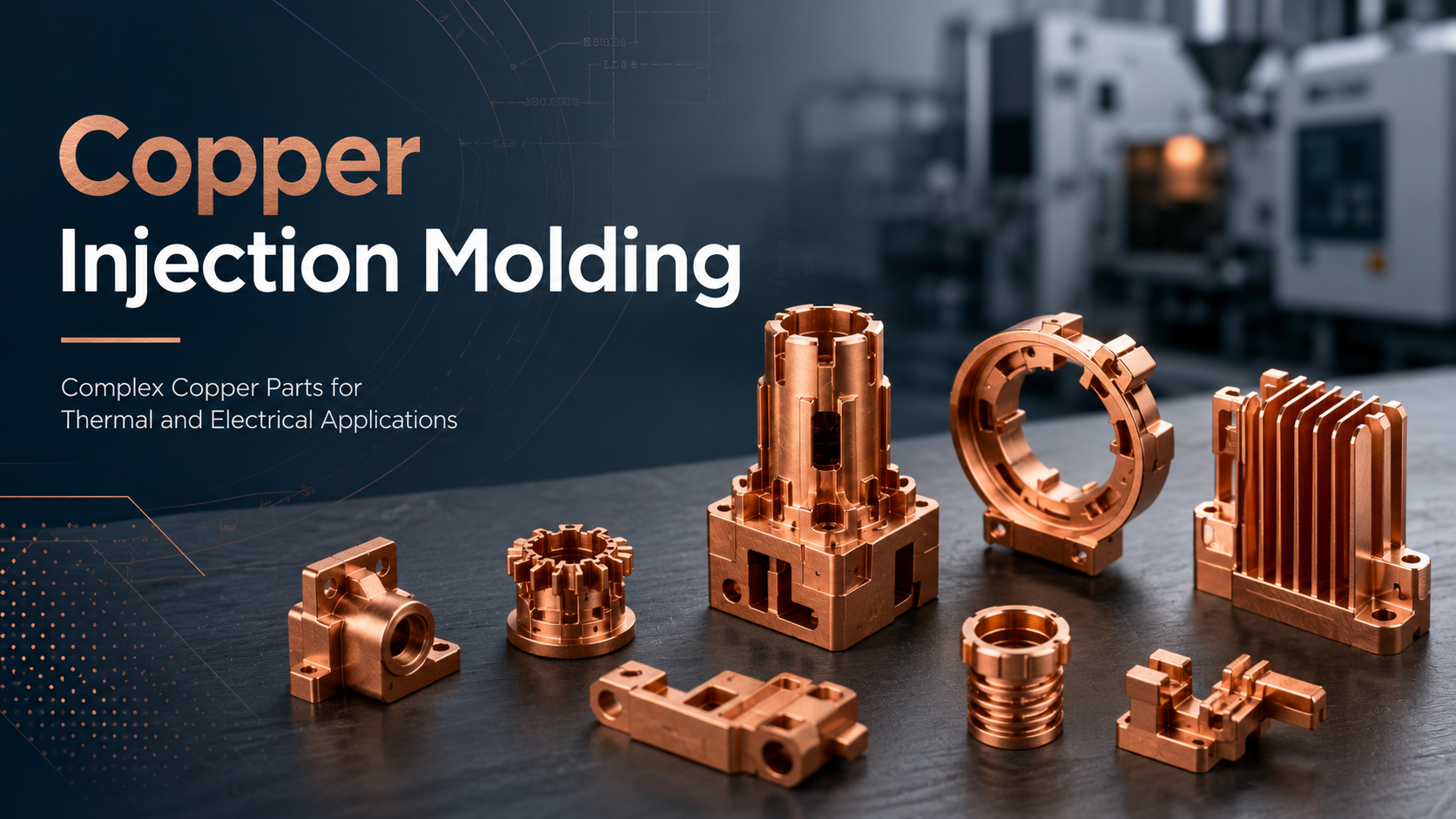
La inyección de cobre metalurgia, también conocida como Cobre MIM o CuMIM, es un proceso de moldeo por inyección de metal utilizado para producir piezas de cobre pequeñas y complejas con requisitos de rendimiento térmico y eléctrico. Es especialmente adecuada para componentes que requieren la conductividad del cobre pero que son difíciles o caros de producir mediante mecanizado CNC, estampado o métodos de conformado convencionales.
Lee este artículo sobre la inyección de metalurgia de cobre para piezas de cobre personalizadas, y la experiencia práctica en la que puedes confiar. Envíanos ahora tus planos de piezas de cobre, y nuestro equipo experto te proporcionará una evaluación gratuita y especial de un plan de mecanizado personalizado y consejos para ahorrar costes.

¿Qué es el moldeo por inyección de cobre?
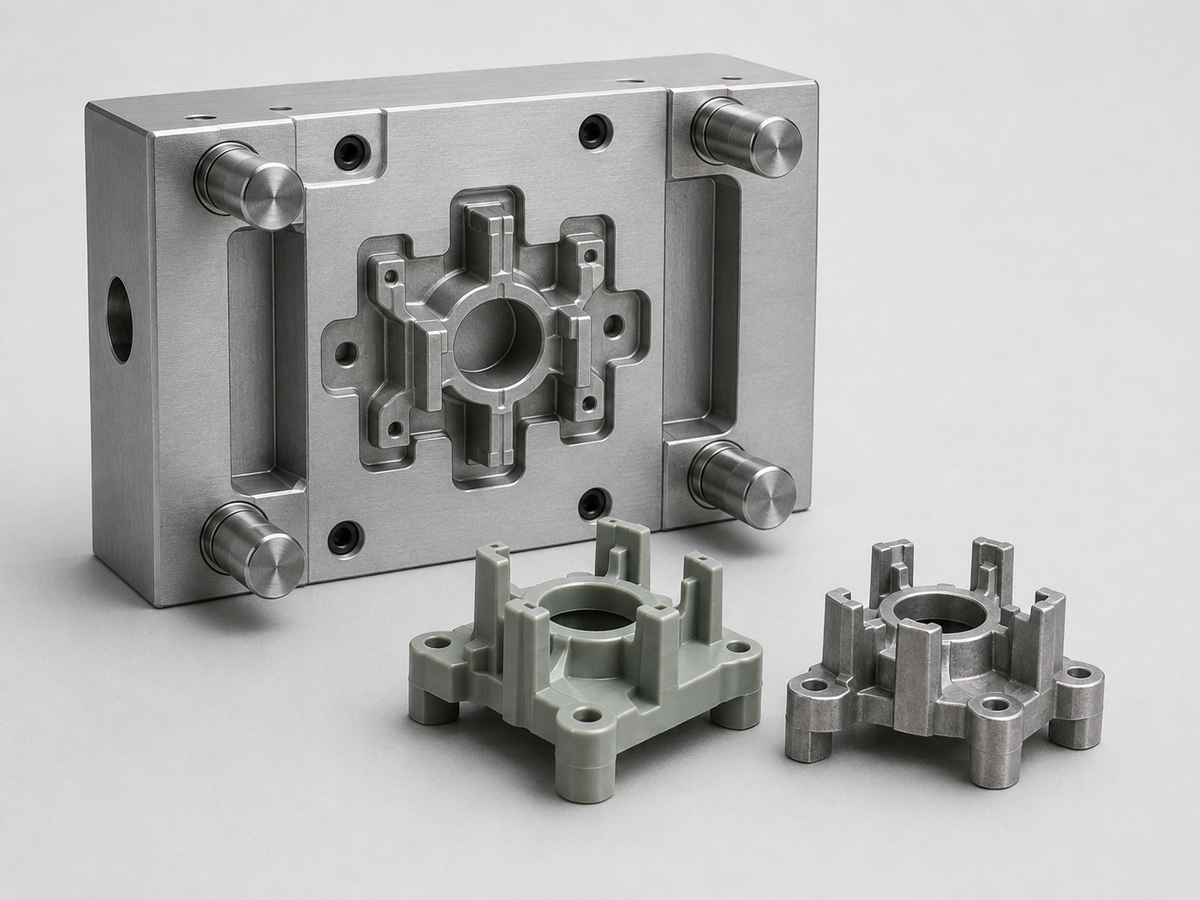
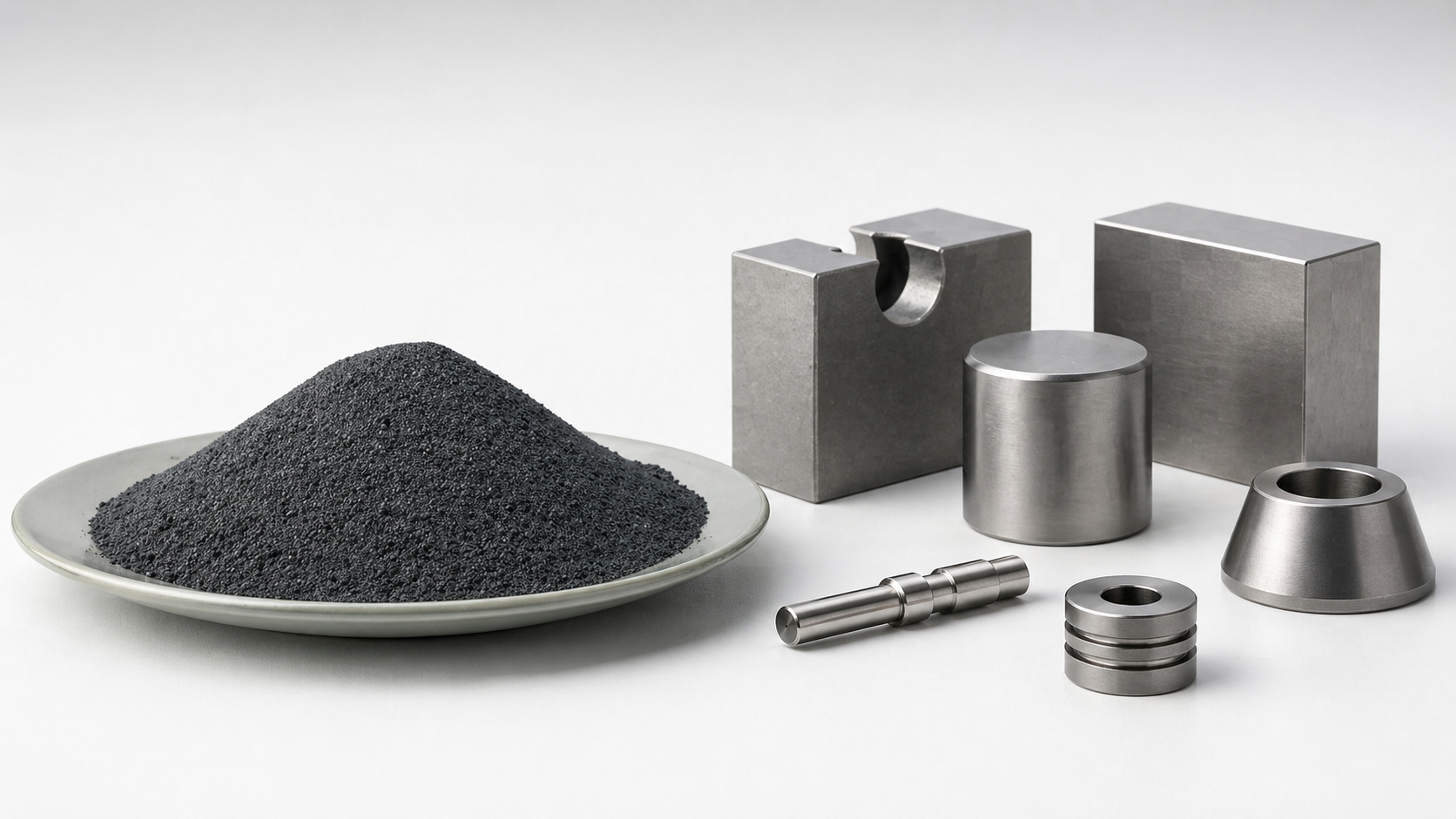
El moldeo por inyección de cobre es un proceso de moldeo por inyección de metal que combina polvo fino de cobre o aleación de cobre con un sistema de aglutinante temporal. Esta mezcla, llamada materia prima, se inyecta en una cavidad del molde para formar la forma de pieza requerida. Después del moldeo, el aglutinante se elimina mediante desaglomerado, y la pieza se sinteriza a alta temperatura para crear un componente de cobre metálico denso.
La pieza final no es de plástico. Es una pieza de metal hecha de cobre o material a base de cobre.
El proceso básico suele incluir:
-
Preparación de la materia prima: El polvo de cobre se mezcla con un sistema aglutinante para crear una materia prima moldeable.
-
Moldeo por inyección: La materia prima se inyecta en un molde de precisión para formar la pieza en verde.
-
Desaglomerado: El aglutinante se elimina mediante un proceso térmico o basado en disolventes controlado.
-
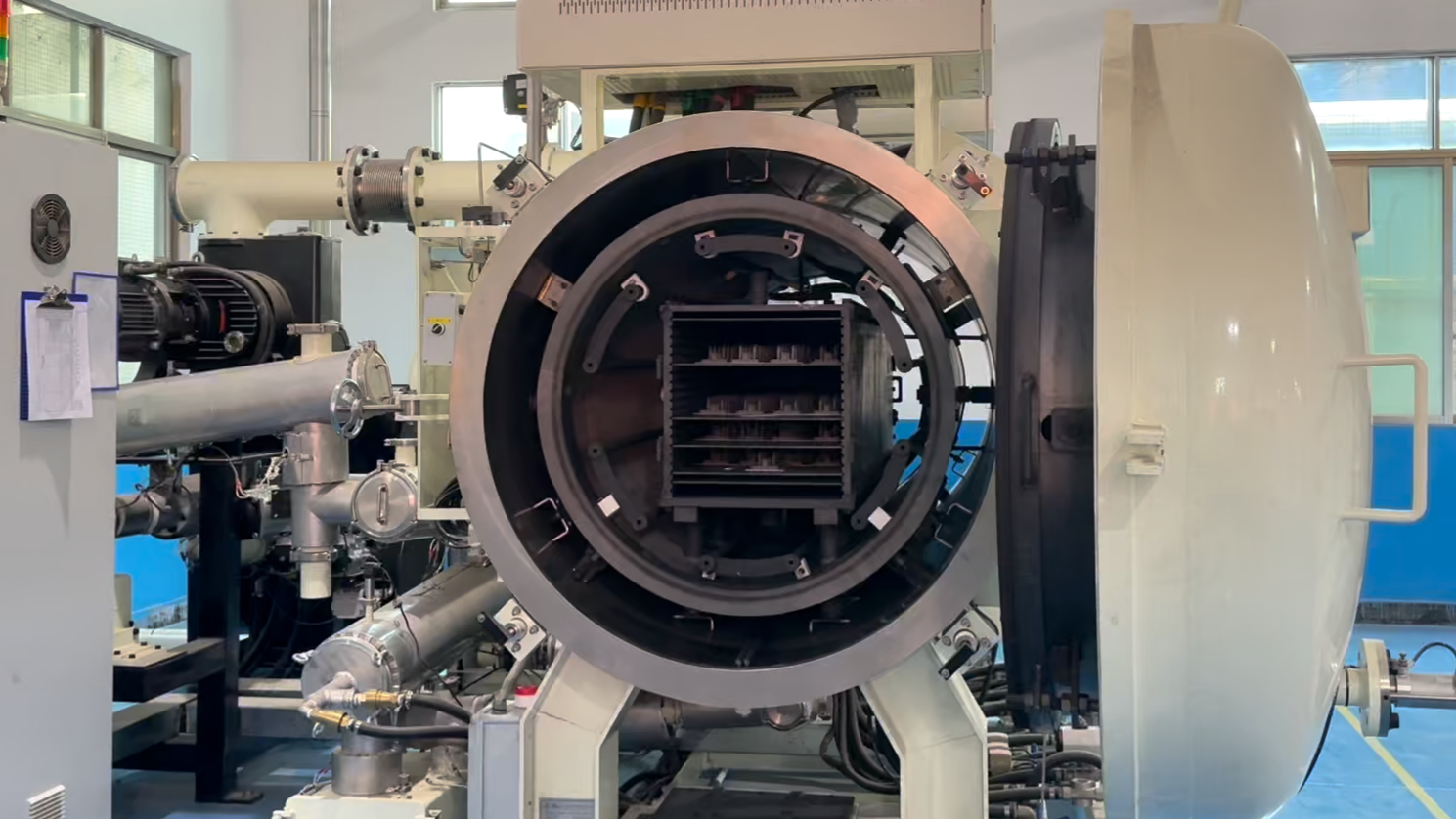
Sinterización: La pieza se calienta para unir las partículas metálicas y formar un componente de cobre denso.
-
Operaciones secundarias: Dependiendo de los requisitos del plano, la pieza puede necesitar mecanizado CNC, roscado, pulido, chapado, limpieza o inspección.
El moldeo por inyección de cobre es especialmente útil cuando la pieza tiene una geometría compleja, características pequeñas, paredes delgadas, detalles internos o una forma que sería difícil de producir eficientemente mediante el mecanizado tradicional.
¿Por qué utilizar cobre para piezas moldeadas por inyección de metal?
El cobre se utiliza en aplicaciones de ingeniería debido a su excelente conductividad térmica y conductividad eléctrica. Estas propiedades hacen que el cobre sea adecuado para piezas que necesitan transferir calor, conducir corriente, proporcionar conexión a tierra o soportar funciones electrónicas.
En muchas industrias, el principal desafío no es solo seleccionar el cobre como material. El desafío más difícil es fabricar un componente de cobre con la forma, el tamaño y las características funcionales requeridas.
El moldeo por inyección de cobre ayuda a resolver este problema al permitir a los ingenieros diseñar piezas de cobre pequeñas y complejas que combinan múltiples funciones en un solo componente.
Las razones comunes para usar cobre en piezas MIM incluyen:
-
Alta conductividad térmica para la disipación de calor
-
Alta conductividad eléctrica para componentes conductores de corriente
-
Libertad de diseño para geometrías pequeñas y complejas
-
Capacidad de integrar funciones de montaje, contacto y térmicas
-
Producción repetible para proyectos de volumen medio a alto
-
Posible reducción de costos en comparación con el mecanizado CNC en piezas complejas
Sin embargo, el rendimiento térmico y eléctrico final depende de la calidad del polvo, la densidad de sinterización, el control de oxígeno, la porosidad, la selección del material, la geometría de la pieza y los requisitos de prueba. Por lo tanto, los valores de conductividad deben confirmarse según el proyecto específico en lugar de asumirse a partir de datos generales del material de cobre.

¿Cuándo debería elegir el moldeo por inyección de cobre?
El moldeo por inyección de cobre suele considerarse cuando la pieza es pequeña, compleja y se requiere en un volumen de producción medio a alto.
A menudo es adecuado cuando:
-
La pieza requiere el rendimiento térmico o eléctrico del cobre
-
La geometría es demasiado compleja para un estampado simple
-
El mecanizado CNC se vuelve caro en volumen de producción
-
La pieza incluye pequeños orificios, paredes delgadas, aletas, pasadores o características integradas
-
Varias funciones deben combinarse en una pieza de cobre
-
El cliente necesita una producción repetible después de la validación del diseño
El MIM de cobre no siempre es la primera opción para prototipos o formas simples. Si la pieza es grande, simple o solo se necesita en muy pequeña cantidad, el mecanizado CNC o el estampado pueden ser más prácticos.
Una buena manera de pensar en el moldeo por inyección de cobre es esta:
Elija el moldeo por inyección de cobre cuando la complejidad de la pieza y el volumen de producción justifiquen el utillaje del molde y el proceso de sinterización.
Aplicaciones típicas del moldeo por inyección de cobre
El moldeo por inyección de cobre se utiliza principalmente para componentes de cobre pequeños y complejos donde la conductividad térmica, la conductividad eléctrica o un diseño funcional compacto son importantes.
Disipadores de calor de cobre y piezas de gestión térmica
El cobre se utiliza ampliamente para la gestión térmica porque puede transferir calor de manera eficiente. El moldeo por inyección de cobre puede considerarse para disipadores de calor compactos, esparcidores de calor, piezas de transferencia térmica y componentes relacionados con la refrigeración con geometría compleja.
Por ejemplo, un disipador de calor de cobre puede incluir:
-
Estructuras de aletas de pasador
-
Características de pared delgada
-
Orificios de montaje integrados
-
Formas tridimensionales complejas
-
Superficies de contacto para módulos electrónicos
-
Pequeñas vías térmicas dentro de un espacio de ensamblaje limitado
El mecanizado CNC puede producir muchos disipadores de calor de cobre, pero el mecanizado se vuelve menos eficiente cuando el diseño incluye muchas aletas pequeñas, pasadores, cavidades o características complejas repetidas. El MIM de cobre puede proporcionar una mayor libertad de diseño y una eficiencia de producción más estable para este tipo de piezas.
Contactos eléctricos y componentes conductores
El cobre y las aleaciones de cobre se utilizan comúnmente para contactos eléctricos, piezas conductoras, terminales y componentes que transportan corriente.
Para terminales planos simples, el estampado suele ser el proceso más rentable. Pero cuando la pieza tiene una estructura tridimensional, una geometría de contacto compleja, pequeños detalles funcionales o características mecánicas integradas, el moldeo por inyección de cobre puede ser una mejor opción.
El MIM de cobre puede considerarse para:
-
Contactos eléctricos
-
Inserciones conductoras
-
Piezas de conectores
-
Componentes de conmutación
-
Componentes de puesta a tierra
-
Elementos conductores personalizados
El material correcto depende de la conductividad, resistencia, dureza, resistencia al desgaste, acabado superficial y requisitos de chapado.
Conectores y terminales
Los conectores y terminales a menudo requieren dimensiones estables, superficies de contacto fiables y un buen rendimiento eléctrico. Cuando el diseño es simple y de chapa, normalmente se prefiere el estampado. Cuando el diseño se vuelve compacto, tridimensional o difícil de formar a partir de chapa metálica, puede considerarse el MIM de cobre.
El moldeo por inyección de cobre permite una mayor libertad para la geometría de la pieza, especialmente cuando la pieza del conector incluye características de montaje, cambios de espesor local, formas internas o estructuras de contacto no planas.
Componentes electrónicos de potencia
La electrónica de potencia a menudo requiere piezas que puedan gestionar el calor y conducir la electricidad al mismo tiempo. El moldeo por inyección de cobre puede utilizarse para piezas de cobre personalizadas en módulos de potencia, sistemas de control, ensamblajes eléctricos y estructuras de gestión térmica.
Estas piezas pueden necesitar combinar:
-
Transferencia de calor
-
Conducción de corriente
-
Soporte mecánico
-
Características de montaje
-
Diseño de ensamblaje compacto
Por esta razón, el MIM de cobre a menudo se evalúa cuando la pieza no es solo un conductor simple, sino un componente funcional dentro de un sistema compacto.
Componentes automotrices, ópticos y de sensores
La electrónica automotriz, los sistemas ópticos, los sensores y los módulos de control industrial a menudo utilizan pequeñas piezas metálicas con exigentes requisitos dimensionales y funcionales. El moldeo por inyección de cobre puede ser adecuado cuando estas piezas requieren tanto el rendimiento del cobre como una geometría compleja.
Las posibles aplicaciones incluyen:
-
Componentes de sensores
-
Piezas de transferencia térmica
-
Pequeñas piezas conductoras
-
Componentes de módulos ópticos
-
Piezas electrónicas automotrices
-
Soportes de cobre compactos o inserciones funcionales
En estas aplicaciones, la revisión temprana del diseño es importante porque la elección del material, la geometría, la tolerancia, el acabado superficial y los requisitos de inspección pueden afectar fuertemente la viabilidad de la fabricación.
Materiales de cobre utilizados en el moldeo por inyección de metal
El moldeo por inyección de cobre puede implicar cobre puro o materiales a base de cobre. El mejor material depende de la conductividad térmica, conductividad eléctrica, resistencia, dureza, resistencia al desgaste, resistencia a la corrosión y condiciones de producción requeridas.
Cobre puro
El cobre puro a menudo se selecciona cuando la conductividad térmica o la conductividad eléctrica son el requisito principal. Se puede utilizar para disipadores de calor, componentes conductores, contactos y piezas de gestión térmica.
Sin embargo, el cobre puro es más blando que muchos metales de ingeniería. Si la pieza también requiere resistencia al desgaste, mayor resistencia o mejor durabilidad mecánica, puede ser necesario considerar una aleación de cobre.
Latón
El latón es una aleación de cobre y zinc. Puede considerarse cuando la pieza necesita un equilibrio de maquinabilidad, resistencia a la corrosión, resistencia mecánica y conductividad moderada.
El MIM de latón puede usarse para pequeñas piezas mecánicas, accesorios, piezas funcionales decorativas o componentes donde la conductividad del cobre puro no es la única prioridad.
Bronce
El bronce generalmente se basa en cobre y estaño, a veces con elementos de aleación adicionales. En comparación con el cobre puro, el bronce puede proporcionar mayor resistencia, resistencia al desgaste y resistencia a la corrosión en ciertas aplicaciones.
El MIM de bronce puede considerarse para piezas pequeñas relacionadas con el desgaste, componentes mecánicos, bujes, piezas de contacto o piezas complejas de aleaciones de cobre.
Cobre-Tungsteno
El cobre-tungsteno es un material compuesto a base de cobre que combina la conductividad del cobre con la resistencia a altas temperaturas, la resistencia al desgaste y las características de baja expansión térmica del tungsteno.
Puede considerarse para contactos eléctricos, piezas resistentes al calor, componentes de gestión térmica y aplicaciones donde el cobre puro no proporciona suficiente resistencia al desgaste o rendimiento a altas temperaturas.
El MIM de cobre-tungsteno debe revisarse cuidadosamente porque las propiedades finales dependen de la composición del polvo, el proceso de sinterización, la densidad, la geometría y los requisitos del proyecto.
La selección de materiales debe basarse en el proyecto
No todos los materiales a base de cobre son adecuados para todos los proyectos de MIM. La disponibilidad del material depende de la materia prima en polvo, la geometría de la pieza, las propiedades requeridas, el volumen de producción y los requisitos de prueba.
Para piezas de cobre moldeadas por inyección personalizadas, la selección del material debe confirmarse durante la etapa de revisión de ingeniería en lugar de decidirse solo por nombres de materiales generales.
Cuándo elegir el moldeo por inyección de cobre en lugar de otros procesos
| Proceso de fabricación | Principales ventajas | Principales limitaciones | Más adecuado para |
| Moldeo por inyección de cobre | Geometría compleja, características integradas, menor costo unitario después del utillaje | Se requiere utillaje de molde; no es ideal para volúmenes muy bajos o piezas grandes y simples | Piezas de cobre 3D pequeñas y complejas con volumen medio a alto |
| Mecanizado CNC | No se requiere molde, flexible para prototipos, fuerte precisión local | Mayor costo unitario para piezas complejas o de alto volumen | Prototipos, piezas de bajo volumen o tolerancias locales estrictas |
| Estampado | Rápido y rentable para piezas de cobre planas | Limitado para formas 3D complejas o espesores variables | Terminales planos, contactos de chapa y piezas conductoras delgadas |
| Fundición a presión | Adecuado para algunas piezas metálicas más grandes y fundición de alto volumen | El cobre puro es difícil de fundir a presión; menos adecuado para piezas pequeñas de precisión | Piezas más grandes o menos precisas, dependiendo del material y la geometría |
En general, el mecanizado CNC es ideal para prototipos y piezas de precisión de bajo volumen, el estampado es ideal para piezas de chapa de cobre planas, y el moldeo por inyección de cobre es ideal para piezas de cobre tridimensionales pequeñas y complejas con un volumen de medio a alto. Para piezas de cobre puro de precisión pequeñas, el MIM de cobre o el mecanizado CNC suelen ser más prácticos que la fundición a presión convencional.
Trabaje con XY-GLOBAL para piezas de cobre moldeadas por inyección personalizadas
Si está evaluando el moldeo por inyección de cobre para una pieza personalizada, XY-GLOBAL puede ayudarle a revisar su diseño, comparar posibles rutas de fabricación y verificar si el MIM de cobre es adecuado para su geometría, requisito de material, tolerancia y volumen de producción.
XY-GLOBAL apoya proyectos de fabricación de precisión personalizados que involucran piezas MIM, piezas mecanizadas por CNC y operaciones de acabado secundario. Para piezas de cobre moldeadas por inyección, podemos ayudar con la revisión temprana del diseño, la selección del proceso, la evaluación de cotizaciones, el post-mecanizado, el tratamiento de superficies y la planificación de la producción.
Para iniciar un proyecto, puede enviarnos su archivo 3D, dibujo 2D, requisitos de material, cantidad y detalles de la aplicación. Nuestro equipo revisará la estructura de la pieza y proporcionará comentarios sobre la capacidad de fabricación, las opciones de proceso y la viabilidad de la cotización.
Compartir:
Prensado de polvo metálico: guía de proceso y comparación con MIM para piezas metálicas de precisión
Micro moldeo médico: componentes metálicos de precisión para dispositivos médicos mediante MIM