

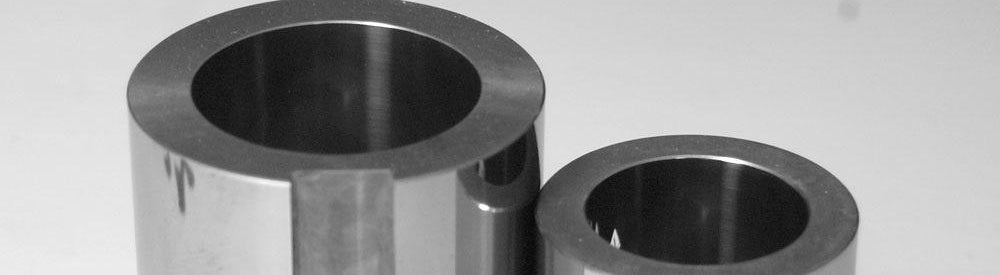
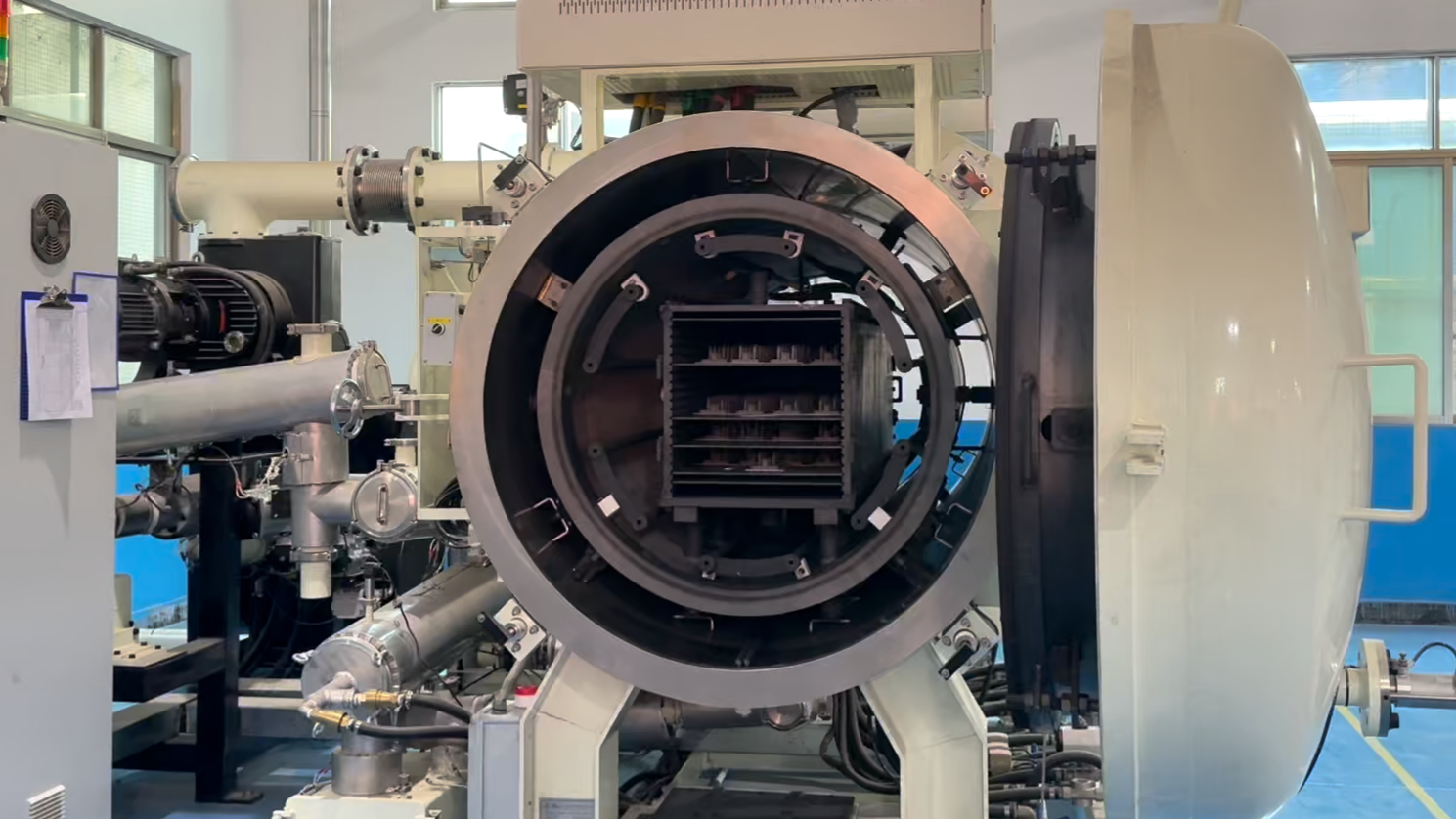
Il carburo è un composto binario formato dal carbonio e da un elemento con elettronegatività inferiore o simile (eccetto l'idrogeno). I carburi hanno un elevato punto di fusione. La maggior parte dei carburi si ottiene sinterizzando carbonio e metalli in condizioni di vuoto ad alta temperatura.

La sinterizzazione dei carburi si riferisce al composto binario generato dalla fusione ad alta temperatura del carbonio e di un elemento con elettronegatività inferiore o simile (eccetto l'idrogeno). I carburi hanno un elevato punto di fusione. La maggior parte dei carburi si ottiene sinterizzando carbonio e metallo in condizioni di vuoto ad alta temperatura.
Esistono tre metodi per la sinterizzazione dei carburi:
(1) Combinazione diretta di metallo e polvere di carbonio, con una temperatura di reazione di circa 1200~2000℃;
(2) Reazione del metallo con un gas contenente carbonio;
(3) Reazione tra carbonio e ossido (metodo della riduzione del carbonio), ovvero una miscela di ossido e carbonio viene fusa e sintetizzata ad alta temperatura oppure, sotto vuoto, in idrogeno, gas inerte o altra atmosfera riducente, a una temperatura inferiore al punto di fusione dell'ossido, l'ossido viene ridotto con il carbonio e si verifica una reazione in fase solida per sintetizzare il carburo.
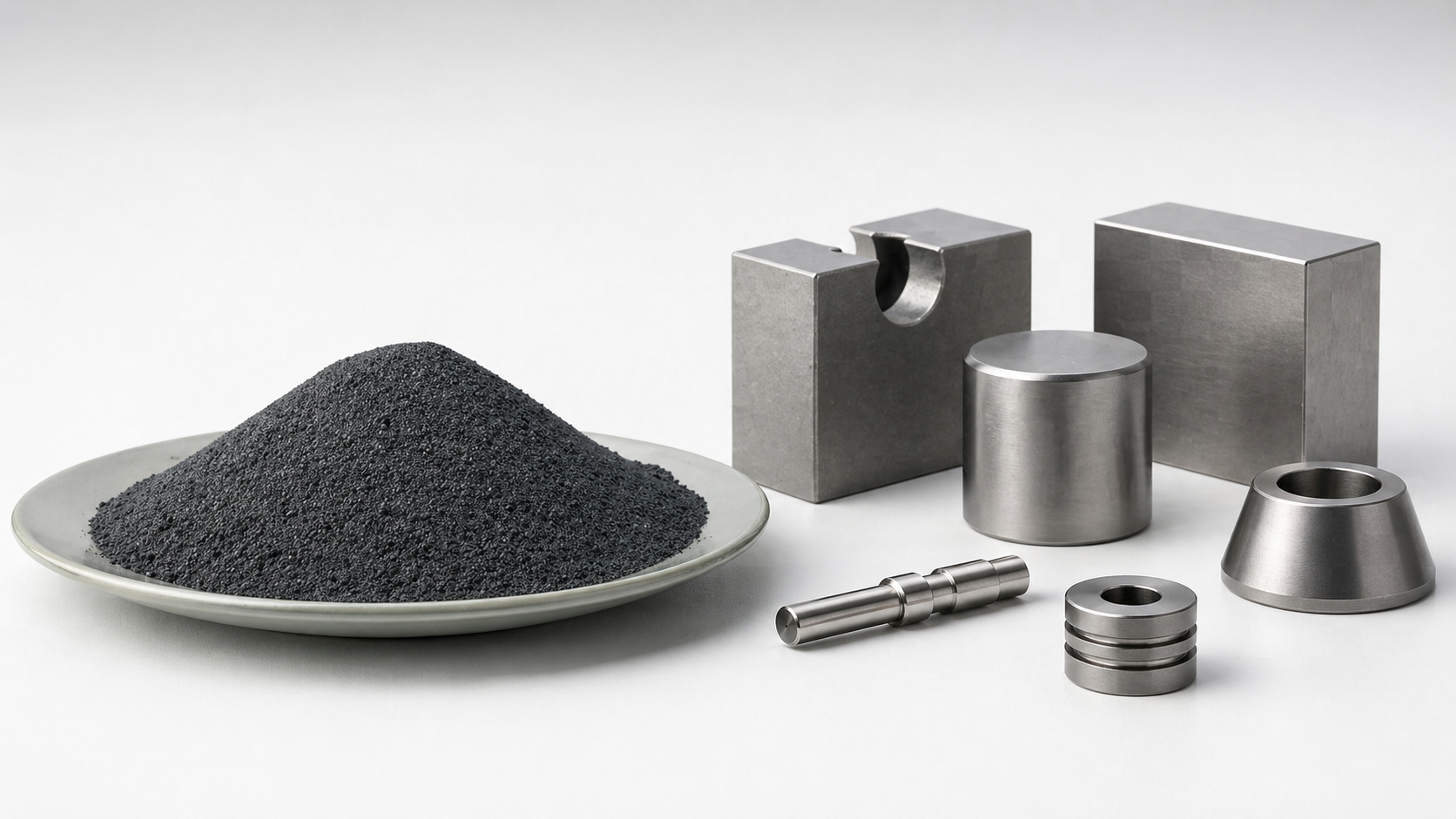
Utilizzando il carburo sintetizzato come materia prima, i prodotti refrattari vengono fabbricati mediante il processo di metallurgia delle polveri. I materiali refrattari a base di carburi possono essere suddivisi, in base alla loro composizione chimica, in materiali costituiti da carburi puri come SiC, B4C, Cr3C2 e TaC; materiali compositi a base di carburi come TiC-WC-TaC, WC-Co, il sistema carburo-carbonio e materiali a base di "carburi ipereutettici".


Condividi:
Stampaggio a iniezione di componenti strutturali in ceramica di zirconia
I compositi in fibra di carbonio possono essere stampati a iniezione?