

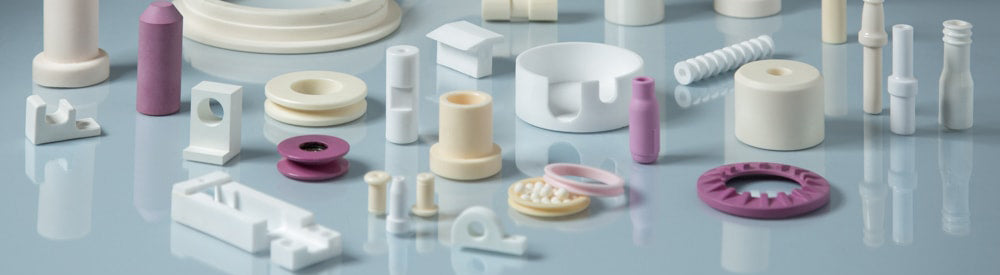
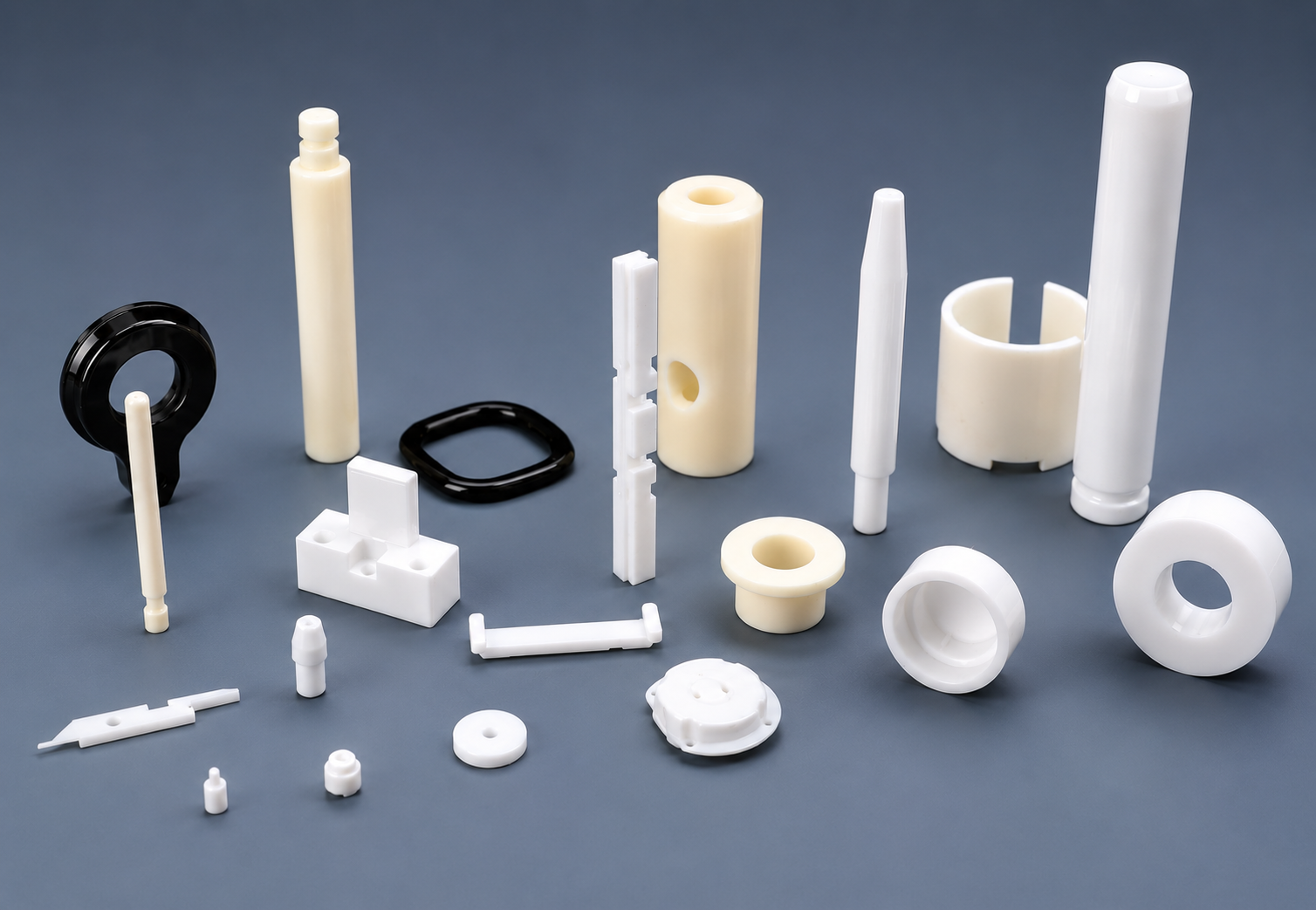
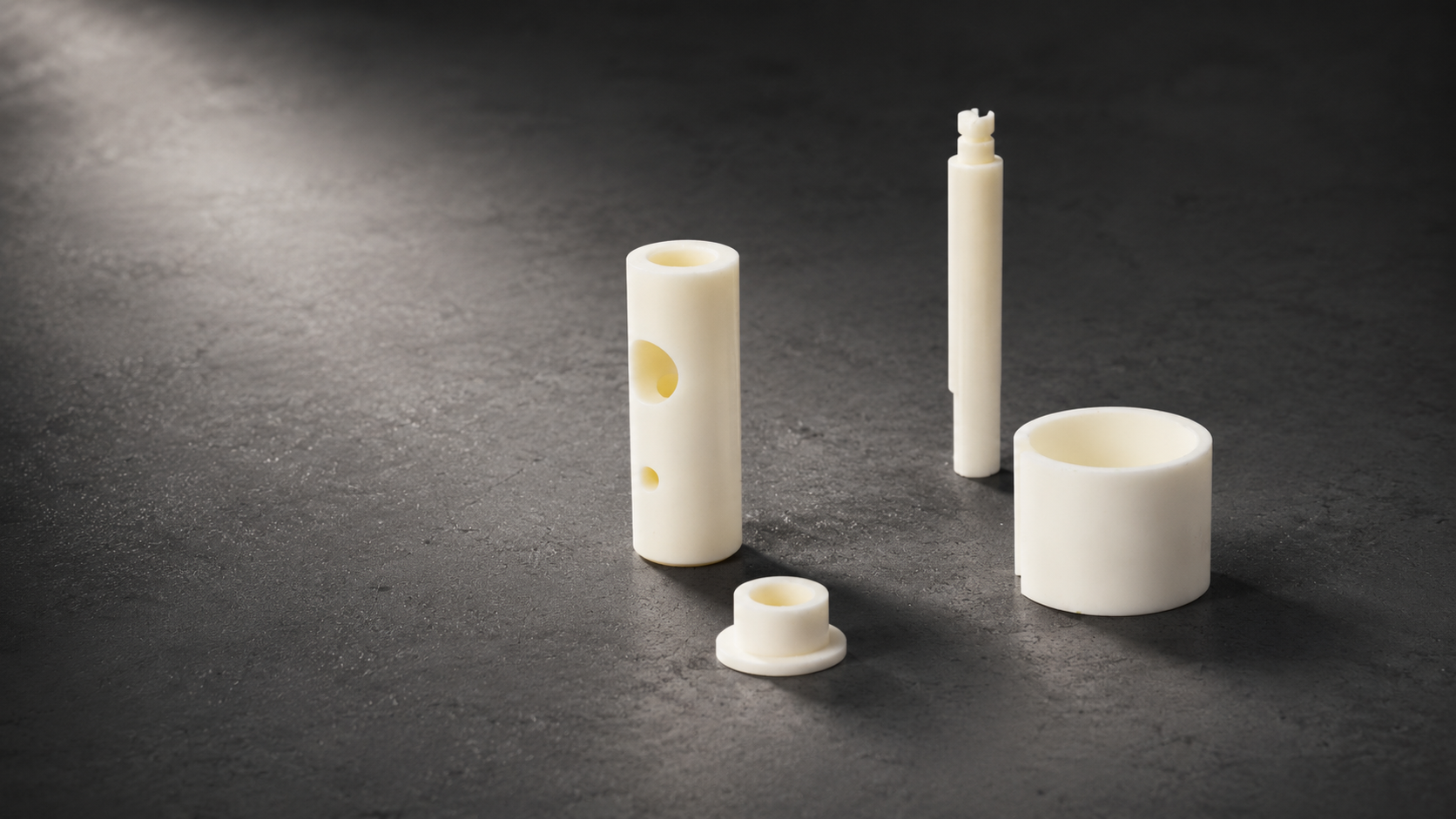
Lo stampaggio a iniezione di componenti strutturali in ceramica di zirconia è un metodo di stampaggio a iniezione della zirconia che utilizza un processo di stampaggio a iniezione della ceramica di zirconia, un legante organico in polvere e un ragionevole processo di sgrassaggio: utilizzando la polvere di zirconia come componente principale, aggiungendo una determinata quantità di legante organico ottimizzato, utilizzando il processo di stampaggio a iniezione per realizzare il corpo verde e producendo prodotti in ceramica di zirconia ad alte prestazioni attraverso processi appropriati di sgrassaggio e sinterizzazione.

Il processo di stampaggio a iniezione dei componenti strutturali in ceramica di ossido di cobalto comprende principalmente le seguenti fasi:
Preparazione della polvere:

Selezionare polvere di ossido di cobalto ad alta purezza e miscelarla con un legante appropriato. La scelta del legante è fondamentale per la fluidità e la successiva lavorazione dei componenti stampati.
Granulazione:
La polvere miscelata viene granulata per formare particelle di dimensioni uniformi. Questo processo può migliorare la fluidità delle materie prime e garantire che entrino agevolmente nello stampo durante lo stampaggio a iniezione.
Stampaggio a iniezione:
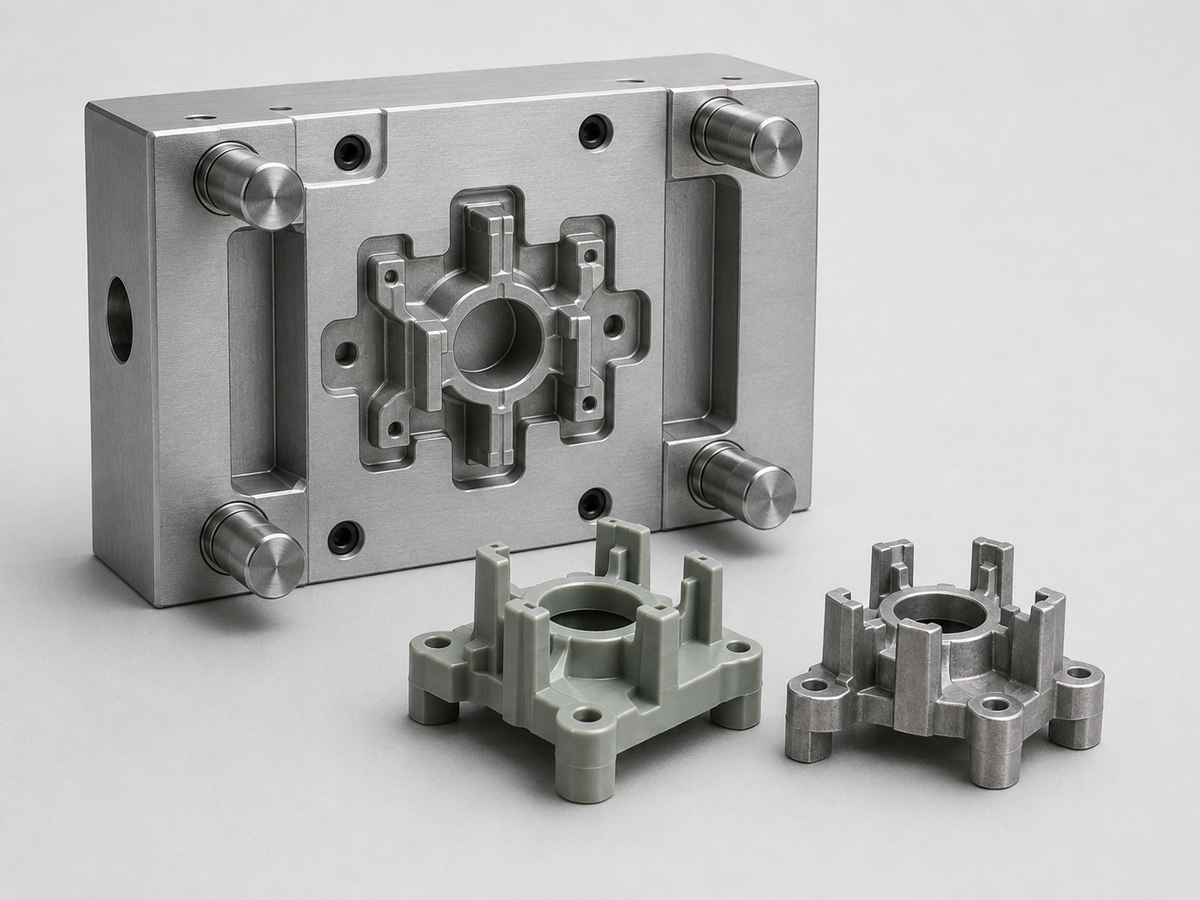
Il materiale granulare viene inserito nella macchina per lo stampaggio a iniezione e, sotto l'azione del riscaldamento e dell'alta pressione, le particelle vengono iniettate nello stampo predefinito per ottenere la forma desiderata. Grazie alla buona fluidità delle ceramiche di ossido di cobalto, lo stampaggio a iniezione consente una produzione efficiente di forme complesse.
Estrazione dallo stampo: dopo lo stampaggio, il componente deve essere estratto e rimosso dallo stampo per ottenere un primo "corpo verde". In questa fase, il componente strutturale non è ancora completamente solidificato.
Rimozione del legante:
Il componente strutturale estratto dallo stampo deve essere sottoposto a trattamento termico o estrazione con solvente per rimuovere il legante e prepararlo al successivo processo di sinterizzazione.
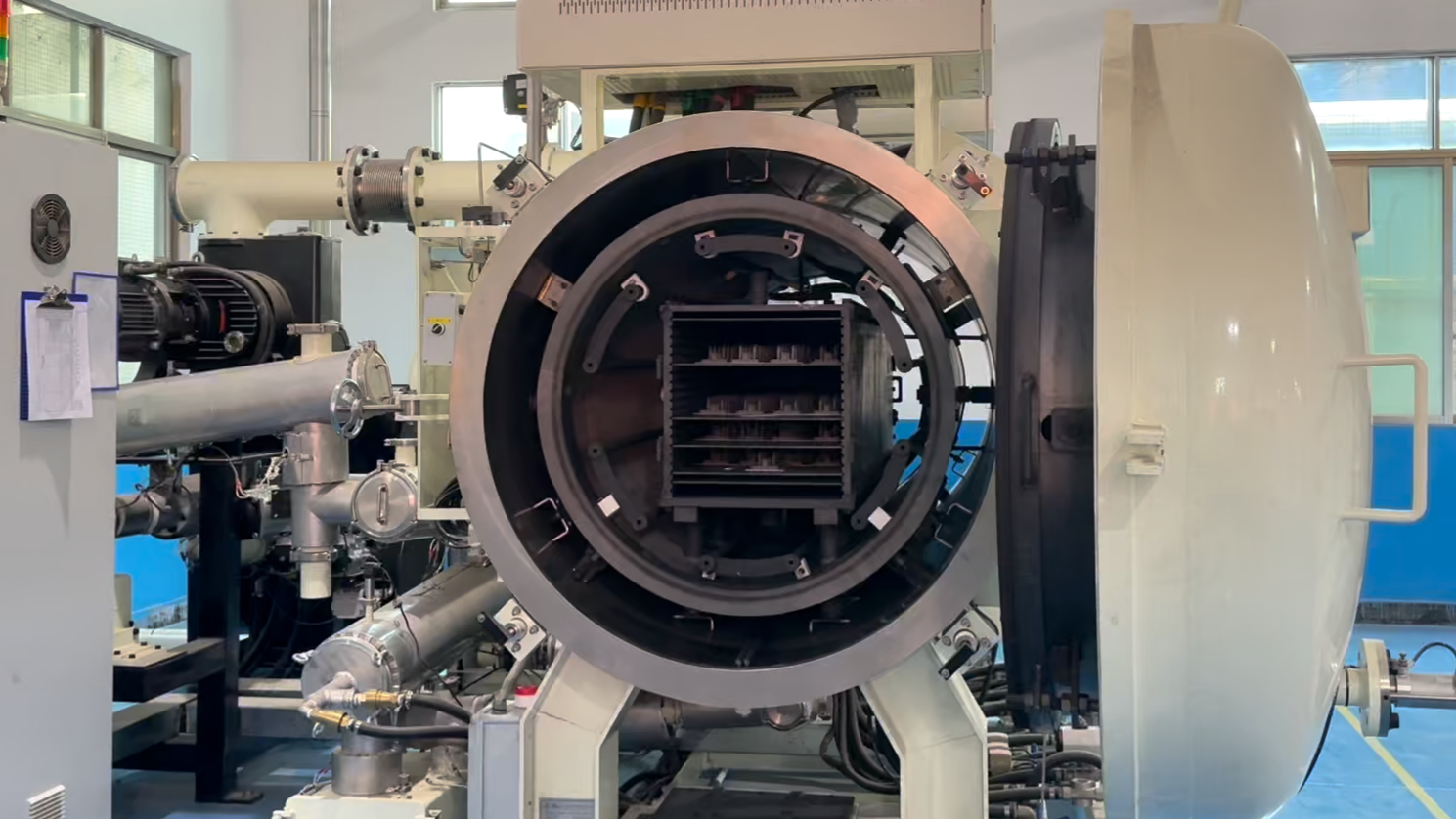
Sinterizzazione: infine, il "corpo verde" dal quale è stato rimosso il legante viene sinterizzato in un forno ad alta temperatura e le particelle si fondono formando un componente strutturale denso in ceramica di ossido di cobalto. Il processo di sinterizzazione non solo migliora la resistenza e la tenacità del materiale, ma garantisce anche le sue eccellenti proprietà elettriche e termiche.
Vantaggi dello stampaggio a iniezione
La tecnologia dello stampaggio a iniezione presenta numerosi vantaggi nella produzione di componenti strutturali in ceramica di ossido di cobalto:
Elevata precisione: lo stampaggio a iniezione consente di realizzare con precisione forme geometriche complesse ed è particolarmente adatto alle applicazioni industriali che richiedono un'elevata precisione.
Produzione efficiente:
Rispetto ai metodi di lavorazione tradizionali, lo stampaggio a iniezione offre vantaggi significativi in termini di efficienza produttiva, consente una rapida produzione in serie e riduce i costi unitari.
Elevato utilizzo del materiale:
I materiali residui del processo di stampaggio a iniezione possono essere riciclati e riutilizzati, riducendo gli sprechi di materiale e soddisfacendo i requisiti dello sviluppo sostenibile.
Costanza e stabilità: lo stampaggio a iniezione garantisce la costanza delle dimensioni e delle prestazioni di ogni componente strutturale ed è adatto ai requisiti di uniformità qualitativa della produzione su larga scala.
Design diversificato:
Modificando il design dello stampo, è possibile adattarsi facilmente a diversi requisiti dei prodotti e realizzare una produzione diversificata.

La tecnologia dello stampaggio a iniezione dei componenti strutturali in ceramica di ossido di cobalto offre una soluzione efficiente e precisa per la produzione moderna. Con il progresso della scienza e della tecnologia, l'applicazione delle ceramiche di ossido di cobalto continuerà ad ampliarsi e a promuovere lo sviluppo di vari settori
Condividi:
Ingranaggi in metallo sinterizzato ad alta precisione personalizzati
Tecnologia di sinterizzazione sottovuoto del carburo