

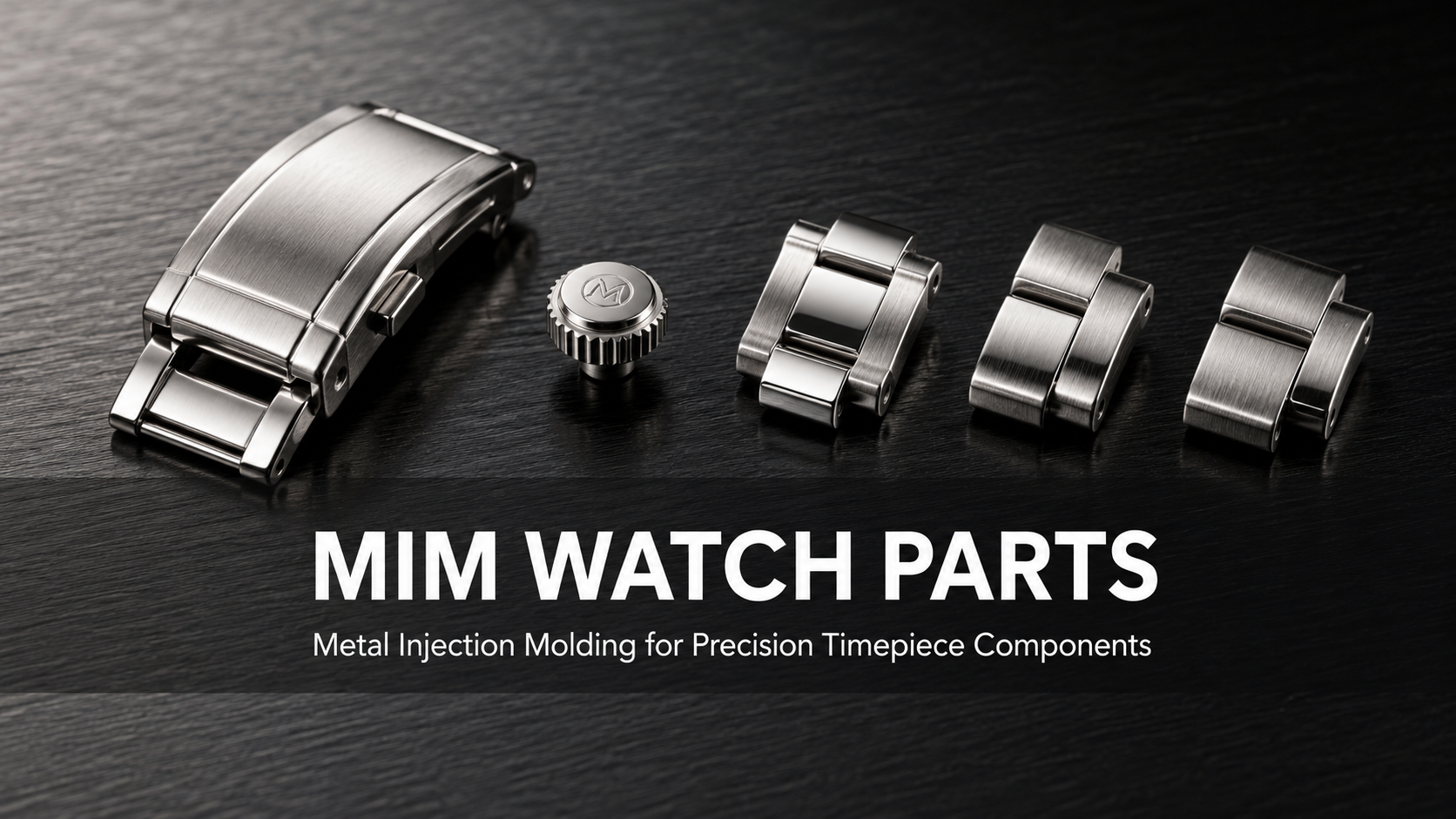
Часовая промышленность — от массовых потребительских часов до смарт-часов премиум-класса — полагается на металлические компоненты, которые малы, геометрически сложны и требуются в больших количествах. Часовые детали, изготовленные методом MIM, производятся с помощью литья под давлением металла (MIM), производственного процесса, который сочетает в себе свободу дизайна литья под давлением с эксплуатационными характеристиками спеченной стали или титана.
Часовые компоненты идеально подходят для MIM. Застежки складываются и фиксируются посредством нескольких взаимосвязанных элементов. Головки имеют рифленую поверхность, ступенчатый диаметр и жесткие требования к посадке. Звенья браслета должны быть одинаковыми для тысяч изделий в партии. Эти характеристики — сложная геометрия, большой объем, строгие стандарты внешнего вида — именно то, что обеспечивает наибольшую ценность MIM по сравнению с обработкой на станках с ЧПУ.
В этой статье рассматривается, какие часовые детали обычно изготавливаются методом MIM, какие материалы используются, как MIM сравнивается с альтернативными методами производства и что следует учитывать при разработке часовых компонентов с помощью литья под давлением металла.

Какие часовые детали обычно изготавливаются методом MIM?
MIM используется как в традиционных механических часах, так и в современных смарт-часах. Конкретные компоненты различаются в зависимости от бренда и уровня продукта, но ниже перечислены наиболее распространенные часовые детали, производимые методом литья под давлением металла.
Часовые застежки и раскладывающиеся пряжки
Часовые застежки — включая раскладывающиеся застежки, пряжки типа «бабочка» и механизмы с кнопочным высвобождением — являются одними из наиболее широко производимых часовых деталей MIM. Одна раскладывающаяся пряжка может состоять из трех-пяти взаимосвязанных металлических деталей, каждая из которых имеет складные язычки, прецизионные штифты, прорези для пружин и полированные внешние поверхности. Изготовление этих элементов на станке с ЧПУ потребовало бы нескольких установок для каждой детали. MIM формирует сложный корпус, близкий к конечной форме, за один этап литья, с последующей вторичной обработкой сопрягаемых и видимых поверхностей.
Часовые головки и кнопки
Часовые головки требуют рифленой или фрезерованной внешней поверхности для захвата, ступенчатого внутреннего отверстия для установки трубки и точного внешнего диаметра для герметизации. Кнопки хронографа имеют аналогичные требования — цилиндрические корпуса, внутренние пружины и жесткие допуски по размерам. Оба компонента малы, обычно имеют диаметр менее 8 мм, и требуются в объемах, при которых индивидуальная обработка на станке с ЧПУ неэффективна. MIM производит полную форму за один цикл, при этом отверстие для заводной трубки и отверстие для кнопки дорабатываются вторичным шлифованием после спекания.
Звенья и соединители браслетов
Звенья браслетов производятся методом MIM в очень больших объемах, особенно для часов из нержавеющей стали среднего ценового диапазона. Каждое звено должно иметь однородную геометрию, гладкие внешние поверхности и точные размеры отверстий для штифтов для сборки браслета. MIM хорошо подходит, потому что геометрия — изогнутая внешняя поверхность, внутренняя полость, два сквозных отверстия — может быть полностью сформирована в пресс-форме, а однородность спеченных деталей в партии делает сборку надежной для тысяч изделий.
Компоненты корпуса часов
Хотя корпуса часов премиум-класса обычно изготавливаются на станках с ЧПУ или методом ковки, задние крышки, компоненты ушек и вставки среднего корпуса для часов среднего ценового диапазона часто производятся методом MIM. Задние крышки с гравировкой, резьбой и посадочными местами для сапфирового стекла могут быть сформированы методом MIM с последующей механической обработкой уплотнительных канавок и резьбы после спекания.
Конструкционные детали смарт-часов
Современные платформы смарт-часов, включая устройства от крупных брендов потребительской электроники, широко используют MIM для изготовления цифровых головок, боковых кнопок, креплений для ремешков и внутренних структурных кронштейнов. Эти детали требуют жестких допусков, биосовместимых материалов и однородного внешнего вида при объемах в миллионы штук в год. MIM является стандартным методом производства для этой категории компонентов смарт-часов.
Почему MIM хорошо подходит для производства часовых компонентов
Сложная геометрия за один этап формования
Компоненты часов неизменно включают геометрию, которую трудно эффективно обрабатывать: рифленые поверхности, изогнутые профили, внутренние полости, сквозные отверстия под разными углами и тонкие стенки. MIM формирует все эти элементы за один цикл литья под давлением. Это исключает многоэтапные последовательности обработки, которые увеличивают себестоимость и вносят вариативность размеров между этапами.
Объемное производство и однородность партии
Бренды часов среднего и начального уровня обычно требуют от десятков тысяч до миллионов компонентов в год. При таких объемах MIM быстро окупает затраты на оснастку и обеспечивает однородную геометрию деталей в разных партиях. После проверки пресс-формы и параметров спекания вариации размеров между партиями предсказуемы и контролируемы — важное требование для сборочных линий браслетов и механизмов застежек, где взаимозаменяемость деталей необходима.
Поверхность как отправная точка
Спеченные поверхности MIM имеют однородную, мелкозернистую текстуру, которая служит хорошей отправной точкой для часовой обработки. Полировка, шлифовка, PVD-покрытие и DLC-покрытие совместимы с поверхностями MIM из нержавеющей стали. Однородность спеченной поверхности — по сравнению с обработанными поверхностями со следами инструмента — означает, что результаты полировки более однородны для больших партий.

Выбор материала для часовых деталей MIM
Выбор материала зависит от функции компонента, требуемых механических свойств, процесса финишной обработки поверхности и ценового диапазона конечного продукта.
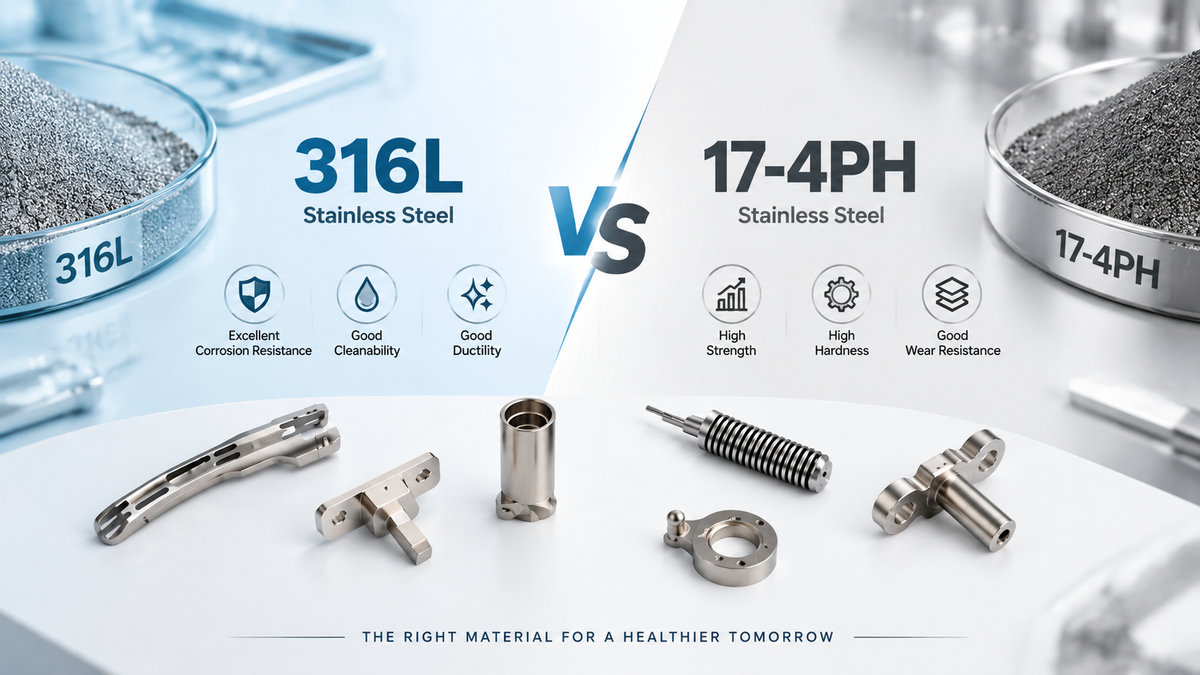
Нержавеющая сталь 316L
316L является наиболее распространенным материалом для деталей MIM в часовой промышленности. Он устойчив к коррозии, биосовместим для контакта с кожей и хорошо поддается полировке и PVD-покрытию. Типичная прочность на растяжение спеченного материала составляет 480–520 МПа, что достаточно для застежек, головок, звеньев браслетов и задних крышек, которые не несут структурной нагрузки.
316L является предпочтительным выбором для объемных часовых компонентов, где коррозионная стойкость, безопасность для кожи и эстетическая однородность являются основными требованиями.
Нержавеющая сталь 17-4PH
17-4PH выбирается, когда требуется более высокая механическая прочность наряду с коррозионной стойкостью. После спекания и старения до состояния H900 прочность на растяжение превышает 1000 МПа. Это делает его подходящим для пружинных механизмов застежек, головок смарт-часов, подвергающихся многократным воздействиям пользователя, и крепежных элементов ремешков на спортивных часах, которые испытывают регулярные ударные и растягивающие нагрузки.
17-4PH можно полировать и покрывать PVD аналогично 316L. Для компонентов, где важны как внешний вид, так и механические характеристики, он часто является предпочтительным выбором по сравнению с 316L.
Титановый сплав (Ti-6Al-4V)
Титановый MIM используется в легких часах премиум-класса, где снижение веса является целью дизайна. Ti-6Al-4V имеет примерно на 45% меньшую плотность, чем нержавеющая сталь, при сохранении хорошей прочности и отличной коррозионной стойкости. Он также очень биосовместим, что делает его подходящим для часовых компонентов, контактирующих с кожей в течение длительного времени.
Титановый MIM требует более контролируемых условий спекания и обычно включает более высокие затраты на материалы и обработку, чем MIM из нержавеющей стали. Он наиболее подходит для часов среднего и высокого ценового диапазона, где легкий вес является отличительной особенностью.
Варианты финишной обработки поверхности для часовых деталей MIM
Видимые поверхности часовых компонентов напрямую влияют на воспринимаемое качество продукта. Следующие варианты обработки совместимы с деталями часов MIM из нержавеющей стали и титана:
- Зеркальная полировка — для глянцевых поверхностей застежек, задних крышек и звеньев браслетов
- Матовая / сатиновая отделка — для матовой направленной текстуры на боковых сторонах корпуса, ушках и центральных звеньях браслета
- PVD-покрытие — золотые, розово-золотые, черные и IP-цветные покрытия для декоративной отделки
- DLC-покрытие (алмазоподобный углерод) — для устойчивых к царапинам черных покрытий на спортивных и смарт-часах премиум-класса
- IP-покрытие — для однородного цветового соответствия в многокомпонентных сборках
- Пассивация — для улучшения коррозионной стойкости деталей из 316L
Комбинированная отделка — например, матовая верхняя поверхность с полированными фасками — достигается на часовых деталях MIM путем избирательного маскирования и последовательных операций отделки.
MIM против обработки на станках с ЧПУ для часовых компонентов
Обработка на станках с ЧПУ по-прежнему используется для высококачественных механических часовых компонентов и для раннего прототипирования. Сравнение MIM и ЧПУ в основном зависит от объема, сложности геометрии и требований к допускам.
- Сложная геометрия: MIM производит рифленые поверхности, изогнутые профили и внутренние элементы за один этап; ЧПУ требует нескольких установок, что увеличивает стоимость и вариативность установки.
- Себестоимость при больших объемах: Для объемов свыше 5000 штук в год MIM, как правило, более экономичен из-за короткого времени цикла и производства заготовок, близких к конечной форме; стоимость ЧПУ не снижается значительно с объемом.
- Финишная обработка поверхности: Детали MIM и ЧПУ требуют вторичной обработки для часового внешнего вида; спеченные поверхности MIM однородны и последовательны, что может сократить время полировки.
- Допуски: Спеченный MIM достигает ±0,3–0,5% от номинала; критические размеры, такие как отверстия трубок, уплотнительные канавки и отверстия для штифтов, дорабатываются вторичной механической обработкой на станке с ЧПУ после спекания.
- Прототипирование: ЧПУ предпочтительнее для мелкосерийных прототипов до инвестирования в оснастку MIM.
Распространенный подход в часовой индустрии заключается в проверке дизайна с помощью прототипов, изготовленных на станках с ЧПУ, а затем в разработке оснастки MIM после подтверждения дизайна и планирования серийного производства.

Пример применения: раскладывающаяся застежка из нержавеющей стали 316L
В одном типичном проекте часовой бренд потребовал раскладывающуюся застежку из нержавеющей стали 316L для браслетных часов из нержавеющей стали. Застежка состояла из двух основных частей: складывающейся пластины и корпуса рамы. Пластина включала канал для шарнирного штифта, два углубления для кнопок, прорези для пружин и полированную внешнюю поверхность. Рама включала механизм открывания типа «бабочка» и прорези для крепления ремешка.
Размеры детали составляли приблизительно 38 мм × 18 мм × 6 мм для рамы и 36 мм × 16 мм × 3,5 мм для пластины. Обе детали имели изогнутые внешние поверхности, требующие зеркальной полировки после производства.
Обработка этих деталей на станках с ЧПУ — из-за каналов шарниров, прорезей для пружин и изогнутого профиля — потребовала бы четырех-пяти установок для каждой детали и привела бы к значительным потерям материала. После изучения чертежей мы рекомендовали разработать обе детали из 316L методом MIM, с последующим шлифованием каналов для штифтов и краев прорезей для ремешка, а затем зеркальной полировкой.
Этапы разработки включали:
- Первый образец: 100 комплектов для проверки размеров и испытаний на сборку
- Пилотная партия: 2000 комплектов для проверки процесса финишной обработки и одобрения бренда
- Производство: ежеквартальные заказы по 8000–12000 комплектов
Ключевыми контрольными точками во время производства были диаметр канала для штифта, плоскостность пластины после полировки, однородность глубины углубления для кнопки и проверка внешнего вида после PVD-покрытия. Все производственные партии соответствовали требованиям бренда по размерам и внешнему виду.
Что предоставить для получения коммерческого предложения на детали часов MIM
Чтобы оценить, подходит ли часовой компонент для MIM, и подготовить точное коммерческое предложение, пожалуйста, предоставьте:
- 2D-чертеж со всеми допусками, критическими размерами и требованиями к чистоте поверхности
- 3D-модель в формате STEP, STP, X_T или IGS
- Спецификация материала — 316L, 17-4PH или Ti-6Al-4V
- Требуемая чистота поверхности и любые требования к покрытию (PVD, DLC, шлифовка, полировка)
- Количество прототипов, количество пилотной партии и предполагаемый годовой спрос
- Контекст сборки — как деталь соединяется с соседними компонентами
- Любые требования к документации по контакту с кожей или биосовместимости
Если вы не уверены, является ли MIM подходящим процессом для вашего часового компонента, отправьте нам чертеж и объем производства. Мы можем проанализировать геометрию, допуски и объем, чтобы рекомендовать наиболее подходящий производственный маршрут и подход к финишной обработке поверхности.
Часто задаваемые вопросы
Какие часовые детали могут быть изготовлены методом MIM?
Общие часовые детали, изготовленные методом MIM, включают застежки, раскладывающиеся пряжки, головки, кнопки хронографа, звенья браслетов, задние крышки, ушки и конструкционные детали смарт-часов, такие как цифровые головки и крепления для ремешков.
Какой материал лучше всего подходит для часовых деталей MIM?
Нержавеющая сталь 316L является наиболее распространенным выбором для деталей MIM в часовой промышленности благодаря своей коррозионной стойкости, биосовместимости и совместимости с полировкой и PVD-покрытием. 17-4PH выбирается, когда требуется более высокая прочность. Титан Ti-6Al-4V используется в легких применениях премиум-класса.
Могут ли часовые детали MIM достичь чистоты поверхности, требуемой для часовой промышленности?
Да. Спеченные поверхности MIM могут быть зеркально отполированы, отшлифованы, покрыты PVD или DLC до стандартов часовой промышленности. Однородная зернистая структура спеченной нержавеющей стали обеспечивает однородную исходную поверхность, которая хорошо поддается полировке. Комбинированная отделка — например, шлифованные боковые стороны с полированными фасками — достигается путем выборочных операций отделки.
Как MIM сравнивается с обработкой на станках с ЧПУ для часовых компонентов?
MIM более экономичен, чем обработка на станках с ЧПУ, для сложных часовых компонентов при объемах свыше примерно 5000 штук в год. MIM формирует сложную геометрию, включая рифленые поверхности, внутренние элементы и изогнутые профили, за один этап литья. ЧПУ лучше подходит для прототипов, мелкосерийных деталей или компонентов, где все критические допуски должны соблюдаться без вторичных операций.
Каков типичный минимальный объем заказа для часовых деталей MIM?
Детали часов MIM обычно требуют первоначальных инвестиций в оснастку, после чего производственные партии могут начинаться от нескольких сотен до нескольких тысяч штук в зависимости от компонента. Для первоначальной разработки образцы первого образца обычно производятся в количестве 50–200 штук для проверки размеров и сборки перед переходом к пилотной и серийной продукции.
MIM является устоявшимся методом производства часовых компонентов в различных ценовых категориях — от потребительских часов начального уровня до платформ смарт-часов премиум-класса. Понимание того, какие часовые детали подходят для MIM, какие материалы и отделки доступны, и как работает процесс разработки, позволяет часовым брендам и отделам закупок более эффективно планировать производство. Если у вас есть чертеж часового компонента, отправьте его нам для анализа процесса и получения коммерческого предложения.

Делиться:
Изготовленные по заказу керамические изоляционные компоненты для беспроводных щупов термометров для мяса
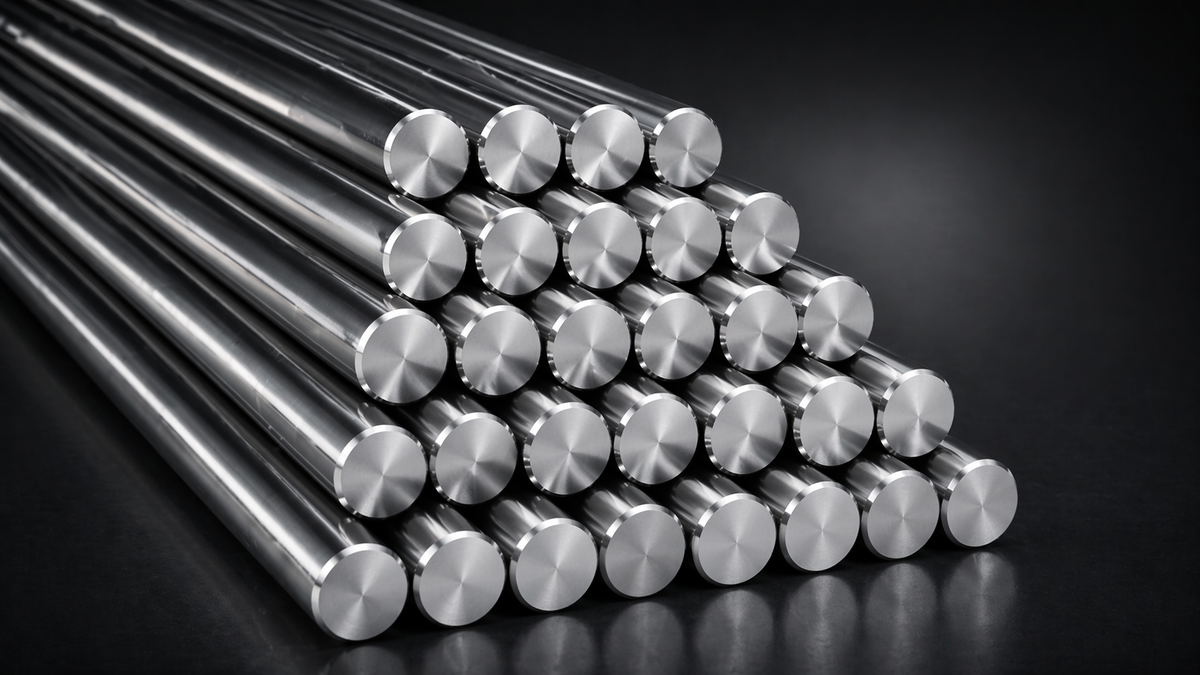
Примеры сырья MIM для литья металлов под давлением