

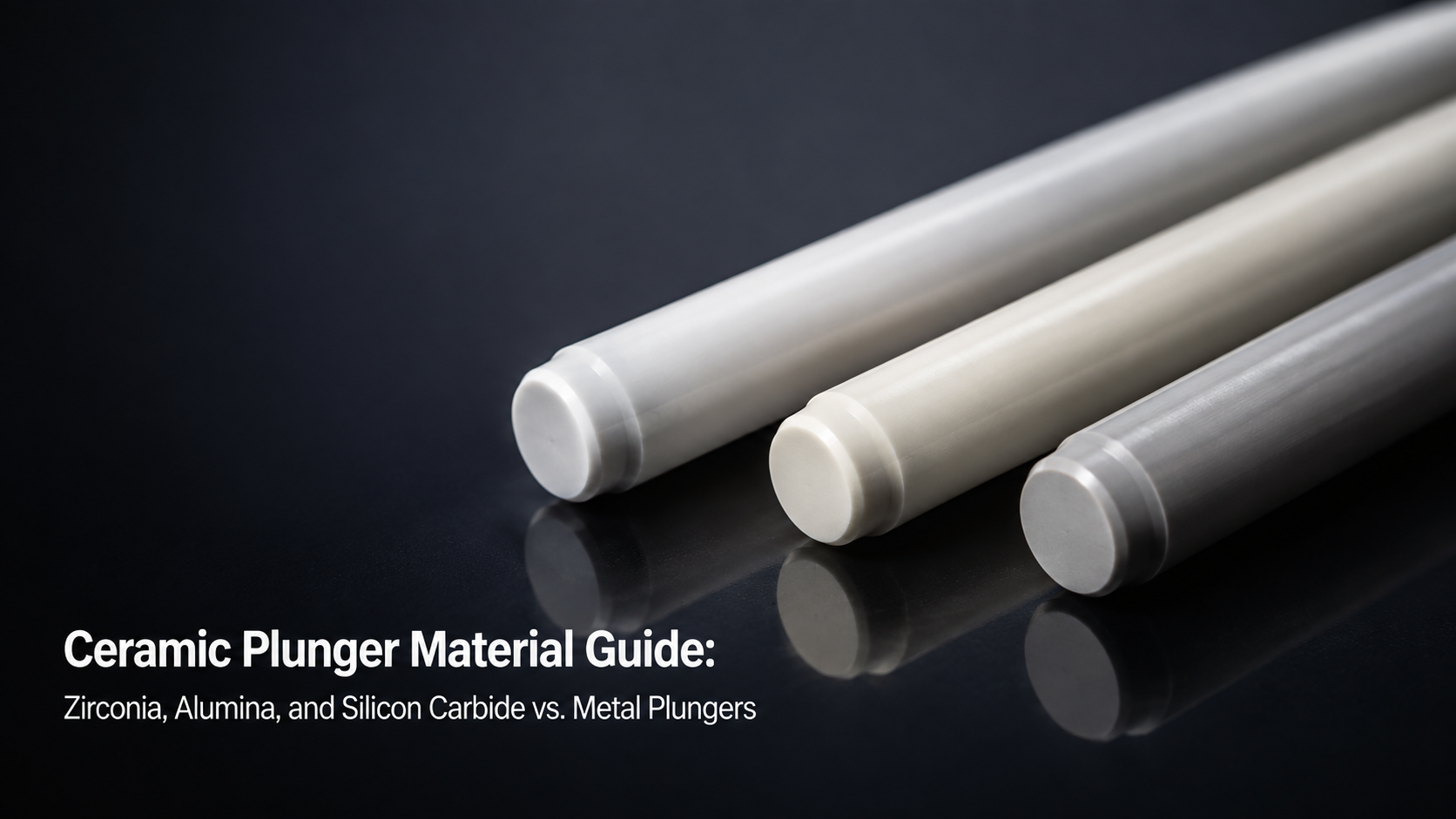
El émbolo de una bomba parece una pieza sencilla: una varilla rectificada de precisión que se mueve de ida y vuelta miles de veces por hora. Sin embargo, el material del que está hecho determina casi todo lo demás: cuánto dura, con qué frecuencia debe reconstruirse la bomba y si es capaz de sobrevivir al contacto con fluidos corrosivos o abrasivos. Durante décadas, el acero inoxidable y el carburo de tungsteno han sido las opciones estándar. Cada vez más, los ingenieros especifican émbolos cerámicos; pero la zirconia, la alúmina y el carburo de silicio no son intercambiables, y elegir el material incorrecto puede resultar tan costoso como seguir utilizando metal. Esta guía detalla cómo elegir.
¿Qué es un émbolo cerámico y dónde se utiliza?
Un émbolo es la varilla de movimiento alternativo dentro de una bomba de desplazamiento positivo que se desplaza hacia dentro y hacia fuera de una camisa o cilindro correspondiente para desplazar un volumen de fluido en cada ciclo. Es la mitad del par de desgaste principal de la bomba y, por lo general, funciona en contacto directo de deslizamiento con una camisa, un empaque o un sello bajo una carga cíclica continua.
Los émbolos cerámicos se utilizan en bombas dosificadoras y de medición química, sistemas de inyección química para petróleo y gas, bombas de tratamiento de agua y desincrustación de alta presión, bombas CIP (limpieza in situ) para alimentos y productos farmacéuticos, y homogeneizadores de alta presión: cualquier aplicación donde el fluido bombeado sea corrosivo o abrasivo, o donde la vida útil extendida sea más importante que el costo inicial de la pieza.

Por qué fallan los émbolos de metal: Modos de falla comunes
Comprender por qué los ingenieros optan por la cerámica comienza por entender cómo fallan los émbolos de metal en servicios exigentes. El gripado ocurre cuando el contacto de deslizamiento metal sobre metal genera suficiente fricción y calor como para transferir material entre las superficies, volviéndolas rugosas y acelerando el desgaste. La corrosión por picaduras se desarrolla cuando fluidos ácidos, cáusticos o que contienen cloruros atacan la superficie del émbolo, creando poros microscópicos que se convierten en fugas y dañan los sellos. El desgaste abrasivo ocurre cuando los sólidos en suspensión en el fluido bombeado actúan como un compuesto de esmerilado contra la superficie del émbolo, reduciendo gradualmente su diámetro y destruyendo el ajuste de sellado. Los tres modos de falla acortan la vida útil y aumentan la frecuencia de mantenimiento, y los tres se reducen o eliminan significativamente al cambiar a una cerámica técnica.
Comparativa de opciones de materiales para émbolos cerámicos
La cerámica no es una sola opción de material; cada alternativa ofrece un equilibrio diferente entre tenacidad, dureza y costo.
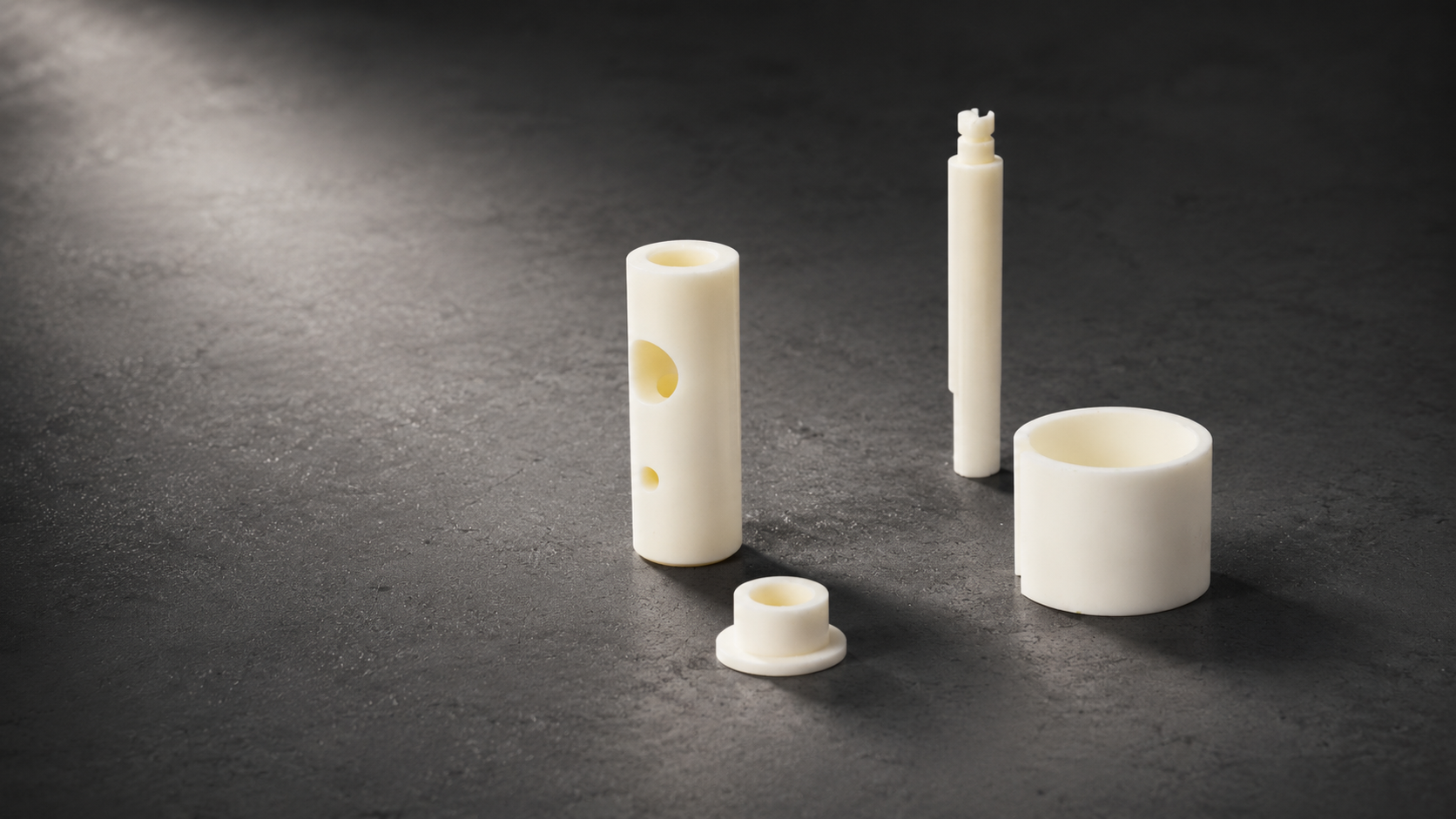
La zirconia (ZrO2), especialmente la zirconia estabilizada con itria (YSZ), ofrece la mejor tenacidad a la fractura de las cerámicas técnicas, lo que significa que resiste el astillado y la microfisuración bajo la carga de impacto repetida que experimenta un émbolo en cada carrera. Es la opción predeterminada preferida para bombas dosificadoras de alta presión y alta frecuencia de ciclos.
La alúmina (Al2O3) ofrece una gran dureza y una sólida resistencia química a un costo de material menor que la zirconia, lo que la convierte en una opción sólida para la dosificación química de presión moderada donde el presupuesto es un factor mayor que la máxima tenacidad.
El carburo de silicio (SiC) proporciona la mayor dureza de los tres y la mejor resistencia al desgaste abrasivo, pero es más frágil que la zirconia. Es más adecuado para fluidos que contienen sólidos en suspensión donde la abrasión, no la carga de impacto, es el riesgo de falla dominante.
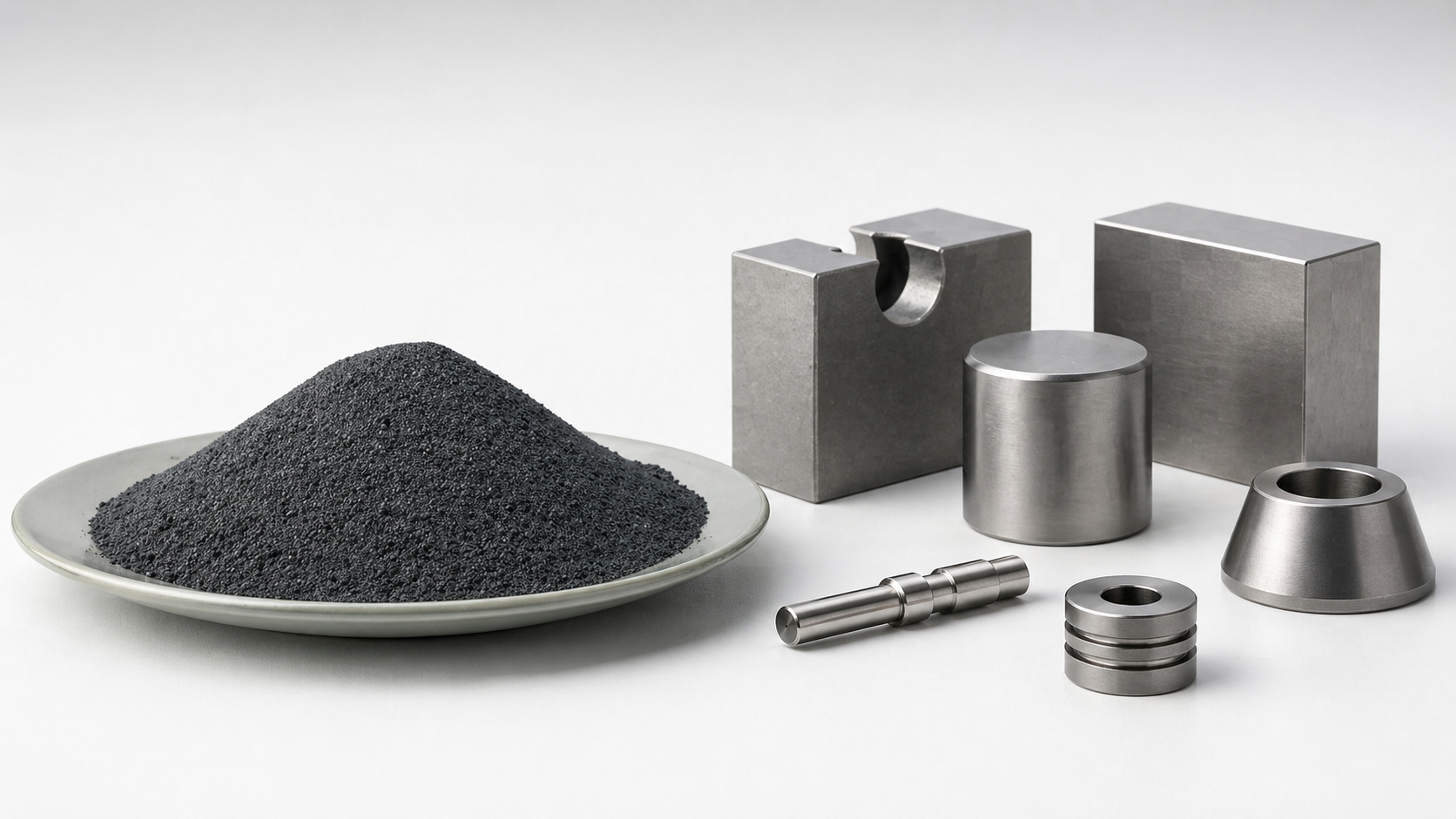
El carburo de tungsteno, aunque no es una cerámica en el sentido estricto, a menudo se compara directamente con estas opciones. Ofrece una excelente dureza y resistencia al desgaste, pero aún puede corroerse en fluidos fuertemente ácidos o cáusticos, y conlleva un costo de materiales que a menudo iguala o supera a las cerámicas técnicas.
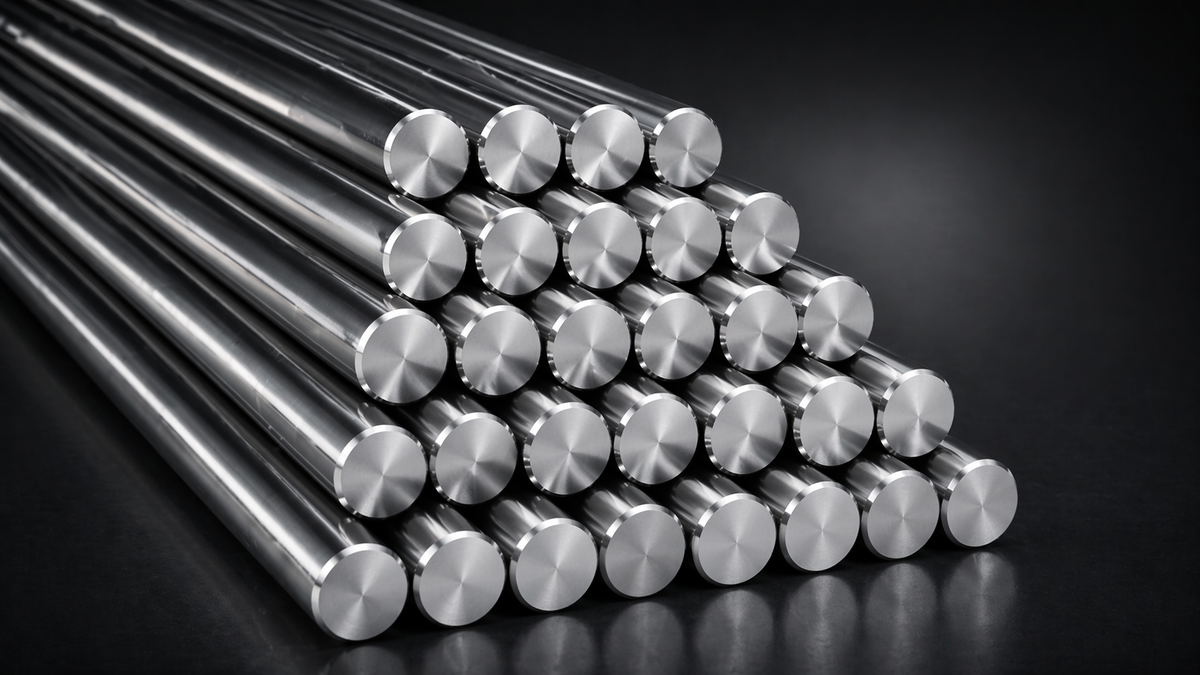
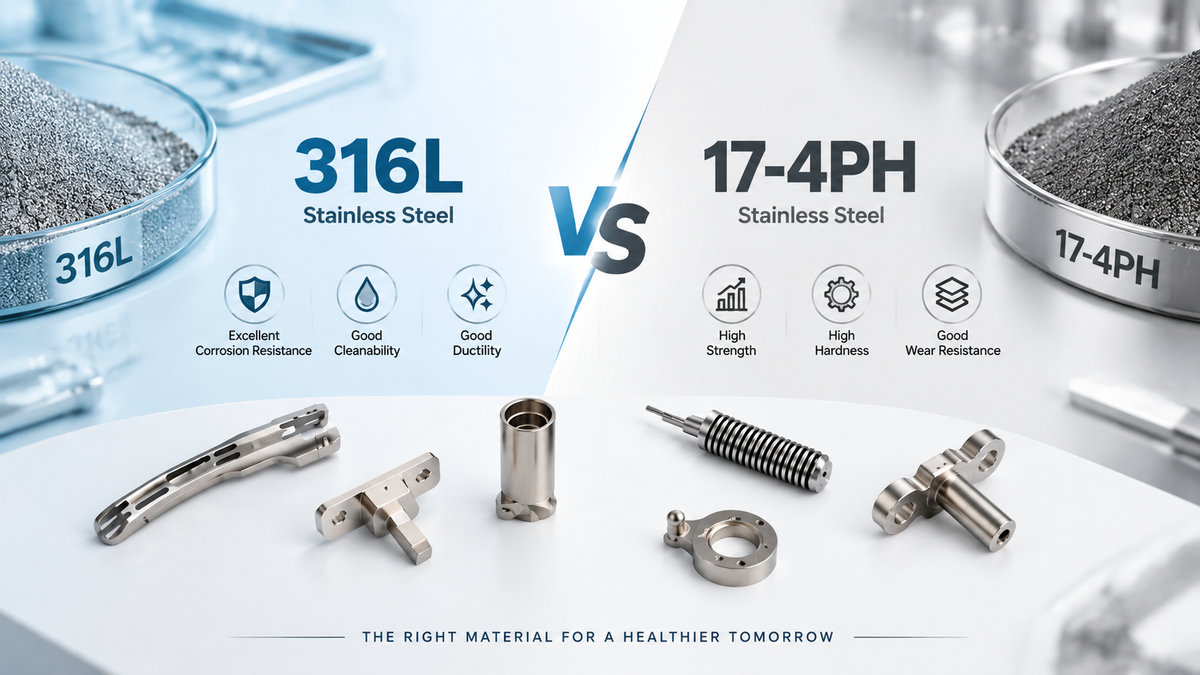
El acero inoxidable (típicamente 316 o 17-4PH) sigue siendo la opción de menor costo y funciona adecuadamente en servicios suaves, no corrosivos y de baja abrasión, pero es el primero en fallar una vez que la química del fluido o el contenido de partículas se vuelve agresivo.

Parámetros de diseño clave que afectan el rendimiento del émbolo
La selección del material es solo la mitad de la ecuación: la geometría y el acabado determinan si un émbolo funciona según lo diseñado, independientemente del material. La tolerancia del diámetro debe mantenerse estrictamente para conservar el ajuste de holgura correcto con la camisa o el empaque correspondiente. La rectitud y la excentricidad controlan qué tan uniformemente carga el émbolo su sello y camisa a lo largo de toda la longitud de carrera; un exceso de excentricidad acelera el desgaste en un lado del orificio. El acabado superficial (Ra) debe ser lo suficientemente suave para minimizar la fricción y el desgaste del empaque, sin estar tan pulido que no pueda retener una película protectora de fluido. Los chaflanes de entrada en la punta del émbolo evitan daños en el empaque o sello a medida que el émbolo vuelve a entrar en la camisa o prensaestopas en cada carrera.
Cómo seleccionar el émbolo cerámico adecuado para su aplicación
El material adecuado depende de lo que el émbolo encontrará realmente en servicio. Para la dosificación de alta presión y alta frecuencia de ciclos donde la fatiga por impacto es el principal riesgo, la zirconia suele ser la opción más segura. Para la dosificación química de servicio moderado donde el control de costos es importante y el fluido no es abrasivo, la alúmina suele ofrecer el mejor valor. Para fluidos con sólidos en suspensión o lodos, la resistencia superior a la abrasión del carburo de silicio suele superar su menor tenacidad. En aplicaciones de condiciones mixtas —corrosivas y ligeramente abrasivas—, algunos fabricantes de bombas especifican la zirconia como el estándar equilibrado y luego validan el rendimiento frente a la química específica del fluido con una tirada de prototipos.

Compatibilidad del émbolo cerámico con camisas, empaques y sellos
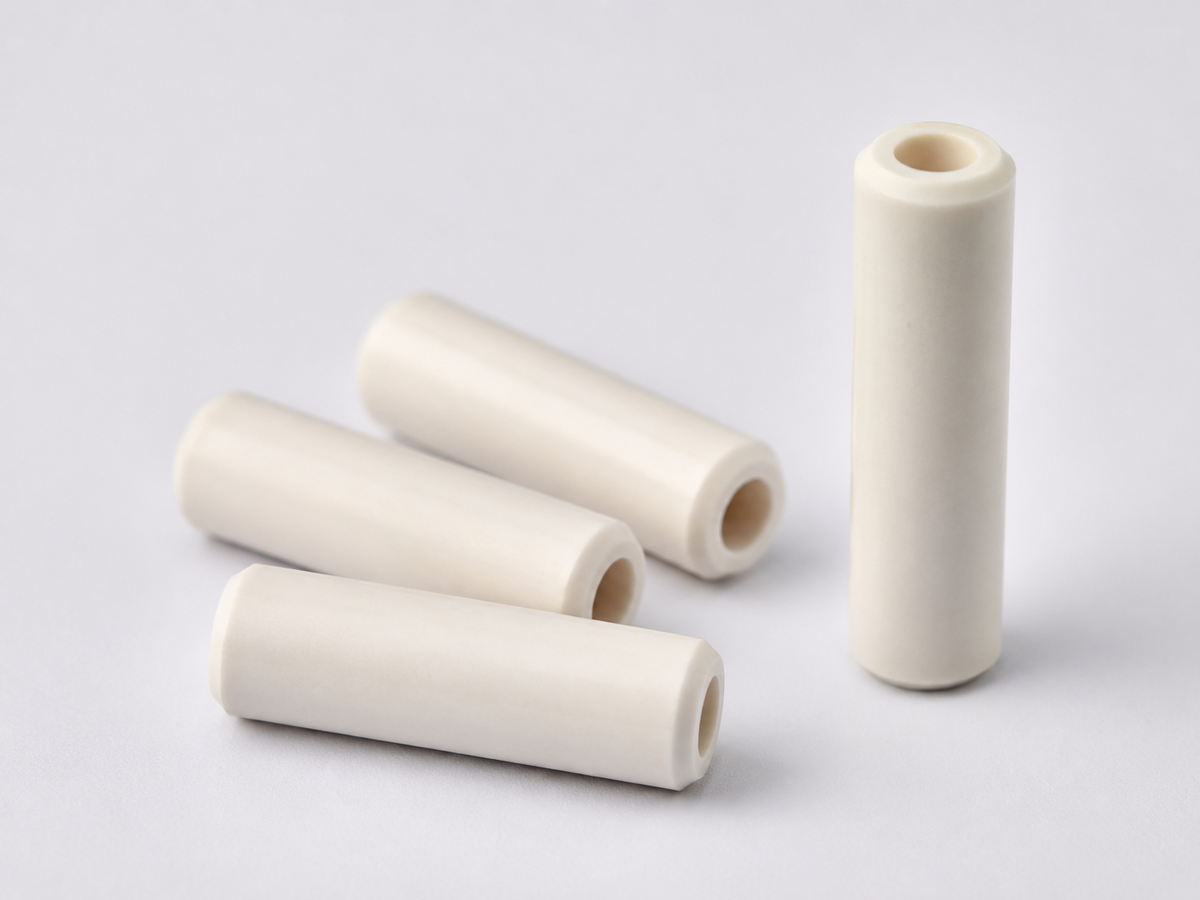
Un émbolo cerámico rara vez se especifica de forma aislada; su rendimiento depende de qué tan bien se ajuste a su camisa, empaque o material y geometría de sello correspondientes. Cuando tanto el émbolo como la camisa son cerámicos, el conjunto se diseña como un par de desgaste emparejado con un ajuste de holgura controlado para un sellado y rendimiento de desgaste a largo plazo. Para obtener un desglose completo de cómo los émbolos y las camisas se emparejan, toleran y especifican como un conjunto, consulte nuestra guía dedicada a los conjuntos de camisa de émbolo cerámico.
Cómo se fabrican los émbolos cerámicos
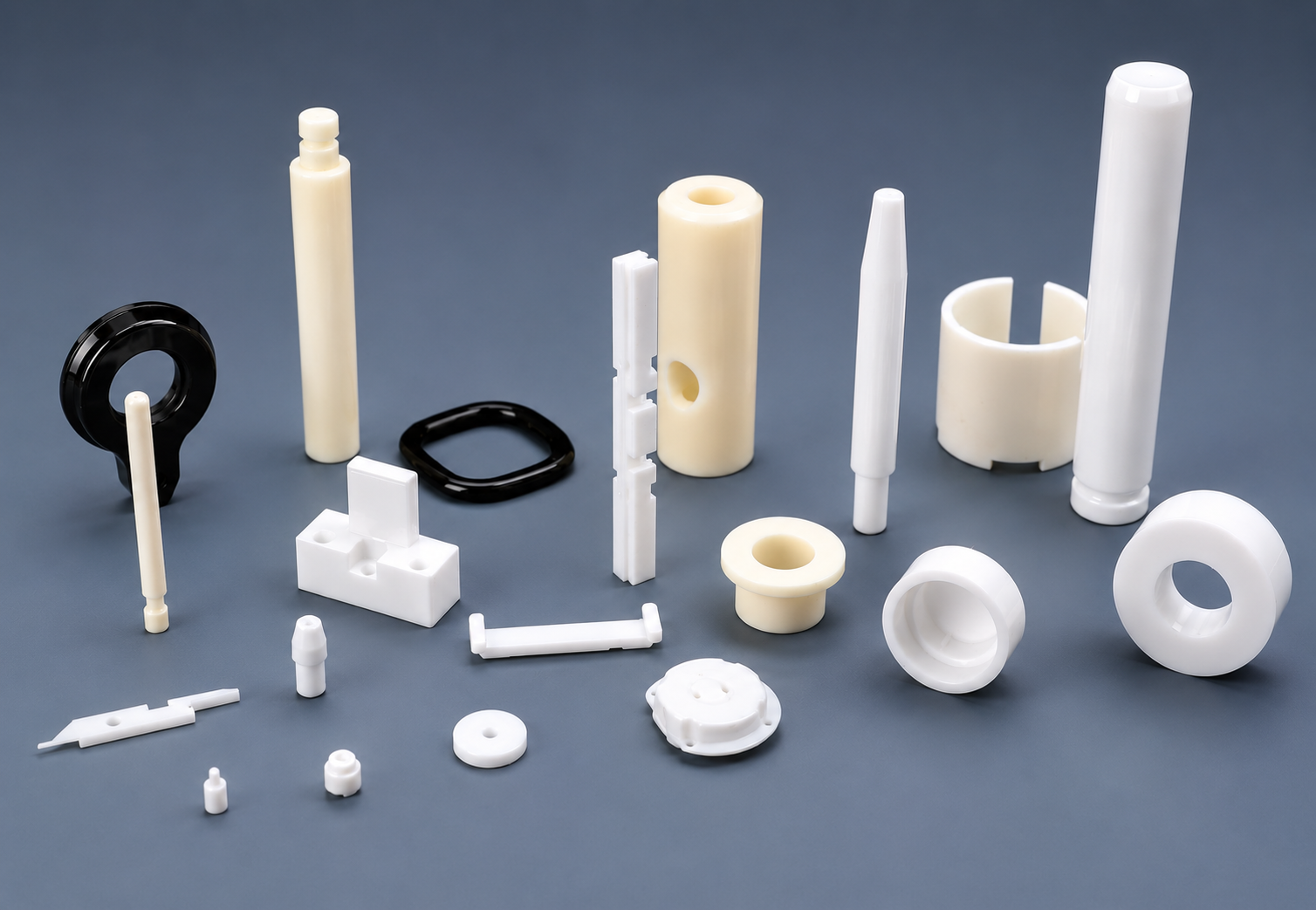
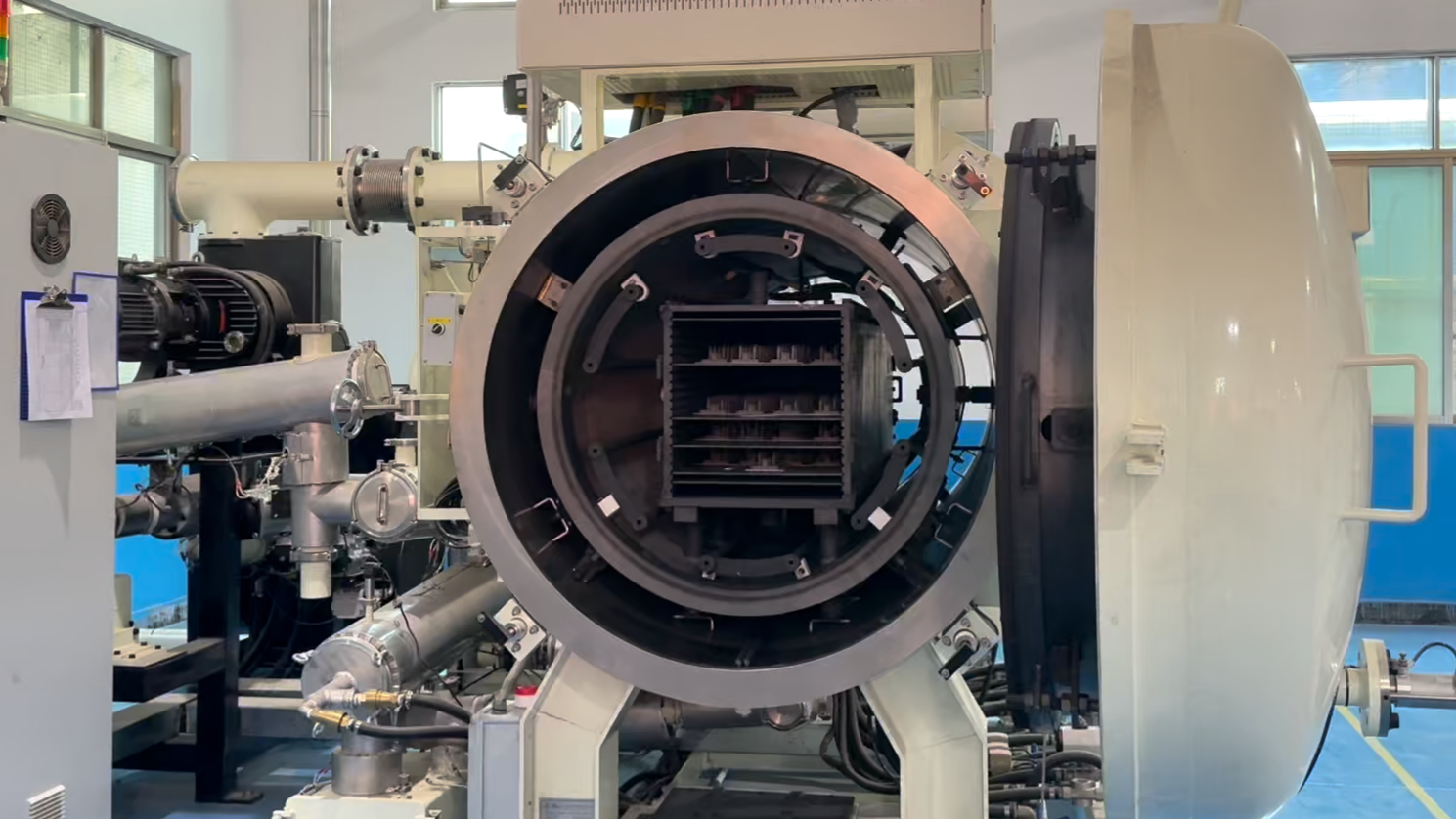
Los émbolos cerámicos se forman típicamente mediante moldeo por inyección de cerámica (CIM) para geometrías complejas o prensado isostático en frío para formas de varilla más simples, y luego se sinterizan hasta alcanzar su densidad total. Debido a que la rectitud y la tolerancia del diámetro son críticas para el rendimiento del émbolo, la pieza sinterizada en bruto se rectifica sin centros y se pule hasta obtener su dimensión final, comprobándose la rectitud a lo largo de toda la longitud de trabajo en lugar de en un solo punto. Este paso de acabado de precisión posterior al sinterizado es donde finalmente se decide la calidad del émbolo: un material correctamente seleccionado aún tendrá un rendimiento deficiente si el esmerilado y el control de la rectitud no se mantienen estrictamente.

Por qué trabajar con XY-Global para émbolos cerámicos personalizados
Elegir entre zirconia, alúmina y carburo de silicio solo es útil si el émbolo terminado está rectificado con la rectitud y tolerancia que la aplicación realmente necesita. XY-Global aporta más de 15 años de experiencia en moldeo por inyección de metal y cerámica, capacidad de tolerancia de precisión de hasta 1 µm y rectificado sin centros interno para mantener la rectitud y el diámetro a lo largo de toda la longitud del émbolo. Cada programa de émbolo personalizado comienza con una revisión de viabilidad de DFM (diseño para fabricación) gratuita y muestras de prototipos para que el material y el ajuste puedan validarse frente a condiciones operativas reales antes de comprometerse con el volumen de producción.
Preguntas frecuentes
¿Cuál es el mejor material cerámico para un émbolo de alta presión?
La zirconia (particularmente la zirconia estabilizada con itria) es generalmente preferida para aplicaciones de alta presión y alta frecuencia de ciclos debido a su tenacidad a la fractura superior en comparación con la alúmina o el carburo de silicio.
¿Es el carburo de silicio mejor que la zirconia para los émbolos de bomba?
Depende del modo de falla contra el que esté protegiendo. El carburo de silicio ofrece una mejor resistencia a la abrasión para lodos o fluidos cargados de partículas, mientras que la zirconia ofrece una mejor tenacidad contra la carga de impacto cíclica en servicios limpios de alta presión.
¿Cómo se compara un émbolo cerámico con el carburo de tungsteno?
Los émbolos cerámicos generalmente ofrecen una mejor resistencia química en fluidos ácidos o cáusticos, mientras que el carburo de tungsteno puede ofrecer una resistencia a la abrasión comparable o ligeramente mejor en algunas condiciones; el costo suele ser similar entre ambos, por lo que la química del fluido suele decidir la elección.
¿Se puede utilizar un émbolo cerámico con una camisa de metal existente?
Es técnicamente posible, pero normalmente no se recomienda para servicios exigentes, ya que la dureza y la expansión térmica desiguales entre el émbolo y la camisa pueden acelerar el desgaste del componente metálico más blando. Por lo general, se prefiere un par de desgaste cerámico emparejado.
¿Qué tolerancia se requiere para el diámetro y la rectitud de un émbolo cerámico?
Los requisitos son específicos para cada aplicación, pero los émbolos rectificados de precisión suelen mantenerse con tolerancias de diámetro de una sola cifra en micras, con una rectitud controlada a lo largo de toda la longitud de trabajo para mantener un sellado y un desgaste uniformes.
¿Cuánto dura un émbolo cerámico en comparación con el acero inoxidable?
En servicios corrosivos o abrasivos, los émbolos cerámicos suelen superar a los equivalentes de acero inoxidable varias veces, aunque la vida útil real depende de la química del fluido, la presión y el ciclo de trabajo.
Conclusión
Elegir un material para el émbolo es un equilibrio entre tenacidad, dureza, resistencia química y costo, y la respuesta correcta depende completamente de a qué se enfrentará el émbolo en servicio. La zirconia, la alúmina y el carburo de silicio resuelven cada uno un modo de falla diferente mejor que los demás, y los tres superan al acero inoxidable o al carburo de tungsteno una vez que la química del fluido o el contenido abrasivo se vuelve agresivo. Elegir el material correcto es solo la mitad del trabajo; mantener la rectitud y la tolerancia mediante el rectificado de precisión es lo que convierte la elección correcta de material en un émbolo que realmente funciona. Los ingenieros que evalúan un cambio de material pueden enviar sus especificaciones de fluido y presión para una revisión de viabilidad de DFM gratuita.
Compartir:
Conjunto de camisa de émbolo de cerámica para bombas dosificadoras | Guía de selección y fabricación
Por qué los ingenieros están sustituyendo piezas metálicas por componentes de cerámica de circonio