

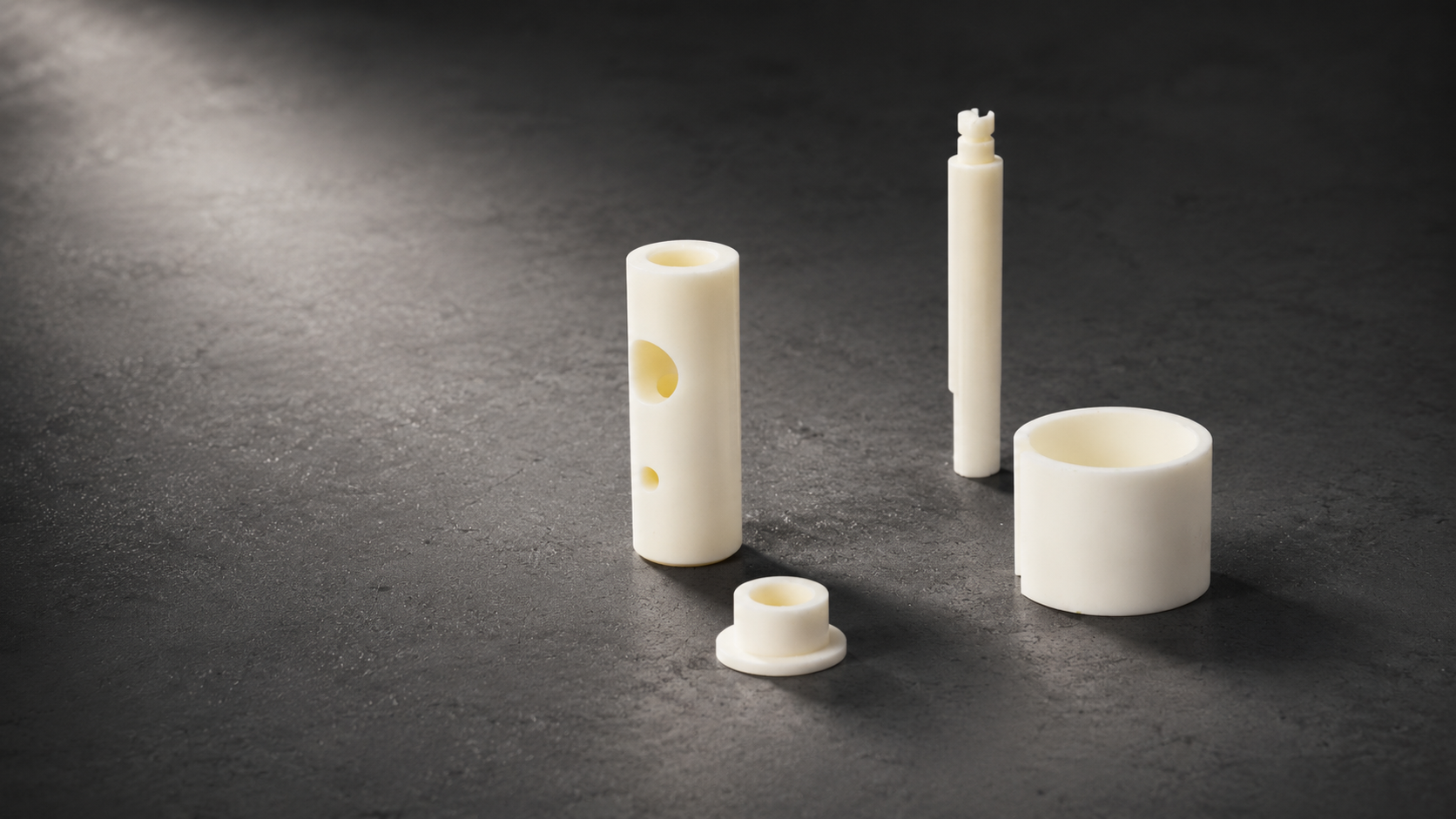
Las piezas pequeñas de zirconia requieren algo más que materiales de alto rendimiento
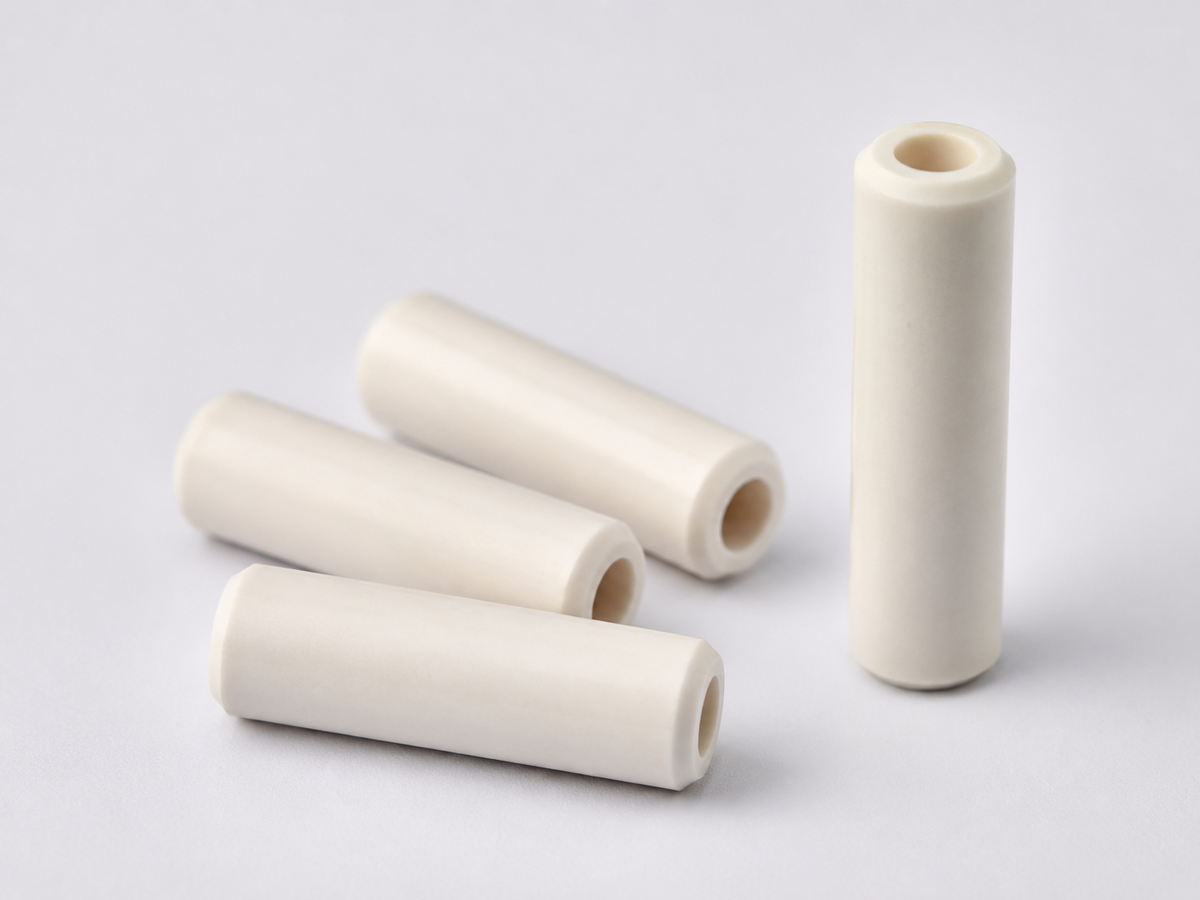
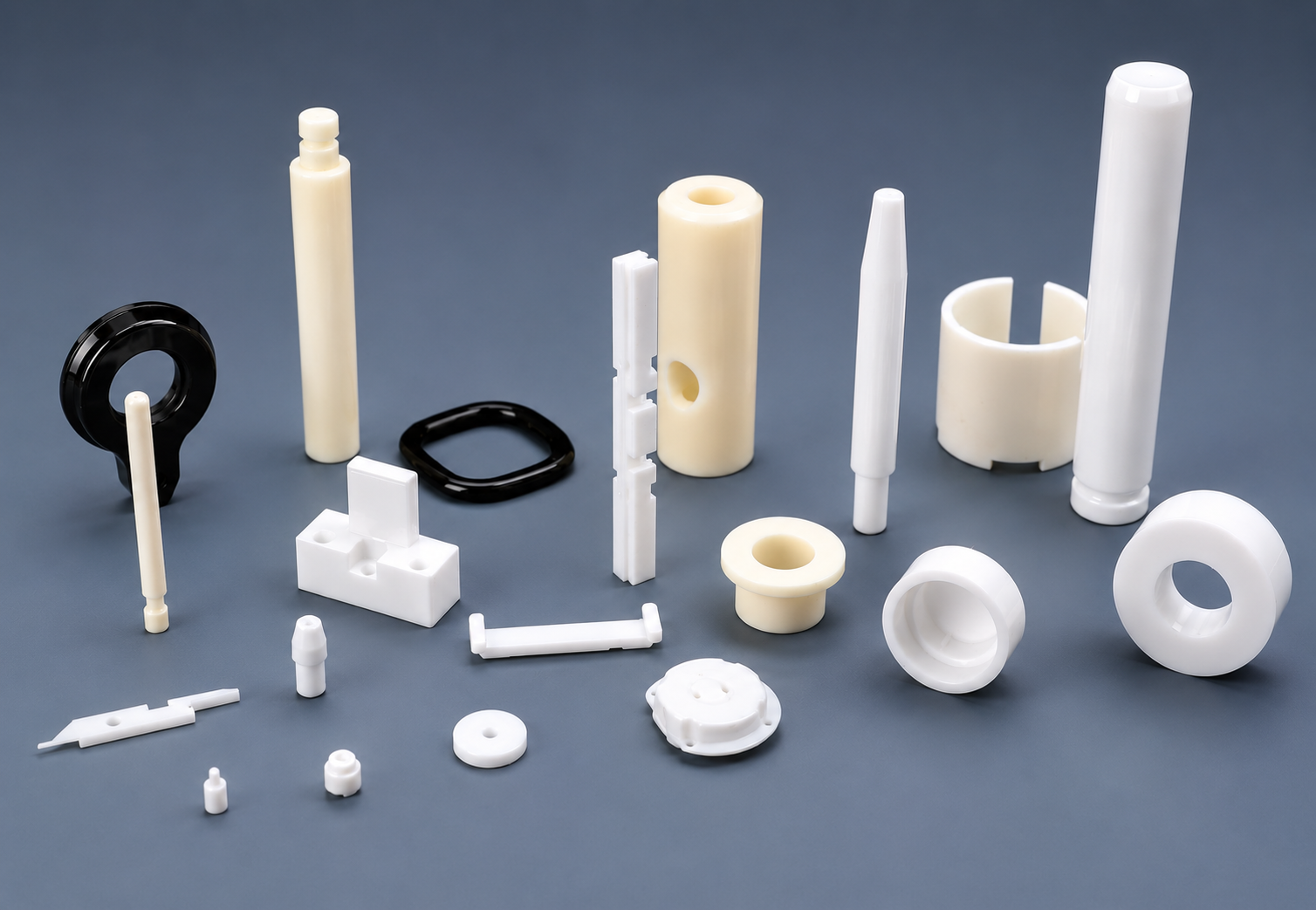
En dispositivos médicos, equipos de semiconductores y sistemas de automatización de precisión, cada vez más ingenieros están recurriendo a los componentes de cerámica de zirconia como alternativa a las piezas metálicas tradicionales.
La razón no es simplemente una mayor dureza. En muchas aplicaciones críticas, los materiales metálicos no pueden ofrecer la misma combinación de:
- Estabilidad dimensional a largo plazo
- Excelente resistencia al desgaste
- Baja generación de partículas
- Resistencia química
Sin embargo, durante proyectos reales, hemos descubierto que el mayor desafío de las piezas de cerámica de zirconia no es la selección del material.
El verdadero desafío es:
Cómo fabricar componentes pequeños y complejos de zirconia con una precisión constante y un rendimiento fiable.
Para aplicaciones de gama alta, producir un prototipo calificado no es suficiente. La clave está en lograr una calidad estable desde la validación del prototipo hasta la producción en serie.

El verdadero desafío: mantener la precisión en componentes complejos de zirconia
A diferencia de las piezas metálicas convencionales, los componentes de cerámica de zirconia requieren un enfoque de fabricación diferente debido a las características del material.
En la etapa de diseño, un componente puede parecer sencillo, pero a menudo incluye múltiples requisitos críticos:
- Agujeros pequeños de precisión
- Tolerancias dimensionales estrechas
- Requisitos de planitud
- Superficies de contacto lisas
- Geometrías complejas
Cuando estos requisitos se combinan, la dificultad de fabricación aumenta significativamente.
Por ejemplo, un componente de posicionamiento de precisión utilizado en equipos avanzados puede requerir:
- Material de zirconia
- Alta precisión dimensional
- Excelente acabado superficial
- Resistencia al desgaste a largo plazo
Si la pieza se diseña y fabrica utilizando el mismo enfoque que un componente metálico, pueden ocurrir problemas:
- Desportilladuras en los bordes durante el mecanizado
- Variación dimensional entre lotes
- Dificultad para alcanzar los requisitos de superficie
- Consistencia de producción reducida
Por lo tanto, producir componentes de precisión de cerámica de zirconia requiere no solo capacidad de mecanizado, sino también un conocimiento profundo del comportamiento de la cerámica.

La optimización del diseño es el primer paso para lograr piezas de zirconia exitosas
Muchos problemas de fabricación pueden prevenirse antes de comenzar el mecanizado.
Al revisar proyectos de componentes de cerámica de zirconia, generalmente nos enfocamos en varias áreas clave.
1. Evite la concentración innecesaria de tensiones
Aunque la zirconia tiene mayor tenacidad en comparación con muchos materiales cerámicos tradicionales, sigue siendo un material duro y quebradizo.
Ciertas características de diseño pueden aumentar los riesgos de fabricación, tales como:
- Esquinas afiladas
- Paredes extremadamente delgadas
- Radios internos pequeños
- Cambios repentinos de geometría
Optimizar estas áreas puede mejorar la estabilidad del mecanizado y reducir el riesgo de daños durante la producción.
Para las piezas de zirconia, un pequeño ajuste de diseño a menudo puede marcar una diferencia significativa en la fiabilidad de la fabricación.
2. Equilibre los requisitos de precisión y la capacidad de fabricación
Un error común es aplicar los estándares de diseño de piezas metálicas directamente a los componentes cerámicos.
La fabricación de cerámica requiere un enfoque de ingeniería diferente.
Antes de la producción, es importante evaluar:
- Qué dimensiones afectan directamente la funcionalidad;
- Qué áreas requieren un control estricto;
- Qué características se pueden optimizar sin afectar el rendimiento.
Esta revisión de diseño orientada a la fabricación ayuda a los clientes a evitar costos innecesarios mientras mejora las tasas de éxito de la producción.
3. La calidad de la superficie afecta directamente al rendimiento
Para muchos componentes de cerámica de zirconia, el acabado superficial no es solo un requisito estético.
Afecta directamente el rendimiento funcional.
Por ejemplo, en aplicaciones de movimiento o contacto:
- La rugosidad superficial afecta la fricción;
- Los defectos superficiales pueden reducir la vida útil;
- El daño local puede provocar fallos a largo plazo.
Por lo tanto, las aplicaciones cerámicas de precisión requieren un control cuidadoso de la calidad del mecanizado y los requisitos de la superficie.
Por qué se selecciona la zirconia para componentes de precisión
Aunque la zirconia es más difícil de fabricar en comparación con los metales, sigue siendo uno de los materiales preferidos para aplicaciones exigentes.
Alta resistencia al desgaste
La zirconia ofrece una excelente resistencia al desgaste, lo que la hace adecuada para componentes expuestos a fricción y movimiento repetidos.
Las aplicaciones típicas incluyen:
- Guías de precisión
- Componentes deslizantes
- Piezas resistentes al desgaste
Excelente estabilidad química
La zirconia mantiene un rendimiento estable en entornos desafiantes donde la resistencia a la corrosión y la fiabilidad del material son importantes.
Esta ventaja hace que la zirconia sea adecuada para industrias como:
- Fabricación de semiconductores
- Equipos médicos
- Automatización industrial

Cómo apoyamos los proyectos de componentes de cerámica de zirconia
En XY-GLOBAL, creemos que:
La fabricación de componentes cerámicos no se trata simplemente de mecanizar una pieza. Se trata de ayudar a los clientes a crear un componente funcional y fiable.
Para cada proyecto de componentes de cerámica de zirconia, nos enfocamos en tres áreas clave.
Apoyo desde el prototipo hasta la producción
XY-GLOBAL apoya a los clientes desde el desarrollo inicial hasta la producción repetida, incluyendo:
- Fabricación de prototipos
- Producción en lotes pequeños
- Mejora de la repetibilidad de la producción
Nuestro objetivo no es solo producir muestras, sino también ayudar a los clientes a lograr un suministro estable a largo plazo.
Aplicaciones de los componentes de cerámica de zirconia
Los componentes de cerámica de zirconia se utilizan ampliamente en industrias donde la precisión, la durabilidad y la estabilidad son críticas.
| Industria | Aplicaciones |
|---|---|
| Equipos médicos | Componentes médicos de precisión, piezas resistentes al desgaste |
| Equipos de semiconductores | Componentes de posicionamiento, piezas de aislamiento, estructuras de precisión |
| Equipos ópticos | Componentes de ajuste de precisión |
| Equipos de automatización | Componentes de movimiento de larga duración |
| Equipos industriales | Piezas resistentes al desgaste y a la corrosión |

Elección del fabricante adecuado de cerámica de zirconia
Para componentes cerámicos exigentes, la selección del proveedor no debe basarse únicamente en el precio del mecanizado.
Más importante aún, los fabricantes deben comprender:
- El comportamiento del material cerámico;
- Los requisitos de optimización del diseño;
- Los desafíos del mecanizado de precisión;
- La consistencia entre lotes.
Un fabricante de componentes de cerámica de zirconia confiable debe ser capaz de apoyar a los clientes más allá de la producción: desde la evaluación de ingeniería y el desarrollo de prototipos hasta la fabricación estable.
En XY-GLOBAL, ofrecemos soluciones personalizadas de mecanizado de cerámica de zirconia para clientes en las industrias médica, de semiconductores, automatización e industrial.
Si está desarrollando componentes de cerámica de zirconia, por favor proporcione:
- Planos 2D
- Modelos CAD 3D
- Requisitos de material
- Información de la aplicación
¿No está seguro de si su diseño de cerámica de zirconia es adecuado para la producción? Envíenos sus planos y requisitos de aplicación para una revisión profesional de viabilidad de fabricación.

Compartir:
Guía de materiales para émbolos cerámicos: circonio, alúmina y carburo de silicio frente a émbolos metálicos
Problemas comunes en el procesamiento de pulvimetalurgia