


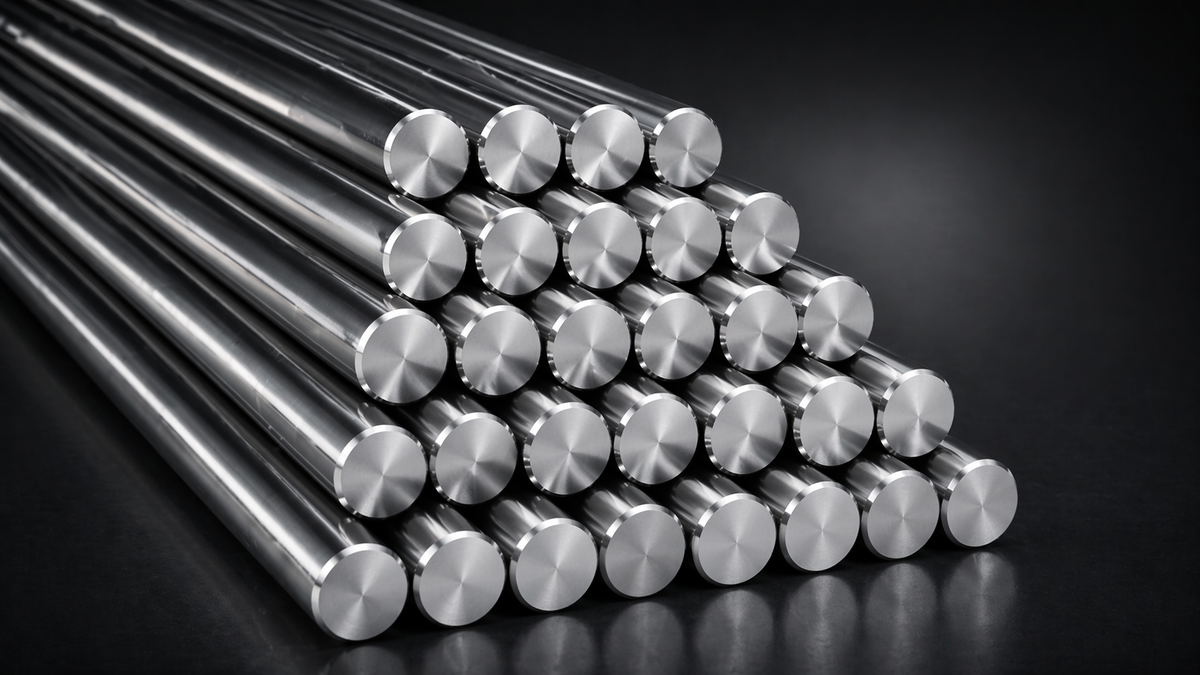
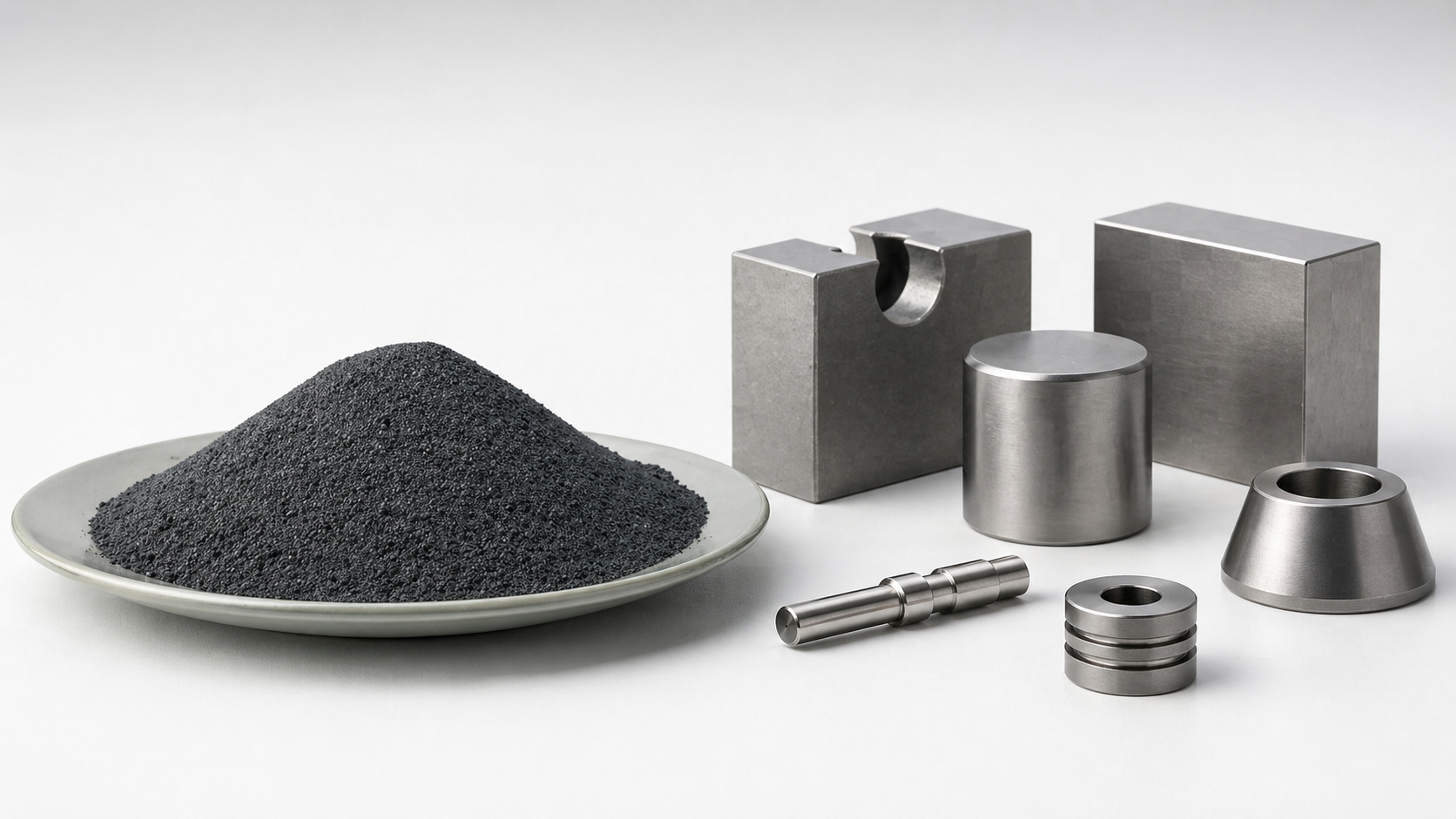
El polvo de acero inoxidable 17-4PH para MIM es un polvo de acero inoxidable de endurecimiento por precipitación diseñado para aplicaciones de moldeo por inyección de metales. Se produce comúnmente por atomización de gas y se utiliza para fabricar componentes de acero inoxidable pequeños, complejos y de alto rendimiento.
En comparación con los polvos de acero inoxidable ordinarios, el 17-4PH ofrece un mejor equilibrio de alta resistencia, dureza, resistencia a la corrosión y estabilidad del proceso. Estas propiedades lo convierten en un material adecuado para piezas MIM utilizadas en electrónica, dispositivos médicos, aeroespacial, sistemas automotrices y aplicaciones industriales de precisión.
Para la producción de MIM, el polvo en sí no es solo una materia prima. Su tamaño de partícula, forma esférica, fluidez, pureza y estabilidad química afectan directamente la preparación de la materia prima, el moldeo por inyección, el desbardado, la sinterización, la calidad de la superficie y el rendimiento final de la pieza.
Información básica del polvo de acero inoxidable 17-4PH para MIM
El polvo de acero inoxidable 17-4PH utilizado para MIM es generalmente un polvo de metal gris producido por atomización de gas nitrógeno. La atomización de gas ayuda a formar partículas de polvo esféricas o casi esféricas, que son adecuadas para preparar materia prima MIM estable.
| Artículo | Descripción |
|---|---|
| Nombre del producto | Polvo de acero inoxidable 17-4PH |
| Proceso principal | Atomización con gas nitrógeno |
| Apariencia | Polvo gris |
| Tamaño de malla común | -800 malla, -500 malla |
| Personalización | Se pueden personalizar diferentes tamaños de malla y rangos de tamaño de partícula |
| Uso típico | Materia prima de MIM y piezas de MIM de acero inoxidable de precisión |


El acero inoxidable 17-4PH también puede aparecer bajo diferentes designaciones de materiales internacionales. Al revisar dibujos o requisitos de materiales, estos nombres pueden referirse a la misma familia o similar de acero inoxidable 17-4PH / 630.
| Estándar / Región | Designación común |
|---|---|
| ASTM / UNS | S17400, 630 |
| JIS | SUS630 |
| ISO | X5CrNiCuNb16-4 |
| EN | X5CrNiCuNb16-4, 1.4542 |
| GB/T | 05Cr17Ni4Cu4Nb, 0Cr17Ni4Cu4Nb |
Para proyectos MIM, es importante confirmar no solo el grado del material, sino también el tamaño de partícula, el contenido de oxígeno, los requisitos de sinterización, la condición del tratamiento térmico y la aplicación final de la pieza.
Composición principal del polvo de acero inoxidable 17-4PH
El elemento base del polvo de acero inoxidable 17-4PH es el hierro. Sus elementos de aleación clave incluyen cromo, níquel, cobre y niobio. Estos elementos trabajan juntos para proporcionar resistencia a la corrosión, resistencia, dureza, tenacidad y estabilidad del material.
El cromo es el elemento clave para la resistencia a la corrosión. Cuando el cromo alcanza un nivel adecuado, forma una densa película pasiva de óxido de cromo en la superficie del material. Esta película ayuda a proteger la pieza de acero inoxidable de la humedad y los medios corrosivos.
El níquel mejora la tenacidad y la ductilidad. También trabaja con el cromo para mejorar aún más la resistencia a la corrosión, especialmente en entornos más exigentes.
El cobre juega un papel importante durante el tratamiento de envejecimiento. Puede precipitar fases de fortalecimiento, lo que ayuda a mejorar la resistencia y la dureza del acero inoxidable 17-4PH.
El niobio ayuda a estabilizar la estructura del material. Puede combinarse con el carbono para formar carburos estables, reduciendo el riesgo de precipitación de carburos dañinos en los límites de grano y ayudando a mejorar la resistencia a la corrosión intergranular.
Además, el polvo contiene pequeñas cantidades de manganeso, silicio, carbono, fósforo y azufre. Estos elementos se controlan dentro de límites estrictos para ayudar a mantener una calidad de polvo estable y un rendimiento final de la pieza.

Propiedades del polvo para el procesamiento MIM
El rendimiento del polvo de acero inoxidable 17-4PH en MIM depende en gran medida de sus propiedades físicas y químicas. Para una materia prima MIM de alta calidad, el polvo debe tener una distribución de tamaño de partícula adecuada, buena esfericidad, densidad estable, buena fluidez y bajo contenido de impurezas.
| Propiedad del polvo | Característica típica | Valor para MIM |
|---|---|---|
| Tamaño de partícula | Polvo fino, comúnmente alrededor de 5–20 μm para uso de MIM de precisión | Ayuda a mejorar la densidad y el acabado superficial |
| Distribución de ejemplo | d10 = 5.8 μm, d50 = 12.3 μm, d90 = 19.7 μm | Soporta moldeo de detalles finos |
| Rango de partículas más amplio | A menudo alrededor de 15–53 μm dependiendo del diseño de la materia prima | Ayuda a equilibrar la fluidez y el empaquetamiento |
| Forma del polvo | Esférico o casi esférico | Mejora la mezcla del aglutinante y el llenado del molde |
| Densidad aparente | Alrededor de 4.4 g/cm³ | Soporta un empaquetamiento estable y una consistencia de la materia prima |
| Fluidez | Velocidad de flujo Hall alrededor de 19.2 s/50g | Ayuda a lograr un llenado uniforme del molde |
| Pureza | Bajo contenido de oxígeno y bajo nivel de impurezas | Soporta una mejor calidad de sinterización |
El polvo fino es especialmente adecuado para piezas MIM con altos requisitos de precisión. Una distribución de tamaño de partícula fina y controlada puede ayudar a mejorar la densidad sinterizada, la suavidad de la superficie y la capacidad de reproducir características pequeñas.
La forma esférica creada por la atomización de gas también es importante. El polvo esférico fluye mejor, se mezcla de manera más uniforme con el aglutinante y ayuda a que la materia prima llene el molde de manera más uniforme. Esto puede reducir los defectos de moldeo y soportar una producción más estable.
Acero inoxidable 17-4 vs acero inoxidable 304
El acero inoxidable 17-4 y el acero inoxidable 304 son materiales de acero inoxidable ampliamente utilizados, pero se seleccionan por diferentes razones.
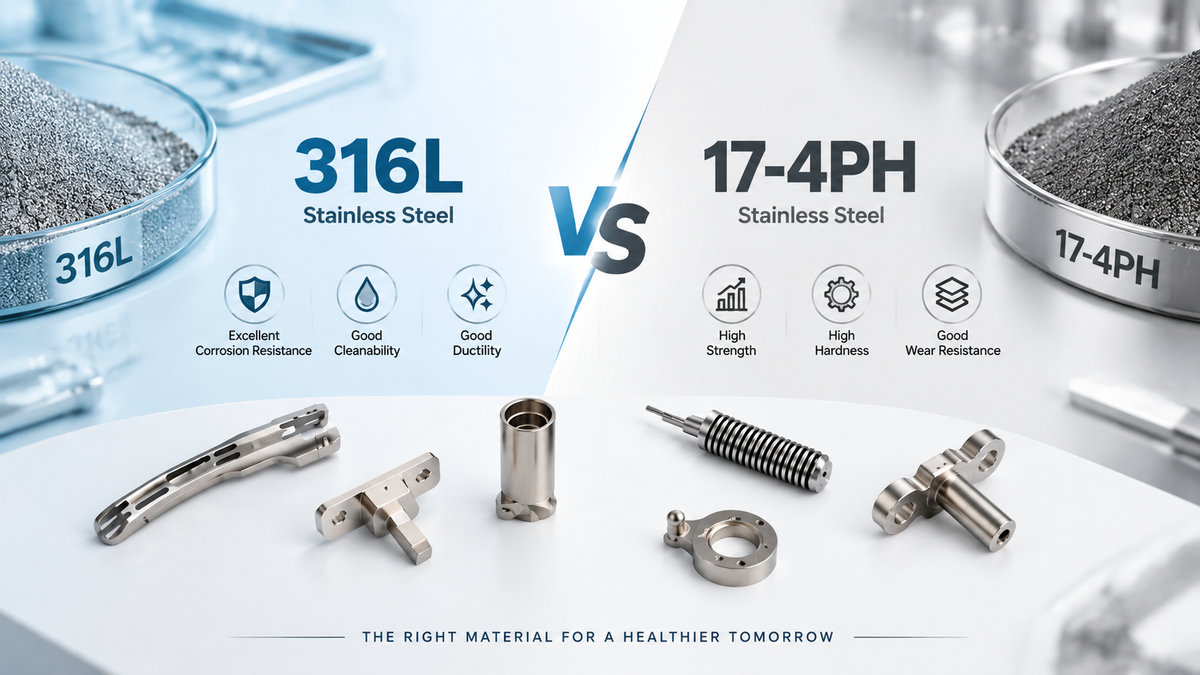
El acero inoxidable 17-4 es un acero inoxidable de endurecimiento por precipitación. Su principal ventaja es su alta resistencia y dureza después del tratamiento térmico. Es adecuado para piezas funcionales que necesitan un mejor rendimiento mecánico, resistencia al desgaste y estabilidad dimensional, como componentes mecánicos de precisión, piezas aeroespaciales, componentes de dispositivos médicos y piezas automotrices.
El acero inoxidable 304 es un acero inoxidable austenítico. Es conocido por su buena resistencia general a la corrosión, excelente formabilidad y buena soldabilidad. Sin embargo, en comparación con el acero inoxidable 17-4, su resistencia y dureza son menores. Se usa más comúnmente para piezas estructurales generales, carcasas, soportes, cubiertas, equipos de cocina y componentes que no requieren una resistencia muy alta.
En términos sencillos, el acero inoxidable 17-4 es mejor para piezas de precisión de alta resistencia, mientras que el acero inoxidable 304 es mejor para piezas resistentes a la corrosión general con buenos requisitos de conformado y soldadura.

Rendimiento químico del polvo de acero inoxidable 17-4PH
El polvo de acero inoxidable 17-4PH tiene buena resistencia a la corrosión debido a su contenido de cromo y níquel. Después del procesamiento MIM y la sinterización adecuada, las piezas hechas de este polvo se pueden usar en ambientes húmedos, ligeramente ácidos, alcalinos o industriales, dependiendo de la aplicación final y la condición de la superficie.
El contenido de silicio puede ayudar a mejorar la resistencia a la oxidación. Esto hace que el material sea más estable en ciertos entornos de temperatura elevada y ayuda a mantener la estructura y el rendimiento de la pieza final.
La pureza es otro factor importante. El bajo contenido de oxígeno y los bajos niveles de impurezas ayudan a mejorar la calidad de la sinterización. También facilitan el control del carbono durante la sinterización, lo cual es importante para lograr una resistencia estable, resistencia a la corrosión y un rendimiento mecánico final.
Por qué el polvo 17-4PH es adecuado para MIM
El polvo de acero inoxidable 17-4PH es adecuado para MIM porque combina una buena procesabilidad del polvo con un fuerte rendimiento final del material.
Su tamaño de partícula fino permite la producción de componentes pequeños y precisos. Su morfología esférica mejora el flujo de la materia prima y el llenado del molde. Su sistema de aleación proporciona resistencia, dureza y resistencia a la corrosión después de una sinterización y un tratamiento de envejecimiento adecuados.
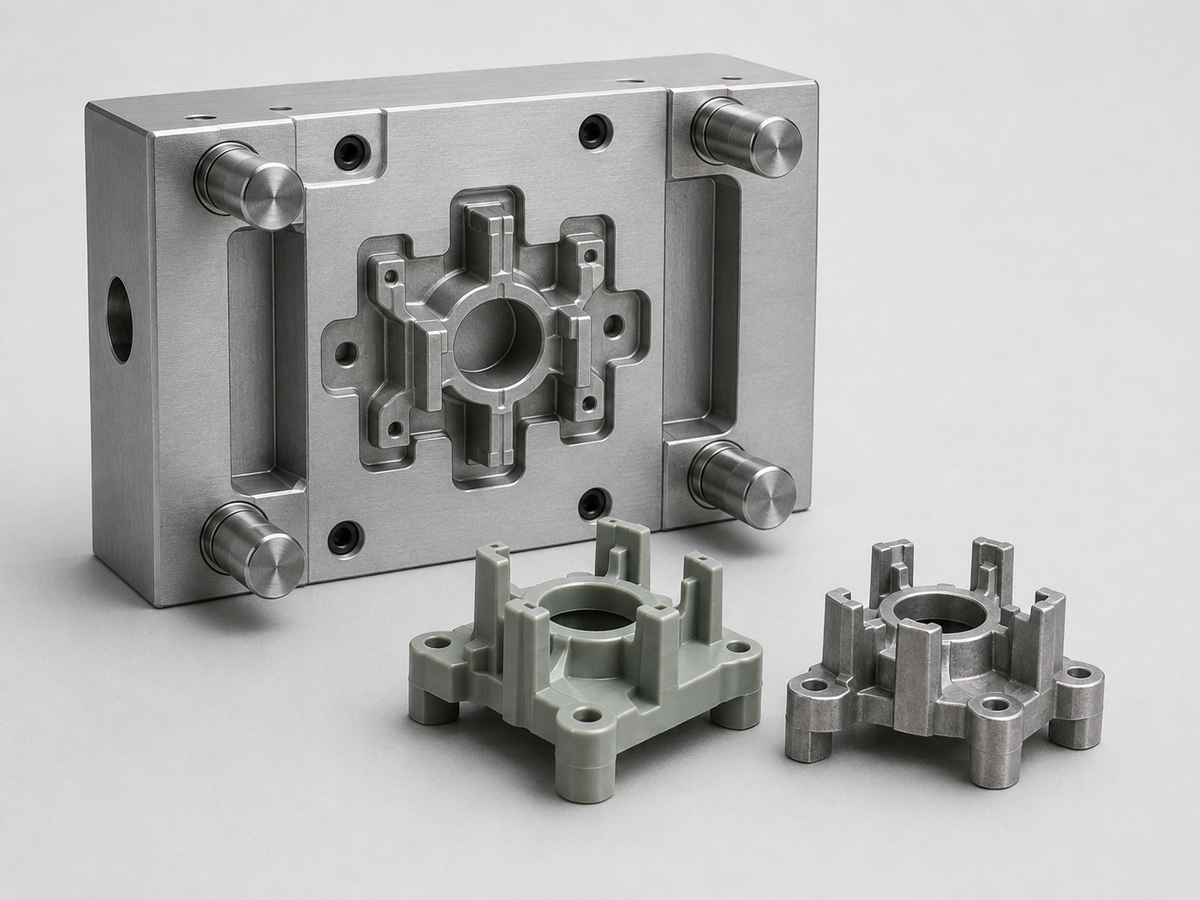
Para los fabricantes, esto hace que el polvo de acero inoxidable MIM 17-4PH sea un material práctico para producir piezas pequeñas con estructuras complejas, requisitos dimensionales estables y necesidades de rendimiento funcional.
Es especialmente útil cuando las piezas necesitan:
- formas complejas difíciles de mecanizar eficientemente
- buena resistencia y dureza después del tratamiento térmico
- resistencia a la corrosión para entornos exigentes
- calidad de producción repetible
- fina calidad superficial y buena densidad sinterizada
Aplicaciones típicas del polvo de acero inoxidable 17-4PH para MIM
El polvo de acero inoxidable 17-4PH se utiliza ampliamente en aplicaciones MIM donde las piezas deben ser pequeñas, complejas, fuertes y resistentes a la corrosión.
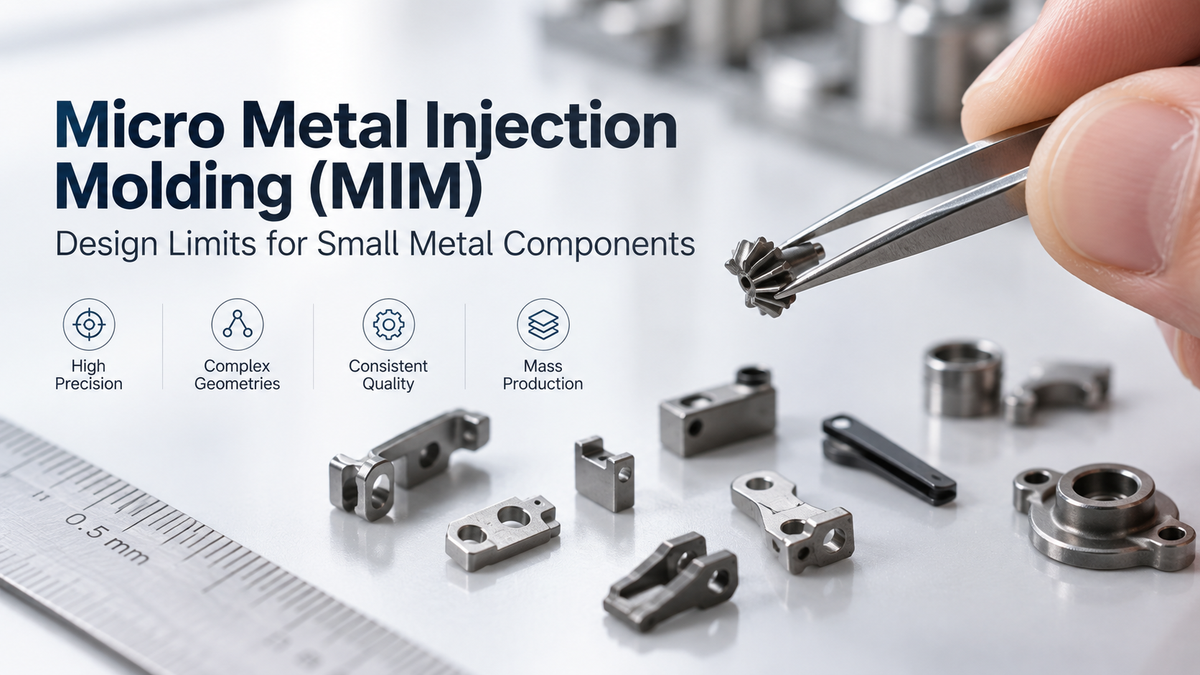
En la industria electrónica, se puede utilizar para bandejas de tarjetas SIM, carcasas de relojes inteligentes, piezas estructurales compactas, conectores y otros componentes de precisión. Estas piezas a menudo requieren paredes delgadas, dimensiones estables y una calidad superficial limpia.
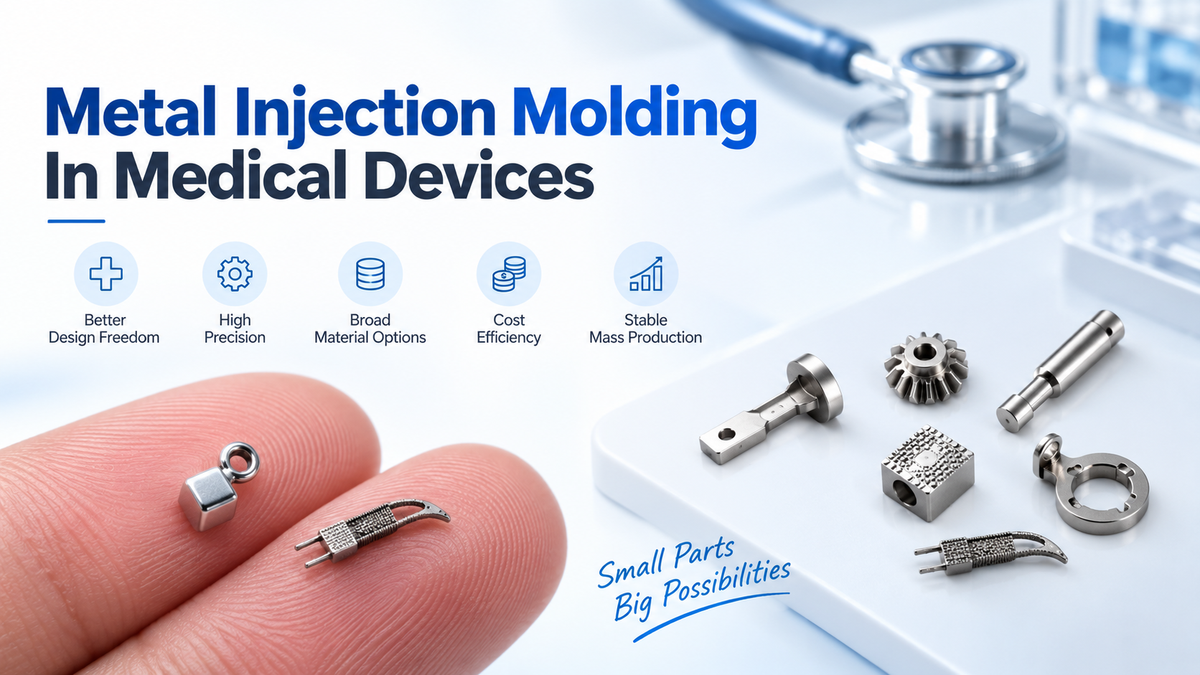
En el campo de los dispositivos médicos, el acero inoxidable 17-4PH se puede utilizar para componentes de instrumentos quirúrgicos, herramientas dentales y piezas mecánicas de precisión. También se puede considerar para tornillos óseos, placas óseas u otros componentes relacionados con implantes cuando se confirman completamente los estándares médicos, la validación del material y los requisitos reglamentarios.
En la industria aeroespacial, se puede utilizar para componentes relacionados con boquillas de combustible, conectores estructurales, pequeños soportes y piezas de precisión ligeras. MIM ayuda a crear formas complejas al tiempo que reduce la necesidad de un mecanizado extenso.
En la industria automotriz, las piezas MIM 17-4PH se pueden utilizar para carcasas de sensores de transmisión, componentes de válvulas de precisión de sistemas de combustible y otras piezas funcionales que requieren resistencia a la corrosión, resistencia y una larga vida útil.

Conclusión
El polvo de acero inoxidable 17-4PH para MIM es un material clave para producir componentes de acero inoxidable de alta resistencia, resistentes a la corrosión y complejos mediante moldeo por inyección de metal.
Su forma esférica de polvo atomizado con gas, tamaño de partícula fino, buena fluidez, composición química estable y bajo nivel de impurezas lo hacen adecuado para la preparación de materias primas de MIM. Al mismo tiempo, su sistema de aleación de cromo, níquel, cobre y niobio confiere a las piezas finales un fuerte rendimiento mecánico y resistencia a la corrosión.
Para aplicaciones electrónicas, dispositivos médicos, aeroespaciales, automotrices e industriales de precisión, el MIM 17-4PH proporciona una solución de material práctica cuando las piezas pequeñas requieren tanto una geometría compleja como un rendimiento fiable.
Preguntas frecuentes
¿Cuál es el tamaño de partícula típico del polvo de acero inoxidable 17-4PH para MIM?
El polvo fino para aplicaciones de MIM de precisión suele rondar las 5-20 μm. Algunos rangos de polvo también pueden ser de alrededor de 15-53 μm, dependiendo del diseño de la materia prima y los requisitos de la pieza.
¿Por qué se utiliza la atomización con gas para el polvo MIM 17-4PH?
La atomización con gas ayuda a producir partículas esféricas o casi esféricas. Esto mejora la fluidez del polvo, la mezcla del aglutinante, el llenado del molde y la consistencia de la sinterización.
¿Se puede personalizar el tamaño de malla del polvo 17-4PH?
Sí. Las especificaciones comunes incluyen -800 malla y -500 malla, y el tamaño de partícula se puede personalizar según los requisitos del cliente.
¿Qué industrias utilizan el polvo de acero inoxidable MIM 17-4PH?
Se utiliza comúnmente en electrónica, dispositivos médicos, aeroespacial, sistemas automotrices y componentes industriales de precisión.
¿Qué debe confirmarse antes de usar polvo 17-4PH para la producción de MIM?
El tamaño de partícula, la pureza del polvo, el contenido de oxígeno, la composición química, el tratamiento térmico, los requisitos de tolerancia, el acabado superficial y las condiciones de aplicación final deben confirmarse antes de la producción.
Compartir:
Piezas cerámicas personalizadas: selección de materiales, consideraciones de diseño y fabricación de precisión
Bloques Aislantes de Cerámica de Alúmina a Medida para Aplicaciones de Aislamiento de Precisión